

Bengaluru, India – Long before the city’s notorious traffic begins to snarl and the first baristas grind beans, Sunil Lade is already miles into his daily ritual. For an ad-film producer whose days are typically consumed by frames, shots, and looming deadlines, this pre-dawn solitude on the asphalt is more than just exercise; it’s preparation for a burgeoning global phenomenon: the "race-cation." Lade is not just running; he’s strategically weaving his passion for endurance into his travel plans, a trend that’s rapidly gaining traction among Indian athletes and reshaping the very definition of a holiday.
His immediate focus is the London Marathon on April 26th, followed by the Chicago Marathon on October 11th. These aren’t mere races; they are the epicenters of meticulously planned solo expeditions, offering a much-needed respite and a unique way to experience new horizons. "I’ve been to cities for work and for travel," Lade shares, his voice carrying the quiet determination of a seasoned runner. "But what you see when you’re running is totally different. You notice details you’d never catch in a car or train." This profound shift in perspective, from passive observer to active participant, is at the heart of the race-cation movement.
The Rise of the Runner-Tourist: A New Paradigm for Travel
The concept of "race-cations" – planning holidays around athletic events – is no longer a niche pursuit. It represents a significant evolution in how Indians, particularly the burgeoning middle class and adventurous youth, approach travel. Instead of ticking off predictable tourist attractions, these individuals are seeking immersive experiences that blend physical challenge with cultural exploration. They are running through local neighborhoods, feeling the pulse of a city in a way no guidebook can convey, and drawing energy from the spontaneous cheers of strangers.
Tanya Gupta, the visionary founder of The Reckless Collective, a Delhi-based platform that curates sports-led retreats, exemplifies this trend. Launched in 2025, her company specializes in crafting unique experiences for adventure enthusiasts. Her upcoming guided running retreat in the rainforests of Borneo, from June 19th to 24th, is a testament to this evolving landscape. Led by renowned ultramarathoner Kieren D’Souza, the program focuses on helping runners adapt to challenging, unpredictable terrain. "Participants receive a curated pre-retreat training plan, along with focused skill work, endurance sessions, and detailed technique breakdowns, before being guided by an expert athlete on the day of the run," Gupta explains. The Reckless Collective’s offerings extend beyond running, encompassing a diverse range of sports like trail running, kitesurfing, snowboarding, and freediving, with past retreats held in Sri Lanka and Kazakhstan, and future expeditions planned for Malaysia, Portugal, Egypt, and Japan.
Social media influencer and long-distance runner Sahirah Oshidar, based in Bengaluru, echoes this sentiment. "Why simply travel, when you can work on your fitness and achieve new milestones on the same vacation?" she poses, highlighting the dual benefits of this travel style. Oshidar, a relative newcomer to the international running scene, recently completed the Bangkok Marathon and is now setting her sights on Portugal (October 2-3, 2026) and Abu Dhabi (December 12, 2026). Her experiences are amplified by the electric atmosphere of these global races, transforming them into personal triumphs and unforgettable journeys.
Global Endorsements: The "Endorphin Economy" Takes Flight
The burgeoning trend of race-cations is not merely anecdotal; it’s backed by significant industry research and investment. A comprehensive study published in January 2026 by Accor, a global hospitality giant, in partnership with travel trend forecasting agency Globetrender, identified the "endorphin economy" as a major growth area. Surveying over 4,300 travelers across India, the UK, and the US, the report revealed that a staggering 89% of respondents consider live events like marathons a compelling reason to travel.
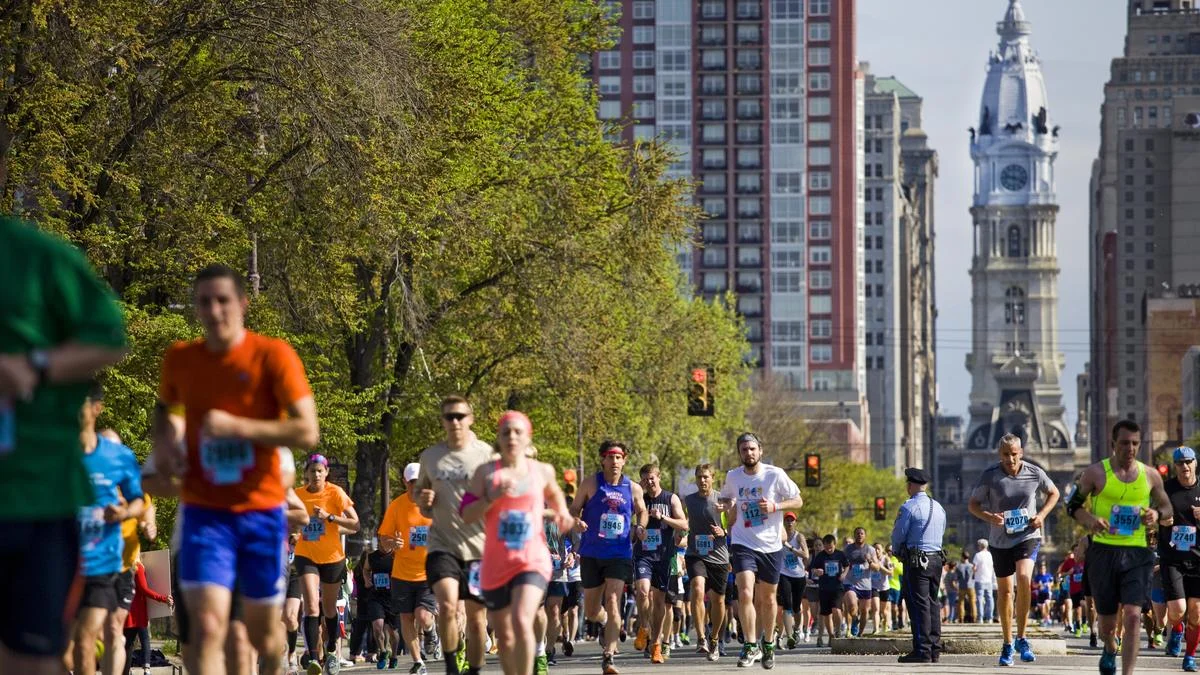
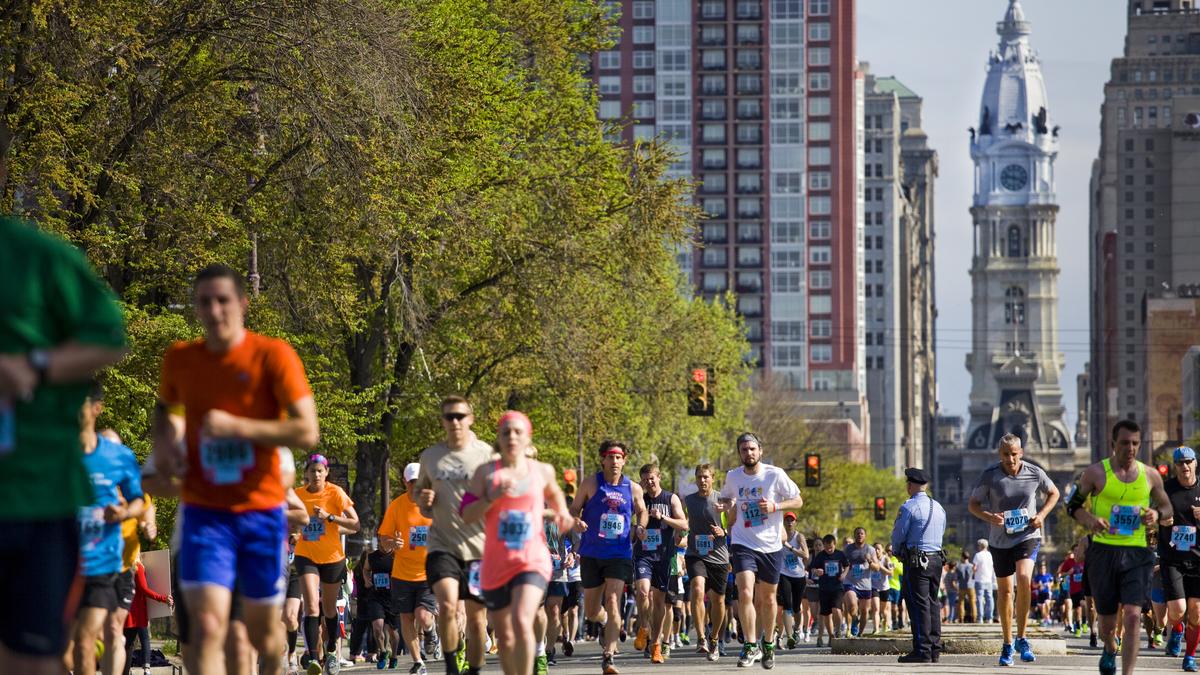
This seismic shift has not gone unnoticed by the travel and hospitality sectors. Hotels are now actively advertising their proximity to popular running routes, and travel agencies are meticulously crafting itineraries centered around major race weekends. Even airports are getting in on the action, seeking to engage travelers in unique ways. The Rajiv Gandhi International Airport in Hyderabad hosts an annual Airport Run every January, featuring 5K and 10K races that bring together both novice and seasoned athletes. Similarly, the Philadelphia International Airport offers a rare opportunity for runners to race on a tarmac, with aircraft taking off and landing on adjacent runways.
India’s Diverse Running Landscape: From Deserts to High Altitudes
While international marathons draw significant attention, India itself boasts a vibrant and diverse landscape for race-cations. February offers the unique charm of a stripped-down community marathon in Auroville, followed by the Jaisalmer Half Marathon, which winds through iconic sand dunes, majestic forts, and the vibrant desert festival. In June, runners flock to Coorg for the Bison Ultra, a challenging race set amidst the steep coffee estates. For those seeking an extreme test of endurance, the Ladakh High-Altitude Marathon, held in Leh, presents an unparalleled challenge against the backdrop of the Himalayas.
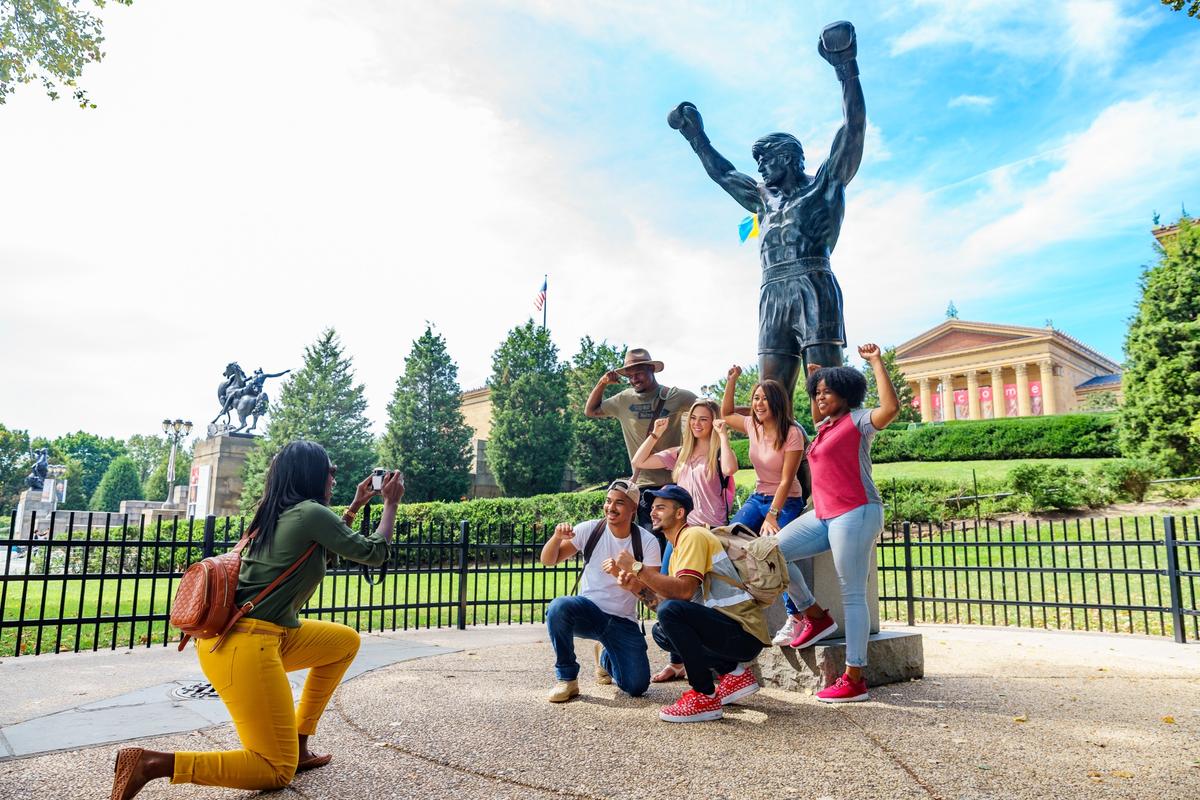
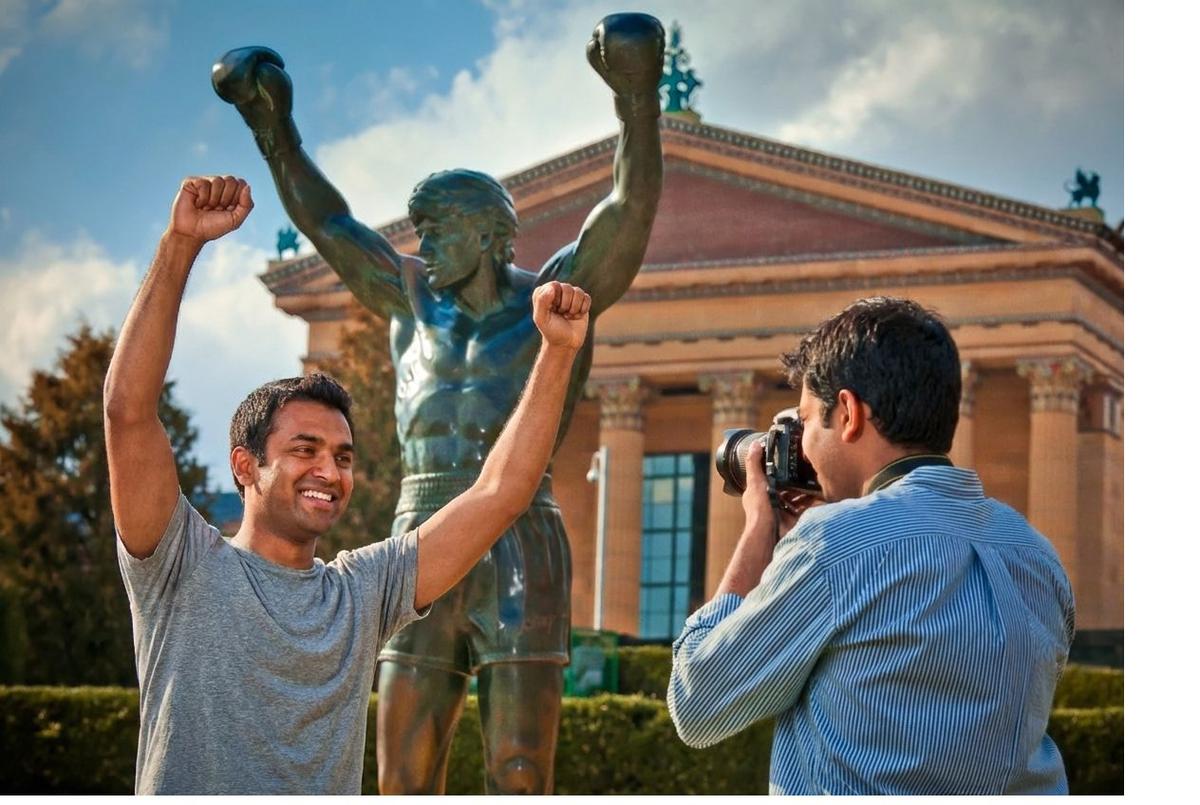
The allure of running in iconic locations is powerful. Daivik Rai, captain of the Indian indoor cricket team, recently ran the Philadelphia Marathon specifically to retrace the legendary "Rocky Steps" leading to the Philadelphia Museum of Art, a cinematic pilgrimage for film and fitness enthusiasts alike. With Philadelphia gearing up to celebrate America’s 250th Independence Day, which also marks 50 years of the "Rocky" franchise, the city is poised for an iconic marathon, further amplifying its appeal to runner-tourists.
Post-race recovery has also become an integrated part of the race-cation experience. Athletes are increasingly seen utilizing the green spaces along Philadelphia’s Benjamin Franklin Parkway for cooldowns and stretching. Sports physiotherapy clinics report a surge in bookings during marathon weeks, with many offering specialized recovery packages including ice baths, compression therapy, and gait analysis, strategically timed around race events.

The Race to Train: Commitment Beyond the Finish Line
Unlike conventional holidays, race-cations demand a significant level of commitment. Months of rigorous training, meticulous planning, and the careful balancing of work schedules and budgets are integral to the experience. Preparation typically begins between one to three months before the race, requiring discipline and dedication.
Mohammed Suhail, founder of Fit District in Bengaluru, who trains both amateur and professional endurance athletes, including celebrities like Varun Dhawan and Yash, emphasizes the lifestyle adjustments required. "I ask runners to skip bar hopping and the much-coveted buffet spreads while on a running vacation," he states. "They are advised to pack their suitcases with electrolytes and protein shakes. And still, they don’t find it restrictive." This dedication to disciplined nutrition and training, even while on vacation, underscores the seriousness with which many approach these events.
Pushing Boundaries: Extreme Environments and Mental Fortitude
While city marathons dominate the race-cation narrative, a segment of Indian runners is pushing the envelope further, venturing into extreme environments where travel, endurance, and survival converge. Ultramarathon runner Kieren D’Souza, based in Manali and known for his prowess in sub-zero conditions, embodies this cutting edge of the sport. Racing in temperatures that can plummet to -10°C and even -15°C necessitates local acclimatization and rigorous training in challenging locales like Jammu or Kashmir.
D’Souza, currently training in Ladakh for the upcoming marathon season, highlights the dual nature of these extreme races. "In races that stretch to 100 kilometers or run over 48 hours, it’s as much a mental challenge as a physical one," he explains. For him, competing in foreign territories is a profound exploration of personal limits. His most challenging and rewarding experience to date was the Yading Skyrace in China, held at an altitude of 4000 meters.
Nutrition is another critical aspect of these extreme endeavors. D’Souza elaborates, "It’s hard to get your macros in – so I end up eating a good steak on most days, full of fresh veggies and meat. I also make sure I have a lot of fruits tucked into my bags or training kits – it’s refreshing and gives me a good boost of energy."
Sahirah Oshidar emphasizes the paramount importance of mental strength, believing that daily meditation is as crucial as physical training before embarking on a new running challenge in an unfamiliar country. "I believe that running outside one’s comfort zone keeps one mentally agile," she asserts.
Kieren D’Souza also attests to the mental fortitude required, reminiscing about his first race-cation in 2015 at the CCC Marathon in the French Alps, a 100-kilometer trail race as part of the UTMB Mont Blanc festival. It was an experience that fostered a sense of comfort with solitude, away from the familiar cheers of family and friends. He believes that running, in its essence, creates a profound sense of belonging, even if temporary. "You’re keeping pace with people from all over the world," he observes. "Everyone’s struggling together. There’s a shared language, even if you don’t speak to each other."
Key Takeaways and Future Implications
The race-cation trend signifies a fundamental shift in travel motivations, prioritizing personal achievement and immersive experiences over passive sightseeing. This trend is likely to continue its upward trajectory, driven by increasing global connectivity, a growing emphasis on health and wellness, and the desire for unique, challenging adventures.
The hospitality industry, sports event organizers, and even airport authorities are actively adapting to cater to this growing demographic. We can expect to see more specialized accommodation, curated travel packages, and innovative event formats designed to appeal to the "runner-tourist." Furthermore, the "endorphin economy" is poised to become a significant driver of tourism revenue, creating new opportunities and shaping the future of travel.
For Indian athletes, race-cations offer a powerful platform for self-discovery, pushing personal boundaries, and experiencing the world through a lens of active engagement and profound connection. As more individuals embrace this holistic approach to travel and fitness, the definition of a holiday is set to be redefined, one stride at a time.
Upcoming Races to Consider for Your Next Race-cation:
- London Marathon, April 26th, 2026: Renowned as one of the world’s most popular races, attracting over 1.1 million applicants annually.
- Cape Town Marathon, May 24th, 2026: Offers a breathtaking backdrop of the dramatic Table Mountain.
- Sydney Marathon, August 30th, 2026: Part of the prestigious Majors circuit, with a route encompassing the iconic Harbour Bridge and Opera House.
- Philadelphia Marathon, November 22, 2026: This year’s race coincides with America’s 250th Independence Day celebrations, promising extensive city-wide events.
Essential Training Tips from Mohammed Suhail:
DO’s:
- Gradual Mileage Increase: Increase training mileage by up to 10% every week to build endurance safely.
- Simulate Conditions: Train in similar environmental conditions locally before attempting international circuits.
- Taper Effectively: Reduce training load 2-3 weeks before competition to allow for optimal recovery.
- Hydrate and Fuel: For runs exceeding 60-90 minutes, consume carbohydrate-electrolyte combinations.
DON’Ts:
- Race Day Novelties: Avoid trying anything new on race day, including unfamiliar gear or nutrition.
- Sun Neglect: Do not forget sun protection during long runs to prevent UV damage.
- Rest is Crucial: Never skip rest days; they are vital for muscle repair and performance enhancement.
