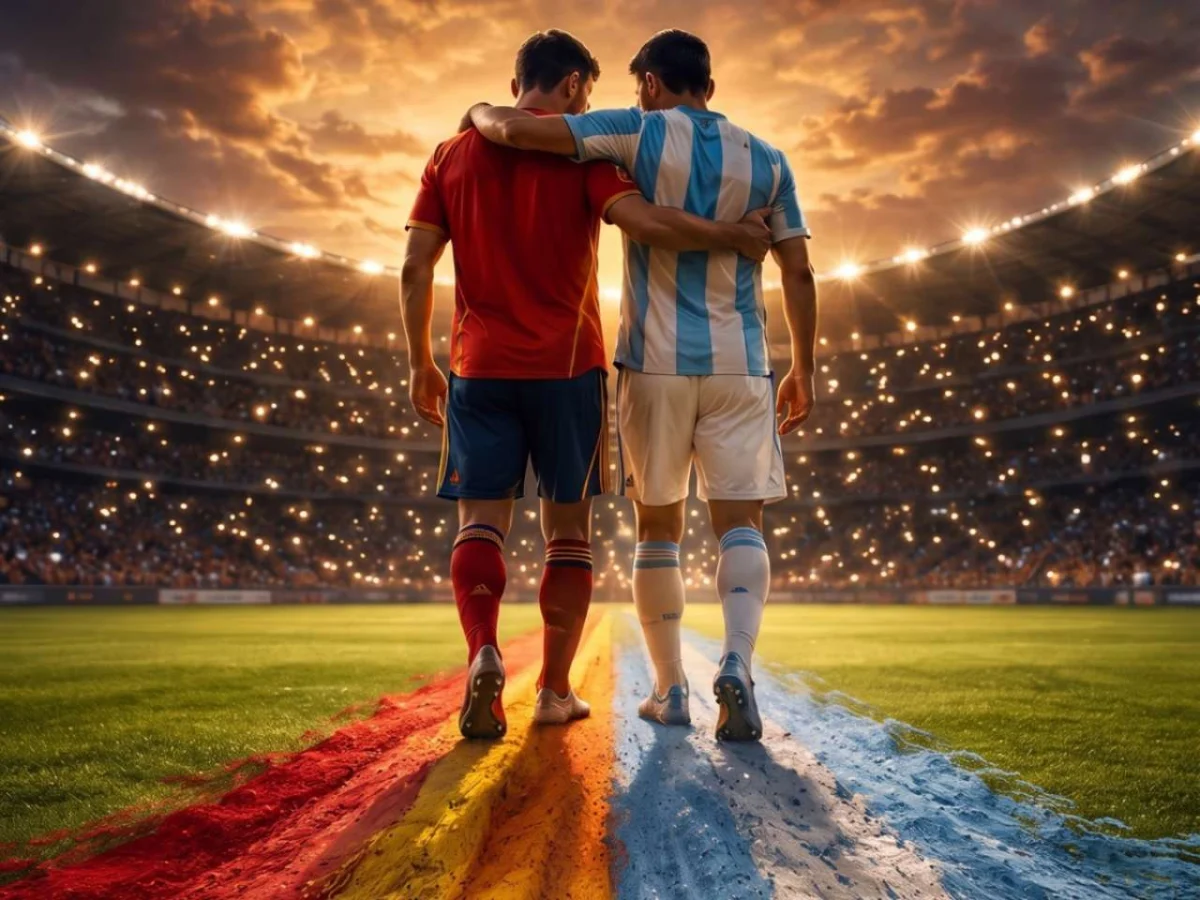
New York, USA – July 19, 2026 – The culmination of the most expansive FIFA World Cup in history is upon us. The New York New Jersey Stadium in East Rutherford, New Jersey, is poised to host a monumental final as two footballing giants, Argentina and Spain, prepare to lock horns on July 19th. This highly anticipated showdown marks the grand finale of the inaugural 48-team tournament, a landmark event co-hosted across the United States, Canada, and Mexico, signifying a new era in global footballing spectacle.
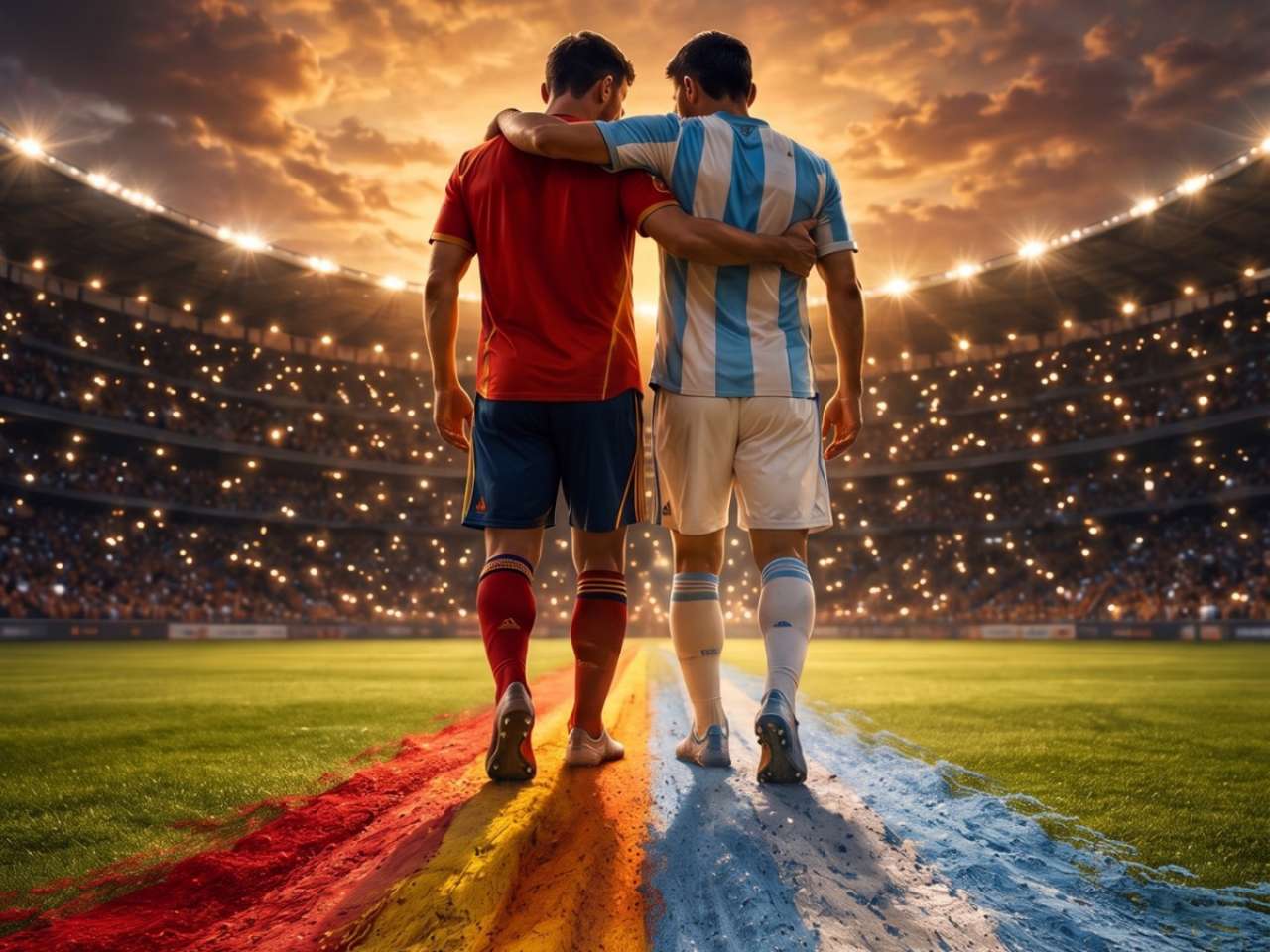
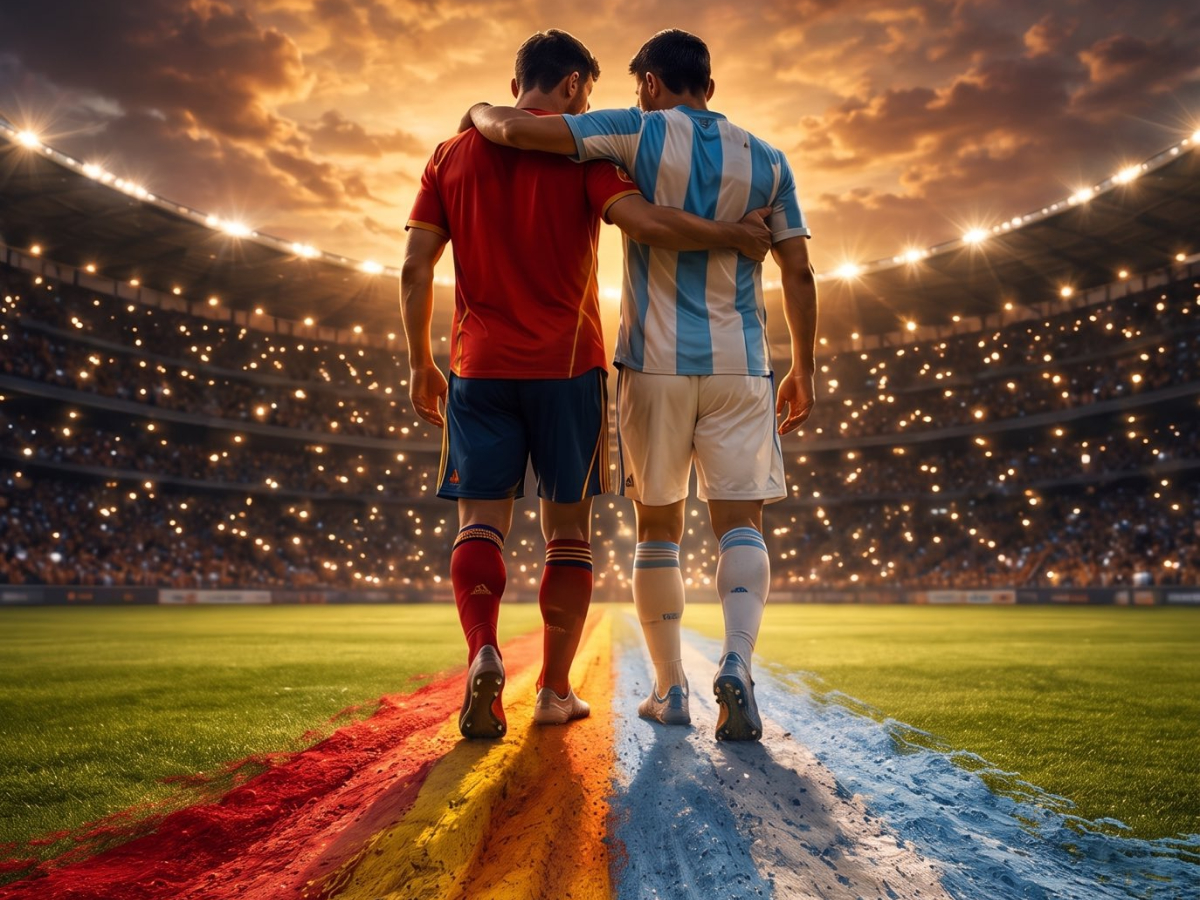
The stage is set not only for a fierce sporting contest but also for a profound display of cultural connection and mutual respect, as underscored by the heartfelt sentiments of Spanish cinematic icon Antonio Banderas. As the world turns its gaze to this historic encounter, the narrative transcends mere competition, weaving a tale of shared heritage and the unifying power of the beautiful game.
The Grand Stage: A Historic Tournament Culminates
The FIFA World Cup 2026 represents a significant evolutionary leap for the tournament, expanding its reach and inclusivity by welcoming 48 nations. This ambitious expansion, a collaborative effort by the United States, Canada, and Mexico, has promised a more diverse and globally representative footballing festival. From the opening whistle to this climactic final, the tournament has traversed vast landscapes and captivated audiences across three North American nations, fostering a unique blend of sporting fervor and cultural exchange.
The choice of the New York New Jersey Stadium, a state-of-the-art facility, as the venue for the final underscores the grandeur of the occasion. Its capacity and modern amenities are set to provide an unparalleled experience for the tens of thousands of spectators in attendance and the billions watching worldwide. This iconic stadium will etch its name in footballing history as the site where the first 48-team World Cup was decided.
)
The Road to the Final: A Tale of Two Nations
Argentina’s Ascent: Resilience and Flair
Argentina’s journey to the final has been a testament to their enduring spirit and the magical brilliance of their squad. Known for their passionate fanbase and a rich legacy of footballing excellence, La Albiceleste has navigated the challenges of the expanded tournament with characteristic grit and flair. Their path has likely been marked by a series of hard-fought victories, showcasing both tactical prowess and individual brilliance.

Throughout the group stages and knockout rounds, Argentina would have demonstrated their ability to adapt to different opponents and playing styles. The pressure of carrying the hopes of a football-obsessed nation is immense, and their progression to the final speaks volumes about their mental fortitude and the leadership within the team. Key victories, perhaps against formidable European or South American rivals, would have solidified their status as serious contenders. The performances of their star players, likely a blend of seasoned veterans and emerging talents, have undoubtedly captured the imagination of fans, propelling them towards this ultimate showdown.
Spain’s Redemption: Tactical Mastery and Youthful Promise
)
Spain’s arrival in the final signifies a resurgence for a nation renowned for its intricate passing game and tactical discipline. Following periods of rebuilding and the integration of new talent, La Roja appears to have recaptured the form that once saw them dominate the global footballing landscape. Their campaign has likely been characterized by a strong emphasis on possession-based football, intelligent movement off the ball, and clinical finishing.
The Spanish squad, a harmonious blend of experienced campaigners and a vibrant crop of young players, has demonstrated remarkable consistency. Their victories would have been built on a foundation of solid defense, creative midfield play, and a potent attacking force. The strategic acumen of their coaching staff, coupled with the individual brilliance of their players, has been crucial in navigating the demanding schedule of a 48-team World Cup. Their journey to the final has likely involved overcoming formidable challenges, showcasing their ability to execute their game plan under pressure and adapt to the diverse challenges presented by their opponents.
)
A Celebrity Endorsement: Antonio Banderas Weighs In
The anticipation for this final has transcended the sporting arena, capturing the attention of global cultural figures. Renowned Spanish actor Antonio Banderas has lent his voice to the pre-match fervor, expressing a deeply personal perspective on the impending clash. His sentiments, shared across social media platforms, highlight the unique relationship between Spain and Argentina, two nations bound by a shared language and rich cultural heritage.
Banderas, a proud Spaniard, openly champions his home country’s victory. However, his message is far from one-sided. He eloquently articulates a profound admiration for Argentina, referring to both nations as "brother peoples." This sentiment underscores a deeper connection that transcends the competitive nature of football. His plea for the final to embody friendship and mutual respect resonates powerfully, emphasizing that the true victory lies not just in the scoreline, but in the spirit of the game and the strengthening of bilateral ties.
)
Banderas’s Heartfelt Message:
In a poignant note posted on X (formerly Twitter) and Instagram, Banderas articulated his complex emotions: "Naturally, I want Spain to win, but also soccer and everything that unites our two countries. For a while, Spain and Argentina will be rivals. Afterwards they will return to being what they have always been to me: two brother peoples."
)
He further elaborated on his deep connection with Argentina, a country he feels "deeply connected" to. "I will continue to admire the immense Argentine artists with whom I have had the privilege of working, I will continue to admire their soccer players and, of course, I will continue to love my many friends from Argentina and an entire country to which I feel deeply connected," he stated.
His concluding remarks encapsulate the unifying power of sport: "Sport has that wonderful ability to pit us against each other without dividing us, to compete without ceasing to respect each other and to remind us that true victory should never belong to hate, but to admiration. May the best team win. And may we all, when the referee signals the end, celebrate something much more important than a result: the friendship between two countries that speak the same language, and the opportunity that life gives us through the good conduct of players and fans to set an example, to take pride and to make the Hispanic communities around the world shine. If it is so, we will both have won that final."
)
Banderas’s words serve as a powerful reminder of the broader implications of such a global event, promoting sportsmanship and cultural understanding on an international stage.
Supporting Data and Historical Context
The FIFA World Cup final between Argentina and Spain is not merely a single match; it is a convergence of rich footballing histories and distinct playing philosophies.
)
-
Argentina’s World Cup Pedigree: Argentina has a storied World Cup history, boasting two titles (1978 and 1986) and multiple runner-up finishes. Their passionate football culture, coupled with legendary figures like Diego Maradona and Lionel Messi, has cemented their status as one of the sport’s powerhouses. Their tactical approach often blends individual brilliance with a fiercely competitive spirit.
-
Spain’s Golden Era and Evolution: Spain experienced a golden era, winning the European Championship in 2008 and 2012, and their maiden World Cup title in 2010. Known for their "tiki-taka" style, they revolutionized modern football with their intricate passing and possession-based game. While that era has evolved, the core principles of technical proficiency and tactical intelligence remain.
)
-
Head-to-Head Encounters: While direct World Cup final clashes between these two nations are rare, their encounters in other competitions and friendly matches have often been closely contested and highly memorable. These past fixtures provide a backdrop of established rivalry and mutual respect.
-
The 48-Team Format: The 2026 World Cup’s expansion to 48 teams is a significant shift. This format has presented new challenges and opportunities, requiring greater depth in squads and potentially leading to more unpredictable matchups throughout the tournament. The final participants have navigated this expanded landscape, showcasing their adaptability and resilience.
)
Official Responses and Preparations
FIFA, along with the organizing committees of the United States, Canada, and Mexico, has been meticulously preparing for this historic final. The logistical undertaking of hosting a 48-team World Cup across three nations is immense, requiring seamless coordination between various governmental bodies, sports federations, and private entities.
-
Security and Logistics: Ensuring the safety and smooth operation of the final match is paramount. Extensive security measures, including crowd management, transportation, and emergency response protocols, have been implemented. The New York New Jersey Stadium will be a hub of activity, requiring robust logistical planning to accommodate teams, officials, media, and spectators.
)
-
Fan Experience: Organizers have focused on delivering an exceptional fan experience, both within the stadium and across the host cities. From ticketing and hospitality to fan zones and cultural events, the aim is to create a memorable and inclusive atmosphere for attendees from around the globe.
-
Broadcasting and Media: The final match will be broadcast to an estimated global audience of over a billion viewers, making it one of the most-watched sporting events on the planet. Extensive media accreditation and coverage plans are in place to ensure that fans worldwide can follow every moment of the action.
)
Implications and The Future of Football
The FIFA World Cup 2026 final between Argentina and Spain carries significant implications beyond the immediate outcome of the match.
-
Global Unity and Cultural Exchange: This tournament, with its unprecedented scale and multi-nation hosting, has fostered a unique sense of global unity and cultural exchange. The final serves as a powerful symbol of this interconnectedness, bringing together diverse populations under the shared banner of football.
)
-
Legacy of the 48-Team Format: The success of the 48-team World Cup will shape future tournament formats. Its impact on the development of football in emerging nations and the overall global appeal of the sport will be closely analyzed.
-
Hispanic Community Celebration: As highlighted by Antonio Banderas, this final holds particular significance for Hispanic communities worldwide. The shared language and cultural bonds between Argentina and Spain create an opportunity for collective celebration and pride, showcasing the vibrant influence of Hispanic culture on the global stage.
)
-
The Enduring Power of Rivalry and Respect: The Argentina vs. Spain narrative is a compelling example of how intense sporting rivalry can coexist with profound mutual respect and shared heritage. It demonstrates that competition can be a catalyst for strengthening relationships, rather than creating division.
As the whistle blows on July 19th, the world will witness not just a football match, but a testament to the beautiful game’s ability to unite, inspire, and transcend boundaries. The echoes of this historic final will undoubtedly resonate for years to come, shaping the narrative of football and celebrating the enduring spirit of sportsmanship and brotherhood.