

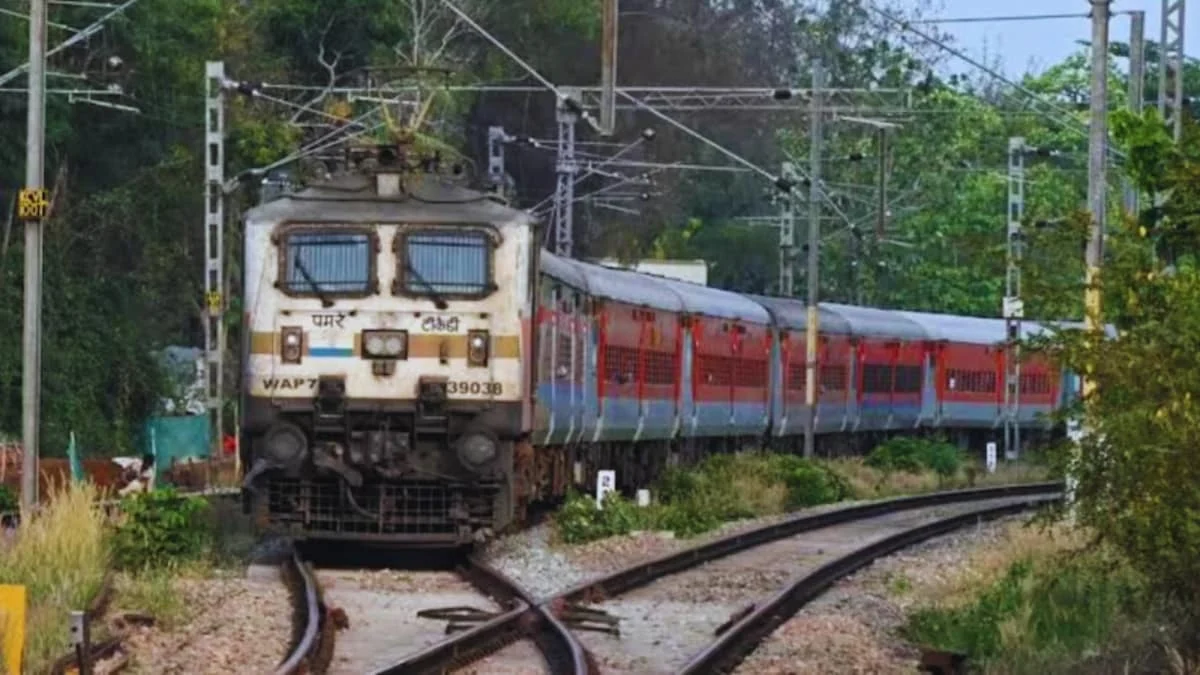
VISAKHAPATNAM – In a move destined to redefine the logistics and passenger transport landscape of Peninsular India, the South Coast Railway (SCoR) Zone officially commenced its operations on June 1, 2026. Headquartered in the port city of Visakhapatnam, this new administrative entity marks the establishment of India’s 18th railway zone. The transition represents the culmination of a decade-long demand from the people of Andhra Pradesh and signifies a strategic pivot in how the Indian Railways manages its vast network across the eastern and southern corridors.
The operationalization of SCoR is not merely an administrative reshuffle; it is a multi-billion rupee infrastructure undertaking designed to enhance port connectivity, streamline freight movement, and provide a dedicated administrative focus to one of India’s most industrially vibrant regions.
Main Facts: The Architecture of the 18th Zone
The South Coast Railway Zone has been meticulously carved out of existing jurisdictions to create a more localized and efficient management structure. Primarily taking territory from the South Central Railway (SCR) and the East Coast Railway (ECoR), the new zone is tasked with overseeing a massive network that touches Andhra Pradesh, Telangana, and parts of Tamil Nadu.
The Four Pillars of SCoR
The zone is comprised of four key divisions, each serving as a vital node in the regional economy:
- Visakhapatnam Division: Formerly a part of the Waltair Division, this unit now serves as the heart of the zone. It handles the critical industrial traffic of the Visakhapatnam-Kakinada industrial corridor.
- Vijayawada Division: One of the busiest junctions in the country, this division acts as the gateway between North and South India.
- Guntur Division: A major hub for agricultural commodities, particularly tobacco and chili exports.
- Guntakal Division: A strategic link for mineral-rich regions and a primary transit point for pilgrims heading to Tirupati.
Operational Scale and Workforce
The scale of the South Coast Railway is immense. At its launch, the zone has inherited a workforce of approximately 17,000 employees, ranging from administrative staff at the Visakhapatnam headquarters to technical engineers at various locomotive sheds. On a daily basis, the zone is expected to manage:
- Passenger Traffic: Over 500 passenger trains, including premium services like Vande Bharat Express, Rajdhani, and Shatabdi.
- Freight Traffic: Over 800 goods trains, primarily transporting coal, iron ore, fertilizers, and agricultural products.
Chronology: The Road to Visakhapatnam
The journey toward the creation of the South Coast Railway Zone has been a long and often politically charged process, rooted in the commitments made during the reorganization of the state of Andhra Pradesh.
- June 2014: The Andhra Pradesh Reorganisation Act is passed. One of the key provisions included the exploration of a separate railway zone for the successor state of Andhra Pradesh to compensate for the loss of revenue-generating assets in Hyderabad.
- February 2019: The Government of India officially announces the intent to create the South Coast Railway Zone with Visakhapatnam as its headquarters.
- January 8, 2025: Prime Minister Narendra Modi lays the foundation stone for the Zonal Headquarters in Visakhapatnam, signaling the start of physical infrastructure development.
- May 4, 2026: The Ministry of Railways issues a formal Gazette Notification under the Railways Act, 1989. This legal instrument officially sets June 1, 2026, as the "Appointed Date" for the zone to become operational.
- June 1, 2026: SCoR begins formal operations. The Visakhapatnam Division is officially inaugurated, and the Rayagada Division (under ECoR) is formed from the remaining portions of the old Waltair Division.
Supporting Data: Infrastructure and Port Connectivity
The strategic importance of the SCoR zone is best understood through its role in "Pit-to-Port" logistics. Andhra Pradesh’s long coastline is home to several of India’s most important maritime gateways. The SCoR zone is specifically designed to act as the inland nervous system for these ports.
Strategic Port Linkages
The new zone will provide direct and enhanced rail connectivity to:
- Visakhapatnam Port: One of India’s oldest and largest state-owned ports.
- Gangavaram Port: A deep-water port capable of handling massive capesize vessels.
- Kakinada Port: A vital hub for the oil and gas industry and agricultural exports.
- Krishnapatnam Port: A privately owned powerhouse in the Nellore district.
- Machilipatnam Port: An emerging gateway expected to see significant growth in the coming decade.
Technical and Maintenance Assets
To support this massive influx of traffic, the SCoR zone has been equipped with a robust maintenance ecosystem. Key facilities include:
- Locomotive Sheds: Major electric and diesel locomotive sheds are located in Vijayawada and Visakhapatnam, ensuring that the engines powering the nation’s economy are maintained to global standards.
- Wagon Maintenance Depots: These depots, crucial for the freight-heavy Guntakal and Visakhapatnam divisions, have been upgraded with automated diagnostic tools.
- Coach Care Centres: Located in Tirupati and Visakhapatnam, these centers focus on the hygiene and mechanical integrity of passenger rakes.
Official Responses: Leadership and Vision
The launch of the zone was met with widespread acclaim from state leaders and railway officials, who view this as a turning point for the regional economy.
Andhra Pradesh Chief Minister N. Chandrababu Naidu expressed his gratitude and optimism via social media. In a detailed post on X (formerly Twitter), the Chief Minister hailed the day as a "historic milestone" that fulfills a decades-old dream of the Telugu people. He emphasized that the zone would not only improve travel for the common citizen but would also serve as a "catalyst for industrialization" in North Andhra. Naidu noted that the proximity of the zonal headquarters to the port would create a "seamless multimodal logistics hub" that could attract global investment.
Ministry of Railways Spokespersons highlighted the administrative logic behind the move. They noted that the creation of the 18th zone follows the principle of "minimum government, maximum governance." By decentralizing the power from Bhubaneswar (ECoR) and Secunderabad (SCR), the new Visakhapatnam-based administration can respond more rapidly to local demands for new train services, station upgrades, and safety improvements.
Local trade bodies, including the Visakhapatnam Chamber of Commerce, welcomed the move, stating that having a General Manager (GM) stationed in Visakhapatnam would drastically reduce the bureaucratic hurdles previously faced by exporters and importers when coordinating with the railways.
Implications: What This Means for the Future
The establishment of the South Coast Railway Zone carries profound implications for passengers, the economy, and the national railway strategy.
1. Passenger Empowerment and Localized Scheduling
Previously, many decisions regarding train timings and new routes in Andhra Pradesh were made by zonal offices in other states. With SCoR, the administrative focus is squarely on the needs of the local population. This is expected to lead to:
- Better synchronization of local "passenger" trains with long-distance expresses.
- Faster approval for "Special Trains" during festival seasons like Sankranti and Dussehra.
- Enhanced focus on the "Station Redevelopment Program," with Visakhapatnam, Vijayawada, and Tirupati slated to become "World-Class" railway hubs.
2. Economic Growth and Job Creation
The presence of a Zonal Headquarters brings with it a significant influx of high-level administrative activity. This typically spurs real estate growth and the service sector in the host city. Furthermore, the 17,000-strong workforce provides a stable economic base for the region. As the zone expands, new recruitment drives for technical and non-technical staff are expected to provide employment opportunities for the local youth.
3. Freight Efficiency and Revenue
The SCoR zone is expected to be one of the highest revenue-generating zones for Indian Railways. By streamlining the movement of coal from the hinterland to the ports and vice versa, the zone will play a critical role in India’s energy security. The "Visakhapatnam Division" alone is a powerhouse of freight earnings, and under the new zonal structure, these earnings can be more effectively reinvested into local track doubling and electrification projects.
4. The Rayagada Factor
The reorganization also led to the creation of the Rayagada Division under the East Coast Railway. This ensures that the tribal and mineral-rich belts of Southern Odisha receive dedicated administrative attention, proving that the benefits of this reorganization extend beyond the borders of Andhra Pradesh.
5. Addressing the Logistics Cost
India aims to reduce its logistics cost from roughly 14% of GDP to under 10%. The SCoR zone, with its heavy emphasis on port-rail integration, is a direct contribution to this national goal. Efficient rail movement reduces the reliance on road transport, thereby lowering carbon emissions and reducing the cost of doing business.
Conclusion
The inauguration of the South Coast Railway Zone on June 1, 2026, is a landmark event that bridges the gap between historical promises and modern administrative requirements. As the 18th zone of the Indian Railways, SCoR stands as a testament to the country’s commitment to upgrading its infrastructure to match its global economic ambitions. For the travellers of Vijayawada, the industries of Visakhapatnam, and the pilgrims of Guntakal, the new zone promises a future of faster, safer, and more efficient connectivity.
