

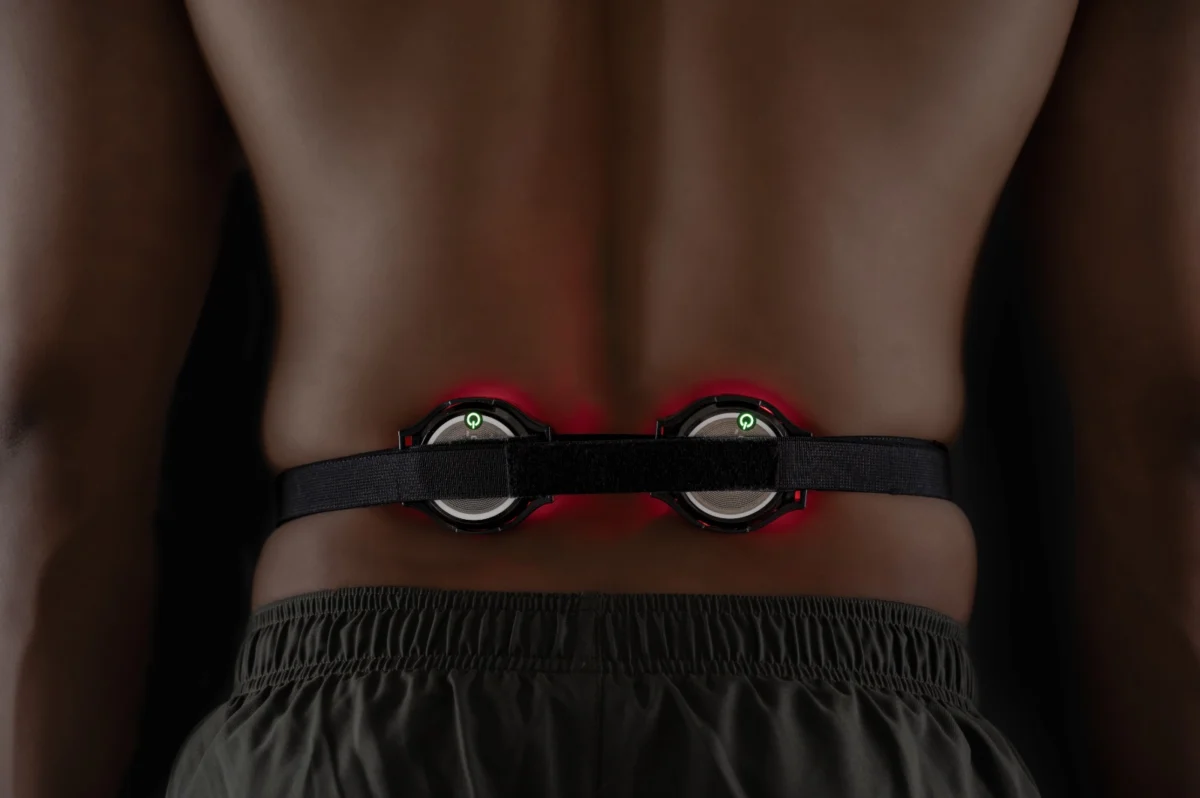
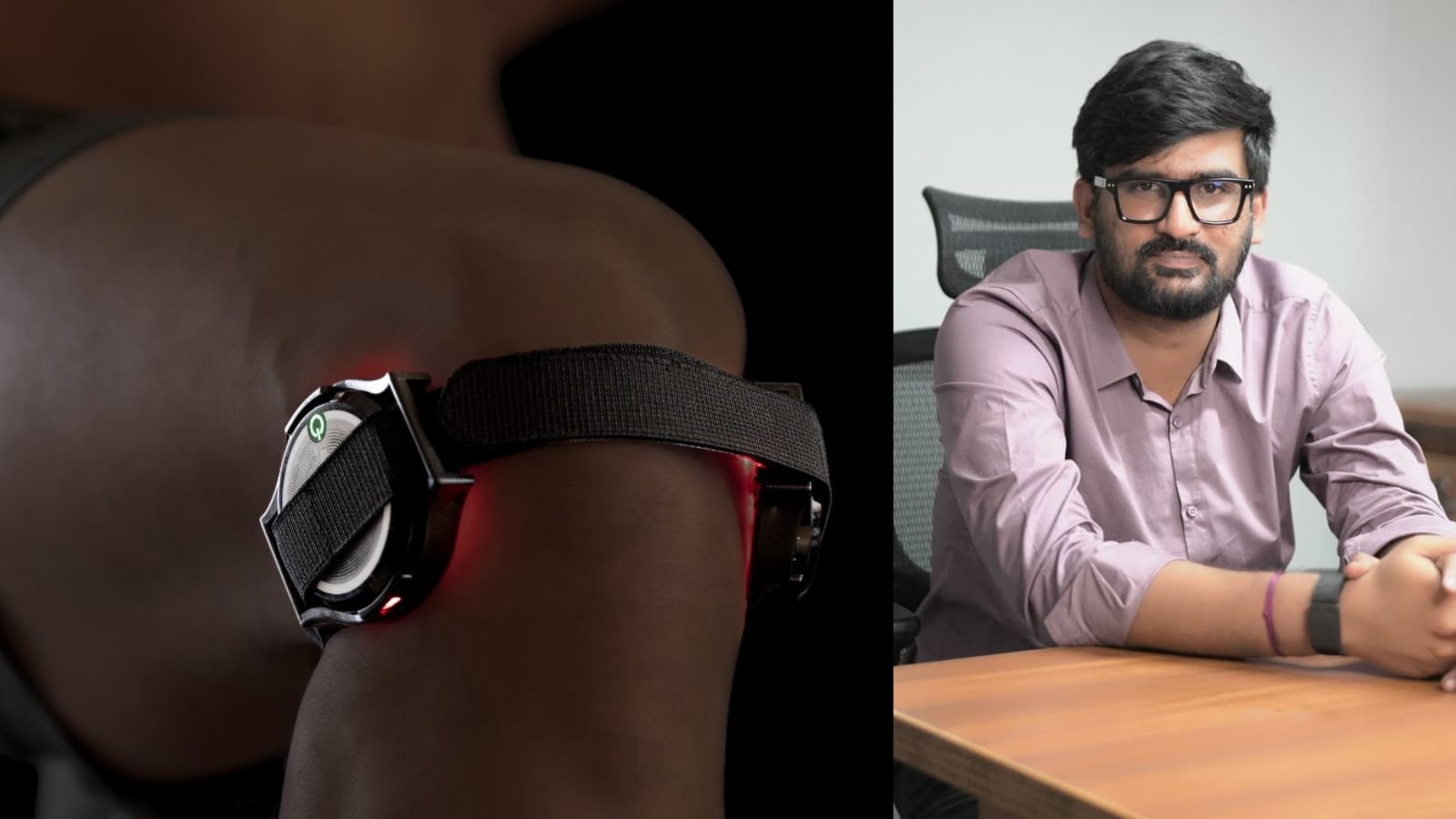
Hyderabad, India – The debilitating grip of chronic pain affects millions worldwide, often leading to a diminished quality of life and a heavy reliance on symptomatic relief. For Surya Maguluri, co-founder and CTO of the Hyderabad-based med-tech startup Litemed, this pervasive challenge hit close to home, sparking an innovation that is now transforming how individuals manage their persistent discomfort. His mother’s agonizing struggle with knee pain became the deeply personal catalyst for the development of Curapod, a compact, wearable light-therapy device designed to offer non-invasive, daily relief.
From Family Struggle to Foundational Innovation
Maguluri vividly recalls the early days of his mother’s pilgrimage journeys. "I remember when my mother and her friends went on a pilgrimage," he recounts, the memory still poignant. "While everyone else walked around easily, my mother could only join them later in the day because she was in so much pain. It kept getting worse to the point where she couldn’t climb stairs and had to rely entirely on the elevator." This profound experience, witnessing a loved one’s mobility and independence erode under the weight of unrelenting pain, ignited a fierce determination in Maguluri. It wasn’t merely a problem to be solved; it was a personal mission to restore comfort and freedom.
This firsthand encounter with severe, chronic knee pain laid the emotional and intellectual groundwork for Curapod. Driven by a desire to alleviate his mother’s suffering and prevent others from enduring similar plights, Maguluri, alongside co-founder Sriram Velliyur, embarked on a journey to create a sustainable, effective, and accessible solution. Their vision crystallized into Litemed, a startup poised to make significant inroads in the burgeoning med-tech sector.
Curapod: A Beacon of Hope in Pain Management
Curapod represents a significant leap forward in personal pain management. Eschewing the traditional reliance on pharmaceuticals, the device leverages advanced light therapy to stimulate the body’s natural healing mechanisms. In a remarkably short span of 12 to 15 months, Litemed has already achieved significant milestones, having sold over 30,000 Curapod units. This impressive market penetration translates into more than 200,000 recorded pain management sessions, underscoring the device’s rapid adoption and the urgent demand for alternative pain relief solutions.
The success of Curapod is not just a commercial triumph; it signifies a tangible improvement in the lives of thousands. For many, it offers a pathway to reduced pain, increased mobility, and a return to daily activities that chronic discomfort had previously rendered impossible. The device’s ease of use and portability mean that effective pain management is no longer confined to clinical settings but can be seamlessly integrated into a user’s everyday routine.
The Genesis and Evolution of Litemed’s Vision
While his mother’s plight was the initial spark, Surya Maguluri’s perspective broadened considerably as he delved deeper into the pervasive issue of chronic pain. His Doctor of Pharmacy degree from Jawaharlal Nehru Technological University provided him with a strong understanding of medical science, but it was the human stories that truly reshaped his approach.
Understanding the Ubiquity of Chronic Discomfort
Maguluri’s initial motivation to create a solution for his mother’s pain quickly evolved into a broader understanding of the societal impact of chronic discomfort. "For a person who stands for six to ten hours a day, it creates a lot of pressure on the knees," he told indianexpress.com, highlighting the plight of various professionals. "A lot of corporate employees also have to sit for long hours, which impacts their backs and overall well-being. These stories told me enough about how we could transform the pain management industry. That was the first step in the thought process of bringing Curapod to the market."
This realization underscored the vast and underserved market for effective, non-pharmacological pain relief. From factory workers and retail staff who spend long hours on their feet, to office professionals tethered to their desks, the modern lifestyle presents numerous challenges that contribute to chronic musculoskeletal pain. Maguluri observed a common, yet problematic, coping mechanism: "With chronic pain, many people simply suppress the symptoms by taking a painkiller and continue with their daily activities. Many people don’t realise what this is actually doing to their bodies over time, and because pain medication is so easily accessible, many people rely on it without fully understanding the long-term consequences." This insight became a core tenet of Litemed’s mission: to offer a safe, sustainable alternative that addresses pain without the cumulative risks associated with prolonged pharmaceutical use.
Reimagining Wearable Technology for Therapeutic Impact
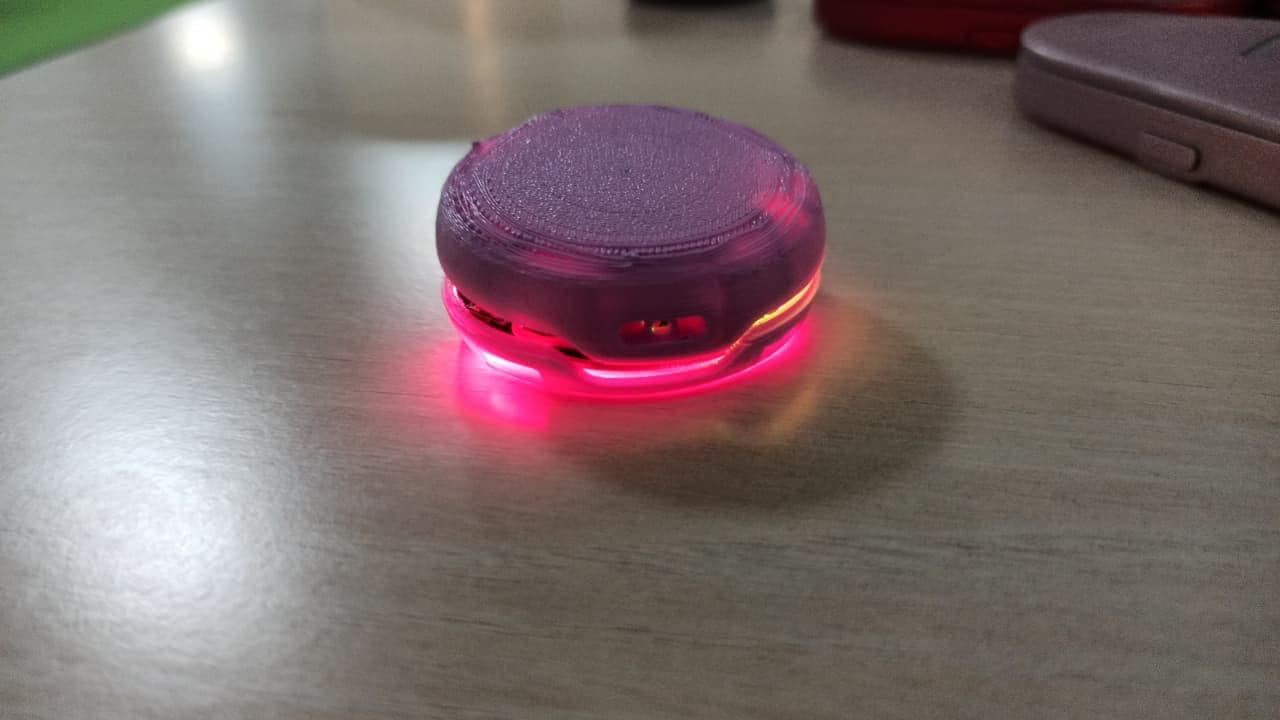
The journey to developing Curapod was an iterative process, marked by continuous refinement and a keen eye on user experience. Maguluri, 31, describes Curapod as a compact, light-based device designed for safe, daily relief from chronic pain without adverse side effects. However, its current sleek form factor was not its original iteration. "Initially, we developed a much bulkier device and tested it with users," he explained. "The feedback we received was that it wasn’t comfortable to wear, and a lot of light was leaking. We then tweaked the optical design, made the device smaller, and improved the way the light was dispersed." This commitment to user-centric design was crucial in evolving Curapod into the discreet and effective device it is today, measuring just 4.8 cm in diameter, roughly the size of a five-rupee coin.
Maguluri drew inspiration from the pioneering work of companies like Fitbit, which revolutionized the wearable technology market long before major tech giants entered the fray. Fitbit’s success lay in making fitness tracking mainstream, transforming how people engaged with their personal health data. Litemed aims to achieve a similar paradigm shift in the therapeutic space. "Just as Fitbit, Apple, and more recently Whoop have made people more conscious of their health through wearable technology, Curapod aims to achieve something similar in the therapeutic space," Maguluri affirmed. "We are creating a device within the same wearable ecosystem, allowing people to use the product themselves and directly experience its benefits." This philosophy underpins Curapod’s design and market positioning, striving to empower individuals with an accessible, self-administered tool for managing their chronic pain effectively and conveniently.
Unpacking Curapod: Science, Safety, and Statistics
Curapod’s effectiveness stems from a well-established scientific principle, meticulously engineered into a user-friendly device. Its development journey was characterized by rigorous testing and a steadfast commitment to safety, culminating in widespread adoption across diverse demographics.
The Power of Photobiomodulation (PBM)
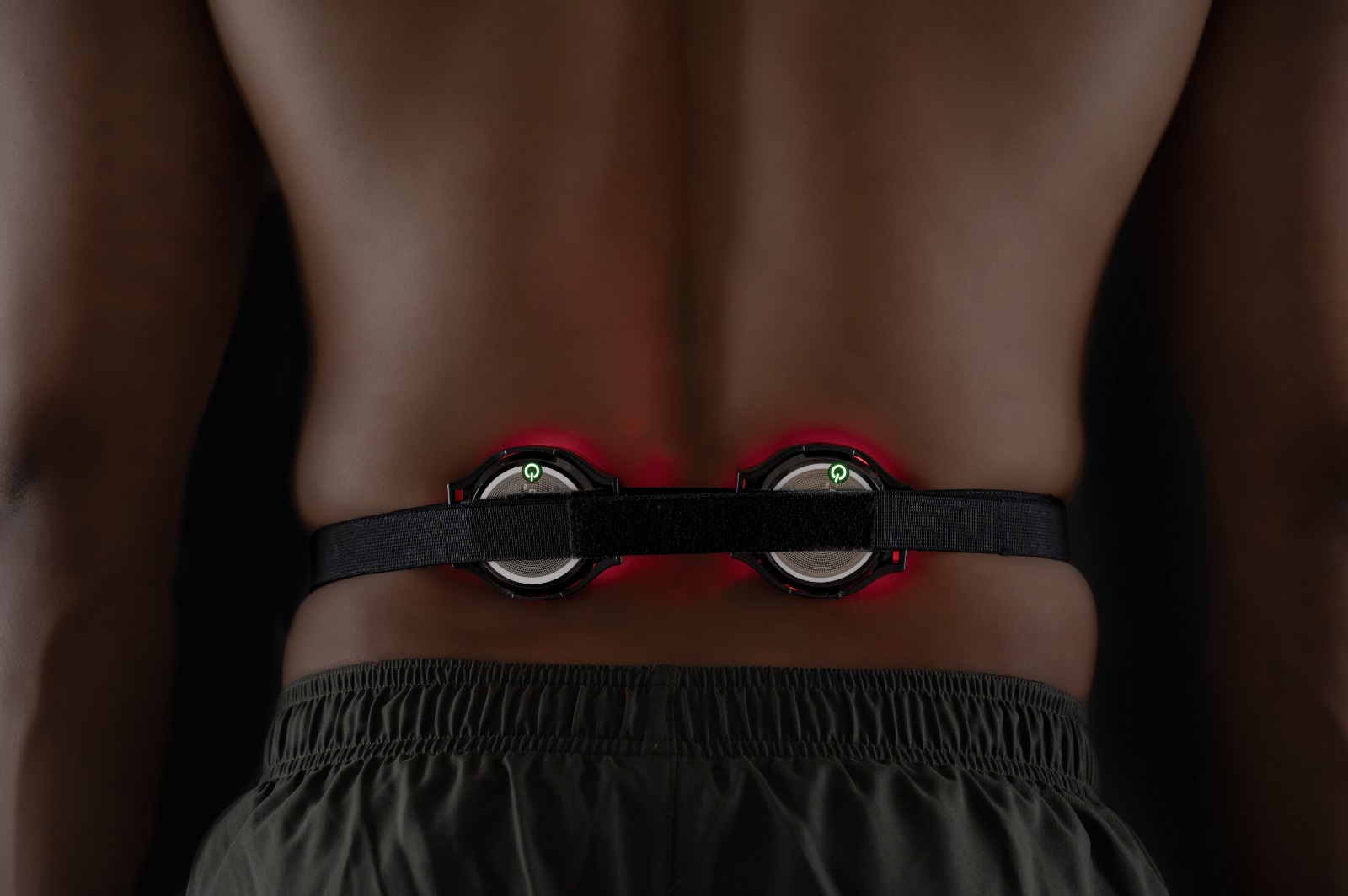
At the heart of Curapod’s therapeutic action is Photobiomodulation (PBM), a non-invasive technique that harnesses the power of specific wavelengths of light to stimulate the body’s natural healing processes. PBM therapy works by shining red LED light on an affected area of the body for a short, controlled period. This low-level light energy penetrates injured or inflamed tissues, where it is absorbed by chromophores within the cells. This absorption triggers a cascade of physiological responses, including increased cellular metabolism and energy production.
Crucially, the light helps to improve microcirculation and blood flow in the targeted area. Enhanced blood flow is vital for delivering oxygen and nutrients to damaged tissues and for removing metabolic waste products. This improved cellular environment, in turn, helps to significantly reduce inflammation, a primary driver of chronic pain. By mitigating inflammation and promoting cellular repair, PBM effectively lowers pain levels and can even accelerate the healing of wounds.
Maguluri claims that a single 30-minute Curapod session can offer up to 60 per cent relief for common chronic conditions such as arthritis, sciatica, and frozen shoulder. The device is designed with user safety and optimal dosage in mind, automatically shutting off after each 30-minute session to prevent overuse. Each full charge provides enough power for two such sessions, offering a total of 60 minutes of therapeutic use.
It is critical to understand Curapod’s role within a broader healthcare strategy. As Maguluri explicitly states, Curapod is a pain relief device, not a cure, nor is it intended as a replacement for comprehensive medical treatment. Users are strongly advised not to discontinue ongoing physiotherapy or prescribed medication. Instead, Curapod is positioned as a "complementary therapy," designed to work in conjunction with existing treatments, with the ultimate goal of reducing dependence on painkillers and enhancing overall recovery.
Rigorous Development and Unwavering Commitment to Safety
The journey from concept to market for Curapod was extensive, spanning one and a half to two years, beginning in 2022 and culminating in its commercial launch in 2024. This period was dedicated not only to design and prototyping but also to extensive clinical trials and securing robust regulatory approvals. Curapod underwent an impressive seven safety certifications before its market introduction, a testament to Litemed’s commitment to patient well-being and product reliability.
The device is officially classified as a "medical device" and holds registration with India’s Central Drugs Standard Standard Control Organisation (CDSCO), the national regulatory body for pharmaceuticals and medical devices. This classification ensures that Curapod meets stringent quality and safety benchmarks. Furthermore, it boasts multiple international safety certifications, including IEC 62471 for photobiological safety, ensuring that the light emitted is safe for human exposure. It also complies with biocompatibility standards, meaning the materials used are safe for contact with the human body, and adheres to domestic electronics safety standards (IEC 60601-1). Maguluri assures users that while slight redness on the skin might occasionally occur, it typically subsides within 24 to 30 minutes, indicating the device’s benign interaction with the skin.
Beyond its physical form, Curapod integrates smart technology to enhance user experience and track progress. The device can be operated both manually and via a dedicated application. This app allows users to track the number of sessions they’ve completed and, importantly, to record and monitor their pain scores over time. While the data, such as pain levels, needs to be manually entered by the user, this feature empowers individuals to actively participate in their pain management journey, observing trends and understanding the efficacy of the therapy firsthand.
Market Penetration and User Demographics
Retailing for Rs 8,399 in India, Curapod has found a receptive audience, particularly among those grappling with chronic pain in their later years. The device is primarily targeted at individuals aged 45 and above, a demographic that frequently experiences age-related joint and musculoskeletal issues. A significant insight from Litemed’s sales data reveals that 60 per cent of Curapod customers are women over 60, strongly indicating the higher prevalence of joint pain and knee issues among older women in India. This demographic trend underscores a critical public health challenge that Curapod is directly addressing.
However, the user profile extends beyond senior citizens. The device has also gained popularity among corporate workers aged 35 and above, who often experience back pain and other musculoskeletal problems due to prolonged hours of sitting or standing, impacting their overall well-being. Interestingly, Maguluri noted a surprising trend: usage of Curapod is also higher among men aged 30 to 45, suggesting that chronic pain is not solely an age-related concern but also a lifestyle-driven challenge affecting younger working professionals.
A distinct pattern has emerged concerning the buyer profile versus the user profile. In most cases, the actual buyers of Curapod units are sons and daughters, purchasing the device as a thoughtful and practical gift for their parents or grandparents, reflecting a growing awareness and concern for elderly care within families.
Litemed has also established a robust customer engagement model to ensure users maximize the benefits of Curapod. Once a purchase is made, a company representative arranges a virtual demonstration, guiding the customer through the device’s functionalities and proper usage. This is followed by a check-in after one week to address any initial queries or concerns. Approximately a month later, the company again reaches out to assess the user’s product usage and satisfaction, fostering a supportive relationship with its customer base.
Leadership Insights and Strategic Direction
Surya Maguluri’s leadership is characterized by a blend of scientific acumen, entrepreneurial drive, and a deep empathy for the patient experience. His strategic insights are shaping not only Litemed’s trajectory but also contributing to the broader evolution of India’s med-tech landscape.
Addressing the Pitfalls of Conventional Pain Relief
Maguluri is a vocal proponent of moving beyond the conventional, often temporary, solutions for chronic pain. His observations about widespread reliance on painkillers underscore a critical public health issue. "Many people don’t realise what this is actually doing to their bodies over time, and because pain medication is so easily accessible, many people rely on it without fully understanding the long-term consequences," he reiterates. This reliance can lead to a host of problems, including side effects, tolerance, and even addiction, without addressing the underlying causes of pain.
Curapod, therefore, is not just a device; it’s part of a philosophy that advocates for proactive, non-pharmacological interventions. By offering a safe, daily relief mechanism, Litemed aims to empower individuals to take control of their pain management, potentially reducing their dependence on medications that merely mask symptoms. The emphasis on Curapod as a "complementary therapy" alongside physiotherapy and other medical advice is crucial, promoting a holistic approach to chronic pain.
Forging a Path in India’s Med-Tech Landscape
Litemed’s operational strategy is firmly rooted in the "Make in India" initiative, with Curapod being entirely designed and manufactured at the company’s state-of-the-art factory in Hyderabad. This localized approach has offered distinct advantages. "During the selection of components and development, we did face some issues related to design aspects," Maguluri admits, acknowledging the initial challenges inherent in any innovative hardware development. "But while scaling up, we haven’t faced issues because the entire electronics distribution ecosystem in India is extremely well developed." This robust domestic supply chain has been instrumental in Litemed’s ability to scale production efficiently.
Maguluri highlights the iterative nature of product development, stating that his team simultaneously developed the prototype alongside the entire production and validation process, including PCB assembly and testing. This integrated approach allowed for continuous problem-solving and refinement. "It’s a constant evolution," he notes, projecting a confident outlook for the nation’s manufacturing prowess. "In the next one or two years, you can expect the best manufactured electronics devices from India." This vision extends beyond Litemed, positioning India as a global leader in high-quality electronics and medical device manufacturing.
Litemed operates primarily as a direct-to-consumer (D2C) brand, with Curapod sold directly through the company’s website. However, recognizing the importance of diverse distribution channels, the company has strategically expanded its reach. A small pilot program has been initiated to sell Curapod through an online marketplace, broadening its digital footprint. Furthermore, Curapod is now available through established retail chains like Apollo Pharmacy, enhancing its accessibility to a wider consumer base.
Beyond direct sales, Maguluri is keen on strengthening Litemed’s B2B sales focus. Strategic partnerships are key to this expansion. The company’s association with PhysioPlus, a network encompassing over 1,000 physiotherapy centers across India, is a prime example. This collaboration positions Curapod as a valuable tool for physiotherapists to recommend to their patients, integrating it into professional pain management protocols. Litemed is also actively working with elder care centers, such as Khyaal, a premier digital club and physical community for senior citizens in India, ensuring that innovative pain relief reaches those who need it most within structured care environments.
Nurturing Talent and Manufacturing Excellence in Hyderabad
Contrary to the perception that India can be a challenging market for startups, Maguluri holds a distinctly optimistic view, particularly concerning the ecosystem in Hyderabad. He credits institutions like T-Hub, a leading incubator that offers crucial funding, mentorship, and exposure, for significantly accelerating Curapod’s development. Hyderabad itself is rapidly emerging as a dynamic hub for startups and a preferred destination for major American tech companies expanding their campuses and Global Capability Centers (GCCs).
This vibrant ecosystem has also ensured a steady supply of skilled talent for Litemed. Maguluri emphasizes that he has faced no challenges in finding the right talent in Hyderabad. The company employs over 60 people, many of whom hold BTech and MTech degrees, with an average age group between 28 and 29. Litemed has a unique approach to talent development: "What we do is let every product development person first work at the factory and then move them into product development, because that’s when they understand exactly what we are trying to build," he explains. This hands-on, foundational experience ensures that the engineering team possesses a deep practical understanding of the product from conception to production.
Looking ahead, Maguluri confirms that there are no immediate plans to raise additional funds. The current focus remains squarely on scaling existing operations and consolidating market presence before pursuing major future funding rounds, indicating a confident and self-sufficient growth trajectory.
Shaping the Future of Pain Management and Med-Tech Innovation
Litemed’s journey with Curapod is not just about a single product; it’s emblematic of a larger shift in healthcare, embracing technology for proactive well-being and positioning India as a leader in medical device innovation.
Beyond Relief: A Shift Towards Proactive Well-being
The med-tech ecosystem is experiencing unprecedented growth, and the evolution of health wearables and devices is creating fertile ground for innovative startups like Litemed. Maguluri draws a parallel with continuous glucose monitoring (CGM) devices, which have revolutionized diabetes care by transforming it from a complex diagnostic challenge into a manageable lifestyle condition. He firmly believes that pain management is on a similar trajectory, rapidly emerging as a fast-growing market ripe for disruption.
This shift signifies a move from reactive treatment to proactive management. Wearable therapeutic devices like Curapod empower individuals to monitor and manage their conditions daily, fostering a greater sense of agency over their health. The ability to track pain scores and session frequency via an app, even with manual data entry, provides valuable insights that can inform personal care routines and discussions with healthcare providers. This continuous engagement with one’s health data is key to preventing escalation of pain and promoting long-term well-being.
Global Aspirations and Continuous Innovation
Litemed’s ambitions extend far beyond the Indian subcontinent. In the coming months, the company has concrete plans to launch Curapod in the highly competitive US and European markets. A small pilot program in the US is slated for this year, with a full-scale launch targeted for the next financial year. This expansion involves navigating stringent regulatory landscapes, with the company currently undergoing the necessary certification formalities in the US. This global outreach underscores Litemed’s confidence in Curapod’s efficacy and its potential to address chronic pain on an international scale.
Innovation at Litemed is not static. Like smartphones and other connected devices, Maguluri envisions Curapod undergoing continuous upgrades and iterations over time. Research and development for the next version are already underway internally, although details remain under wraps. This commitment to ongoing R&D ensures that Curapod will evolve with technological advancements and user feedback, maintaining its position at the forefront of wearable light therapy. The potential for future versions could include enhanced connectivity, more sophisticated data analytics, or even integration with other health monitoring systems, further solidifying its role in a holistic health ecosystem.
India’s Ascendance in Medical Device Manufacturing
Litemed’s success story serves as a powerful testament to India’s burgeoning capabilities in medical device manufacturing and innovation. Maguluri’s positive outlook on India as a market for startups, despite common perceptions of difficulty, highlights the supportive ecosystem fostered by initiatives like T-Hub and the growing infrastructure in cities like Hyderabad. The ability to design, develop, and manufacture a high-quality medical device entirely within India not only bolsters the "Make in India" vision but also demonstrates the country’s potential to become a global hub for med-tech.
The company’s model of training product development personnel directly on the factory floor is an innovative approach to talent development, ensuring a deep understanding of manufacturing processes and quality control. This holistic approach, combined with a skilled and youthful workforce, positions Litemed and similar Indian startups to drive future advancements in healthcare technology. As India continues to invest in its manufacturing and R&D capabilities, the global market can expect to see an increasing number of sophisticated, high-quality medical devices emerging from the subcontinent, truly transforming patient care worldwide.
