

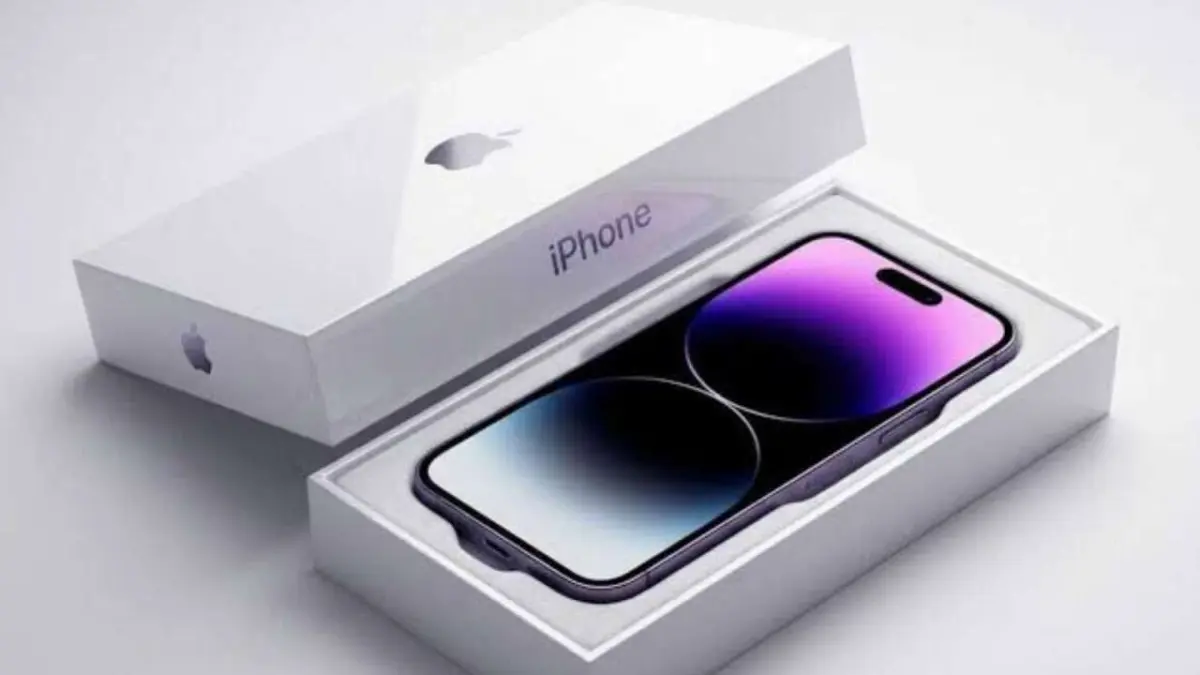
Cupertino, California – October 9, 2026 – Apple, the global technology titan, is reportedly facing an unexpected slowdown in demand for its latest premium smartphone offerings. Just weeks after their highly anticipated September launch, the company has allegedly instructed its suppliers to significantly reduce component orders for the iPhone 15 Pro and iPhone 15 Pro Max. This development, first highlighted by Nikkei Asia, signals potential challenges for Apple’s high-end strategy amidst a confluence of rising costs and a global economic deceleration.
Main Facts
Reports indicate that Apple has requested a reduction in component production ranging from 15 to 20 percent for the iPhone 15 Pro and iPhone 15 Pro Max, specifically for the month of October. This move comes swiftly after the devices’ debut, suggesting that initial sales projections may not be materializing as anticipated. The primary drivers behind this reported adjustment are twofold: the higher price points of the new Pro series, which may be testing consumer willingness to spend, and the escalating global costs of memory chips, which are impacting manufacturing expenses and subsequently, retail prices.
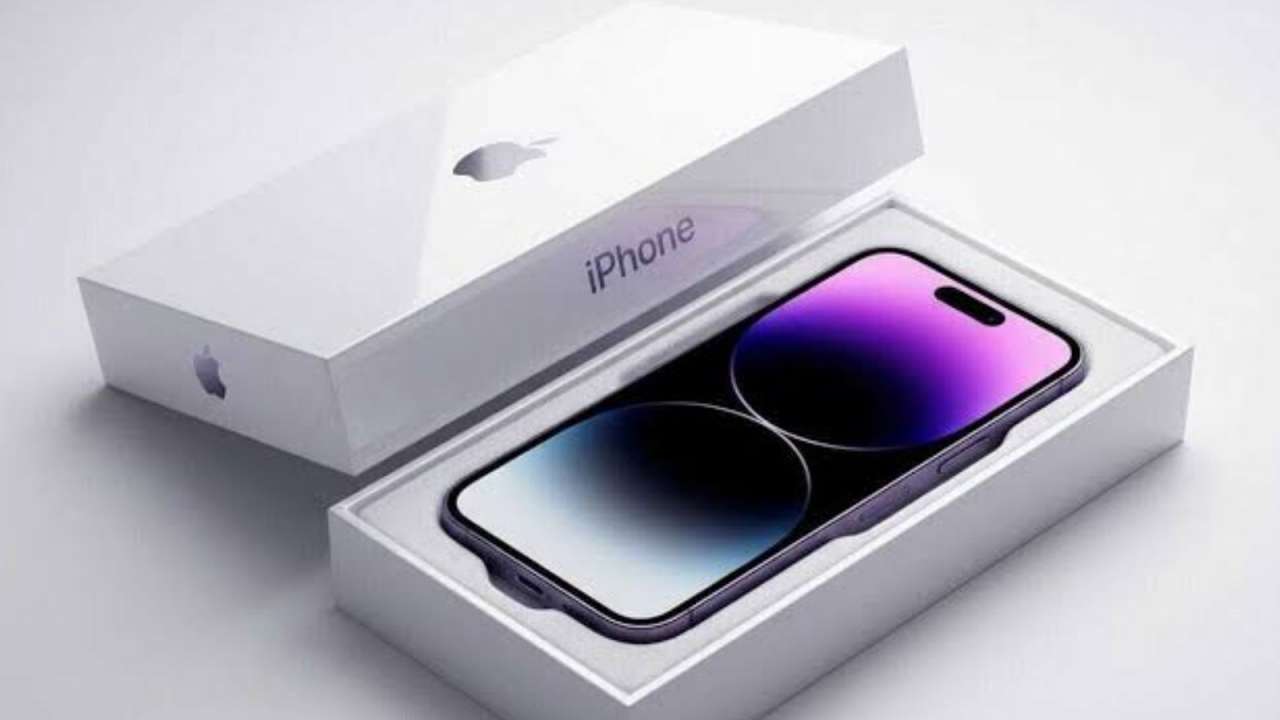
The iPhone 15 Pro series, despite its technological advancements, carries a premium price tag. In India, the Pro model starts at Rs 1,64,900, while the Pro Max begins at Rs 1,79,900. In the United States, prices saw a notable $100 increase compared to last year’s models. This upward trend in pricing, coupled with broader economic uncertainties, appears to be contributing to a more cautious consumer landscape. UBS analysts have observed a decrease in average waiting times for the iPhone 15 Pro in over 30 markets globally, a metric that typically suggests either an improvement in supply chain efficiency or, more concerningly, a softening of consumer demand.
Chronology
Pre-Launch Hype and Anticipation (Early 2026 – September 2026)
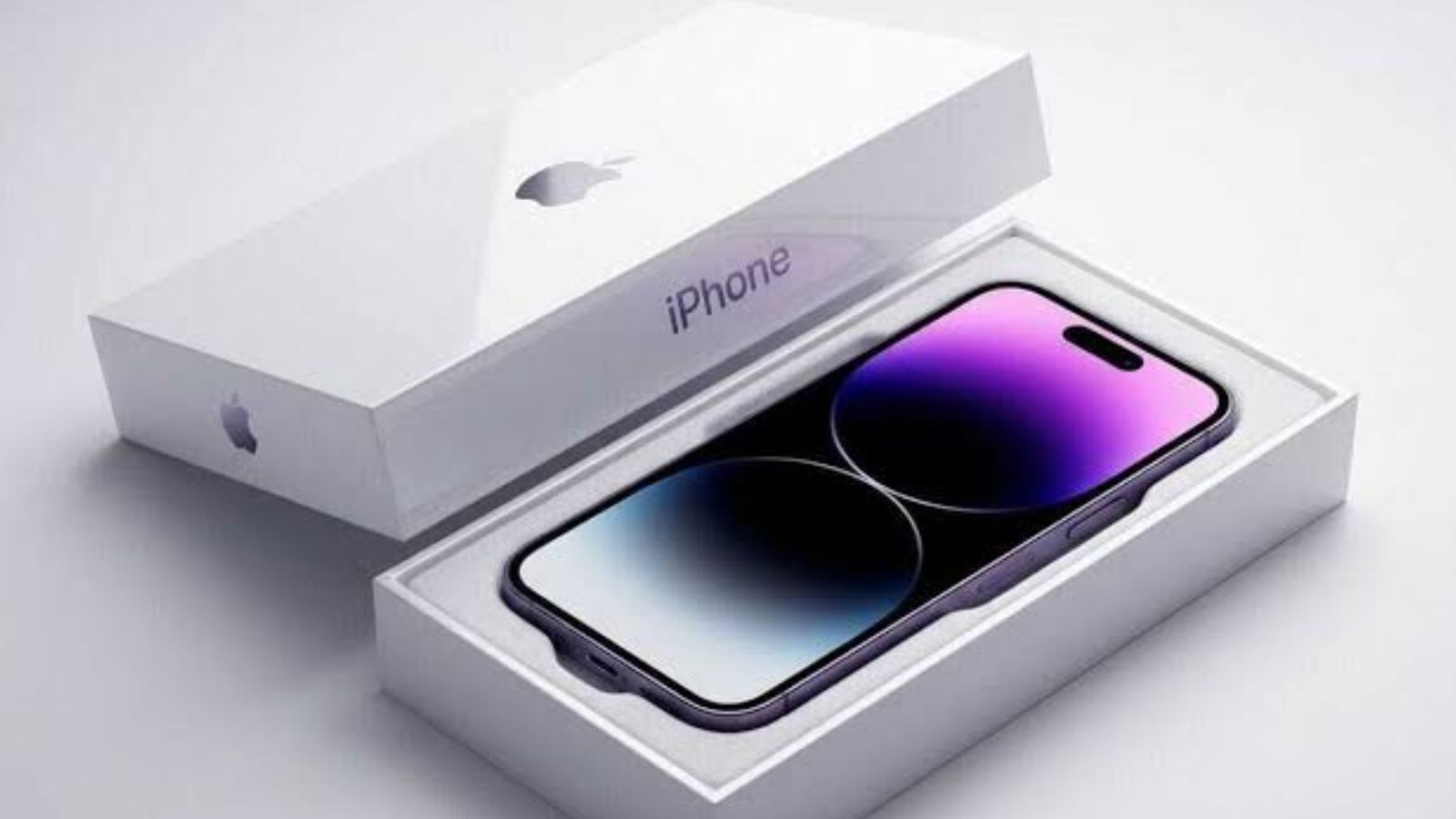
The lead-up to any new iPhone launch is typically marked by intense speculation and fervent anticipation. For months preceding the September 2026 event, the technology world was abuzz with rumors surrounding the iPhone 15 Pro series. Leaks and analyst predictions painted a picture of enhanced processing power, camera innovations, and potential design refinements, all contributing to a narrative of incremental yet significant upgrades. Apple’s marketing machinery, renowned for its ability to generate excitement, cultivated a global audience eager for the next generation of its flagship smartphone. Consumers, particularly those in affluent markets, often save or plan purchases around these annual refreshes, driven by the desire for cutting-edge technology and the prestige associated with the Apple brand.
)
The September 2026 Launch Event
In line with its established tradition, Apple unveiled the iPhone 15 Pro and iPhone 15 Pro Max at a meticulously orchestrated event in September. The presentation highlighted features such as a new A-series chip, advancements in photographic capabilities, and potentially new materials or connectivity options. A key talking point, however, was the pricing. While premium pricing is characteristic of Apple, the explicit $100 increase in the US market, alongside significantly higher local currency prices in regions like India (starting at Rs 1,64,900 for the Pro and Rs 1,79,900 for the Pro Max), immediately drew attention. Analysts and consumers alike began to weigh the perceived value against these elevated costs. Initial media reviews largely praised the devices’ performance but often noted the high price as a potential barrier for some.
Early Post-Launch Indicators and Emerging Concerns (Late September – Early October 2026)
Following the initial launch excitement, early market indicators began to emerge. While Apple traditionally maintains tight control over sales figures, third-party observations offer valuable insights. UBS analysts, closely tracking global markets, reported a noticeable reduction in average waiting times for the iPhone 15 Pro series across more than 30 international markets. This metric, often a bellwether for demand, can signal either an unexpected surge in supply chain efficiency or, more commonly in the context of premium electronics, a cooling of consumer interest. Simultaneously, anecdotal evidence from retail channels and online forums began to suggest that the devices, while selling, might not be flying off the shelves with the same velocity as previous generations, particularly the Pro Max variants which carry the highest price tags.

The Nikkei Asia Report and Production Cuts (October 9, 2026)
The culmination of these early observations manifested in the Nikkei Asia report on October 9, 2026. Citing sources within Apple’s supply chain, the report revealed that Apple had formally requested its suppliers to reduce component production for the iPhone 15 Pro and iPhone 15 Pro Max by 15 to 20 percent for the month of October. This is a significant and relatively swift adjustment, especially given the short time frame since the product launch. Such a move directly indicates that Apple’s internal demand forecasts for these premium models are being revised downwards, necessitating a recalibration of its vast and intricate global supply chain. The timing and magnitude of this reported cut underscore the challenges Apple faces in balancing ambitious pricing with an increasingly price-sensitive global consumer base and external economic pressures.
Supporting Data
The Premium Price Strategy Under Scrutiny
The iPhone 15 Pro series launched with a significantly higher price point, raising questions about the sustainability of Apple’s long-standing premiumization strategy. The $100 increase in the US, while seemingly modest, pushes the entry-level Pro models into an even more exclusive bracket. In India, the prices of Rs 1,64,900 and Rs 1,79,900 for the Pro and Pro Max respectively represent a substantial investment for the average consumer. To put this in perspective, these prices often exceed the monthly income of a significant portion of the working population in emerging markets.
)
The weakening Indian rupee against the US dollar further exacerbates this issue. As the cost of importing components and finished goods rises for local distributors, these increased expenses are typically passed on to the consumer, leading to higher retail prices in local currency. This currency fluctuation creates an additional barrier to entry, making the already expensive devices even less accessible. While Apple’s brand loyalty is undeniably strong, there appears to be a ceiling to how much consumers are willing to pay, particularly in an economic climate where discretionary spending is being re-evaluated. The "luxury good" status of the iPhone Pro series may be reaching a point where its perceived value no longer fully justifies its escalating cost for a wider segment of the premium market.
Global Memory Chip Price Surge
A critical factor contributing to the increased manufacturing cost of the iPhone 15 Pro series is the worldwide surge in memory chip prices. This phenomenon is largely driven by an unprecedented demand from technology companies investing heavily in artificial intelligence (AI) data centers. The rapid expansion of AI infrastructure, requiring vast quantities of high-performance memory, has created a supply-demand imbalance across the semiconductor industry. As a result, the cost of essential components like DRAM and NAND flash memory, which are integral to modern smartphones, has climbed significantly.
)
These rising input costs directly impact smartphone manufacturers like Apple. While Apple’s scale allows it some leverage with suppliers, it is not entirely immune to global commodity price fluctuations. To maintain profit margins, companies often pass a portion of these increased costs onto the consumer, contributing to the higher retail prices observed for the iPhone 15 Pro series. This trend is not unique to Apple; it is a systemic challenge facing the entire electronics industry, pushing up prices for a wide array of devices from smartphones to laptops and servers.
Broader Smartphone Market Trends and Forecasts
The reported slowdown in iPhone 15 Pro demand must be viewed within the context of a challenging global smartphone market. Research firm IDC anticipates a substantial 16.7% drop in global smartphone shipments in 2026. This forecast reflects a mature market that has largely reached saturation, combined with global economic headwinds. Consumers are holding onto their devices for longer periods, driven by incremental upgrades that don’t always justify the cost of a new phone, and by financial prudence.
)
Despite the projected drop in unit shipments, IDC also forecasts that the average selling prices (ASPs) of smartphones are expected to rise by an astounding 27.6% in 2026. This seemingly contradictory trend highlights a shift in market dynamics: fewer phones are being sold, but those that are, are increasingly expensive. This trend is largely fueled by the premium segment, where companies like Apple command higher prices. However, the reported order cuts for the iPhone 15 Pro suggest that even the premium segment is not immune to price resistance and demand elasticity.
Beyond memory chip costs, other macroeconomic factors are at play. Global inflation, rising interest rates, and geopolitical uncertainties are collectively eroding consumer purchasing power. Discretionary spending, particularly on high-value items like premium smartphones, is often among the first categories to be curtailed during economic downturns. The combination of these factors creates a formidable environment for even market leaders like Apple to navigate, forcing them to re-evaluate their production schedules and sales expectations.
)
Supply Chain Repercussions
Apple’s supply chain is arguably one of the most sophisticated and extensive in the world, involving hundreds of suppliers across multiple continents, from chipmakers like TSMC to assemblers like Foxconn. A 15-20 percent reduction in component orders, even for a single month, sends ripples throughout this intricate network. Suppliers who have geared up production lines and allocated resources based on initial forecasts must now adjust, potentially leading to underutilized capacity, inventory buildup, and financial pressures.
These adjustments can have broader implications, affecting component prices for other manufacturers or causing temporary disruptions in the wider tech supply chain. While Apple’s suppliers are accustomed to demand fluctuations, a significant cut so soon after a major product launch can be particularly challenging, forcing quick re-allocations of resources and potentially impacting their quarterly financial performance. It underscores the delicate balance between forecasting demand and managing a highly complex global manufacturing ecosystem.
)
Official Responses
Apple’s Customary Silence
In keeping with its long-standing corporate policy, Apple has not issued any official statement regarding the reported component order cuts for the iPhone 15 Pro series. The company rarely comments on production figures, sales forecasts, or supply chain adjustments, preferring to disclose performance metrics during its quarterly earnings calls. This silence, while typical, often leaves a vacuum filled by analyst speculation and media reports, further highlighting the significance of external sources like Nikkei Asia.
Historically, Apple has acknowledged supply chain challenges or demand shifts in its earnings calls, often attributing them to broader economic conditions, geopolitical events, or component shortages. However, a direct confirmation of reduced demand for a flagship product so soon after its launch would be a rare and potentially market-moving admission. For now, the company maintains its stoic posture, allowing the market to interpret the reported actions of its supply chain. There have been no announcements of price cuts, and the expectation is that Apple will maintain its current pricing structure, at least in the short term, to preserve its brand image and premium positioning.
)
Supplier Discretion
Apple’s vast network of suppliers, including major players like Foxconn, TSMC, and various component manufacturers, also adheres to strict non-disclosure agreements. These companies typically refrain from commenting on specific client orders or production volumes. Their public statements usually focus on overall market conditions, technological advancements, or diversified business portfolios rather than detailing individual client relationships. Therefore, official responses from the supply chain corroborating the Nikkei Asia report are highly unlikely. Any confirmation would implicitly come from their financial performance reports, where adjusted revenue guidance or inventory levels might indirectly reflect changes in orders from major clients.
Analyst and Investor Perspectives
While Apple remains silent, financial analysts and investors are actively processing the implications of these reports. UBS analysts, who noted the decreasing waiting times for the iPhone 15 Pro, are likely refining their sales models and revenue projections for Apple. Other prominent financial institutions are also weighing in, with some expressing concerns about Apple’s ability to sustain its growth trajectory in the premium smartphone segment given the current economic climate. The market’s reaction to such reports often influences Apple’s stock price, reflecting investor sentiment regarding the company’s immediate and long-term prospects. These third-party analyses, though not official company responses, play a crucial role in shaping the public and financial understanding of Apple’s market position.
)
Implications
For Apple: A Test of Strategy and Resilience
The reported component order cuts for the iPhone 15 Pro series present several significant implications for Apple.
- Financial Impact: A reduction in sales for its flagship product could directly impact Apple’s revenue and profitability in the coming quarters. While Apple has a highly diversified revenue stream, with services and other product categories growing, the iPhone remains its primary engine. Inventory management will become crucial; excess inventory could lead to write-downs or necessitate future promotional activities, which Apple typically avoids. The market’s perception of these demand issues could also influence Apple’s stock performance.
- Strategy Reassessment: This situation forces a critical examination of Apple’s premiumization strategy. Is there a limit to how much consumers are willing to pay for incremental upgrades, even for a brand as powerful as Apple? Future pricing decisions, especially for the next generation of iPhones, will likely be informed by the reception of the iPhone 15 Pro series. Apple may need to find a more delicate balance between innovation, cost, and consumer affordability.
- Innovation Pressure: To justify high prices, Apple must deliver truly compelling innovations. The current slowdown might intensify pressure on Apple’s R&D teams to introduce groundbreaking features that fundamentally change the user experience, rather than relying on iterative improvements. This could accelerate the development of new technologies or product categories.
- Diversification Emphasis: A slowdown in iPhone sales could further accelerate Apple’s strategic shift towards its services division (App Store, Apple Music, iCloud, etc.) and other hardware products (Apple Watch, AirPods, Macs, and potentially the Vision Pro). These segments offer higher margins and greater recurring revenue potential, providing a cushion against fluctuations in smartphone demand.
For the Global Smartphone Market: A Sign of the Times
The challenges faced by Apple, a company often seen as recession-proof, underscore the difficult environment for the entire smartphone industry.
)
- Market Contraction: The reported cuts reinforce IDC’s forecast of a global smartphone market contraction, indicating that even premium segments are not immune. This trend suggests a mature market where growth will be harder to achieve, and competition for existing users will intensify.
- Longer Upgrade Cycles: Consumers are increasingly extending the lifespan of their smartphones. The combination of high prices, durable devices, and less revolutionary annual upgrades means users see less urgency in replacing their phones every one or two years.
- Increased Competition: In a stagnant or shrinking market, competition for market share intensifies. Android manufacturers, particularly those in the ultra-premium segment, will closely watch Apple’s performance. While they face similar economic headwinds, any perceived stumble by Apple could be an opportunity for rivals to gain traction, either through aggressive pricing or differentiated features.
For Consumers: A Call for Prudence and Comparison
For consumers, these developments offer both challenges and potential opportunities.
- Value Proposition: The elevated prices of the iPhone 15 Pro series, combined with reports of cooling demand, prompt consumers to carefully evaluate the value proposition. Users with functional phones are advised to wait and compare options, considering not just the latest models but also older iPhone generations or premium offerings from other brands.
- Potential for Deals: While Apple rarely engages in direct price cuts, a sustained slowdown in demand could lead to more aggressive trade-in offers, carrier subsidies, or retailer promotions down the line. Consumers who are not in urgent need of an upgrade might benefit from patience.
- Informed Decisions: The current market dynamics encourage consumers to make more informed decisions, weighing the balance between cutting-edge features, price, and long-term utility.
The Foldable Future: Learning from Present Challenges
The original article also touches upon a hypothetical "iPhone Duo," Apple’s first foldable phone, suggesting a price of Rs 2,99,900 in India for a 256GB model. It is crucial to clarify that Apple has not officially announced or launched a foldable phone. Any discussions about an "iPhone Duo" at this price point refer to speculative future products or misinterpretations of market rumors. However, if Apple were to enter the foldable market, the challenges highlighted by the iPhone 15 Pro’s current situation would be magnified.
)
- Exorbitant Pricing: A foldable iPhone, given its advanced technology and manufacturing complexity, would undoubtedly command an even higher price than the current Pro series. The speculative Rs 2,99,900 price in India underscores how niche such a device would be. In a market already showing price sensitivity for standard premium phones, an even more expensive foldable would appeal to an extremely limited demographic.
- Manufacturing Complexity and Quality Standards: As the original article notes, manufacturing a foldable display is inherently complicated. Apple’s legendary quality standards would add another layer of complexity and cost to production. Ensuring durability and a seamless user experience for a folding mechanism presents significant engineering hurdles.
- Market Acceptance: While foldable phones represent a new frontier in smartphone design, their market adoption has been slow due to high prices, perceived durability concerns, and the novelty factor not always translating into essential utility for many users. Apple typically waits for new technologies to mature before entering a market, leveraging its scale to refine the product and drive down costs over time. However, the current economic climate suggests that even Apple would struggle to make a hyper-premium foldable a mass-market success.
In conclusion, the reported component order cuts for the iPhone 15 Pro series are a significant indicator of the evolving landscape within the premium smartphone market. Apple, like its competitors, is grappling with the dual pressures of rising manufacturing costs and a global consumer base that is increasingly discerning about its discretionary spending. How Apple navigates these headwinds will not only shape its own future strategy but also provide crucial insights into the broader trajectory of the technology industry.
