

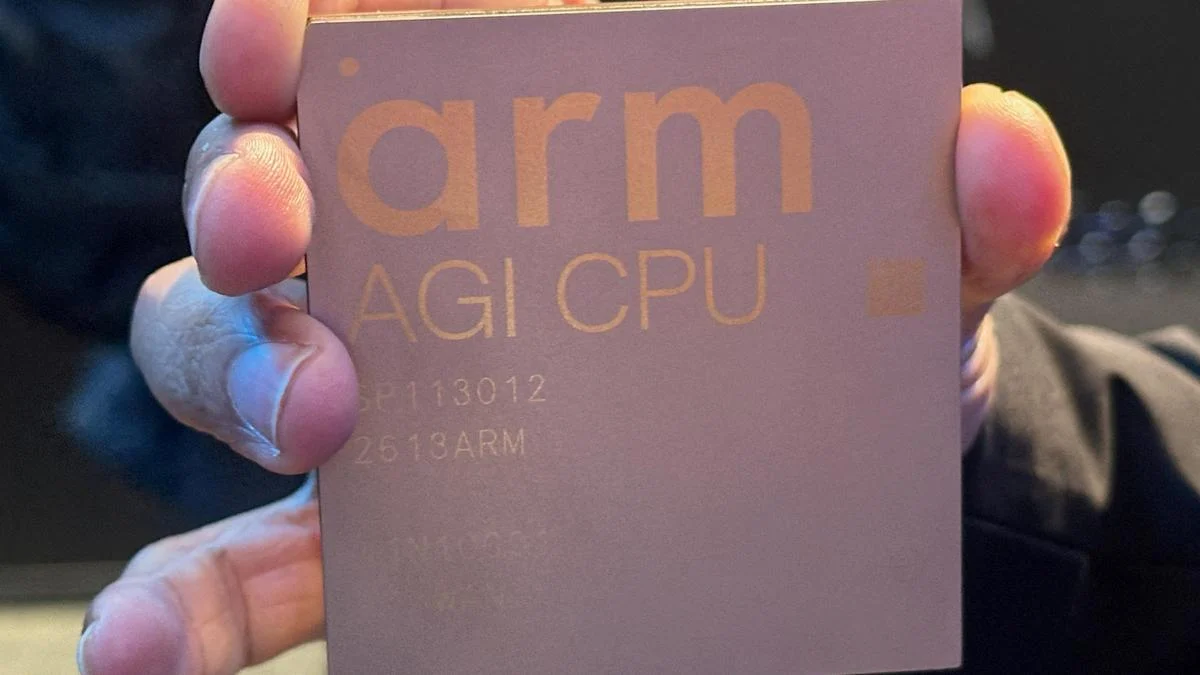
London/Washington D.C. – May 16, 2026 – Arm Holdings Plc, the British semiconductor design powerhouse, finds itself at the center of a burgeoning global antitrust investigation. The U.S. Federal Trade Commission (FTC) has reportedly initiated a formal probe into Arm’s licensing practices, scrutinizing whether the company is leveraging its near-ubiquitous chip blueprint technology to illegally monopolize segments of the burgeoning semiconductor market. This development, first reported by Bloomberg News on Friday, adds a significant layer of regulatory pressure to a company whose intellectual property forms the bedrock of billions of electronic devices worldwide.
The FTC’s investigation is part of a broader, intensifying scrutiny that extends beyond American borders, with South Korean antitrust authorities also examining Arm’s business conduct. At the heart of the U.S. inquiry are concerns that Arm might be attempting to reject or downgrade existing licensing agreements for its critical chip blueprints, which are essential for designing the central processing units (CPUs) that power everything from smartphones to data centers. Such actions, if proven, could significantly impact competition and innovation within the fiercely competitive semiconductor industry.
Main Facts: A Giant Under the Microscope
Arm Holdings, headquartered in Cambridge, UK, operates a unique and immensely influential business model. Unlike chip manufacturers like Intel or TSMC, Arm designs the foundational architecture for microprocessors and licenses these designs – or "instruction set architectures" (ISAs) – to hundreds of technology companies globally. These licensees, including industry titans such as Apple, Samsung, Qualcomm, and Nvidia, then customize and manufacture their own chips based on Arm’s blueprints. This "fabless" model has made Arm the silent architect behind an estimated 95% of all smartphones and a rapidly growing share of other markets, including servers, laptops, and Internet of Things (IoT) devices.
The FTC’s probe signals a serious concern that Arm, with its near-monopoly in certain critical IP segments, might be abusing its dominant position. Specifically, the investigation is reportedly examining whether Arm’s actions could stifle competition by limiting access to its essential technology or by imposing restrictive terms that disadvantage competitors or favor certain partners. The notification from the U.S. regulator earlier this year, demanding the preservation of documents, underscores the gravity of the ongoing inquiry.
This U.S. investigation does not exist in a vacuum. It follows closely on the heels of similar actions taken by South Korea’s antitrust regulator, which reportedly probed Arm’s Seoul offices in November of the previous year. While the specifics of the South Korean investigation remain largely undisclosed, Bloomberg has suggested it may have stemmed from a complaint lodged by Qualcomm, a major Arm licensee and a company currently embroiled in a separate legal dispute with Arm. The confluence of these global regulatory actions highlights a growing international apprehension about the potential for anticompetitive behavior by key players in the foundational technology sectors.
Chronology of Growing Influence and Regulatory Scrutiny
Arm’s journey from a small British startup to a global tech lynchpin has been marked by strategic innovation and an increasingly complex relationship with the industry it powers.
1990: Genesis of a Revolution: Arm (then Acorn RISC Machine) was spun out of Acorn Computers, pioneering a low-power, high-performance RISC (Reduced Instruction Set Computer) architecture that would become ideal for mobile devices.
Early 2000s: Smartphone Dominance: With the rise of feature phones and then smartphones, Arm’s architecture became the de facto standard due to its unparalleled power efficiency. Companies like Apple and Samsung built their mobile ecosystems around Arm’s designs, establishing its critical role in the burgeoning mobile computing revolution.
2016: SoftBank Acquisition: In a landmark deal, Japanese conglomerate SoftBank acquired Arm for $32 billion. SoftBank’s vision was to further expand Arm’s reach into emerging markets like IoT and AI, seeing its architecture as fundamental to future technological shifts. This acquisition, while celebrated by some as a vote of confidence, also raised initial questions about Arm’s neutrality, a cornerstone of its licensing model.
2020-2022: The Failed Nvidia Acquisition and Heightened Antitrust Concerns: SoftBank’s attempt to sell Arm to U.S. chip giant Nvidia for $40 billion triggered widespread alarm across the semiconductor industry. Major Arm licensees, including Qualcomm, Google, and Microsoft, voiced strong opposition, fearing that Nvidia, a direct competitor in several markets, would gain undue control over Arm’s intellectual property and potentially restrict access or raise licensing fees. Regulators worldwide, including the FTC, the UK’s Competition and Markets Authority (CMA), and the European Commission, launched in-depth antitrust investigations. Facing insurmountable regulatory hurdles and industry opposition, the deal ultimately collapsed in February 2022. This failed acquisition served as a critical precursor, signaling to Arm and the industry that regulators were acutely aware of Arm’s strategic importance and would not tolerate any moves perceived as threatening fair competition. The scrutiny applied during the Nvidia saga laid the groundwork for current antitrust probes, establishing a precedent for intense regulatory oversight of Arm’s conduct.
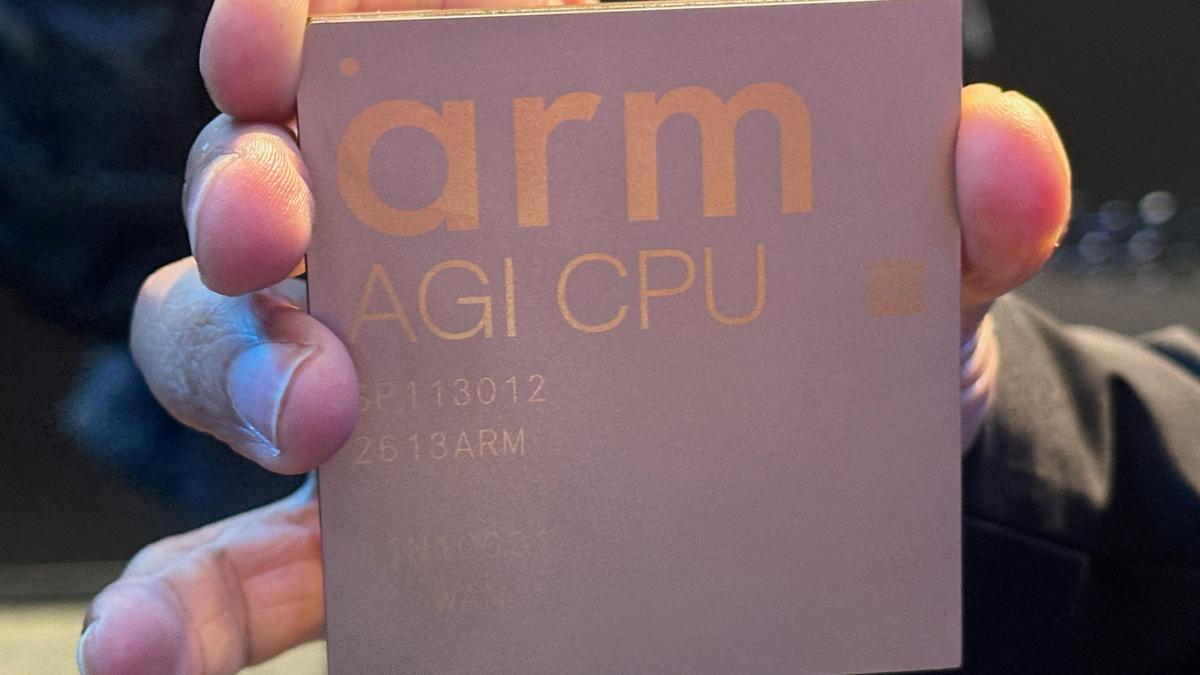
2022-2023: The Qualcomm-Nuvia Dispute: A significant legal battle erupted between Arm and Qualcomm following Qualcomm’s 2021 acquisition of Nuvia, a chip startup founded by former Apple engineers. Nuvia had been developing high-performance Arm-based CPUs for servers and laptops, aiming to challenge Intel’s dominance. Arm subsequently sued Qualcomm, alleging that Qualcomm breached its licensing agreements by attempting to develop its own custom Arm-compatible cores using Nuvia’s technology without obtaining new, specific licenses from Arm. Arm’s position is that Nuvia’s license was non-transferable and that Qualcomm needed a new, separate license to continue Nuvia’s development work. Qualcomm, conversely, argues that it inherited Nuvia’s architectural license and is within its rights to continue development. This dispute is particularly relevant as it directly touches upon the very core of Arm’s licensing power and its ability to control who can design and build chips based on its architecture. Arm, in a public statement, has vehemently rejected Qualcomm’s "baseless allegation of anticompetitive conduct," calling it "nothing more than a desperate and underhanded attempt to obtain leverage in the parties’ ongoing commercial dispute for its own competitive benefit."
2023: Arm’s High-Profile IPO: In September 2023, Arm successfully re-entered the public markets with a highly anticipated initial public offering on Nasdaq, achieving a valuation of over $50 billion. The IPO was seen as a testament to Arm’s enduring importance in the tech ecosystem, but it also placed the company under increased public and regulatory scrutiny as a standalone entity.
November 2025: South Korean Probe: Reports surface that South Korea’s antitrust regulator, the Korea Fair Trade Commission (KFTC), is investigating Arm’s practices, including a raid on its Seoul offices. Bloomberg specifically linked this investigation to a complaint from Qualcomm, although Reuters could not independently verify this claim. This parallel investigation underscores the global nature of concerns surrounding Arm’s market conduct.
May 2026: FTC Probe Revealed: Bloomberg News reports that the U.S. Federal Trade Commission has launched an antitrust probe into Arm’s licensing practices, focusing on potential monopolization and the company’s ability to reject or downgrade licensing agreements. This marks the most significant direct U.S. regulatory challenge to Arm’s business model since the failed Nvidia acquisition.
Supporting Data and Industry Context: The Pervasive Reach of Arm
Arm’s influence on the global technology landscape is difficult to overstate. Its energy-efficient instruction set architecture (ISA) has become the fundamental building block for a vast array of electronic devices, creating a reliance that few other companies can match.
Dominance in Key Markets:
- Smartphones: Arm holds an estimated 95% market share in smartphone processors, a near-monopoly that underpins the mobile computing revolution. Every major smartphone chip designer, from Apple (A-series chips) to Qualcomm (Snapdragon) to Samsung (Exynos) and MediaTek, relies on Arm’s IP.
- IoT Devices: The low power consumption of Arm designs makes them ideal for the billions of connected devices that form the Internet of Things, from smart home gadgets to industrial sensors.
- Growing Presence in Data Centers and Laptops: While traditionally dominated by Intel and AMD’s x86 architecture, Arm is making significant inroads. Apple’s M-series chips, based on Arm architecture, have revolutionized laptop performance and power efficiency. Major cloud providers like Amazon Web Services (with their Graviton chips) are increasingly deploying Arm-based servers for their superior performance-per-watt. This expansion into higher-value markets further solidifies Arm’s strategic importance and, consequently, its potential for market power abuse.
The Licensing Model: A Double-Edged Sword:
Arm’s business model is predicated on two primary types of licenses:
- Architecture Licenses: These grant companies the right to design their own custom CPU cores that are compatible with the Arm instruction set. This offers the most flexibility but requires significant R&D investment (e.g., Apple, Qualcomm via Nuvia).
- Processor Core Licenses: These allow companies to use pre-designed Arm CPU cores (e.g., Cortex-A series) and integrate them into their system-on-chips (SoCs). This is a faster time-to-market option for many manufacturers.
The current FTC probe focuses on Arm’s potential to "reject or downgrade" these licensing agreements. This capability is critical because:
- Stifling Innovation: If Arm can unilaterally deny architecture licenses or impose less favorable terms, it could prevent companies from developing custom, high-performance chips, thereby limiting competition and innovation. This is particularly relevant in the context of Nuvia’s ambition to create custom cores that could challenge existing players.
- Market Manipulation: By selectively granting or withholding licenses, Arm could potentially steer the market, favor certain partners, or disadvantage competitors, leading to a less diverse and competitive ecosystem.
- High Barrier to Entry: Developing a new, competitive ISA from scratch (like RISC-V) is an enormous undertaking, making companies heavily reliant on Arm. Any restrictions on Arm’s licensing could effectively block entry into significant segments of the chip market.
The Broader Antitrust Landscape:
The investigation into Arm is not an isolated incident but part of a broader global push by regulators to curb the power of dominant technology companies. Governments worldwide are increasingly concerned that the immense market power accumulated by tech giants could stifle innovation, harm consumers, and undermine fair competition. The FTC, under Chair Lina Khan, has taken an aggressive stance on antitrust enforcement, particularly in digital markets. Recent actions against companies like Google, Meta, and Amazon illustrate a clear regulatory appetite to challenge perceived monopolies and anticompetitive practices across the tech spectrum. The semiconductor industry, being foundational to modern economies and national security, is an obvious target for such scrutiny.
Official Responses and Statements
Arm Holdings: The company has maintained a strict "no comment" policy regarding any specific investigations by the FTC or other regulatory bodies. This is a common practice for companies facing such probes, as any public statements could be used against them in legal proceedings. However, Arm has publicly defended its broader licensing model, asserting that it fosters innovation and competition by providing a neutral platform for thousands of companies to build their products. In the context of the Qualcomm dispute, Arm’s public statement remains sharp: "Qualcomm’s baseless allegation of anticompetitive conduct is nothing more than a desperate and underhanded attempt to obtain leverage in the parties’ ongoing commercial dispute for its own competitive benefit." This suggests Arm views Qualcomm’s actions, potentially including complaints to regulators, as a tactical move in their legal battle rather than a legitimate antitrust concern.

U.S. Federal Trade Commission (FTC): The FTC did not immediately respond to requests for comment regarding the probe. The agency typically refrains from commenting on ongoing investigations until formal charges are filed or a public settlement is reached. The FTC’s mandate is to protect consumers and promote competition, and its current leadership has shown a willingness to pursue novel antitrust theories and challenge the business practices of powerful tech companies.
Qualcomm: Qualcomm has also not immediately responded to requests for comment on the FTC probe or its potential involvement in the South Korean investigation. However, its legal dispute with Arm over Nuvia highlights its strong belief that Arm’s licensing terms are restrictive. Qualcomm’s acquisition of Nuvia was intended to allow it to design highly customized, competitive CPUs for laptops and servers, reducing its reliance on standard Arm cores. Its legal arguments against Arm suggest it views Arm’s actions as attempting to prevent legitimate competition and innovation.
Korea Fair Trade Commission (KFTC): Details on the KFTC’s specific findings or the scope of its investigation into Arm remain largely confidential. Antitrust investigations in South Korea, like those in the U.S., often proceed without public comment until a decision is made.
Implications and Future Outlook
The FTC’s antitrust probe into Arm Holdings carries significant implications for both the company and the broader semiconductor industry.
Potential Outcomes for Arm:
- Changes to Licensing Practices: The most direct outcome could be a forced modification of Arm’s licensing terms. This could include mandates to offer non-discriminatory access to its IP, limitations on its ability to unilaterally terminate or downgrade licenses, or even the creation of clear, standardized licensing tiers.
- Fines: If found to have engaged in anticompetitive behavior, Arm could face substantial financial penalties.
- Reputational Damage: An adverse finding could harm Arm’s reputation as a neutral IP provider, potentially pushing some licensees to explore alternative architectures like RISC-V more aggressively.
- Impact on Business Model: Any significant changes to its licensing model could affect Arm’s revenue streams and its ability to invest in future R&D, which is crucial for maintaining its technological lead.
Impact on the Broader Semiconductor Industry:
- Increased Competition: If Arm is compelled to loosen its grip on licensing, it could foster greater competition among chip designers. More companies might be able to develop custom Arm-compatible cores, leading to a wider array of innovative products and potentially lower costs for consumers.
- Boost for Alternatives like RISC-V: The ongoing scrutiny of Arm could accelerate the adoption of open-source instruction set architectures like RISC-V. While RISC-V is still nascent compared to Arm, regulatory pressure on Arm could encourage more investment and development in alternatives, reducing the industry’s single point of failure.
- Shift in Power Dynamics: A weakened Arm, or one operating under stricter regulatory oversight, could shift bargaining power towards its major licensees, allowing them greater freedom in chip design and market strategy.
- Innovation vs. Control: The probe will likely highlight the delicate balance between protecting intellectual property and ensuring a competitive environment that fosters innovation. The outcome could set precedents for how foundational IP providers in critical technology sectors are regulated globally.
Investor Confidence:
Despite a successful IPO, regulatory uncertainty can weigh heavily on investor sentiment. The prospect of significant changes to Arm’s core business model or substantial fines could introduce volatility to its stock price, especially given the company’s high valuation. Investors will be closely watching for any official statements from Arm or the FTC regarding the scope and potential duration of the investigation.
Global Regulatory Coordination:
The fact that both U.S. and South Korean regulators are scrutinizing Arm’s practices suggests a shared concern about its market power. This global approach to antitrust enforcement in the tech sector indicates that companies operating across borders can expect increased scrutiny from multiple jurisdictions, potentially leading to more complex and far-reaching outcomes than purely domestic probes. The future of the semiconductor industry, which underpins virtually all modern technology, may well be shaped by the outcome of these critical investigations into one of its most fundamental players.
