

By Siddhi Nayak
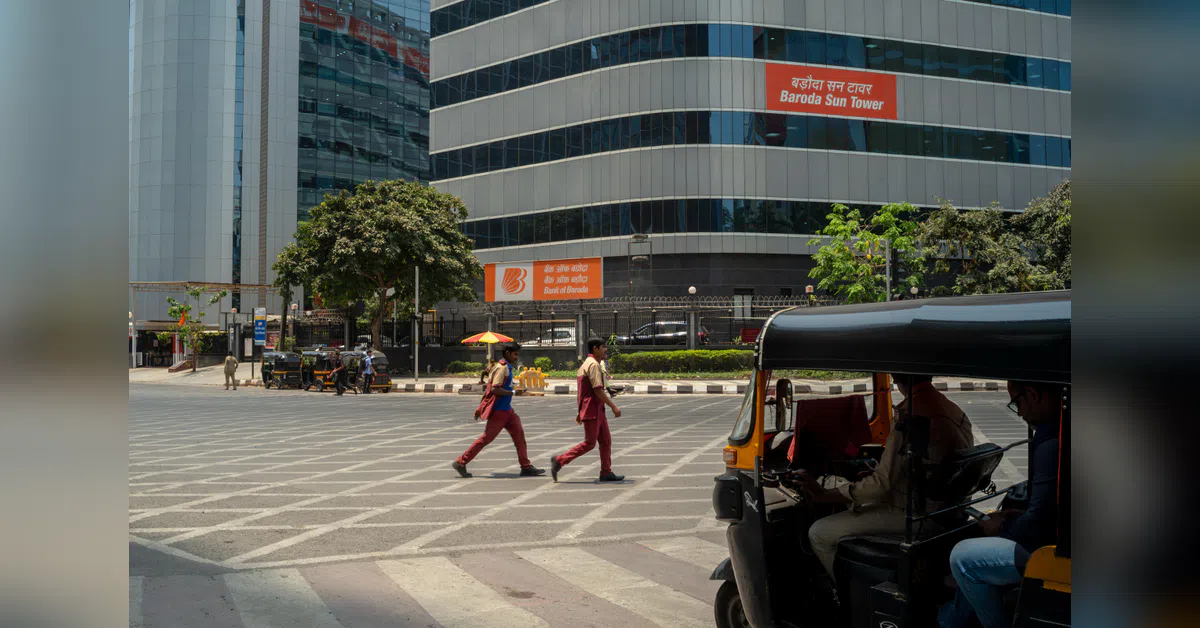
Mumbai, India – Bank of Baroda (BoB), one of India’s preeminent financial institutions, has unveiled an ambitious strategic blueprint aimed at doubling its balance sheet within the next five years. This bold expansion, spearheaded by CEO Debadatta Chand, is predicated on leveraging India’s robust economic growth, aggressively scaling fee-based businesses, and fortifying its international presence. The move underscores a broader national aspiration to cultivate globally competitive banks capable of underpinning India’s journey towards becoming a developed economy by 2047.
Chand, at the helm of the bank that integrated two state-run lenders in 2019, emphasized the paramount importance of scale and a formidable capital base in the pursuit of global banking leadership. "If India wants globally competitive banks, scale and capital base are very important," he stated in a recent interview, adding, "There are advantages to consolidation." His vision aligns with ongoing governmental discourse on creating larger, more resilient state-owned banks, crucial for financing the colossal infrastructure and industrial projects essential for Asia’s third-largest economy.
Currently, only State Bank of India (SBI), the nation’s largest lender, and the private sector behemoth HDFC Bank Ltd., command positions within the top 100 global banking sector by total assets. This stark contrast with economic powerhouses like China and the United States, which boast multiple institutions among the world’s ten largest banks, as per Bloomberg data, highlights the journey India’s financial sector still needs to traverse. Bank of Baroda’s strategy is a direct response to this call for enhanced global standing and expanded capacity.
The Vision for Global Competitiveness: Scale as the New Frontier
The pronouncements from Bank of Baroda’s leadership are not merely corporate targets but resonate deeply with India’s overarching economic ambitions. Prime Minister Narendra Modi’s audacious goal of transforming India into a developed economy by 2047 necessitates a financial sector that is not only robust domestically but also globally competitive. This requires banks with balance sheets large enough to absorb and finance massive, long-gestation infrastructure projects, support expanding industrial capacities, and facilitate international trade and investment.
Debadatta Chand’s insistence on "scale and capital base" as critical for global competitiveness underscores a strategic pivot within India’s public sector banking landscape. For decades, the sector was characterized by numerous, often smaller, state-owned entities. However, the government’s push for consolidation, exemplified by the mergers in 2019, signals a shift towards creating fewer but stronger financial powerhouses. This paradigm believes that larger banks benefit from economies of scale, enhanced risk-bearing capacity, and a greater ability to attract international capital and talent.
The absence of a significant number of Indian banks in the global top 100 ranking is a critical driver behind this strategy. While India’s economic growth story is compelling, its financial institutions have historically lagged their counterparts in developed nations and even other emerging markets like China in terms of sheer size. By aiming to double its balance sheet, Bank of Baroda is not just seeking organic growth but also positioning itself as a potential contender for higher global rankings, thereby elevating India’s financial footprint on the world stage. This vision extends beyond mere asset accumulation; it encompasses enhancing operational efficiencies, technological prowess, and adopting best-in-class global practices to truly compete with established international players.
A Legacy of Growth and Strategic Consolidation
Bank of Baroda’s current trajectory is built upon a rich history and recent strategic maneuvers that have significantly bolstered its position. Founded in 1908 by Maharaja Sayajirao Gaekwad III of Baroda, the bank quickly established itself as a pioneer in commercial banking in western India, envisioning a financial institution that would serve the needs of a burgeoning economy. Its long-standing legacy of trust and customer-centricity has been a cornerstone of its sustained growth.
The Transformative 2019 Merger: A pivotal moment in BoB’s recent history was the amalgamation with Dena Bank and Vijaya Bank in 2019. This landmark consolidation, part of the Indian government’s broader strategy to create fewer, stronger public sector banks, catapulted Bank of Baroda into the position of India’s third-largest public sector bank. The merger was driven by several objectives:
- Enhancing Scale: Combining the balance sheets of three entities immediately increased BoB’s asset base, allowing it to undertake larger lending mandates.
- Operational Synergies: The merger aimed to achieve cost efficiencies through rationalization of branches, optimization of human resources, and integration of technological platforms.
- Diversification: The combined entity brought together diverse regional strengths and customer segments, enhancing market reach and product offerings.
- Improved Capital Adequacy: A larger entity often has better access to capital markets, enabling it to maintain stronger capital adequacy ratios and absorb potential shocks more effectively.
While such large-scale integrations often present significant challenges in terms of cultural assimilation, IT system integration, and human resource management, Bank of Baroda successfully navigated these complexities. The experience gained from this consolidation has undoubtedly provided valuable insights and operational resilience, which will be crucial for its future growth ambitions.
Post-Pandemic Resurgence: The Indian banking sector, including Bank of Baroda, has witnessed a remarkable rebound and rapid balance sheet expansion since the depths of the Covid-19 pandemic. This growth has been fueled by a confluence of factors:
- Strong Deposit Inflows: A flight to safety during the pandemic, coupled with rising household savings, led to robust deposit growth, providing banks with ample liquidity.
- Rebounding Credit Demand: As the economy reopened and businesses regained confidence, credit demand from both retail and corporate segments surged. Government-backed credit guarantee schemes also spurred lending to MSMEs.
- Government-led Infrastructure Spending: India’s aggressive push for infrastructure development, with massive investments in roads, railways, ports, and energy, has created significant opportunities for banks to finance large projects.
- World’s Fastest-Growing Economy: India’s sustained position as the fastest-growing major economy has provided a fertile ground for banking expansion, translating into higher demand for credit across all sectors.
Bank of Baroda has been a significant beneficiary and active participant in this resurgence. Over the last five years, its total assets have expanded by nearly 75 percent, reaching a formidable ₹21 trillion (approximately $219 billion) as of March-end. This growth rate outpaces that of its immediate peers, with State Bank of India recording a near 72 percent growth and third-ranked state-owned rival Punjab National Bank growing by roughly 57 percent over the same period. This impressive performance solidifies BoB’s position as a dynamic and high-growth player in the Indian financial landscape, providing a strong foundation for its stated ambition to double its balance sheet.
Strategic Pillars for Future Expansion: A Multi-pronged Approach
Bank of Baroda’s strategy for doubling its balance sheet is built on a multi-pronged approach, meticulously designed to capitalize on existing strengths and exploit new opportunities.
1. Leveraging India’s Economic Momentum:
At the core of BoB’s strategy is an unwavering commitment to ride the wave of India’s economic ascendancy. As the world’s fastest-growing major economy, India presents unparalleled opportunities for credit growth across various sectors. The bank plans to deepen its engagement across:
- Broad-based Credit Growth: CEO Debadatta Chand anticipates robust credit demand spanning retail, agriculture, and small and medium-sized enterprises (SMEs).
- Retail Lending: This includes expanding personal loans, home loans, auto loans, and consumer durable financing, driven by rising disposable incomes and aspirations of a growing middle class.
- Agriculture Finance: BoB, with its strong rural presence, will continue to support the agricultural sector through crop loans, farm machinery finance, and loans for allied activities, crucial for rural economic development.
- SME Lending: The MSME sector is the backbone of India’s economy, and BoB plans to enhance its support through working capital loans, term loans for expansion, and participation in government schemes aimed at boosting this vital segment.
- Corporate Lending: As the bank’s balance sheet expands, it will be better positioned to engage in large-ticket corporate lending, particularly for infrastructure projects, manufacturing expansion, and green energy initiatives, directly contributing to India’s industrialization goals.
2. Expanding Fee-Based Businesses:
Recognizing the potential for margin compression in traditional interest-based lending, Bank of Baroda is strategically prioritizing the expansion of its fee-based businesses. This is not merely about diversification but a critical component for maintaining profitability targets, specifically the goal of sustaining a Return on Assets (RoA) above 1 percent.
- Diversified Revenue Streams: Fee-based income provides a stable and less capital-intensive revenue stream, reducing reliance on net interest margins (NIMs) which can be volatile due to interest rate fluctuations and competition.
- Key Segments for Growth:
- Wealth Management: Offering financial advisory, investment products (mutual funds, equities), and portfolio management services to a growing affluent customer base.
- Investment Banking: Engaging in capital market activities, M&A advisory, and debt syndication for corporate clients.
- Forex and Trade Finance: Leveraging its international network to facilitate cross-border transactions, remittances, and trade finance for import-export businesses.
- Digital Services: Monetizing digital payment solutions, mobile banking, and other value-added services.
- Insurance and Broking Distribution: Acting as a bancassurance partner, distributing life and general insurance products, and offering stockbroking services.
- Transaction Banking: Providing cash management, payment, and collection services to corporate clients.
By bolstering these segments, BoB aims to build a more resilient and profitable business model that can withstand market fluctuations and ensure sustained growth in its RoA.
3. Strengthening Global Footprint:
Bank of Baroda’s international presence is a distinctive strength, serving over 183 million customers across 17 countries. While the bank will continue its vigorous growth within India, a significant part of its future strategy involves deepening its engagement with its overseas subsidiaries.
- Strategic International Hubs: Focus on key markets with significant Indian diaspora or strong trade linkages with India (e.g., UAE, UK, US, East Africa).
- Catering to Diaspora: Providing banking services, remittances, and investment opportunities for Non-Resident Indians (NRIs) and Persons of Indian Origin (PIOs).
- Trade Finance Facilitation: Leveraging its global network to facilitate international trade, offering letters of credit, guarantees, and other trade finance instruments.
- Syndicated Loans and Project Finance: Participating in international syndicates to finance large projects globally, enhancing its role in cross-border capital flows.
- Tapping Local Markets: Where feasible and strategically sound, expanding its retail and corporate banking services to local populations in its overseas territories.
This international expansion is not just about extending geographical reach but about building genuine global scale and capabilities, allowing the bank to better serve multinational corporations and participate more actively in the global financial ecosystem. Chand’s emphasis on overseas subsidiaries highlights a move towards decentralized growth, empowering these units to tailor strategies to their respective markets while contributing to the overall group’s balance sheet expansion.
The Broader Implications for India’s Financial Sector
Bank of Baroda’s ambitious plan carries profound implications not just for the bank itself but for the entire Indian financial sector and the national economy.
1. The "Mega Bank" Aspiration: BoB’s strategy is a clear manifestation of the Indian government’s long-term vision for creating fewer, larger, and globally competitive public sector banks. This consolidation drive aims to:
- Enhance Financing Capacity: Large banks can undertake bigger credit exposures, crucial for funding multi-billion dollar infrastructure and industrial projects that smaller banks might struggle with.
- Improve Efficiency and Governance: Consolidation can lead to better resource allocation, improved operational efficiencies, and stronger governance structures, addressing historical challenges faced by some public sector banks.
- Global Recognition: A handful of "mega banks" can significantly enhance India’s standing in global financial markets, attracting more foreign investment and facilitating international trade.
2. Powering India’s 2047 Vision: The doubling of BoB’s balance sheet is directly aligned with India’s target of becoming a developed economy by 2047. A robust banking sector is the bedrock for achieving this vision, providing the necessary capital for:
- Infrastructure Development: Financing roads, railways, ports, airports, energy projects (especially renewables), and digital infrastructure.
- Industrial Expansion: Supporting manufacturing growth, technological innovation, and the expansion of key industries.
- Inclusive Growth: Channeling credit to underserved segments like agriculture, MSMEs, and rural populations to foster equitable development.
3. Increased Competition and Innovation: BoB’s aggressive growth strategy will inevitably intensify competition within the Indian banking sector. This will likely spur other public and private sector banks to:
- Innovate Digitally: Accelerate investments in fintech, AI, machine learning, and digital platforms to enhance customer experience and operational efficiency.
- Improve Service Quality: Focus on customer-centric services, faster loan processing, and personalized offerings to retain and attract clients.
- Diversify Revenue Streams: Follow BoB’s lead in expanding fee-based businesses to de-risk balance sheets and improve profitability.
4. Navigating Challenges on the Horizon: While the growth prospects are bright, Bank of Baroda, like all major financial institutions, must contend with several challenges:
- Asset Quality Management: Aggressive lending in a growth phase always carries the risk of increased non-performing assets (NPAs). Robust risk management frameworks and credit underwriting standards will be paramount.
- Regulatory Compliance: Operating across multiple geographies and dealing with complex domestic and international regulations requires stringent compliance protocols and significant investment in regulatory technology (RegTech).
- Technological Disruption: The banking sector is undergoing rapid technological transformation. Staying ahead of the curve, investing in cybersecurity, and adapting to evolving customer expectations for digital services will be crucial.
- Global Economic Headwinds: Geopolitical tensions, volatile commodity prices, interest rate fluctuations in major economies, and potential global economic slowdowns could impact international business and cross-border transactions.
- Talent Acquisition and Retention: Attracting and retaining top talent, particularly in specialized areas like data analytics, cybersecurity, and international banking, will be critical for executing such an ambitious strategy.
Official Responses and Future Outlook
Debadatta Chand’s statements exude confidence, reflecting a clear strategic roadmap and a deep understanding of both domestic opportunities and global aspirations. His emphasis on maintaining a Return on Assets (RoA) above 1 percent underscores the bank’s commitment to profitable growth, rather than mere balance sheet expansion. He reiterated that "if margins compress across the banking system and banks still need to maintain RoA above 1 per cent, then fee-based businesses become critical." This highlights a prudent approach, acknowledging potential pressures on traditional lending margins and proactively building alternative revenue streams.
The bank, with its strong historical foundation and recent successful integrations, is poised to leverage India’s unique economic narrative. By focusing on broad-based credit growth across key sectors, meticulously expanding its fee-based income, and strategically enhancing its global footprint through subsidiaries, Bank of Baroda is setting itself on a trajectory to become a more significant player not just within India but on the global financial stage.
Conclusion
Bank of Baroda’s audacious goal to double its balance sheet in the next five years marks a pivotal moment for the institution and a significant step forward for India’s banking sector. Under Debadatta Chand’s leadership, the bank is strategically aligning itself with India’s national ambition to become a developed economy by 2047, understanding that a strong, globally competitive financial sector is indispensable to this vision. By harnessing the power of India’s economic growth, diversifying revenue streams through fee-based businesses, and expanding its established international presence, BoB is not just pursuing numerical growth but aiming to enhance its operational resilience, profitability, and global stature. While challenges loom, the clarity of its strategy and the strength of its foundations position Bank of Baroda as a key architect in shaping the future of Indian finance and elevating its presence in the global banking arena. Its journey will be closely watched as a bellwether for India’s broader financial aspirations.
