


In an era saturated with choices and a cacophony of promotional messages, a profound shift has occurred in the realm of consumerism. Gone are the days when price and functional quality reigned supreme as the sole arbiters of purchasing decisions. Today, the allure of aesthetics, visual appeal, and the emotional resonance of a brand have ascended to a paramount position, dictating consumer behavior and shaping market dynamics. This evolution, deeply intertwined with the digital revolution and a societal yearning for identity and belonging, has transformed marketing from a transactional exchange into a deeply personal and aesthetically driven experience.
The Digital Tide: Reshaping the Consumer Landscape
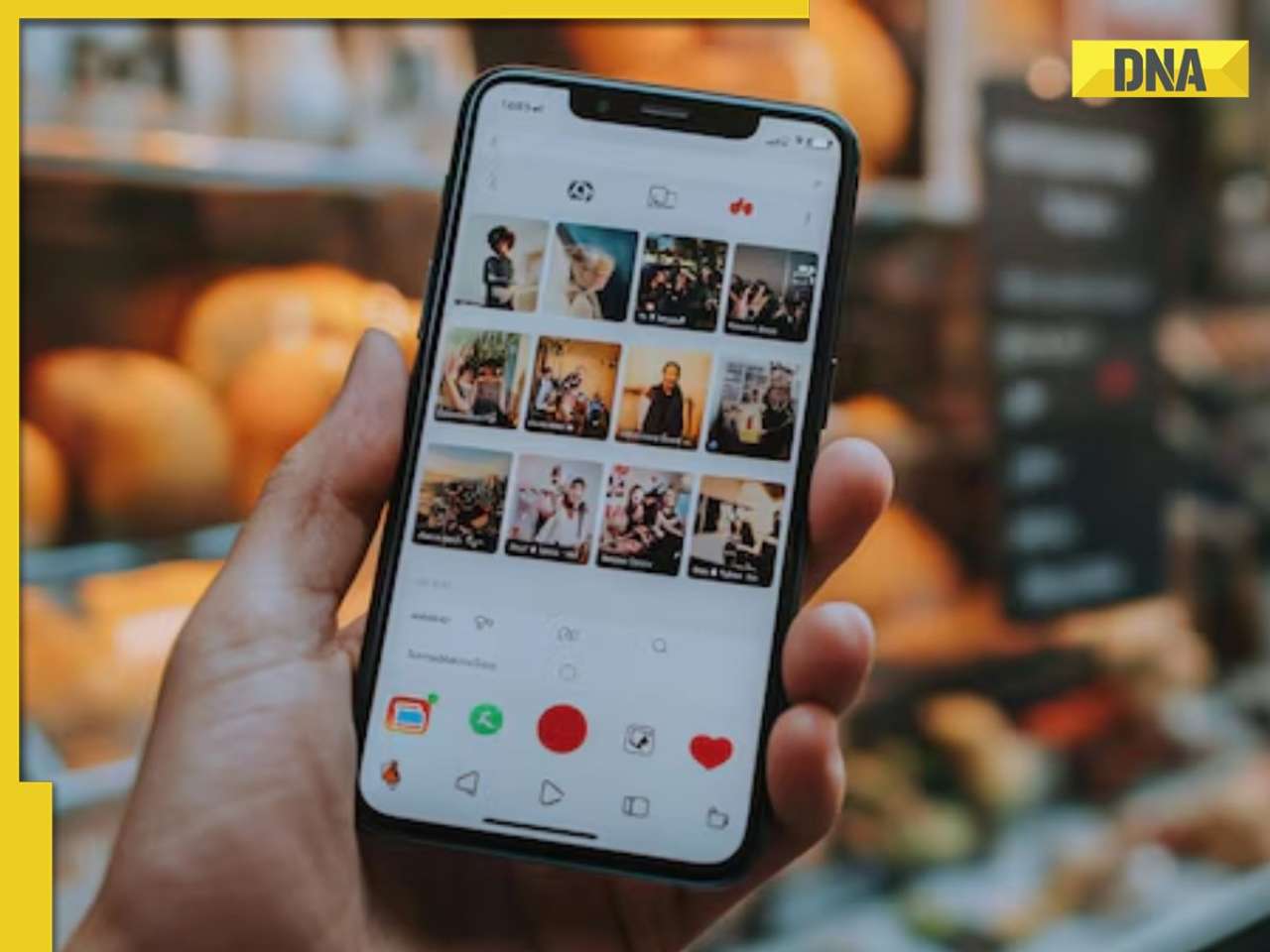
The advent of digital technology has been the most significant catalyst in this marketing metamorphosis. The traditional paradigm of brick-and-mortar establishments has been supplanted by a hybrid "click-and-mortar" ecosystem, where the online and offline consumer journeys are seamlessly integrated. Artificial intelligence, the burgeoning influence of social commerce, the omnipresence of mobile shopping, and the nascent possibilities of the metaverse have collectively sculpted a new retail reality. Within this intricate web of algorithms, personalized recommendations, and data analytics, a seemingly timeless element has quietly reasserted its dominance: beauty. Aestheticism in marketing is no longer a fleeting trend; it has become an intrinsic component of how consumers perceive, engage with, and ultimately choose brands.
This digital transformation has democratized access to information and amplified the power of visual communication. Social media platforms, in particular, have become potent engines of influence, particularly for younger demographics like Generation Z. Platforms such as Instagram and TikTok have fundamentally altered consumer psychology, transforming products from mere commodities into potent social symbols. The choice of a café is now often dictated by its Instagrammable ambiance; skincare products are selected as much for their shelf appeal as their efficacy; and technology gadgets are chosen for their visual harmony and their ability to project a desired lifestyle. This phenomenon underscores a fundamental truth: consumers are no longer simply buying products for their utility; they are investing in brands that align with their identity, offer emotional gratification, and provide a sense of social validation.
)
Aestheticism: A Timeless Pursuit in Modern Commerce
The concept of aestheticism, the philosophical and artistic emphasis on beauty, traces its roots back to the 19th century. Oscar Wilde, a fervent proponent of the movement, famously declared, "The art that is frankly decorative is the art to live with." This sentiment, once confined to the realms of art and literature, has now permeated the very fabric of modern commerce. Aestheticism in marketing has expanded its reach to encompass product design, packaging, retail environments, and even digital interfaces. Visual appeal has transcended its role as mere superficial adornment; it has become a primary and often the most compelling argument a brand can present. Companies are increasingly investing in designing products and curating experiences that are not only functional but also visually appealing, recognizing the profound impact of appearance on perception and desirability.

This shift reflects a broader evolution in human needs and desires. Since the dawn of civilization, humanity has strived to fulfill its needs using available resources. Over centuries, societal consumption patterns have evolved from basic necessities to highly specialized and identity-driven preferences. Marketing, in turn, has undergone several revolutions, not only in the products and services it offers but also in the very language and visual presentation it employs to connect with consumers. The pursuit of beauty, a constant thread throughout human history, has found a powerful new expression in the marketplace.
Pioneering Brands: Weaving Beauty into Brand DNA
)
Numerous global and domestic brands have astutely recognized and capitalized on the burgeoning importance of aesthetic-driven marketing. Apple, a titan of the tech industry, masterfully transformed minimalism into a powerful and instantly recognizable brand identity. Their sleek designs, intuitive interfaces, and meticulously curated retail spaces exude an aesthetic that speaks of innovation, sophistication, and user-centricity.
In the beauty and lifestyle sector, Glossier has built an empire on a foundation of pastel-toned, digital-native aesthetics. Their brand, characterized by its approachable and minimalist design, has fostered a loyal community of consumers who identify with its understated yet aspirational visual language. Airbnb, the global hospitality giant, actively encourages and rewards visually appealing, "Instagrammable" spaces, understanding that attractive listings not only attract bookings but also generate organic social media promotion.
)
Closer to home, Indian brands are also demonstrating a keen understanding of aesthetic marketing. Forest Essentials, a luxury Ayurvedic skincare brand, masterfully blends traditional Indian aesthetics with aspirational and sensory experiences. Their packaging, reminiscent of antique apothecary jars, evokes a sense of heritage and natural purity, while their retail spaces offer an immersive sensory journey. Qua, another notable Indian brand, focuses on artisanal craftsmanship and sophisticated design, appealing to a discerning consumer base. Re-Ceremonial, a contemporary Indian brand, imbues its products with a blend of tradition and modern elegance, creating a distinct visual narrative.
Direct-to-consumer (D2C) brands are also leveraging aesthetics with great success. boAt, a popular electronics brand, employs visually dynamic branding and energetic marketing campaigns to resonate with younger, digitally savvy consumers. The Souled Store, known for its pop culture-inspired apparel, utilizes vibrant and engaging visual content to connect with its target audience. Beyond product-focused brands, the hospitality and culinary industries are increasingly reliant on aesthetic appeal. Cafés, boutique hotels, and lifestyle restaurants now heavily prioritize ambiance and "photo-worthiness," transforming satisfied customers into active brand ambassadors through their social media sharing.
)
Fashion, Identity, and the Currency of Cultural Capital
The fashion industry, perhaps more than any other, exemplifies the profound influence of aesthetics on consumer choice and brand positioning. Iconic Indian designer Sabyasachi Mukherjee has built his global reputation not just on exquisite craftsmanship but also on his ability to weave heritage artistry with cinematic storytelling. His brand transforms aesthetics into a form of cultural capital, resonating with consumers who seek to express their connection to tradition and their appreciation for timeless elegance.
)
Weddings in contemporary India have become elaborate spectacles, meticulously curated for digital visibility. The décor, the attire, the overall visual coherence of the event carry significant social weight, reflecting the growing importance of aesthetics in communicating status, taste, and belonging. In today’s hyper-connected attention economy, visibility itself has become a valuable currency. Products and experiences are increasingly expected to align with curated lifestyles and to effectively communicate aspiration, social standing, and a sense of belonging to a particular group or community.
This phenomenon extends beyond the realm of luxury. Even everyday items, from stationery to home decor, are subject to aesthetic scrutiny. Consumers are actively seeking products that not only serve a purpose but also enhance their personal environment and contribute to their curated online presence. The visual narrative of an individual’s life, often constructed through social media, is increasingly influenced by the aesthetic choices they make in their consumption patterns.
)
Navigating the Ethical Terrain: When Beauty Meets Responsibility
While the ascendance of aesthetic marketing offers compelling benefits for brands and consumers alike, it also raises significant ethical considerations that warrant careful examination. A primary concern is whether the emphasis on visual appeal might overshadow genuine substance and quality. The potential for aesthetic appeal to manipulate consumers into valuing appearance over intrinsic value is a complex issue. Many industries are increasingly blurring the lines between authentic value and manufactured desirability, leading to a marketplace where perception can easily trump reality.
)
Furthermore, the pervasive influence of narrow definitions of beauty can have exclusionary consequences. When brands primarily showcase a specific aesthetic, they risk marginalizing individuals across diverse class, ethnic, body type, and economic backgrounds. This raises a critical challenge for brands: how to foster inclusivity and ensure that the pursuit of beauty does not devolve into exclusivity. The industry must actively strive to represent a broader spectrum of beauty and to ensure that aesthetic appeal is not reduced to a privileged or unattainable ideal.
The creation of aspirational lifestyles through marketing can also foster feelings of inadequacy and pressure among consumers. The constant bombardment of perfectly curated images and lifestyles can lead to social comparison and a sense of not measuring up, particularly for those who do not have the financial resources or social capital to emulate these ideals. Brands have a responsibility to consider the broader societal impact of their aesthetic messaging and to promote a more balanced and realistic representation of life.
)
The Enduring Power of Beauty in the Marketplace
Despite these ethical nuances, the rise of aestheticism in marketing is an undeniable and enduring phenomenon. It reflects a deeper, more fundamental human desire for meaningful, emotionally rich, and aesthetically pleasing experiences. In a hyper-digital world, saturated with an overwhelming volume of choices, aesthetics serve as a powerful simplifying mechanism. They offer emotional resonance, making decision-making more intuitive and engaging.
)
Beauty in commerce is no longer a mere luxury; it has become an expectation that profoundly shapes how consumers interact with brands. It transforms the act of consumption from a purely transactional event into a memorable and often deeply personal experience. Today, beauty in marketing is not simply decorative; it is cultural, strategic, performative, and, crucially, economic. Brands that understand and effectively integrate aesthetics into their core strategy are not just selling products; they are selling experiences, identities, and a vision of a more desirable reality, forever altering the landscape of how we choose what we buy and why. The pursuit of beauty, a constant in human history, has found its most dynamic and influential canvas in the modern marketplace.
