

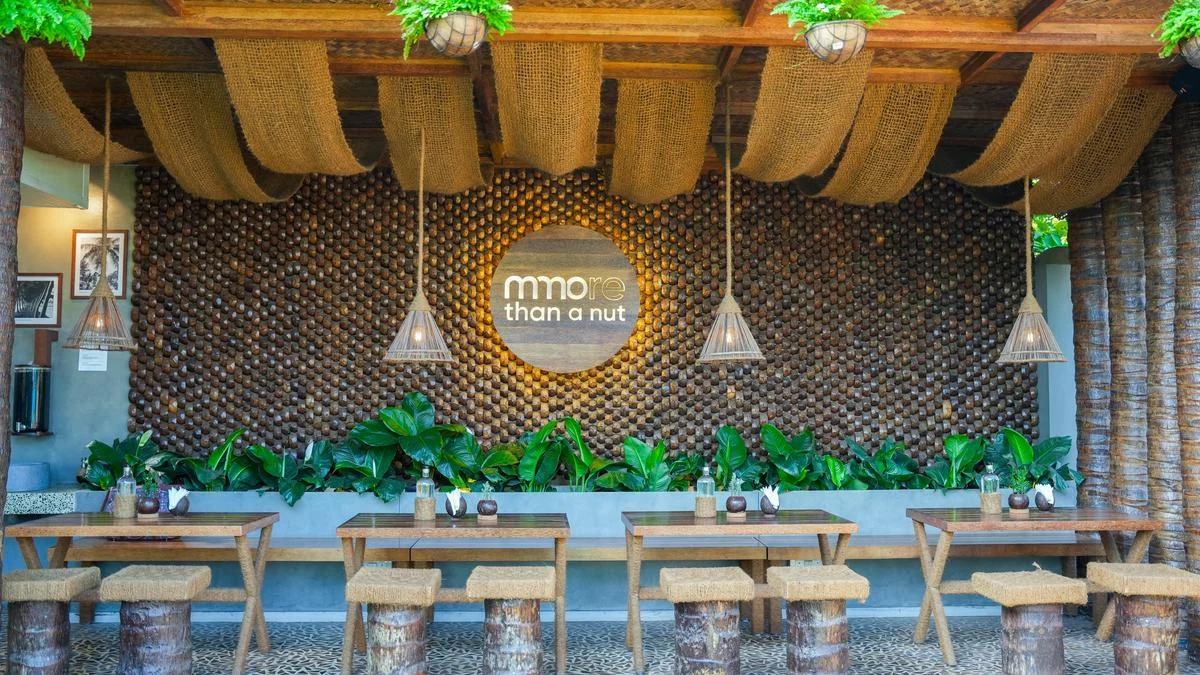
ALUVA, KERALA — In the heart of Aluva, a bustling town near Kochi, a revolutionary architectural and culinary experiment is taking root. While the coconut tree, or Kalpavriksham, has been the backbone of Kerala’s landscape and economy for millennia, its status has often been relegated to a humble commodity. However, a new venture titled MMore Than A Nut is challenging this perception, transforming every conceivable part of the coconut into a high-end lifestyle experience.
Founded by Ubais Ali, the cafe and experience center represents a paradigm shift in how value-added agricultural products are marketed in India. From the floors beneath one’s feet to the dairy-free hot chocolate in the cups, the establishment is a testament to the versatility of the coconut, aiming to elevate it from a backyard staple to a global superfood and sustainable industrial resource.
Main Facts: A Monothematic Marvel in Aluva
Located strategically near Rajagiri Hospital, MMore Than A Nut is far more than a conventional coffee shop. It is a "brand immersion center" where the coconut is the sole protagonist. The concept is absolute: if it can be made from a coconut tree, it is found here.
Architectural Innovation
The physical space of the cafe serves as a live showroom for coconut-based construction and interior design. Visitors are often surprised to learn that the sturdy tables and benches are crafted from coconut wood—a material traditionally considered difficult to cure but exceptionally durable when processed correctly.
The aesthetic details go deeper:
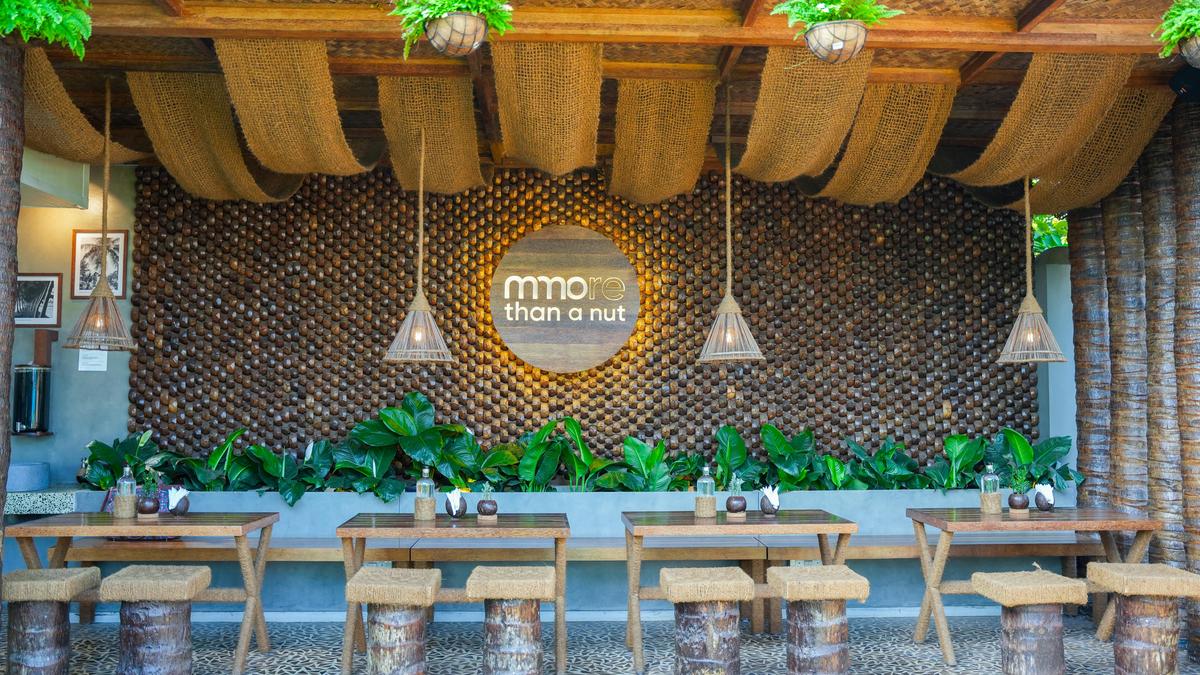
- Flooring and Cladding: The cafe features unique flooring made from coconut shell fragments, creating a mosaic effect reminiscent of traditional terrazzo but with a warmer, organic texture. Coconut wood is also utilized for wall tiles and cladding.
- Lighting and Decor: The ambient glow of the cafe comes from lampshades fashioned from polished coconut shells. Even the garden lights and exterior fixtures follow this theme.
- Functional Utilities: In a commitment to the "zero-waste" philosophy of the tree, even the dustbins and stationery holders are derived from coconut byproducts.
A Culinary R&D Hub
While the interiors draw the eye, the menu targets the palate with coconut-centric innovations. Operating out of a specialized research and development (R&D) kitchen on the second floor of the adjacent Mezhukkattil Mills, the cafe serves as a testing ground for products that are eventually exported worldwide. The culinary offerings are designed to prove that coconut can replace dairy, gluten, and synthetic fats without compromising on taste.
Chronology: From 1976 Oil Mill to 21st-Century Experience Center
The story of MMore Than A Nut is inextricably linked to the history of Mezhukkattil Mills (MMO), a name synonymous with coconut processing in Kerala for nearly half a century.
The Foundation (1976–2000s)
The journey began in 1976 when Ubais Ali’s father established a traditional oil mill. For decades, the mill focused on the primary extraction of coconut oil, serving local markets and wholesale distributors. During this period, the coconut industry in Kerala faced significant challenges, including fluctuating commodity prices and competition from cheaper vegetable oils like palm oil.
The Shift to Value Addition (2010s)
As Ubais Ali took a leadership role in the family business, the focus shifted from raw commodity sales to value-added products (VAPs). Recognizing that the future of Kerala’s agriculture lay in processing, the mill began diversifying into virgin coconut oil (VCO), coconut milk powder, and desiccated coconut. The MMO brand began to find traction in international markets, where the demand for organic and vegan alternatives was skyrocketing.
The Birth of the Cafe (The 2020s)
The idea for MMore Than A Nut was born from a realization that while the world was embracing coconut water and oil, the local population was beginning to undervalue its own heritage. Ubais Ali envisioned a space where the "goodness of the coconut" could be advocated for directly. The cafe was constructed outside the large-scale factory unit to provide easy access to the public and travelers on the Aluva route, officially opening its doors to showcase the potential of the Kalpavriksham in a modern, chic setting.

Supporting Data: The Versatility of the ‘Wish-Fulfilling Tree’
The "wish-fulfilling" nature of the coconut is backed by the diverse range of products housed within the cafe’s retail section and featured on its menu.
Industrial and Homeware Products
The store stocks an exhaustive list of coconut derivatives, highlighting the tree’s industrial footprint:
- Edibles: Coconut flour (a gluten-free alternative), coconut vinegar (natural and probiotic-rich), coconut butter, and cooking pastes.
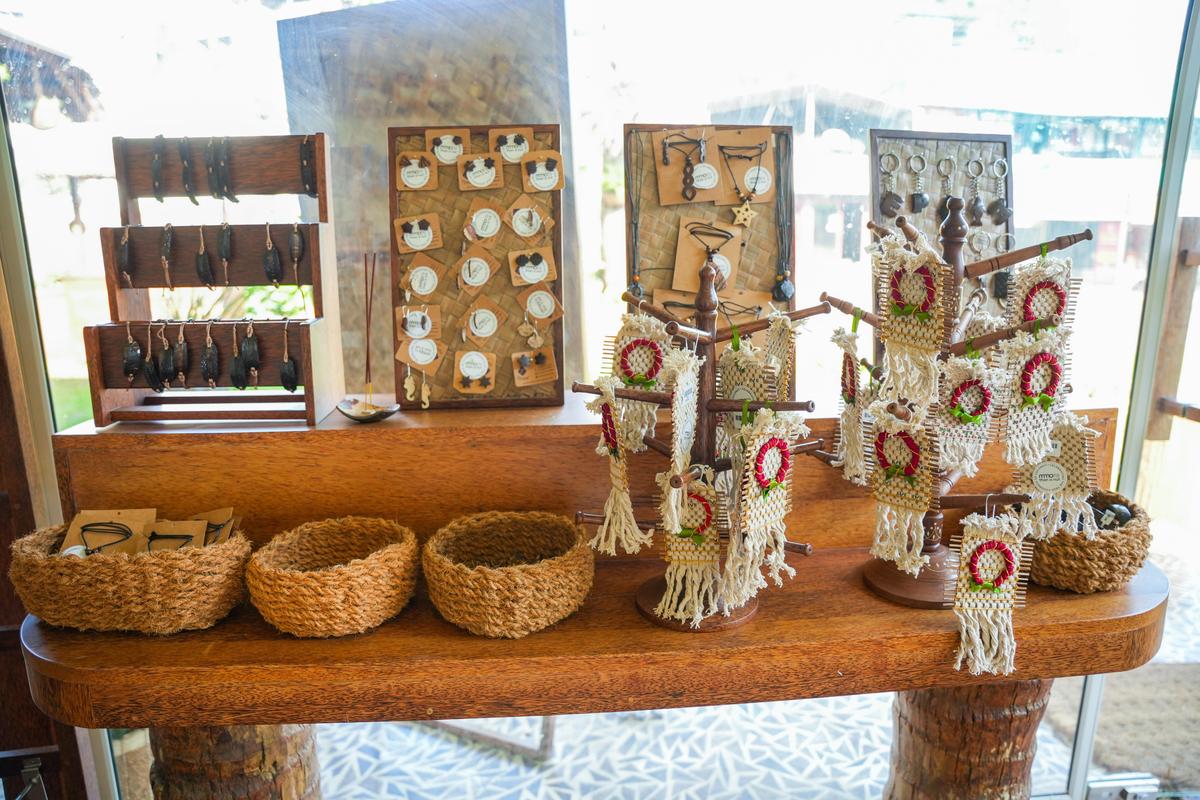
- Livelihood Products: Mats, brushes, and accessories made from coconut fiber (coir).
- Kitchenware: Polished coconut shell bowls, spoons, and spatulas that offer a biodegradable alternative to plastic and metal.
Nutritional and Culinary Profile
The cafe’s menu is a result of extensive R&D, focusing on the health benefits of the medium-chain triglycerides (MCTs) found in coconuts.
- The Beverage Revolution: One of the standout items is the dairy-free hot chocolate, which uses coconut milk to provide a rich, creamy texture. The menu also features "Neera"—the sweet, non-alcoholic sap collected from the coconut inflorescence. Unlike toddy, Neera is unfermented and chilled immediately, preserving its high mineral and vitamin content.
- Baked Goods: The "Travel Cakes" are a significant innovation. Using coconut flour and desiccated coconut, these cakes (available in flavors like coconut-banana and coconut-chocolate) are designed to remain fresh for several days without refrigeration, making them ideal for travelers.
- Fusion Desserts: The R&D team has successfully integrated coconut into international recipes, such as coconut-pistachio baklava, coconut panacotta, and coconut-infused brownies.
Official Responses: Advocacy and Vision
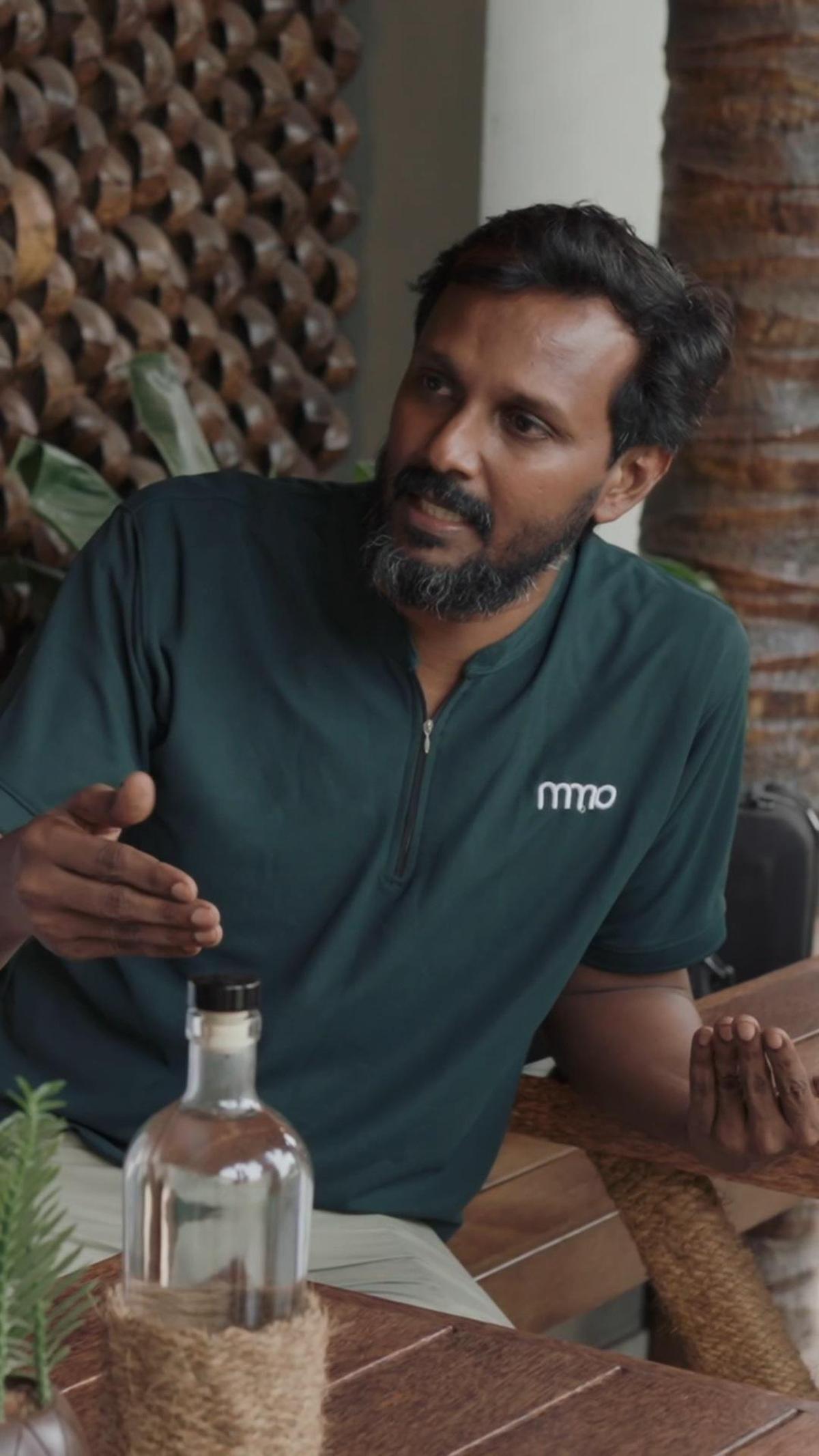
Ubais Ali, the driving force behind the initiative, views the cafe as a platform for advocacy. He argues that the Indian coconut industry has been modest for too long while international products receive massive marketing budgets.
The Founder’s Perspective
"We see a lot of content about raisins and almonds from other countries. How about we push our produce? Like coconuts, in this case," Ali states. He emphasizes that the cafe is not just a business but a mission to restore the coconut’s status in the Kerala lifestyle. "We need to give the coconut its due… especially for those of us from Kerala. It is part of our everyday lives, yet it is so undervalued."
Recognition and Innovation
Mezhukkattil Mills has not gone unnoticed by the state and central authorities. The company has received several awards from the Government of India and the Coconut Development Board (CDB) for its innovations in product development and packaging design. These accolades underscore the mill’s role as a leader in the "Make in India" initiative within the agricultural sector.
The government has frequently pointed to MMO as a model for how traditional industries can modernize. By focusing on packaging that meets international standards, MMO has been able to export Kerala’s coconuts to premium markets in Europe, the Middle East, and North America.
Implications: The Future of Value-Added Agriculture in Kerala
The success and unique positioning of MMore Than A Nut have broader implications for the regional economy and the global perception of sustainable agriculture.
Economic Impact on Local Farmers
By creating a high-value market for every part of the coconut, including the shell and the wood, ventures like this increase the "per-tree" revenue for local farmers. When a coconut is no longer just a source of oil but a source of flour, furniture, and gourmet beverages, the entire supply chain benefits. This creates a buffer for farmers against the volatile prices of raw copra.
Environmental Sustainability and the Circular Economy
MMore Than A Nut serves as a functional model of the "Circular Economy." In a world increasingly desperate for plastic alternatives, the cafe demonstrates that the coconut shell—often discarded as waste or burnt as low-grade fuel—can be upcycled into high-end flooring, cutlery, and decor. The use of coconut wood for furniture also provides a sustainable alternative to tropical hardwoods, as coconut trees are typically cut down only when they cease to be productive (senile trees), making the timber a byproduct of the agricultural cycle.
Tourism and Branding
For Kerala, a state that thrives on tourism, MMore Than A Nut adds a new dimension to the "God’s Own Country" brand. It offers a sophisticated, "farm-to-table" (or "tree-to-table") experience that appeals to health-conscious travelers and those interested in sustainable living. It moves the narrative of Kerala’s coconuts from the traditional "oil and curry" trope to one of innovation and luxury.
Conclusion: A Blueprint for the Future
Ubais Ali’s vision for MMore Than A Nut is a bold statement on the potential of indigenous resources. By blending traditional wisdom—the concept of the Kalpavriksham—with modern R&D and contemporary aesthetics, the cafe provides a blueprint for other agricultural sectors in India. It proves that with the right branding and innovation, the most common of local nuts can indeed become "more than a nut."
As the cafe continues to expand its menu and product line, it stands as a beacon for the next generation of entrepreneurs, reminding them that the most valuable innovations often grow in one’s own backyard.
