

By Journalistic Staff
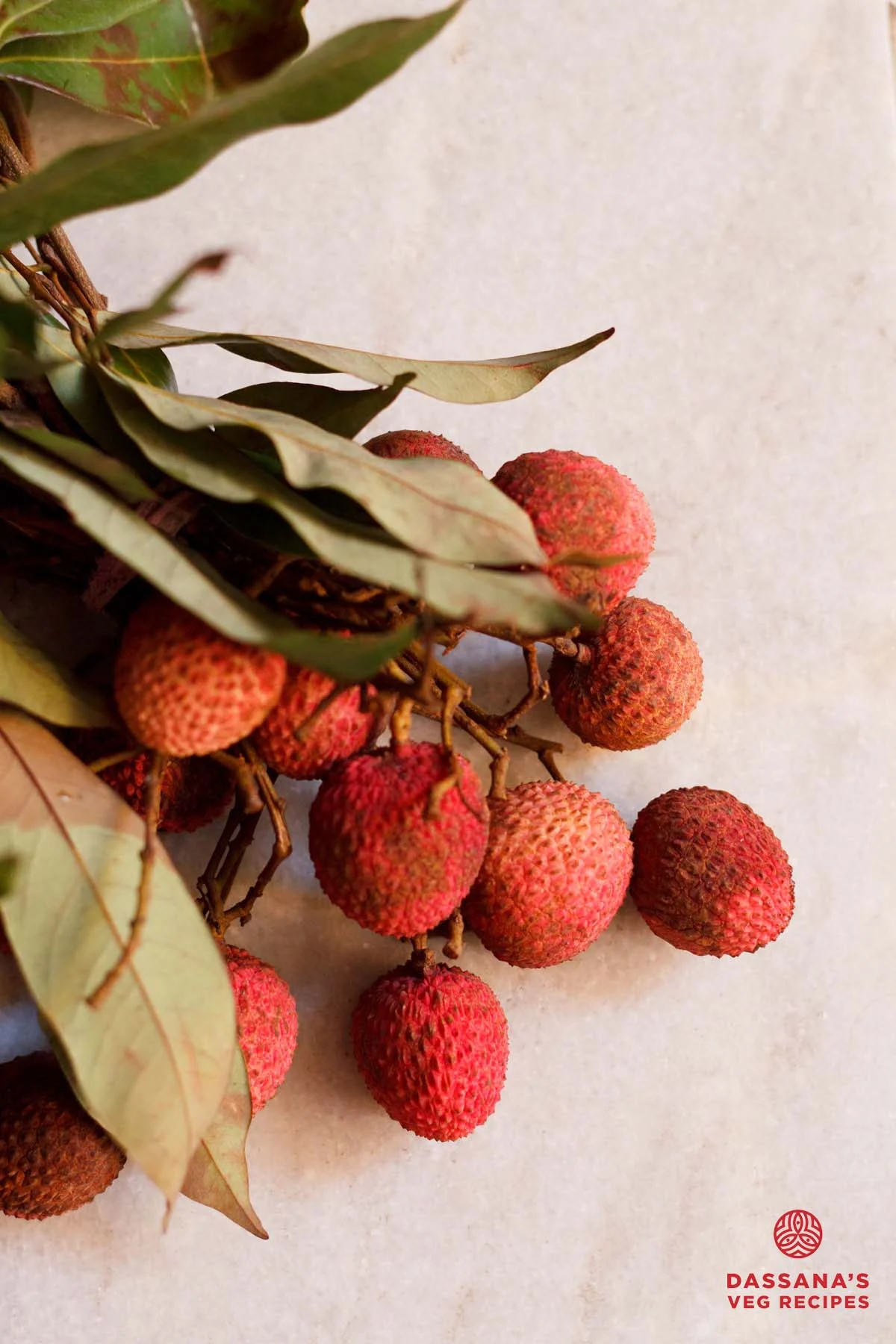
As the mercury climbs across the Indian subcontinent and Southeast Asia, a seasonal ritual begins in the orchards of Bihar, West Bengal, and northern Thailand. The arrival of the litchi (Litchi chinensis)—a fruit characterized by its leathery, strawberry-red exterior and its translucent, floral-scented flesh—marks a pivotal moment in the culinary calendar. While the commercial beverage industry has long sought to capture the essence of this tropical drupe in shelf-stable cartons, a growing movement toward "clean label" consumption and artisanal home-cooking is bringing the traditional, handmade litchi juice back to the forefront of summer wellness.
The preparation of fresh litchi juice is more than a simple culinary task; it is a meticulous process that balances the fruit’s natural sweetness with citric acidity, providing a nutritional profile that processed alternatives cannot match. This report explores the technical, nutritional, and cultural dimensions of litchi juice, examining why this short-season beverage remains a cornerstone of tropical hydration.
I. Main Facts: The Anatomy of a Seasonal Super-Drink
Litchi juice, in its purest form, is a blend of fresh litchi pulp, water, and a balancing agent—typically lemon juice. Unlike its mass-produced counterparts, which often rely on reconstituted concentrates, artificial "lychee" flavorings, and high-fructose corn syrup, the homemade variant is an exercise in minimalist gastronomy.
The Flavor Profile
The litchi is prized for its complex flavor chemistry. It contains high concentrations of volatile compounds that produce a scent and taste often described as a hybrid between a Muscat grape and a rose. This floral quality is highly volatile; it degrades quickly when exposed to the high-heat pasteurization processes required for commercial bottling. Consequently, the only way to experience the true organoleptic profile of the fruit is through immediate extraction and consumption.
The Ingredients of Integrity
A standard artisanal preparation requires:
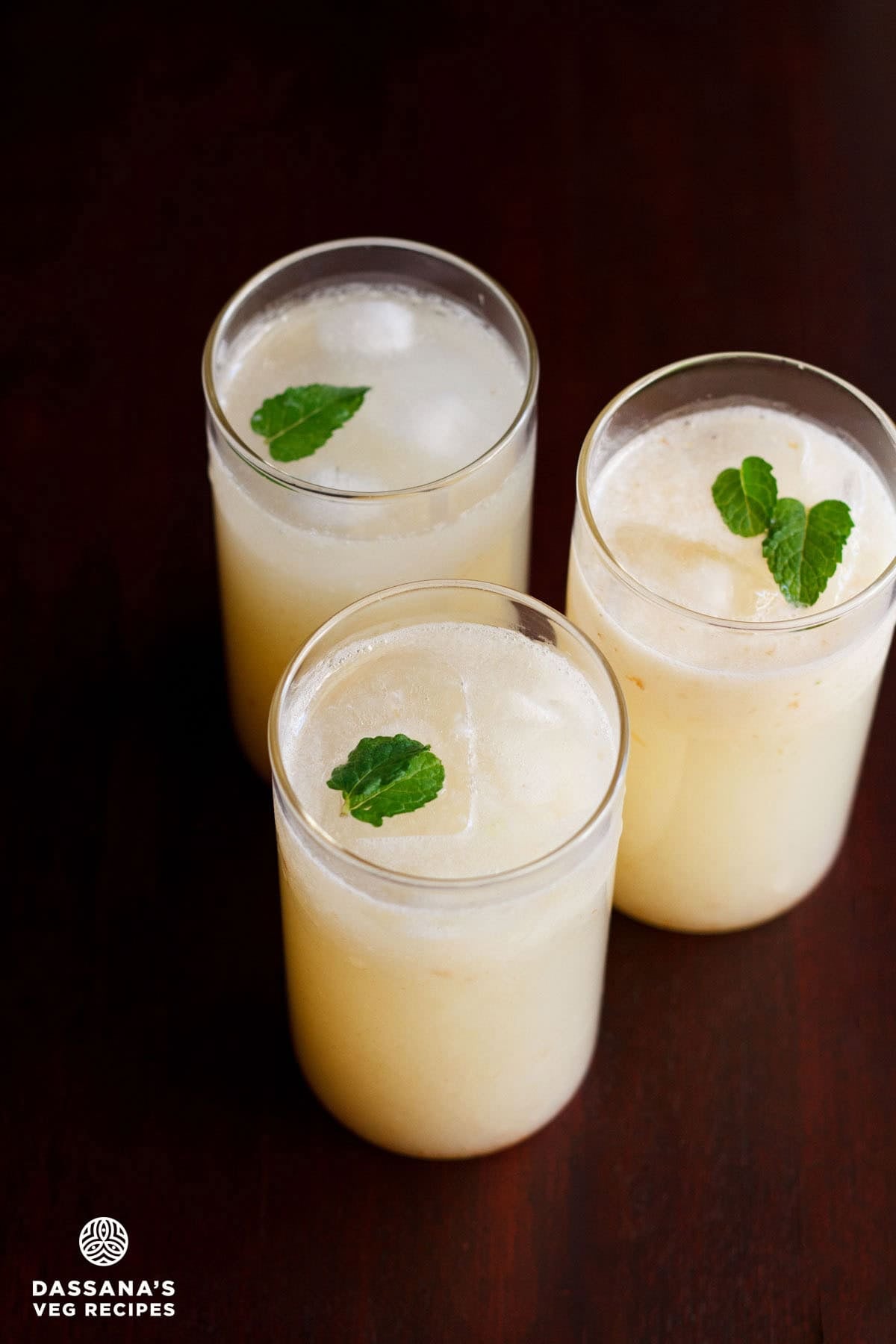
- Fresh Litchis: 14 to 15 fruits per liter of juice to ensure a robust body.
- Citrus Component: Fresh lemon juice acts as a pH balancer, cutting through the dense sweetness of the litchi.
- Sweetener: While the fruit is naturally high in sugar, a small amount of additional sweetener is often used to stabilize the flavor when diluted with water.
- Hydration Base: Filtered water is used to adjust the viscosity from a thick puree to a light, refreshing beverage.
II. Chronology: The Journey from Orchard to Glass
The lifecycle of litchi juice is dictated by a remarkably narrow window of availability. The litchi season in India typically lasts only six to eight weeks, peaking between May and June. The process of transforming this fruit into a beverage involves a specific chronological sequence to ensure safety and flavor retention.
Phase 1: Selection and Sanitation
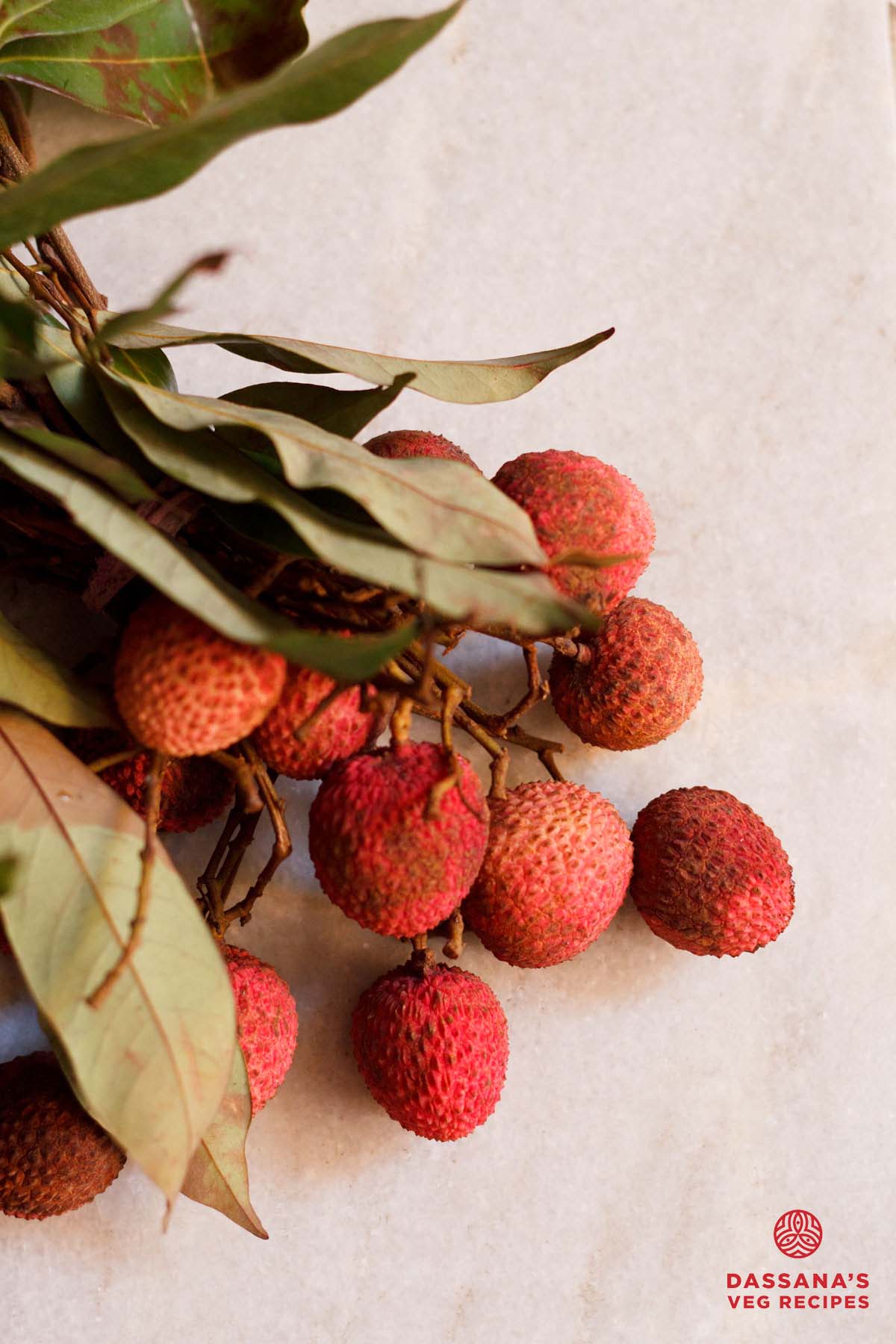
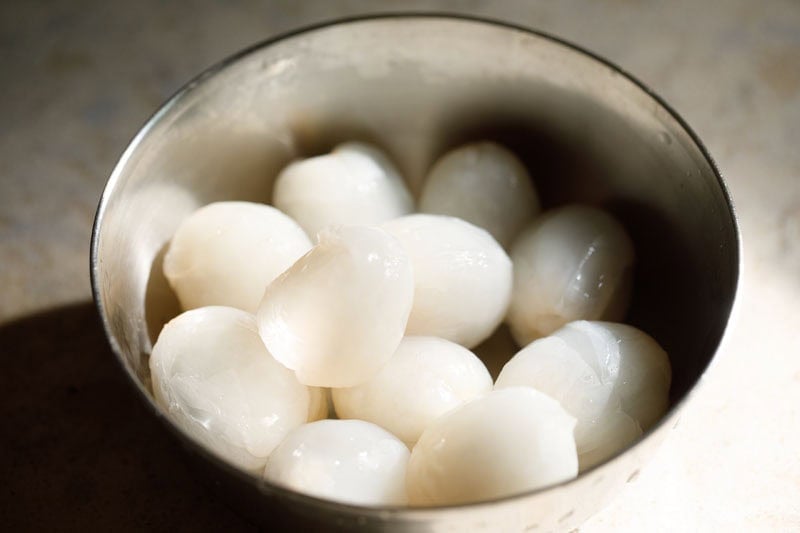
The process begins with the rigorous selection of fruit. Culinary experts emphasize that the fruit must be rinsed under running water to remove orchard dust and potential pesticide residue. Because the litchi is a high-sugar fruit grown in humid conditions, the first step of peeling is also the first step of quality control. Each fruit must be inspected for the presence of the litchi fruit borer or signs of fermentation.
Phase 2: Manual Extraction
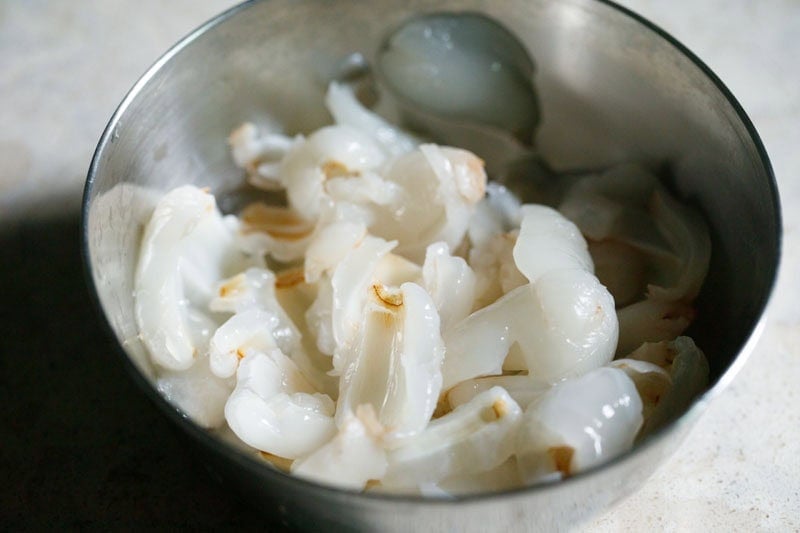
Once peeled, the flesh is separated from the large, dark brown seed. This is typically done by hand or with a paring knife to ensure the "rag" (the bitter internal membrane) is not included in the pulp. This stage is labor-intensive, which is why artisanal litchi juice is often considered a premium or "luxury" home beverage.
Phase 3: Emulsification and Blending
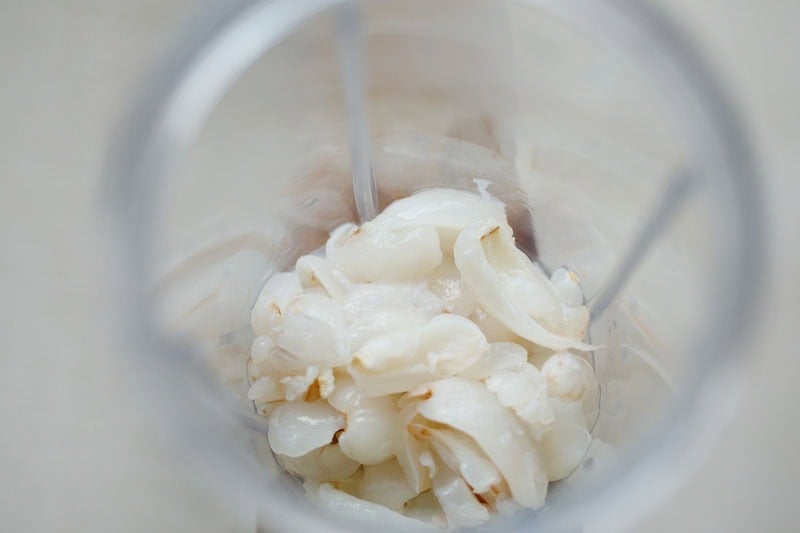
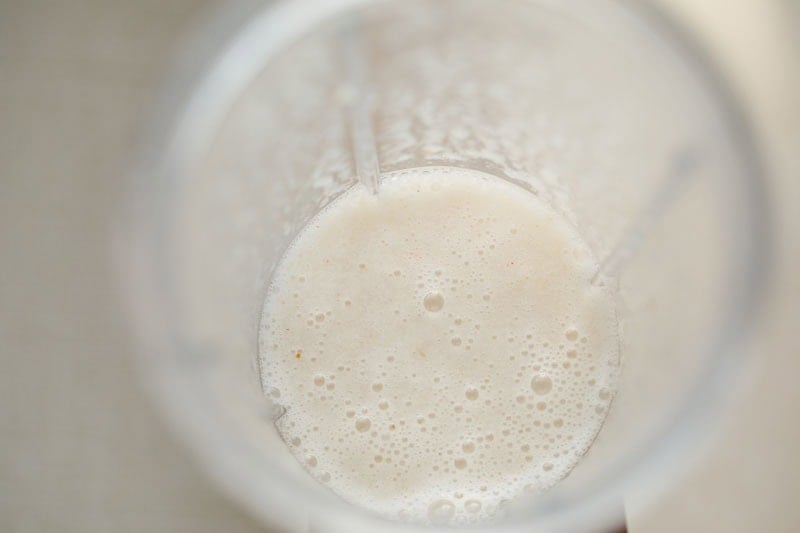
The pulp is then processed in a high-speed blender. In professional and high-end home settings, this is done without water initially to create a smooth, concentrated puree. Only after the cellular structure of the fruit is broken down is the water introduced.
Phase 4: Balancing and Stabilization
In the final stage, lemon juice and sugar are integrated. The mixture is stirred until the solutes are fully dissolved. This stage is critical for "shelf-life" in a domestic setting; while the juice is best served immediately, the addition of citric acid from the lemon helps prevent the rapid oxidation that turns fresh juice from pearlescent white to a dull brown.
III. Supporting Data: Nutritional Efficacy and Chemical Composition
From a nutritional standpoint, fresh litchi juice is a powerhouse of Vitamin C and polyphenols. Data from nutritional analyses of homemade preparations (approximately 3 servings) reveal a compelling case for its inclusion in a summer diet.
Nutritional Breakdown (Per Serving)
- Energy: 93 kcal
- Vitamin C: 55 mg (Approx. 60–70% of the Recommended Dietary Allowance for adults)
- Carbohydrates: 24g (primarily natural fructose and glucose)
- Potassium: 150 mg
- Fiber: 2g
The Vitamin C Advantage
The most significant data point is the 55 mg of Vitamin C. Vitamin C is a known antioxidant that aids in skin health and immune function—both of which can be taxed by extreme summer heat and UV exposure. In contrast to "fruit-flavored drinks" that may contain 0% actual juice, this homemade preparation provides a bioavailable source of essential vitamins.
Electrolyte Balance
The presence of 150 mg of potassium makes litchi juice an effective natural electrolyte replacer. During periods of heavy perspiration, the body loses essential salts; the combination of water, natural sugars, and potassium in litchi juice provides a rapid rehydration mechanism that is gentler on the stomach than many synthetic sports drinks.
IV. Official Responses and Expert Culinary Insights
Culinary historians and nutritionists have weighed in on the significance of maintaining traditional beverage recipes in an era of ultra-processed foods.
The "Clean Label" Perspective
Food scientists argue that the primary "official" benefit of the homemade litchi juice recipe is the absence of preservatives. "When you look at a commercial lychee drink, you often see sodium benzoate or potassium sorbate," says a nutrition consultant. "While these are safe in small quantities, they alter the flavor. The homemade approach, using only lemon juice as a natural preservative, maintains the integrity of the fruit’s micronutrients."
Safety Protocols: Addressing the "Worm" Factor
A recurring concern in the consumption of fresh litchis is the presence of larvae. Expert culinary guidelines, such as those provided by prominent Indian food researchers, mandate that every single fruit must be manually inspected during the peeling process. Discarding discolored or compromised fruit is not just a matter of taste; it is a primary safety protocol to ensure the juice is free from biological contaminants.
The Role of Temperature
Professional chefs suggest that the "chilling" of litchi juice is not merely for comfort. Cold temperatures help to tighten the floral notes of the juice, making the flavor appear "crisper" on the palate. However, experts warn against over-dilution with ice, which can mute the delicate Muscat-like aroma.
V. Implications: The Future of Seasonal Consumption
The resurgence of interest in fresh litchi juice has broader implications for health, the environment, and the local economy.
1. The Shift Toward Naturalism
There is a documented shift in consumer behavior toward "functional beverages"—drinks that provide health benefits beyond simple hydration. Litchi juice fits this paradigm perfectly. As consumers become more literate in reading ingredient labels, the appeal of a drink that can be made in 15 minutes with four recognizable ingredients grows exponentially.
2. Economic Impact on Local Farming
The demand for fresh litchis for home juicing supports local agricultural networks. Because the fruit has a poor shelf life once harvested, the "fresh juice" trend encourages a shorter supply chain, ensuring that farmers receive better margins for high-quality, unbruised fruit that can be sold directly to consumers rather than being diverted to industrial processing plants at lower price points.
3. Cultural Preservation
Litchi juice is part of a larger tapestry of Indian summer coolers, alongside Aam Panna (green mango drink), Kokum Sharbat, and Nimbu Pani. By prioritizing these recipes, modern households are preserving a form of "edible heritage" that celebrates biodiversity and seasonal eating.
4. Storage and Sustainability
The final implication of this trend is a move toward "zero-waste" and "small-batch" production. The recommendation to consume litchi juice within 4 to 5 hours of preparation discourages the over-consumption and waste associated with large-format plastic bottles. It encourages a "made-to-order" philosophy that aligns with modern sustainability goals.
Conclusion
Litchi juice is far more than a refreshing beverage; it is a seasonal phenomenon that captures the intersection of traditional wisdom and modern nutritional science. As we move further into a decade defined by a return to "slow food" and ingredient transparency, the simple act of peeling, blending, and balancing a litchi will remain a vital ritual for those seeking to navigate the tropical summer with both health and pleasure in mind. Whether served as a welcome drink for a gathering or a private afternoon cooler, the litchi juice stands as a testament to the enduring power of fresh, seasonal produce.
