ASSAGAO, GOA — In the lush, sun-dappled lanes of Assagao, a village often referred to as the "Beverly Hills of Goa" for its upscale boutiques and restored villas, a new culinary landmark has emerged. Kesar Bagh, the latest venture from Chef Azaan Qureshi and hospitality mogul Priyank Sukhija, is more than just a restaurant; it is a meticulously crafted bridge between the regal courts of 18th-century Lucknow and the colonial charm of 19th-century Goa.
By blending the sophisticated Dum Pukht (slow-cooking) techniques of the Qureshi lineage with the architectural grandeur of a 180-year-old Portuguese bungalow, Kesar Bagh is redefining the high-end dining landscape in India’s favorite holiday destination.
Main Facts: A Pedigree of Culinary Excellence
Kesar Bagh represents the flagship property of Chef Azaan Qureshi, a name that carries the weight of Indian culinary royalty. Azaan is the grandson of the legendary Padma Shri awardee Chef Imtiaz Qureshi—the man credited with reviving the Dum Pukht style and establishing iconic institutions like Bukhara and Dum Pukht at ITC Maurya, Delhi.
The restaurant, which opened its doors in April 2024, is a collaborative effort between Azaan and Priyank Sukhija, the CEO and Managing Director of First Fiddle F&B. Sukhija, known for his mid-to-large scale successful ventures across India, brings the business acumen to match Qureshi’s technical mastery.

Spread across half an acre, Kesar Bagh offers a seating capacity for 120 guests. The establishment is divided into a series of intimate indoor dining rooms and two expansive al fresco areas, including "Kesar," an outdoor bar that specializes in seasonal infusions. The menu is a curated journey through Awadhi history, focusing on the Galawat (tenderizing) and Dum (steam-pressure) techniques that have been perfected by the Qureshi family over generations.
Chronology: From the Courts of Wajid Ali Shah to the Shores of Anjuna
The story of Kesar Bagh begins not in Goa, but in the historic Qaiser Bagh palace complex of Lucknow. Built by Wajid Ali Shah, the last Nawab of Awadh, Qaiser Bagh was a testament to the "Golden Age" of Lucknowi culture, where art, music, and cuisine reached their zenith. It is this era of indulgence and refinement that Chef Azaan sought to replicate.
The path to opening Kesar Bagh followed a decade-long preparation:
- The Lineage (1970s–1980s): Chef Imtiaz Qureshi establishes the gold standard for North Indian fine dining at ITC Hotels. His sons, including Chef Ghulam Qureshi (Azaan’s father), continue to refine these secret family recipes.
- The Apprenticeship (2009–2024): Azaan Qureshi spends 15 years within the ITC hotel ecosystem, learning the "finer nuances" of the trade from both his father and grandfather. He masters the art of the Kebabchi (the specialist kebab maker) and the Rakhabdar (the gourmet chef).
- The Pivot (Late 2023): Originally, the flagship Kesar Bagh was slated to open in the corporate hub of Gurugram. However, during a scouting trip to Goa, Azaan and Priyank Sukhija encountered a derelict but majestic 180-year-old Portuguese bungalow in Assagao.
- The Launch (April 2024): After a comprehensive restoration that preserved the bungalow’s original character, Kesar Bagh officially opened, marking a shift in Goa’s food and beverage (F&B) scene from coastal-centric menus to specialized regional Indian heritage cuisine.
Supporting Data: The Alchemy of the Awadhi Kitchen
To understand the appeal of Kesar Bagh, one must delve into the technical precision of the food. The menu is a masterclass in textures, many of which require days of preparation before they ever reach the table.

The Signature Kebabs
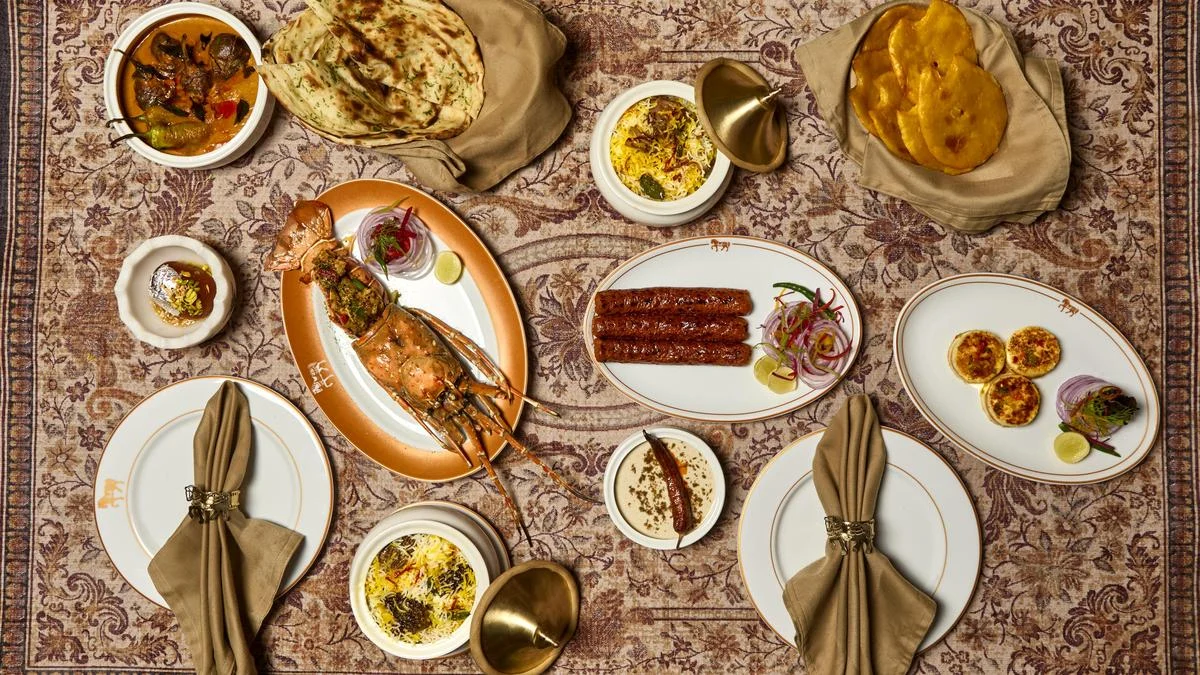
The standout dish, the Kakori Kebab, is described by diners as a "religious experience." Unlike the more common Seekh kebab, the Kakori is renowned for its "melt-in-the-mouth" quality. This is achieved through Galawat, a technique using raw papaya enzymes to break down the lamb fibers into a fine paste. Azaan notes that this specific recipe has been perfected over 30 to 50 years.
Another technical marvel is the Takka Paisa Kebab. Named after a traditional coin-sized shaping technique, it features mashed potatoes wedged between roundels of cottage cheese. The challenge lies in the pan-grilling process, where all three components must remain structurally sound while achieving a charred exterior.
Innovation within Tradition
While the restaurant remains rooted in history, there are flashes of modern inspiration:
- Gucchi-Subz-E-Zar: This dish features jumbo Himalayan morels (Gucchi), some of the most expensive fungi in the world. Inspired by his grandfather’s exposure to French culinary techniques, Azaan stuffs the morels with clotted cream and potato, serving them in a rich, salan-style gravy.
- Doodh Garlic Naan: A departure from standard leavened breads, this naan is kneaded with curd, milk, and cheese, resulting in a texture that is both soft and resilient.
- Murgh Chandi Tikka: A visually stunning dish where succulent chicken is wrapped in edible silver foil (vark), reminiscent of the opulent banquets of the Nawabs.
The Architectural Canvas
The restaurant’s physical environment is as much a draw as the food. The design palette uses salmon pink and teal, a departure from the usual earthy tones of North Indian restaurants.

- Preservation: The 180-year-old doors and high-tiled roofs remain intact.
- Artistry: The walls are adorned with vibrant paintings by the renowned artist Thota Vaikuntam, creating a dialogue between traditional Indian art and the colonial architecture of the space.
- Ambiance: A central marble fountain strewn with rose petals greets guests, while the "Kesar" bar serves contemporary drinks like the Mango Kesar Spritzer, bridging the gap between traditional flavors and modern mixology.
Official Responses: Carrying the Qureshi Mantle
For Chef Azaan Qureshi, Kesar Bagh is a deeply personal project that carries the weight of a family legacy. In a landscape where "fusion" often dilutes authenticity, Azaan is adamant about maintaining the purity of his craft.
"In Awadhi cuisine, it’s not just about the masalas; it’s the dum technique that is special," Azaan explained during the restaurant’s launch. "It makes even fewer spices seem more complex through a longer, more patient process. This is the heritage I have been entrusted with."
When asked about the pressure of the Qureshi name, Azaan remains focused on the educational aspect of the dining experience. He aims to introduce guests to the specific terminology of the Awadhi kitchen—terms like Kebabchi and the history of specific spice blends.
Regarding the expansion of the brand, Azaan expressed a sense of duty to the cuisine. "Awadhi food has reached Tokyo and New York, but we need to ensure its highest form is preserved and celebrated right here in India. If I don’t do it, who will?" his partner Priyank Sukhija added that the choice of Goa was strategic, as the state has become a global melting pot where international and domestic tourists are increasingly seeking "authentic, high-concept regional experiences."

Implications: A New Era for Goan Gastronomy
The opening of Kesar Bagh signifies a broader shift in the Indian hospitality industry. For decades, Goa’s culinary identity was defined by its coastal geography—Vindaloo, Xacuti, and fresh seafood were the primary draws. However, the "Assagao Revolution" has seen a surge in specialized, non-local cuisines finding a permanent home in the state.
1. Diversification of the Palate
The success of Kesar Bagh suggests that the Goan market is mature enough to support high-end regional Indian cuisine that does not rely on local ingredients. By importing the flavors of the North, Kesar Bagh is helping turn Goa into a year-round "culinary destination" rather than just a seasonal beach getaway.
2. Heritage Conservation through Commerce
The use of a 180-year-old Portuguese bungalow sets a precedent for "adaptive reuse" in architecture. By transforming a historical residence into a commercial success, the project provides a blueprint for how Goa’s aging colonial structures can be preserved without losing their economic viability.
3. The Democratization of Fine Dining
While the "Meal for Two" is priced at approximately ₹4,000—placing it in the premium category—the restaurant’s presence in a relaxed, al fresco Goan setting removes some of the "stiffness" often associated with five-star hotel dining rooms where Awadhi food was traditionally served.

In conclusion, Kesar Bagh is more than a restaurant; it is a sensory archive. As guests sit under the chandeliers of a Portuguese roof, eating kebabs perfected in the courts of Lucknow, they are participating in a unique cultural synthesis. For Chef Azaan Qureshi, it is a successful first step in ensuring that the flame of the Dum Pukht continues to burn bright, far beyond the borders of Uttar Pradesh.
Fact Box: Kesar Bagh
- Location: 5, Saunto Waddo, Anjuna Mapusa Road, Assagao, Goa.
- Key Figures: Chef Azaan Qureshi, Priyank Sukhija (First Fiddle F&B).
- Cuisine: Authentic Awadhi.
- Signature Dishes: Kakori Kebab, Gucchi-Subz-E-Zar, Lab-e-mashooq.
- Average Cost: ₹4,000 for two.