

HYDERABAD – In a sweeping crackdown aimed at safeguarding public health, the Telangana Food Safety Department has intensified its inspections across the state, uncovering a trail of stomach-churning hygiene violations, expired produce, and hazardous culinary practices. On Wednesday, May 20, enforcement officials conducted surprise raids at high-profile establishments in Hyderabad and Karimnagar, revealing a systemic disregard for the Food Safety and Standards Act.
The inspections, which targeted a popular fine-dine bakery, a prominent brewery, and a local bakery chain, have sent shockwaves through the regional hospitality industry. From the discovery of hundreds of fly-infested, rotten eggs destined for consumer consumption to the suspected reuse of toxic cooking oil, the findings highlight a critical need for stricter oversight in the state’s food sector.
Main Facts: A Catalog of Violations
The recent enforcement drive focused on three primary targets: Urban Monk Fine Dine and Baking in LB Nagar, Meld Haus brewery in Nagole, and Ganesh Bangalore Bakery in Karimnagar. While each establishment presented its own unique set of failures, several recurring themes emerged: pest infestations, lack of transparency in labeling, and the presence of decomposed ingredients.
Urban Monk Fine Dine and Baking (LB Nagar)
At this establishment, which markets itself as a premium dining and baking destination, inspectors found a stark contrast between the front-of-house aesthetics and the back-of-house reality. The team discovered a significant quantity of expired food products still being stored in the kitchen area, ready for use in active orders. Furthermore, many items lacked proper labeling, failing to provide mandatory information such as manufacturing dates, expiry dates, or ingredient lists.
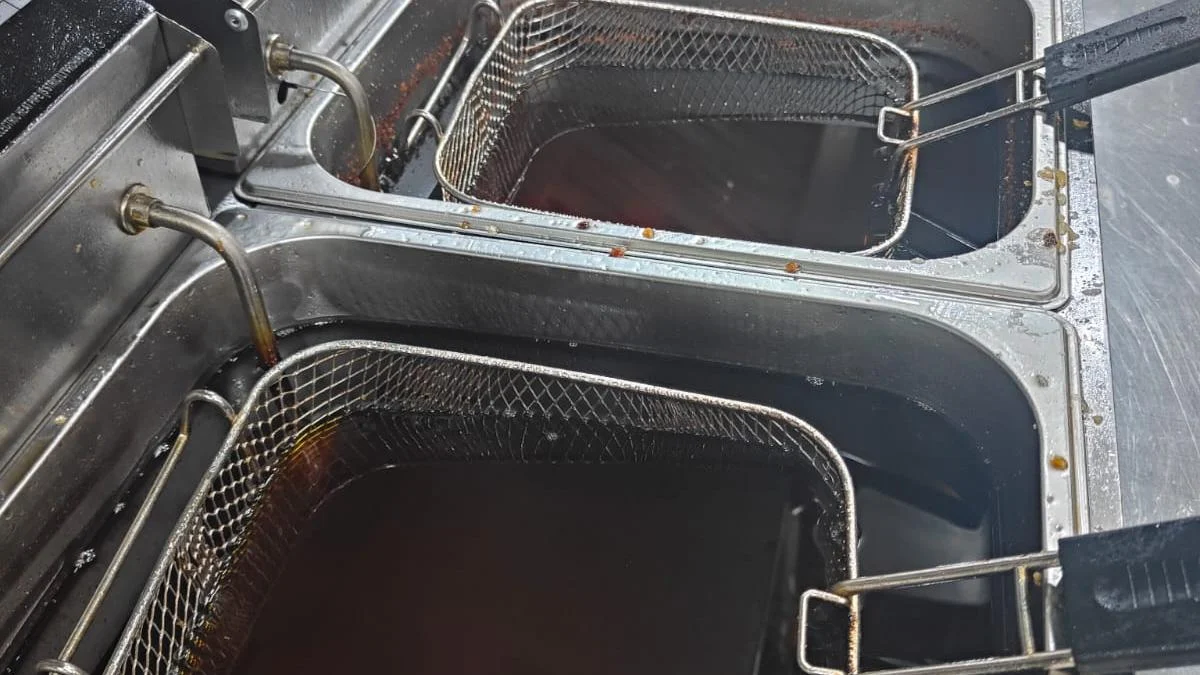
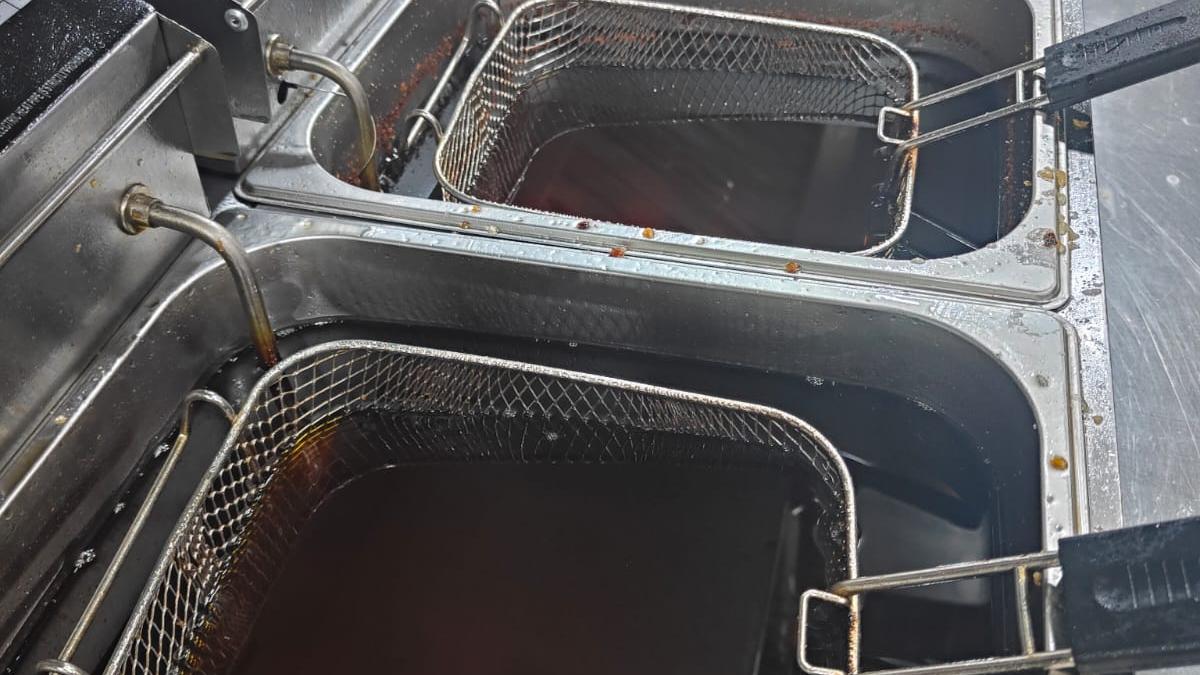
Perhaps most concerning was the "suspected repeated use of cooking oil." Under food safety regulations, oil that is reheated multiple times develops Total Polar Compounds (TPC), which are linked to various health issues, including heart disease and carcinogenic risks.
Meld Haus Brewery (Nagole)
The inspection at Meld Haus brewery in the Nagole area mirrored the findings at Urban Monk. Officials documented poor sanitary conditions that fell far below the mandated FSSAI (Food Safety and Standards Authority of India) benchmarks. Improper food storage practices—such as failing to separate raw and cooked foods or maintaining incorrect temperatures—were noted, alongside a general lack of hygiene in the food preparation areas.
Ganesh Bangalore Bakery (Karimnagar)
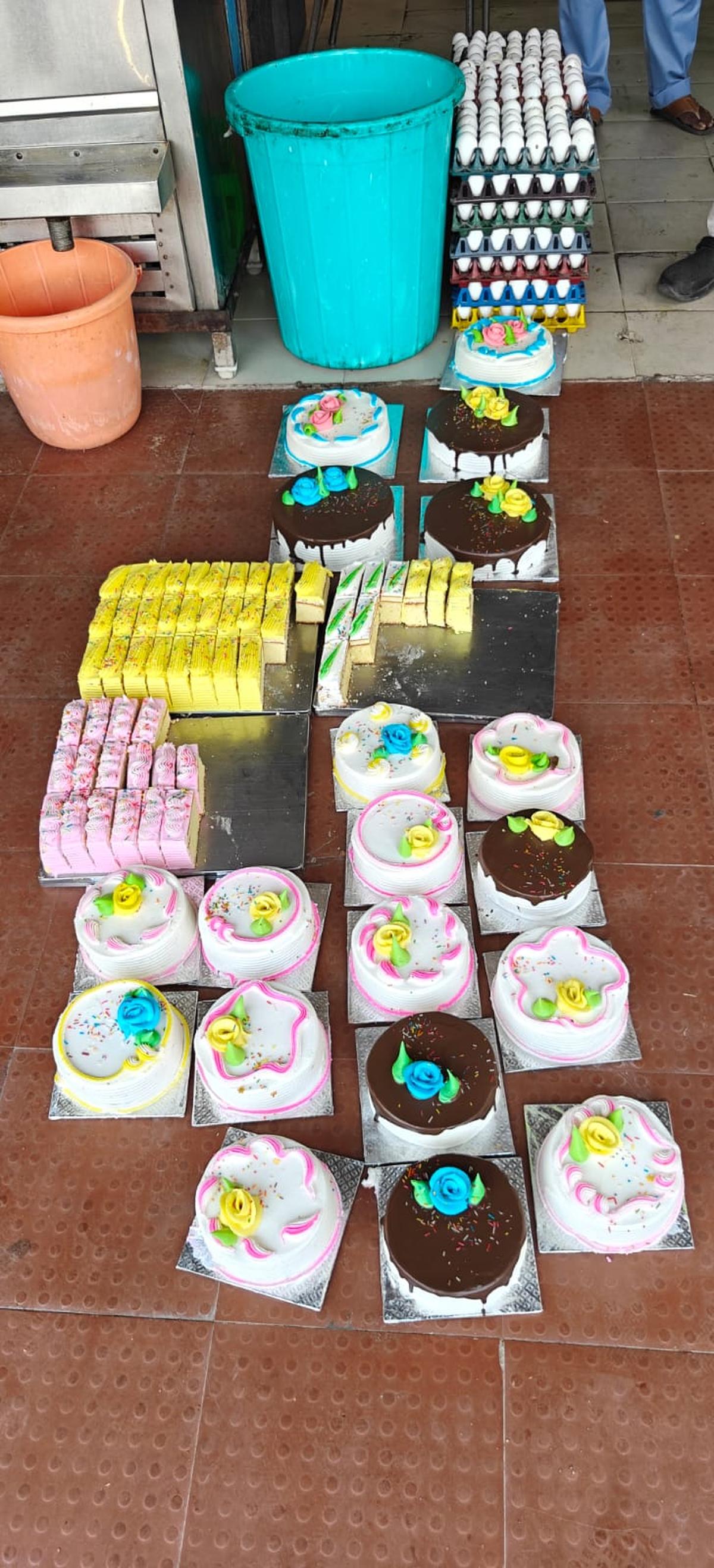
While the Hyderabad inspections were troubling, the findings in Karimnagar were described by officials as particularly egregious. At Ganesh Bangalore Bakery in Subhash Nagar, food safety officers uncovered a massive cache of 750 damaged eggs. These eggs were reportedly emitting a foul odor and were heavily infested with houseflies, indicating an advanced state of decomposition.
Despite the visible rot, the bakery was suspected of using these eggs to produce baked goods. Consequently, authorities immediately seized and discarded 20 kilograms of freshly prepared cakes that were believed to have been made using the spoiled eggs.
Chronology: The Timeline of Enforcement
The current wave of inspections is not an isolated event but part of an ongoing, state-wide initiative by the Commissioner of Food Safety, Telangana.
- Early May: The department began a series of high-visibility raids in Hyderabad’s major commercial hubs, including Banjara Hills, Jubilee Hills, and various shopping malls. These initial raids targeted luxury dining outlets and popular food courts.
- May 20 (Wednesday): The focus shifted toward the eastern suburbs of Hyderabad (Nagole and LB Nagar) and Tier-2 cities like Karimnagar. This move signaled the department’s intent to monitor food safety standards beyond the city’s elite corridors.
- May 21 (Midnight): Official reports were finalized, and the department released a public statement via social media and press channels, detailing the specific violations and the names of the offending establishments.
- Immediate Aftermath: Enforcement samples were sent to state laboratories for chemical and microbiological analysis. Legal notices were served to the Food Business Operators (FBOs) involved.
Supporting Data: The Science of Food Safety Risks
The violations uncovered during these raids are not merely bureaucratic oversights; they represent significant threats to human physiology. The Food Safety Department has emphasized the following data points in their briefing:
1. The Danger of Reused Cooking Oil
The "suspected reuse of cooking oil" mentioned in the reports refers to the practice of heating oil beyond its smoke point multiple times. According to FSSAI guidelines, cooking oil should not be reused more than three times, and the TPC (Total Polar Compounds) should never exceed 25%. Reusing oil beyond this limit leads to the formation of trans-fats and acrylamide, a known neurotoxin and carcinogen.
2. Decomposed Eggs and Salmonella
The 750 spoiled eggs found in Karimnagar represent a high-risk vector for Salmonella and E. coli outbreaks. When eggs reach the stage of emitting a foul odor and attracting flies, they contain high concentrations of hydrogen sulfide and pathogenic bacteria. If baked into cakes at insufficient temperatures or handled improperly, these bacteria can cause severe gastrointestinal distress, dehydration, and, in vulnerable populations, systemic infection.

3. Mislabeling and Allergen Risks
The lack of labeling found at Urban Monk is a violation of the Food Safety and Standards (Labelling and Display) Regulations, 2020. Without manufacturing and expiry dates, it is impossible for both the kitchen staff and the consumer to verify the freshness of the product. Furthermore, the absence of ingredient lists poses a life-threatening risk to individuals with severe food allergies (e.g., nuts, gluten, or dairy).
Official Responses: The Regulatory Stance
The Telangana Food Safety Department has taken a "zero-tolerance" approach to these findings. In a press note, the department confirmed that "Enforcement samples were collected from the establishments and sent for laboratory analysis."
A spokesperson for the department stated, “The health of the citizens is paramount. We are not just looking for minor infractions; we are identifying practices that can lead to mass food poisoning. The discovery of 750 rotten eggs in a single bakery is a testament to the negligence some operators are willing to practice for the sake of profit.”
Legal Framework
The department is initiating action under the Food Safety and Standards Act, 2006. Depending on the laboratory results of the samples collected, the owners of Urban Monk, Meld Haus, and Ganesh Bangalore Bakery could face:
- Substantial Fines: Penalties for "unsanitary conditions" and "substandard food" can range from thousands to lakhs of rupees.
- License Suspension: If the laboratory results show the presence of harmful pathogens or toxic chemicals in the oil, the establishments’ FSSAI licenses may be suspended or revoked.
- Criminal Prosecution: In cases where "unsafe food" (food that is injurious to health) is served, the Act allows for imprisonment of the operators.
Implications: A Wake-Up Call for the Industry
The recent raids have several long-term implications for the food and beverage industry in Telangana and the consumer public.
For Consumers: Increased Vigilance
The department’s transparency in naming establishments—often posting photos of the violations on social media platforms like X (formerly Twitter)—is designed to empower consumers. Public health experts suggest that diners should look for the mandatory FSSAI license display in restaurants and report any visible hygiene issues through the department’s dedicated grievance portals.
For Food Business Operators (FBOs): The Cost of Negligence
These raids serve as a warning that the "cost of compliance" is significantly lower than the "cost of non-compliance." Beyond the legal fines, the reputational damage caused by being named in a food safety scandal is often irreparable. Establishments are now being urged to invest in professional hygiene audits and better staff training to ensure they meet the FSSAI’s "Clean Street Food" and "Eat Right" standards.
For the State: A New Standard of Governance
The Telangana government’s proactive stance reflects a broader national trend toward improving India’s food safety ecosystem. By expanding raids into areas like Karimnagar, the department is ensuring that food safety is not a luxury reserved for the metropolitan elite but a right guaranteed to every citizen, regardless of their location.
Conclusion: The Road Ahead
As the laboratory results for the samples collected from Urban Monk, Meld Haus, and Ganesh Bangalore Bakery are awaited, the Telangana Food Safety Department has vowed to continue its "unannounced" inspection spree. The discovery of 20kg of cakes made from spoiled eggs and the pervasive issue of reused oil highlights a disconnect between rapid commercial growth and the maintenance of basic health standards.
For the residents of Hyderabad and Karimnagar, these revelations are a sobering reminder of the invisible risks present in the food chain. For the authorities, the mission remains clear: to sanitize the state’s food industry, one inspection at a time, ensuring that the next meal served in a Telangana eatery is not just delicious, but safe.
The department has urged citizens to remain vigilant and use the FSSAI Food Safety Voice app to report any suspicious activities at food establishments, promising that every complaint will be met with a swift and thorough investigation.
