

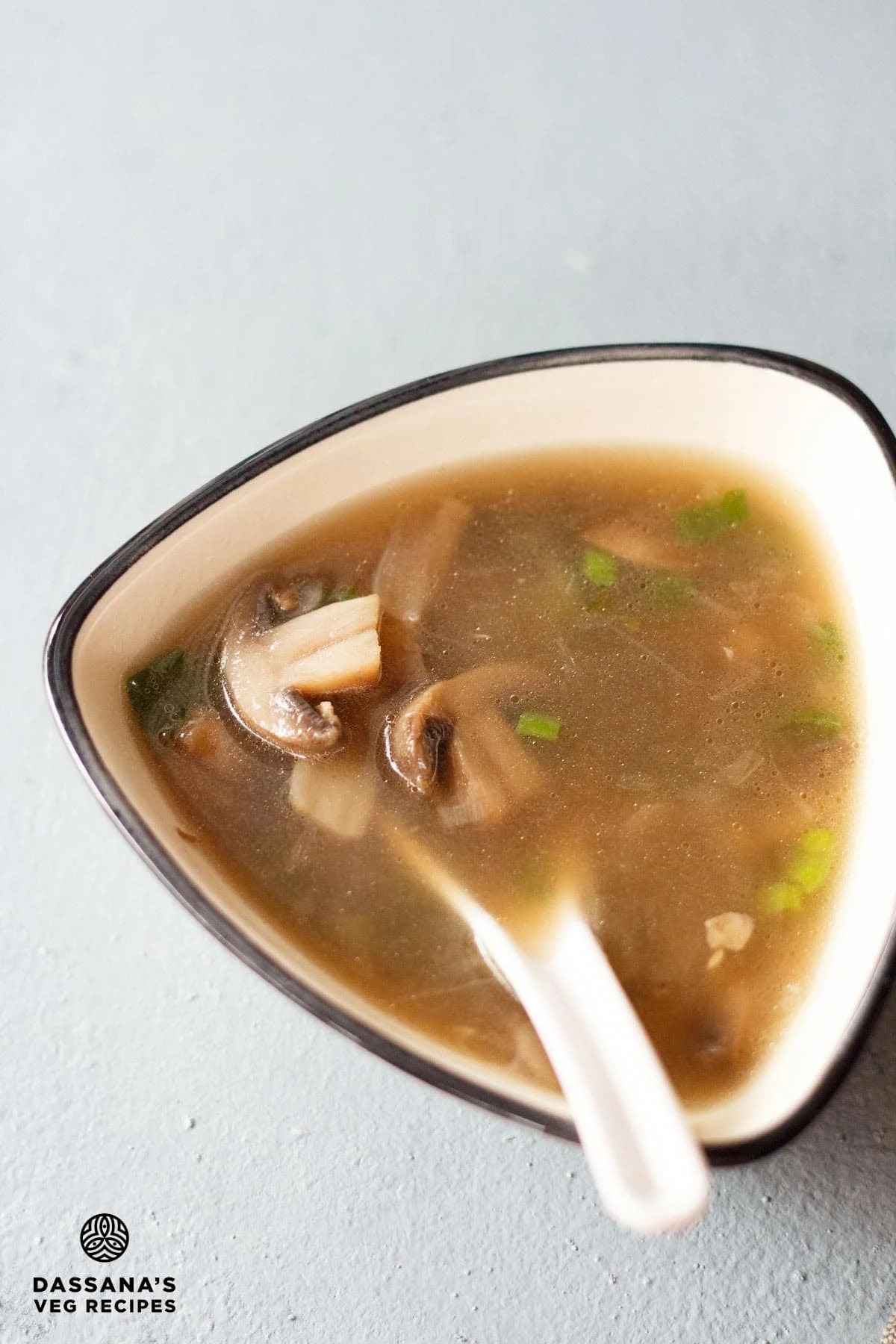
In an era of complex culinary fusion and increasingly elaborate kitchen techniques, there is a growing movement toward "intentional simplicity." Leading this trend is the resurgence of the classic Chinese clear soup—a dish that prioritizes the purity of ingredients over heavy creams or thickening agents. This particular Chinese mushroom soup recipe, characterized by its light, comforting profile and 30-minute preparation time, has emerged as a staple for health-conscious home cooks and professional chefs alike.
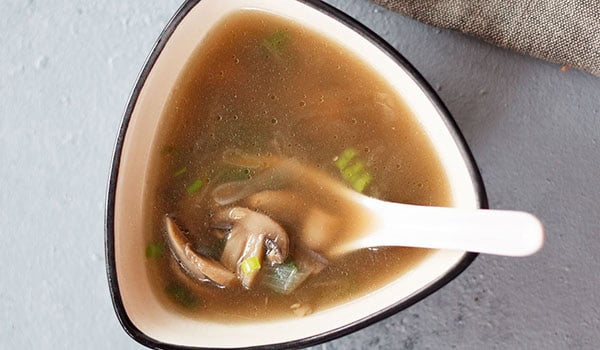
Blending the medicinal heritage of Eastern aromatics with modern dietary requirements, the recipe offers a naturally vegan and easily adaptable gluten-free solution to the "quick meal" dilemma. By focusing on a clear, flavorful broth built from mushrooms, spring onions, and ginger, the dish serves as a masterclass in how a few pantry staples can create a sophisticated culinary experience.
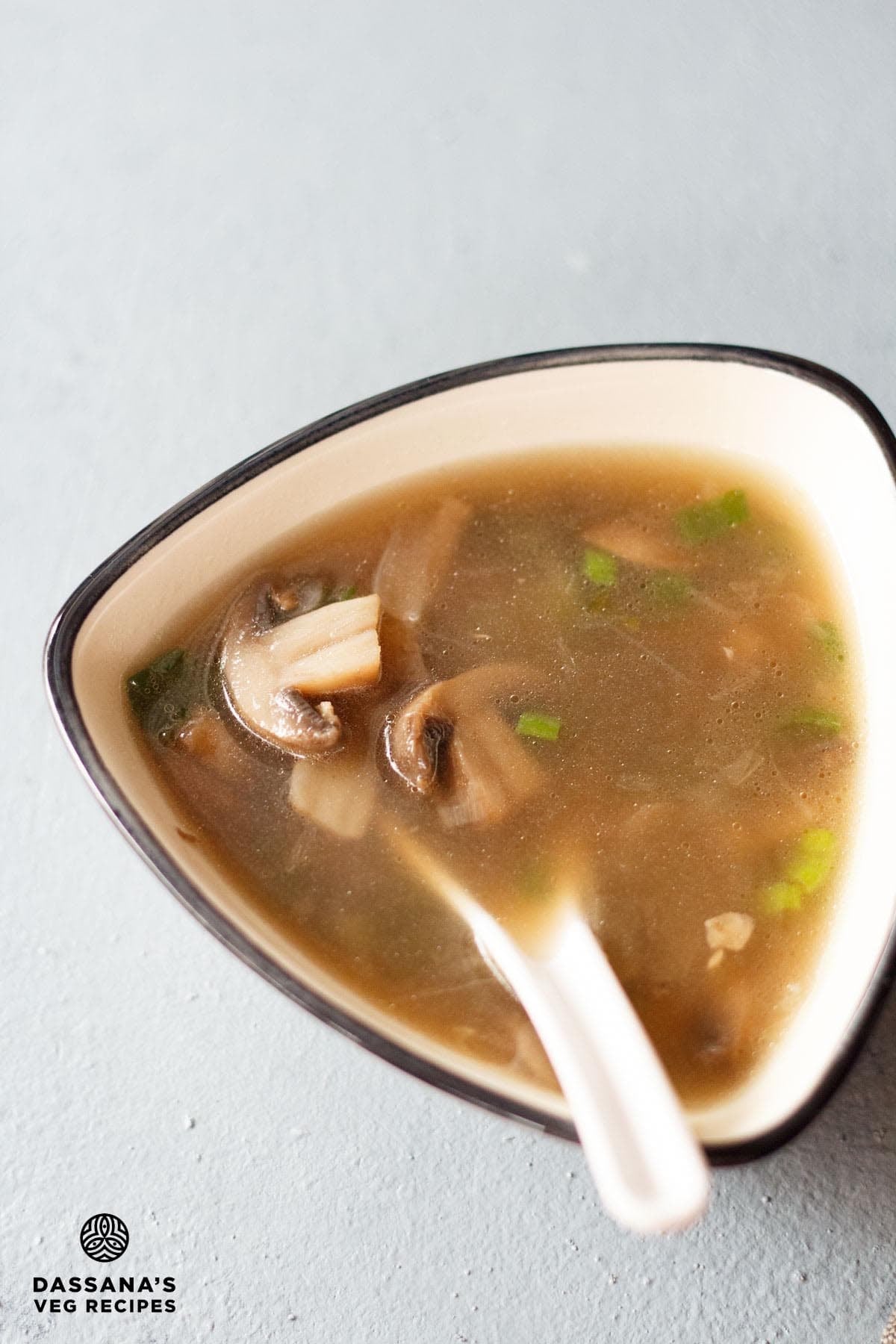
Main Facts: The Anatomy of a 30-Minute Culinary Staple
The essence of this Chinese soup lies in its minimalist architecture. Unlike Western "cream of" soups that rely on roux or dairy, this preparation utilizes the natural juices of fungi and the volatile oils of aromatics to create depth.
Key Characteristics
- Preparation Time: Approximately 30 minutes from start to finish.
- Dietary Profile: Naturally vegan, low-calorie (approximately 69 kcal per serving), and customizable for gluten-free diets using tamari or coconut aminos.
- Flavor Profile: Umami-rich, savory, with sharp highlights of ginger and a peppery finish.
- Versatility: Functions as a standalone light meal, a palate-cleansing starter, or a base for more complex dishes like noodle soups or hot pots.
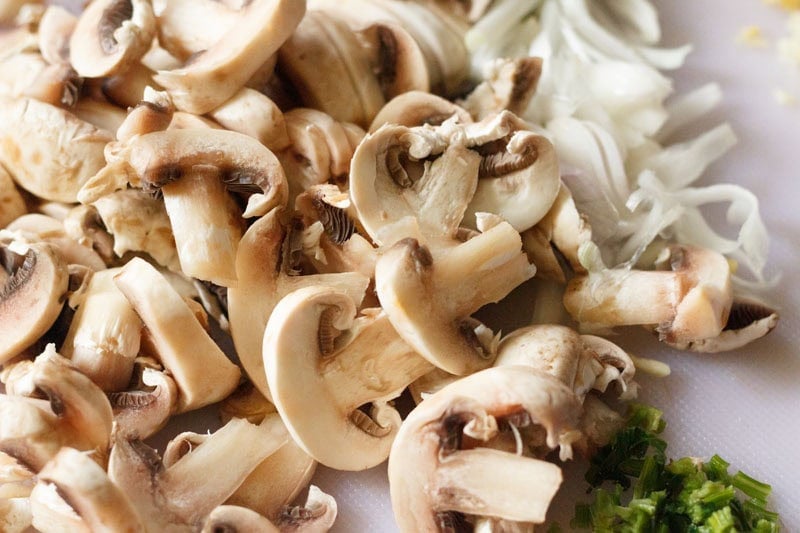
The recipe’s success hinges on the quality of its primary components: fresh mushrooms and a "holy trinity" of aromatics (garlic, ginger, and spring onions). While button mushrooms are the standard, the recipe encourages the use of cremini, shiitake, or oyster mushrooms to alter the broth’s "body" and earthiness.
Chronology: A Step-by-Step Culinary Roadmap
The construction of the soup follows a logical progression designed to extract maximum flavor in minimum time. The process can be divided into four distinct phases: the aromatic base, the fungal infusion, the simmering stage, and the final seasoning.
Phase I: The Aromatic Foundation
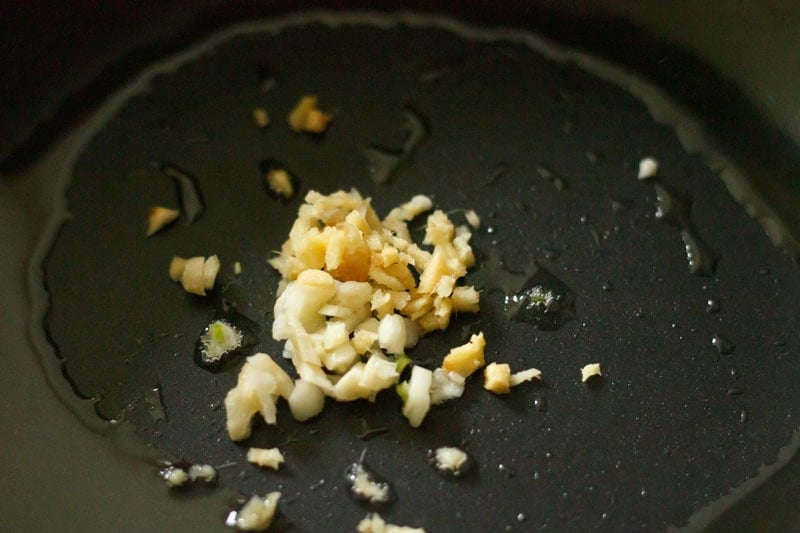
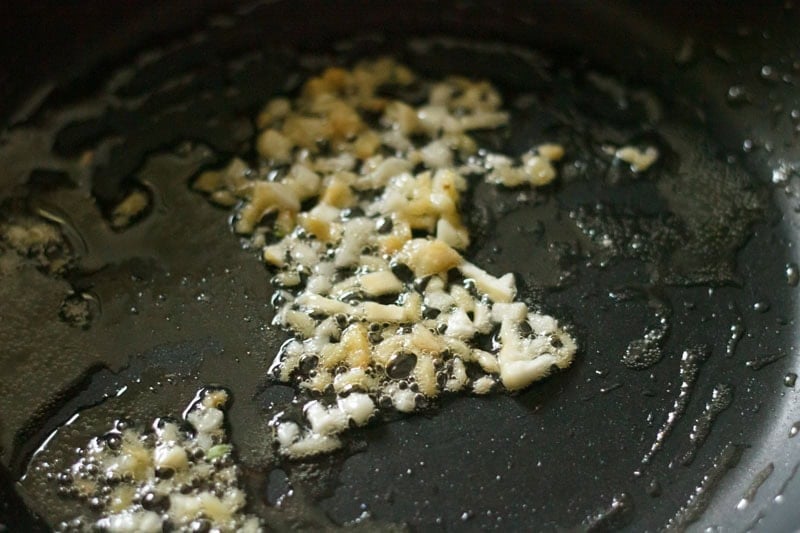
The process begins with the preparation of the aromatics. One-half tablespoon of sesame oil—chosen for its high smoke point and nutty aroma—is heated in a pan over medium heat. Finely chopped garlic and ginger are introduced first. These are sautéed for only a few seconds, just long enough for the heat to release their essential oils without browning the garlic, which would introduce unwanted bitterness to a clear broth.
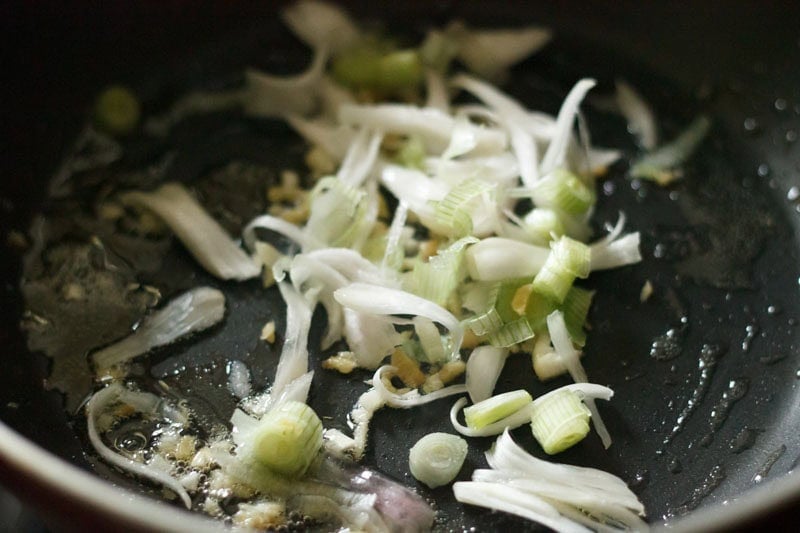
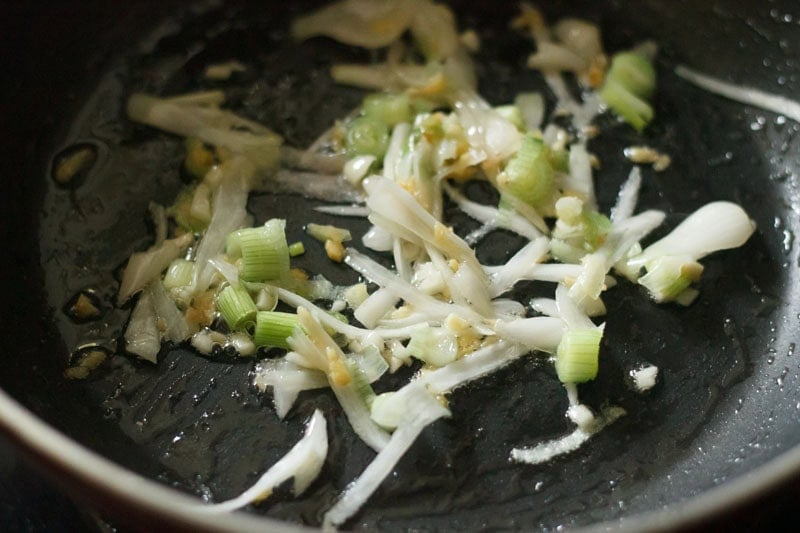
Following the garlic and ginger, the sliced whites of spring onions are added. By separating the whites from the greens, the cook ensures that the pungent, oniony base is cooked through, while the delicate greens are reserved for a fresh garnish at the end.
Phase II: Sautéing for Umami
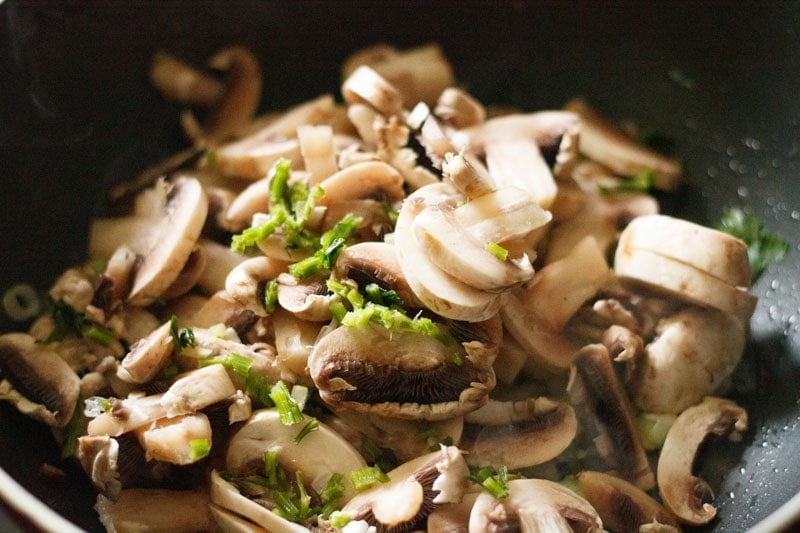
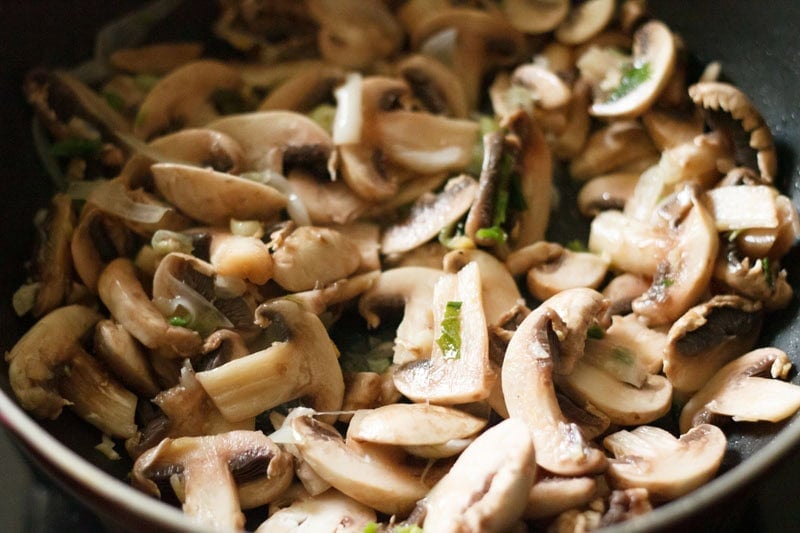
Once the aromatics are fragrant, sliced mushrooms and chopped celery are introduced. This stage is crucial; the mushrooms are sautéed for approximately two minutes. This brief exposure to direct heat initiates the Maillard reaction on the surface of the fungi, intensifying the umami profile before any liquid is added. The celery acts as a secondary aromatic, providing a subtle, herbal "high note" that balances the deep, earthy tones of the mushrooms.
Phase III: The Simmer and Infusion
The transition from sauté to soup occurs with the addition of three cups of water or vegetable stock. While water allows the individual flavors of the mushrooms and ginger to shine, a homemade vegetable stock provides a more robust, velvety mouthfeel.
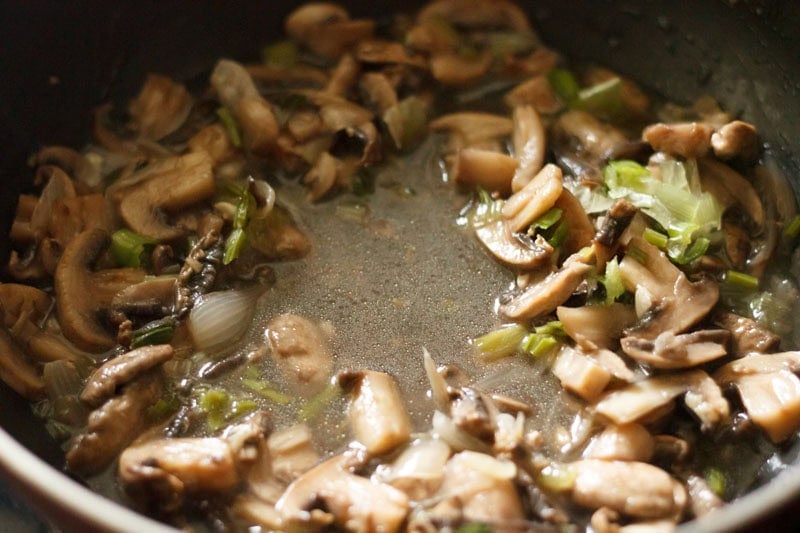
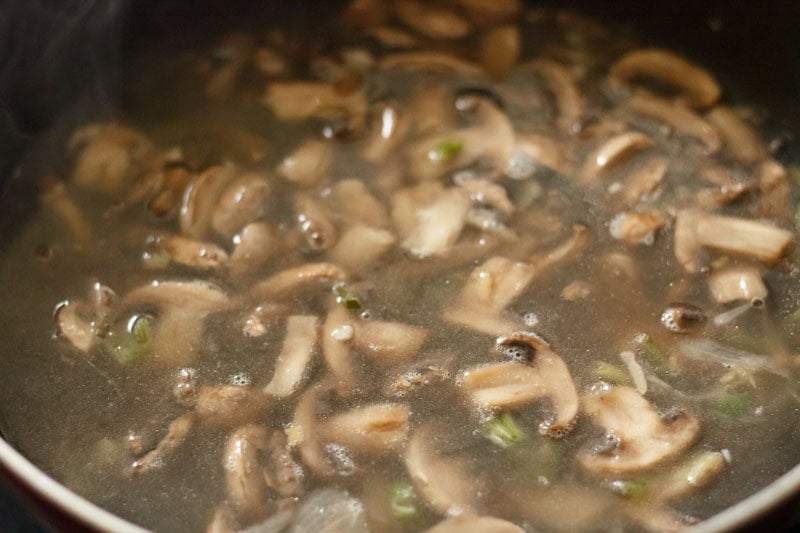
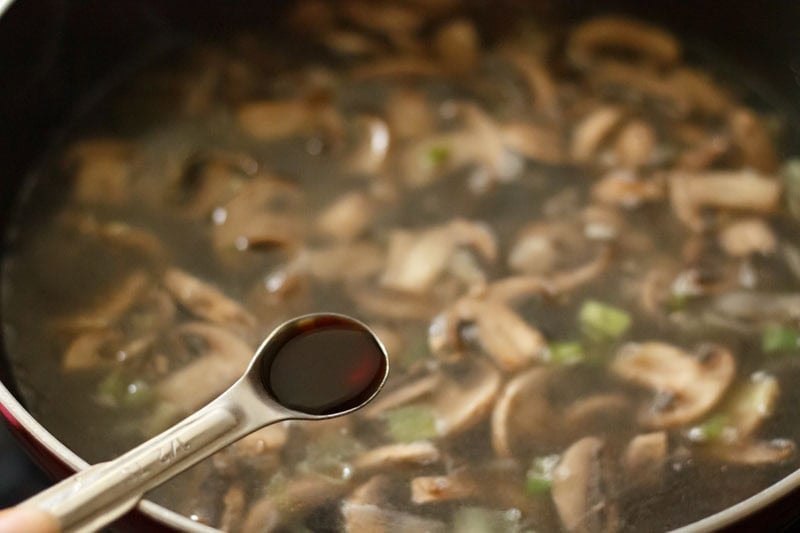
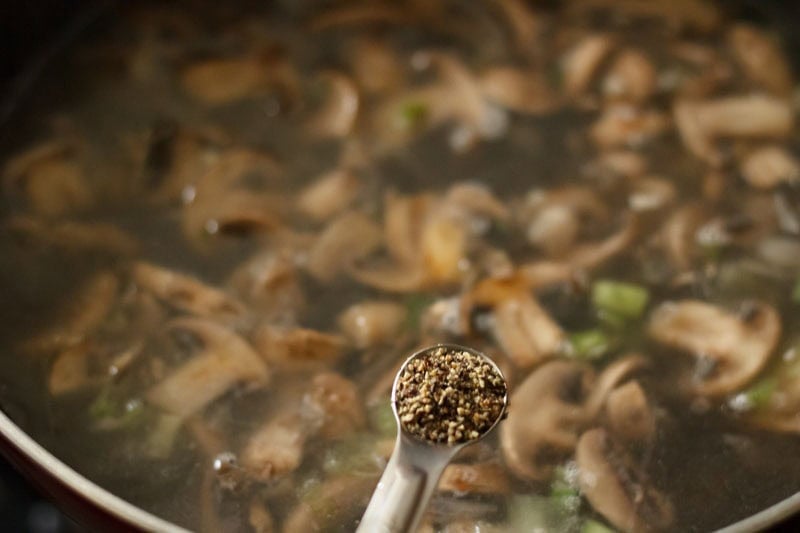
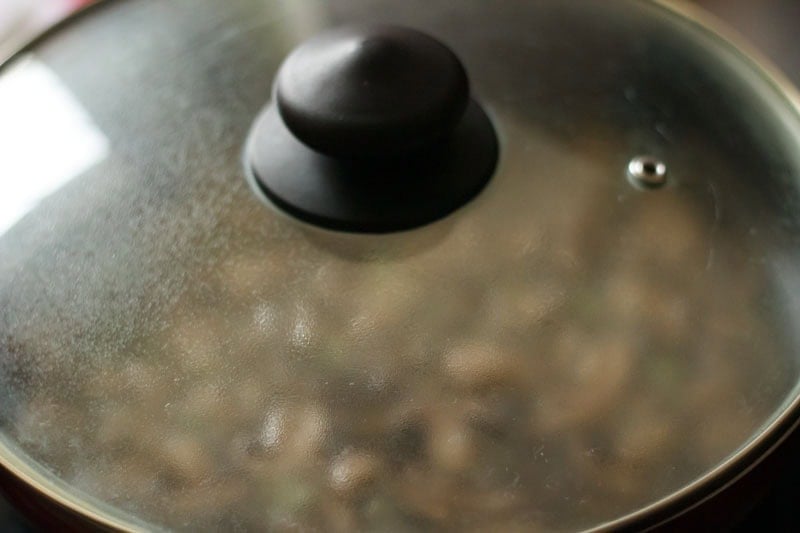
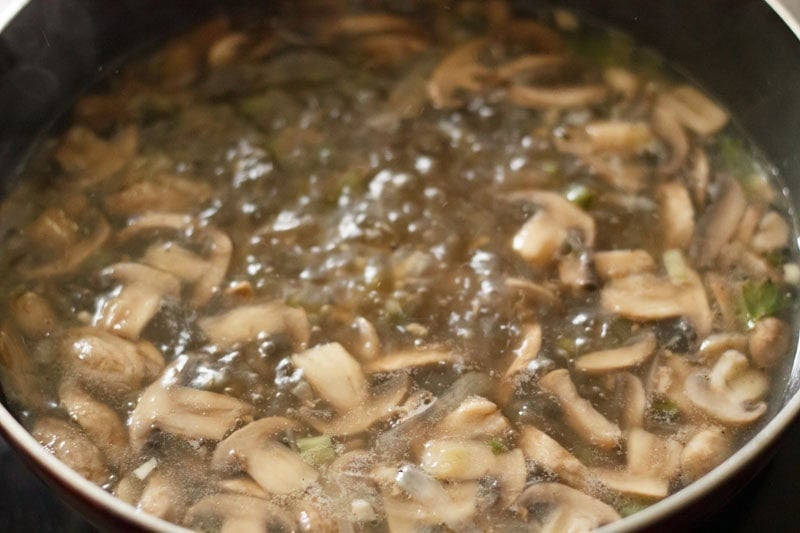
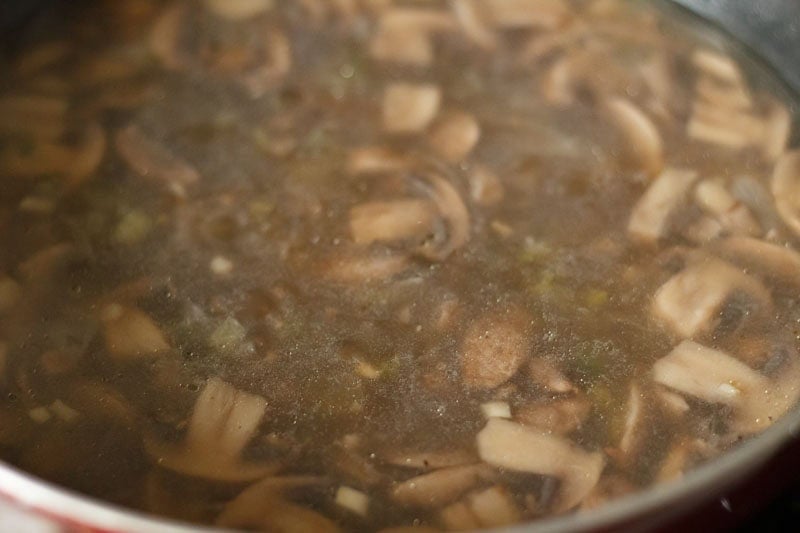
The soup is initially simmered uncovered for four to five minutes to allow the initial flavors to meld. Subsequently, soy sauce and ground black pepper are added. The pan is then covered, and the heat is reduced to low. A 15-minute covered simmer allows the mushrooms to become tender and fully release their essence into the broth, transforming the clear water into a golden, savory tea.
Phase IV: The Final Adjustment
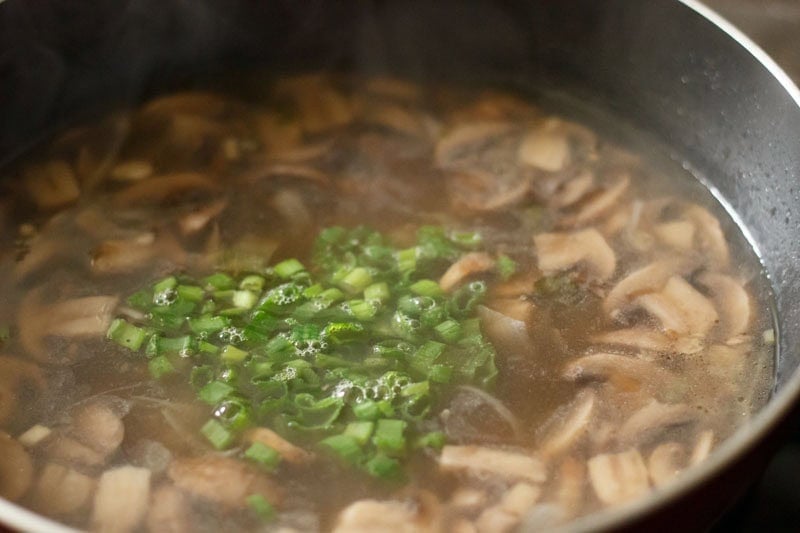
In the final minutes, the heat is extinguished. Five tablespoons of chopped spring onion greens are stirred in, providing a burst of color and a mild, fresh crunch. For those seeking a more complex profile, a splash of rice vinegar may be added at this stage to provide a bright, acidic finish that cuts through the earthiness of the mushrooms.
Supporting Data: Nutritional Analysis and Ingredient Science
The popularity of this soup is backed by a nutritional profile that aligns with modern wellness goals. With only 69 calories per serving, it provides a high nutrient-to-calorie ratio.
Nutritional Breakdown (Per Serving)
- Macronutrients: 7g Carbohydrates, 4g Protein, 4g Fat.
- Micronutrients: The soup is notably high in Potassium (437mg) and Vitamin K (60µg).
- Immune Support: Garlic and ginger are well-documented for their antimicrobial and anti-inflammatory properties, making this soup a preferred choice during the "monsoon season" or cold winter months mentioned in the original recipe.
The Science of Mushrooms
The choice of mushrooms significantly impacts the data. White button mushrooms provide a mild flavor and high water content, whereas shiitake mushrooms introduce lentinan, a polysaccharide known for immune-boosting properties. The inclusion of mushrooms also provides a rare non-animal source of Vitamin D (0.2µg) and a significant amount of Vitamin B3 (Niacin, 4mg), which is essential for energy metabolism.
Official Responses: Expert Culinary Guidance and Tips
Culinary experts and the original recipe developers emphasize several "best practices" to ensure the soup maintains its professional-grade quality.
On the Matter of Salt Management
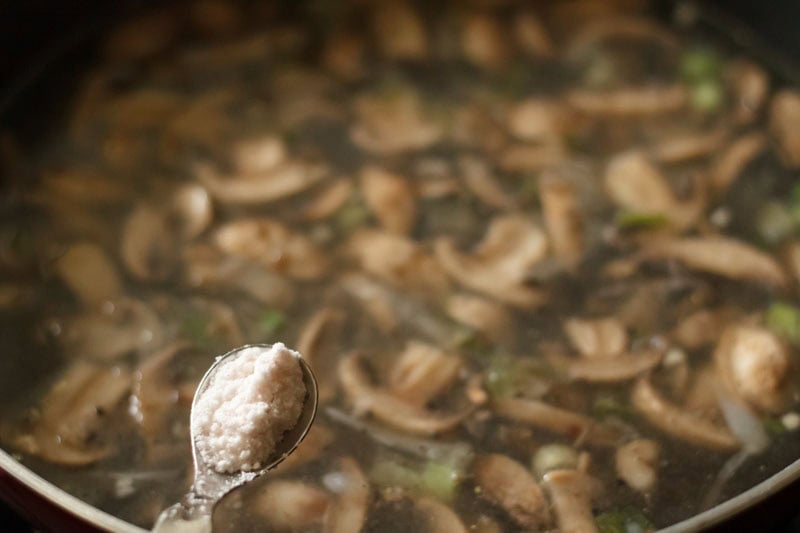
A common pitfall in Chinese soup preparation is over-salting, particularly when using soy sauce. The official recommendation is to add salt only after the soy sauce has been incorporated. Since soy sauce is naturally high in sodium (the recipe contains 781mg of sodium per serving), the salt should be used as a fine-tuning instrument rather than a primary seasoning. If the broth becomes too salty, experts suggest diluting it with a small amount of hot water or unsalted vegetable stock to restore balance without losing the temperature of the dish.
Ingredient Substitutions and Enhancements
- The Celery Factor: While the recipe lists celery as optional, culinary experts strongly recommend its inclusion. It provides the "third dimension" of flavor—aromatic, earthy, and herbal.
- Oil Selection: While sesame oil is traditional for its fragrance, any neutral oil can be substituted. However, using toasted sesame oil as a finishing oil (added at the very end) is a professional tip to enhance the soup’s "bouquet."
- The Gluten-Free Switch: To maintain the soup’s accessibility, the use of naturally fermented gluten-free soy sauce (Tamari) is suggested. This ensures the flavor remains authentic while catering to Celiac or gluten-sensitive diners.
Implications: The Global Shift Toward "Functional Comfort"
The rise of recipes like this Chinese mushroom soup reflects a broader shift in global food culture. As consumers move away from highly processed "instant" soups, there is a renewed interest in "functional comfort foods"—dishes that provide emotional satisfaction while actively contributing to physical health.
Health and Longevity
The "clear soup" tradition is a cornerstone of various longevity diets, particularly in East Asia. By avoiding thickeners like cornstarch or heavy fats, the soup remains easy on the digestive system. The high potassium content (437mg) is significant for cardiovascular health, helping to balance the effects of sodium and maintain healthy blood pressure levels.
Sustainability and Plant-Based Growth
As the world leans toward plant-based eating to reduce environmental impact, the ability to create "meaty" flavors (umami) without animal products is essential. Mushrooms are often cited as the "bridge" ingredient for those transitioning to a vegan diet. This recipe demonstrates that a satisfying, "filling" meal does not require meat, provided the aromatics and umami-rich ingredients are handled correctly.
Culinary Versatility in a Fast-Paced World
Finally, the 30-minute timeframe has significant implications for the "home cooking revival." By proving that a nutritious, restaurant-quality starter or meal can be produced in the time it takes to order and receive delivery, this recipe empowers individuals to take control of their nutrition. Whether paired with Jasmine rice, Hakka noodles, or enjoyed as a simple broth, the Chinese mushroom soup stands as a testament to the power of minimalist, ingredient-driven cooking in the 21st century.
