

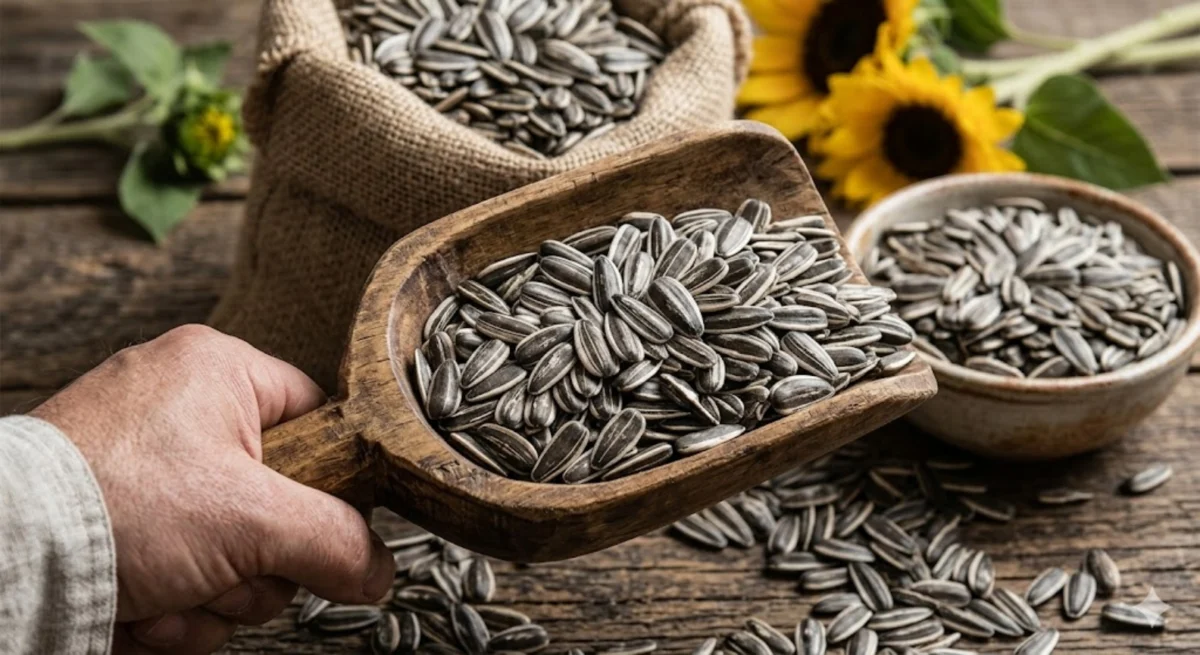
New Delhi – In the burgeoning world of "superfoods," sunflower seeds have secured a permanent place in the pantries of the health-conscious. Praised for their high concentrations of Vitamin E, magnesium, and selenium, these tiny kernels are a staple in salads, granolas, and trail mixes. However, a common habit—often born of convenience or a lack of awareness—is drawing sharp warnings from the medical community: the consumption of the seed’s tough, outer shell.
While the kernel inside is a nutritional powerhouse, the hull (or shell) is a different matter entirely. Medical experts, including Dt Ginni Kalra, Head of Dietetics at Aakash Healthcare, are sounding the alarm on the potential gastrointestinal catastrophes that can arise from ingesting these fibrous casings. What many consider a harmless, crunchy byproduct of snacking can, in fact, lead to severe internal irritation, chronic digestive issues, and in extreme cases, emergency surgical intervention.
Main Facts: The Biological Impasse of the Sunflower Hull
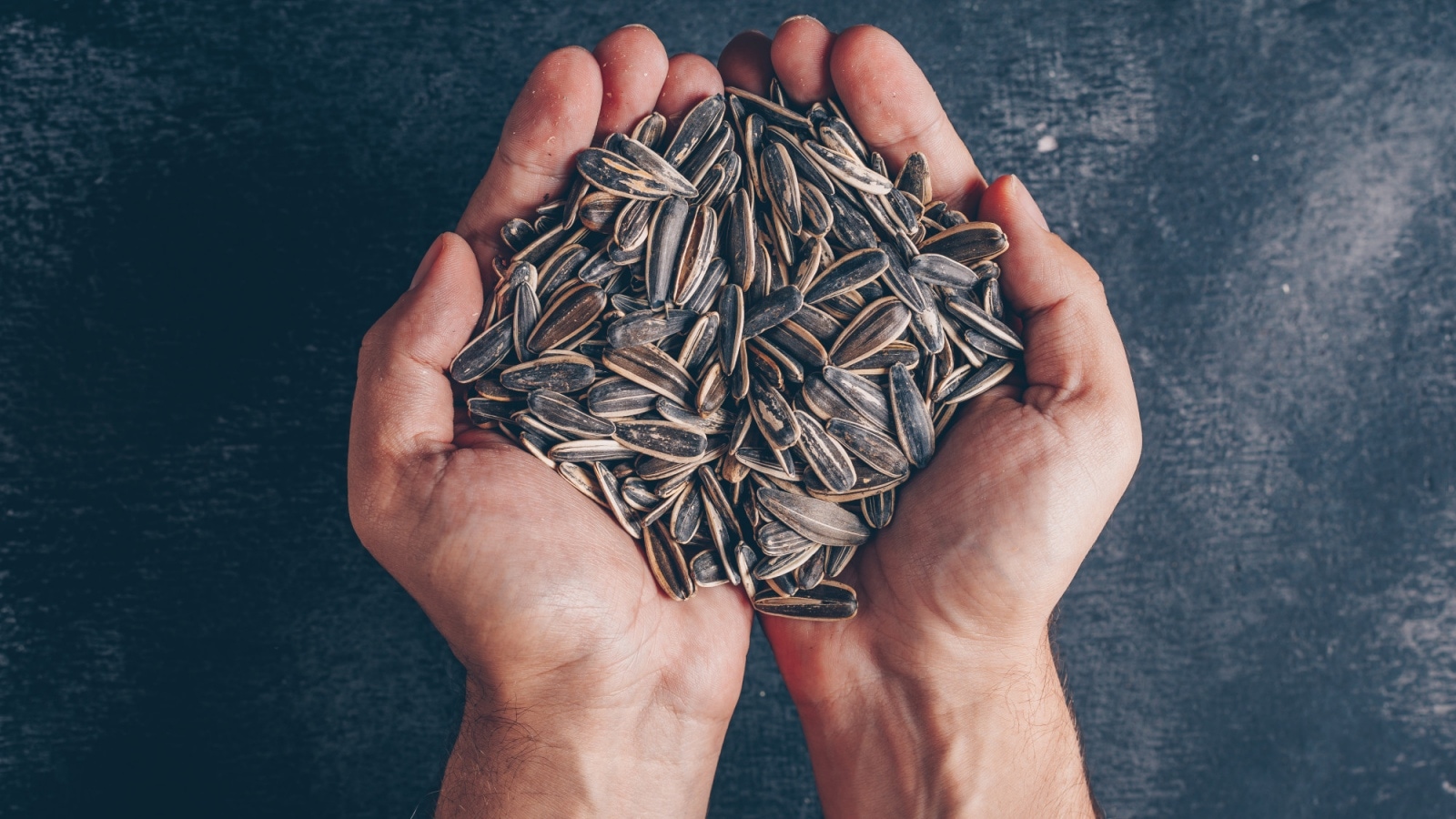
The sunflower seed shell, known botanically as the pericarp, is designed by nature to be a protective fortress for the embryo inside. Composed primarily of lignin and cellulose—the same structural components found in wood and tough plant stalks—the shell is biologically engineered to withstand environmental pressures, moisture, and the digestive enzymes of many animals.
Not Toxic, But Indigestible
The primary misconception regarding sunflower seed shells is that they contain toxins. "Sunflower seed shells are not poisonous," clarifies Dt Ginni Kalra. "The danger does not stem from chemical toxicity, but from their physical composition. They are extremely fibrous and dense, which makes them essentially impossible for the human digestive tract to break down."
Unlike the soluble fiber found in oats or the fermentable fiber in legumes, the fiber in sunflower shells is almost entirely insoluble and "lignified." The human stomach lacks the specific cellulase enzymes required to decompose such rigid plant matter. Consequently, the shell enters the digestive system in the same sharp, jagged state in which it was swallowed.
The Mechanical Threat
The physical structure of a cracked sunflower shell is characterized by needle-like points and razor-sharp edges. When swallowed, these fragments act as mechanical irritants. As they travel through the esophagus, stomach, and intestines, they can cause micro-abrasions along the delicate mucosal lining of the gut. This "mechanical irritation" is the root cause of the discomfort and long-term damage associated with shell consumption.
Chronology: The Journey of a Shell Through the Digestive Tract
To understand the risks, one must trace the path a sunflower shell takes once it leaves the mouth. The complications are rarely immediate, often manifesting hours or even days after consumption as the material moves through the various stages of digestion.
Phase 1: Ingestion and the Esophagus
The danger begins in the throat. Because the shells are difficult to chew into a smooth paste, large, sharp fragments are often swallowed. These can cause minor scratches in the esophagus, leading to a "globus" sensation—the feeling that something is stuck in the throat—or painful swallowing (odynophagia).
Phase 2: The Gastric Dead-End
Once in the stomach, the shells encounter gastric acid. While hydrochloric acid is potent enough to break down proteins and bone fragments, it is largely ineffective against the lignin in sunflower hulls. The shells sit in the stomach, potentially irritating the gastric lining (gastritis). If a large volume is consumed at once, they can begin to clump together, forming a mass that refuses to pass through the pyloric sphincter into the small intestine.
Phase 3: The Intestinal Gauntlet
If the shells successfully move into the small intestine, the risk of blockage increases. The small intestine is a narrow, winding tube. The presence of sharp, indigestible matter can cause spasms and localized inflammation. For individuals with existing conditions like Crohn’s disease or diverticulitis, these fragments can become lodged in inflamed pockets, leading to acute flare-ups or infections.
Phase 4: The Colonic Accumulation
The final and most dangerous stage occurs in the large intestine and rectum. As water is absorbed from the waste, the indigestible shells become more concentrated and packed together. This is where the risk of a "bezoar"—a solid mass of indigestible material—becomes most acute.
Supporting Data: The Medical Reality of Phytobezoars and Impaction
Medical literature is replete with cases of "phytobezoars," specifically those caused by seed hulls. A phytobezoar is a type of bezoar formed from vegetable fibers. While they can occur in the stomach, seed-related bezoars are most commonly found in the rectum, leading to a condition known as fecal impaction.
Pediatric Vulnerability
Statistics show that children are at a significantly higher risk for complications arising from sunflower shells. Because their digestive tracts are narrower and their ability to thoroughly masticate (chew) food is less developed, children are prone to "seed-shell bolus" formation.
Dt Kalra emphasizes this point: "Large quantities of shells can clump together and lead to a blockage—especially in children. We see cases where medical intervention is required to manually clear the impaction because the body simply cannot expel the mass of sharp, fibrous shells."
Symptoms and Warning Signs
The data suggests that symptoms can range from mild to life-threatening. Common indicators of a shell-induced complication include:
- Abdominal Pain: Often cramping in nature, localized in the lower abdomen.
- Constipation: A complete cessation of bowel movements despite the urge to go.
- Vomiting: A sign that a blockage in the upper or middle tract is preventing the passage of food.
- Rectal Pain: Caused by the sharp edges of the shells during attempted evacuation.
In severe cases, a blockage can lead to bowel perforation—a medical emergency where the sharp shells puncture the intestinal wall, allowing bacteria to leak into the abdominal cavity (peritonitis).
Official Responses: Expert Guidance on Snacking Safety
Health professionals are increasingly focusing on "food literacy" to combat these preventable injuries. The consensus among dietitians and gastroenterologists is clear: the hull is a container, not a foodstuff.
The Dietitian’s Perspective
Dt Ginni Kalra’s advice is categorical. "You should always crack the shell and consume only the seed inside," she states. "The shell should be thrown away after extracting the edible part. It is not a matter of ‘extra fiber’; it is a matter of safety."
She further notes that the long-term risks are often cumulative. "Eating seed shells frequently can lead to ongoing mechanical irritation of the gut lining. Over time, this may contribute to chronic constipation and can worsen conditions like hemorrhoids or anal fissures due to the increased strain and the abrasive nature of the stool."
Public Health Recommendations
While international food safety bodies like the FDA (USA) or FSSAI (India) do not ban the sale of whole sunflower seeds, they categorize the hulls as "non-edible components." Public health guidelines suggest that manufacturers should provide clear instructions on packaging—particularly for flavored seeds that are designed to be put in the mouth—reminding consumers to "spit the shells."
Implications: The "Whole Food" Misconception and Lifestyle Risks
The trend of eating sunflower shells is often driven by a misunderstanding of the "whole food" movement. Some consumers believe that by discarding the shell, they are losing out on nutrients. However, the nutritional data does not support this. The hull is virtually devoid of vitamins and minerals that are bioavailable to humans.
The Psychological Aspect of Snacking
For many, the habit of chewing on sunflower shells is a tactile or oral fixation, similar to chewing gum or tobacco. Flavored shells (salt, BBQ, ranch) encourage users to keep the shells in their mouths for extended periods. This increases the likelihood of accidental swallowing or the habit of "chewing and swallowing" once the flavor has dissipated.
Impact on Long-term Gut Health
Beyond acute blockages, the implication of regular shell consumption is the potential for chronic low-grade inflammation. The gut lining is a vital barrier for the immune system. Repeatedly "scouring" this lining with sharp lignin fragments can lead to increased intestinal permeability or "leaky gut," though more clinical research is needed to definitively link seed hulls to systemic inflammatory issues.
Safer Alternatives for "Crunch" Seekers
For those who enjoy the crunch of sunflower shells, nutritionists recommend shifting to safer alternatives that provide similar textures without the risk of impaction:
- Pepitas (Pumpkin Seeds): These are typically sold without the tough outer hull and are fully digestible.
- Roasted Chickpeas: Provide a high-fiber, high-protein crunch that breaks down easily.
- Hulled Sunflower Kernels: Buying seeds already out of the shell removes the temptation to eat the hull.
Conclusion: A Call for Mindful Consumption
Sunflower seeds remain an excellent addition to a balanced diet, offering healthy fats and essential minerals. However, the line between a healthy snack and a medical emergency lies in the shell.
As Dt Ginni Kalra concludes, "Most mild symptoms resolve on their own, but persistent or severe discomfort should not be ignored." The medical community urges consumers to be mindful: extract the treasure, but discard the chest. Monitoring for signs like persistent pain, vomiting, or the inability to pass stool is essential for anyone who has accidentally or intentionally consumed a large quantity of hulls.
In the world of nutrition, more fiber is not always better—especially when that fiber has the consistency of wood and the sharpness of glass. The safest way to enjoy the benefits of the sunflower is to leave the shell behind.
DISCLAIMER: This article is based on information from medical experts and public health data. Always consult your health practitioner before starting any new dietary routine or if you suspect a gastrointestinal issue.
