By [Your Name/Agency]
In the vast and vibrant landscape of Indian gastronomy, few treats command as much sensory reverence as the Kesar Falooda. More than just a dessert and more complex than a mere beverage, Kesar Falooda is a multi-layered architectural marvel of the culinary world. Characterized by its striking golden hue, its cooling properties, and a sophisticated interplay of textures, this saffron-infused delicacy has transcended its origins to become a global symbol of indulgence. As the summer heat intensifies across the Indian subcontinent and beyond, the demand for this "royal" refreshment surges, prompting a deeper look into the history, science, and meticulous assembly of the perfect Kesar Falooda.
Main Facts: The Anatomy of an Iconic Dessert
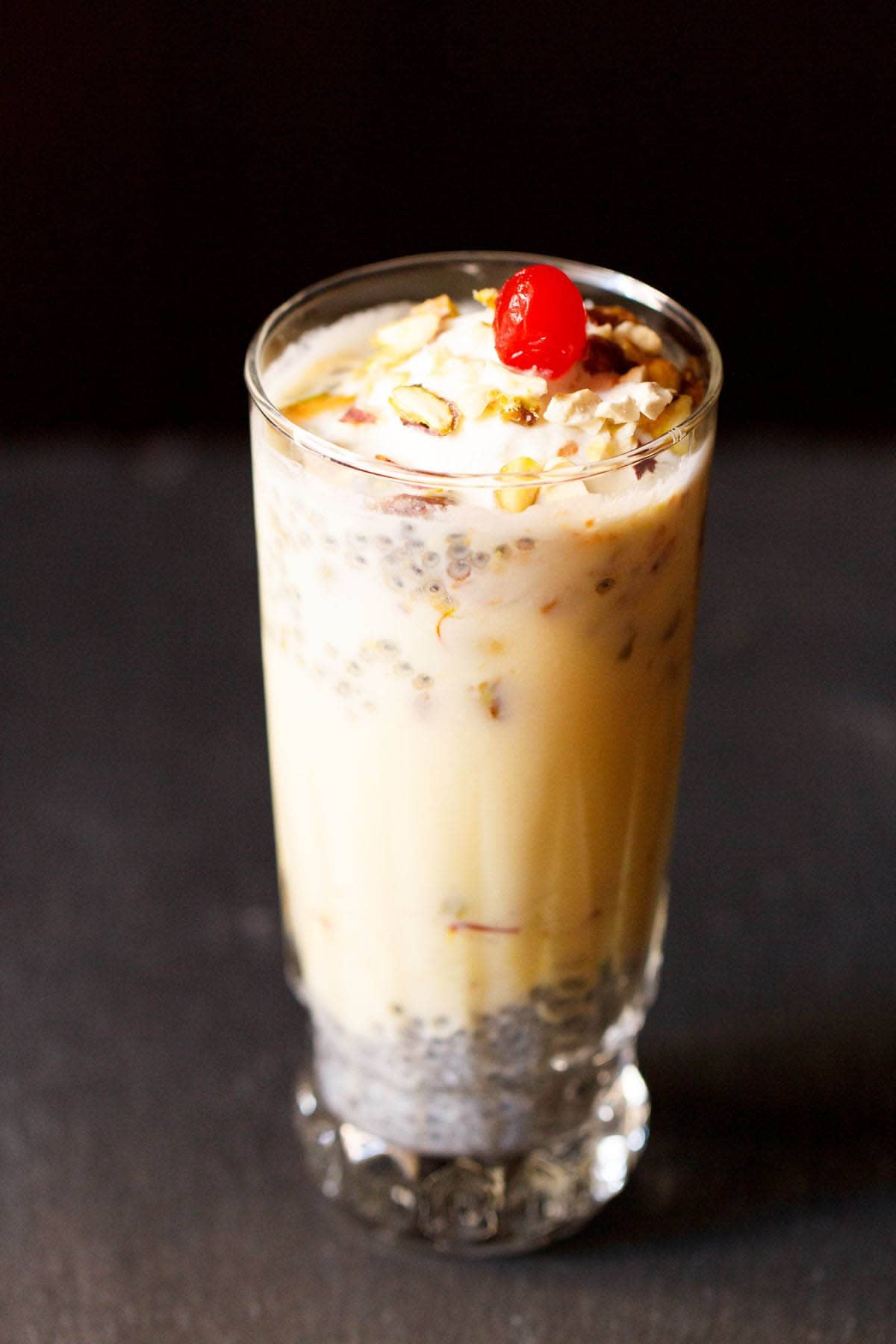
Kesar Falooda is fundamentally a cold dessert drink that finds its roots in the traditional Persian faloodeh, but it has been heavily modified over centuries by Indian culinary influences. The modern iteration is defined by several non-negotiable components: saffron-flavored milk (Kesar), rehydrated basil seeds (sabja), cornstarch or wheat vermicelli (falooda sev), and a crowning scoop of ice cream.
The "Kesar" or saffron element is what elevates this specific variation from the standard rose-flavored versions. Saffron, the world’s most expensive spice by weight, provides a delicate floral aroma and a signature golden-yellow tint that signifies luxury. When combined with the gelatinous crunch of sabja seeds and the soft, slippery bite of the sev, the result is a beverage that engages the palate through temperature, flavor, and mouthfeel simultaneously.
Market trends indicate that the popularity of Kesar Falooda is no longer confined to the street-side stalls of Mumbai or Delhi. It has become a staple in high-end Indian restaurants globally, from London to New York, often serving as the grand finale to a festive meal. Its appeal lies in its versatility; it is simultaneously a cooling agent for the digestive system and a rich, calorie-dense reward.
Chronology: From Persian Courts to the Modern Kitchen
To understand the Kesar Falooda of today, one must trace the chronological evolution of its components and the process of its creation.
The Historical Context
The lineage of Falooda traces back to the Persian Empire, where faloodeh—a mixture of vermicelli, semi-frozen sugar syrup, and lime juice—was enjoyed as early as 400 BC. This concept traveled to the Indian subcontinent during the Mughal era. The Mughal emperors, known for their love of refined aesthetics and cooling treats, adapted the recipe by adding milk, local spices, and the prized saffron from the valleys of Kashmir. Over the centuries, the dish evolved from a semi-solid noodle dessert into the layered liquid "sundae" we recognize today.
The Chronology of Creation (The Process)
The assembly of a Kesar Falooda is a time-sensitive operation that requires precision in preparation.
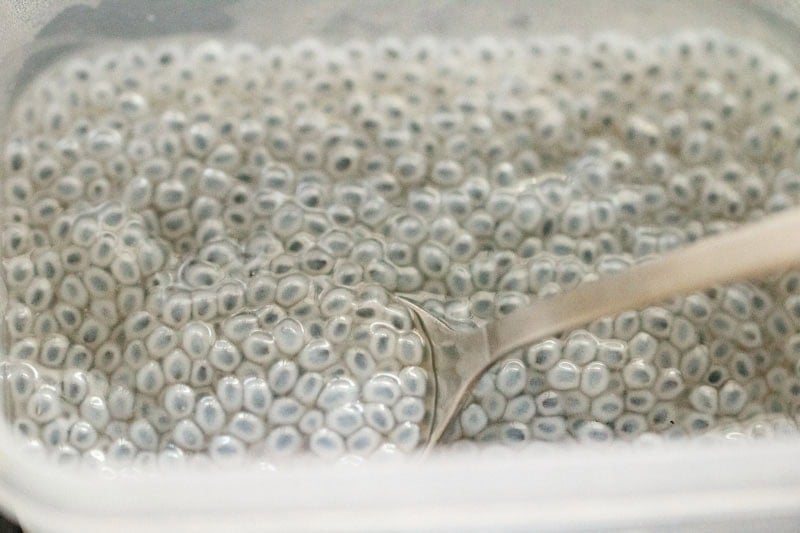
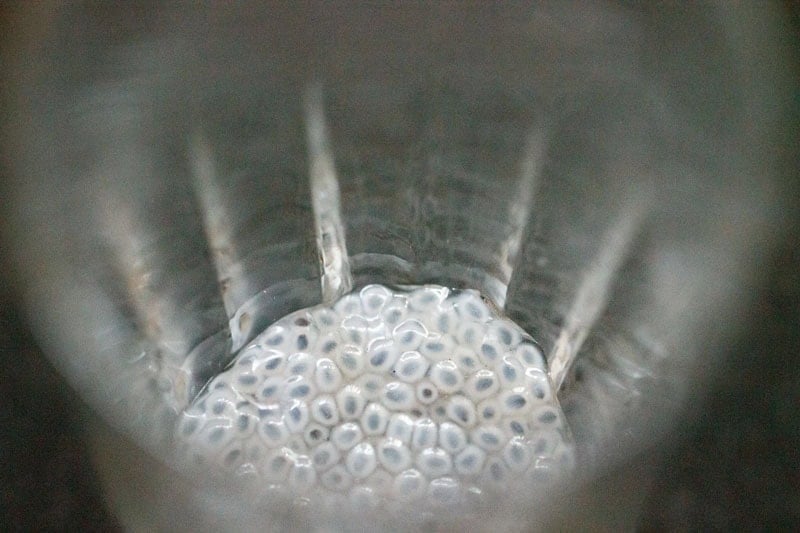
- Hydration (The Foundation): The process begins at least 30 minutes before assembly. Sabja seeds (sweet basil seeds) are soaked in water. Within minutes, they undergo a physical transformation, developing a translucent, gelatinous outer layer. This step is crucial, as the seeds provide the "cooling" functional benefit associated with the drink.
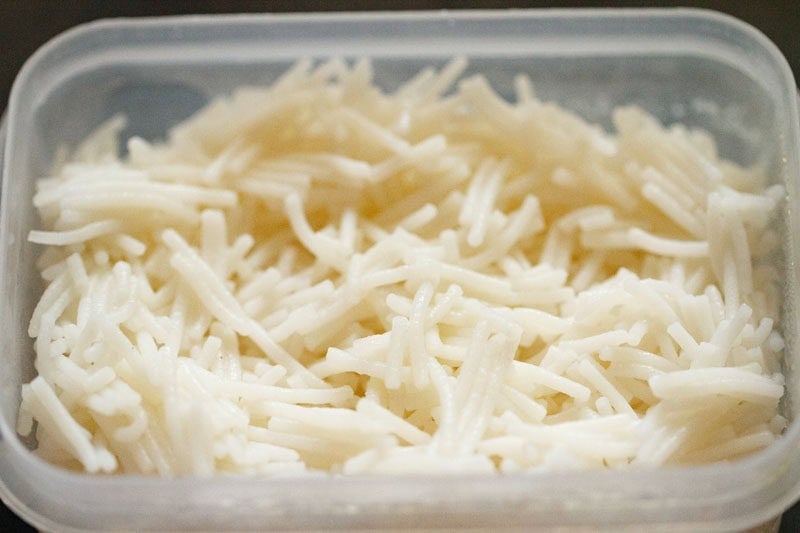
- The Textural Core: Simultaneously, the falooda sev is prepared. Traditionally made from cornstarch (though rice or wheat vermicelli are modern substitutes), these noodles are boiled until soft and then immediately shocked in cold water to maintain their distinct shape and prevent clumping.
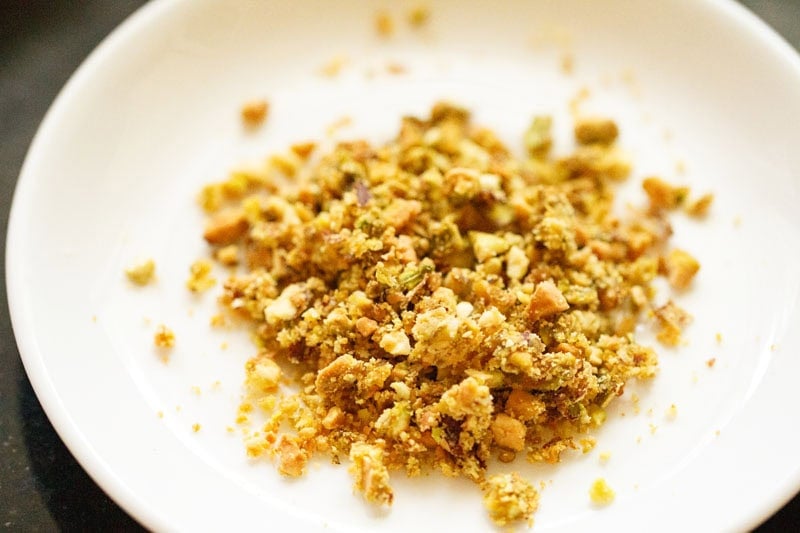
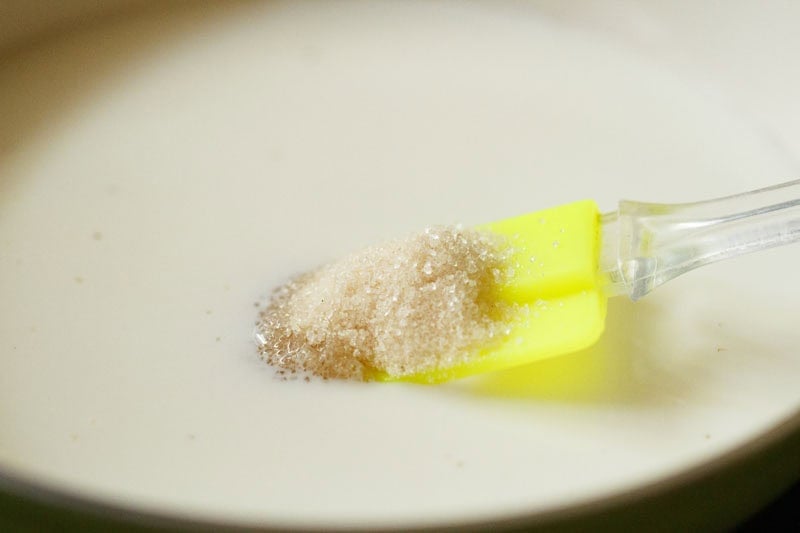
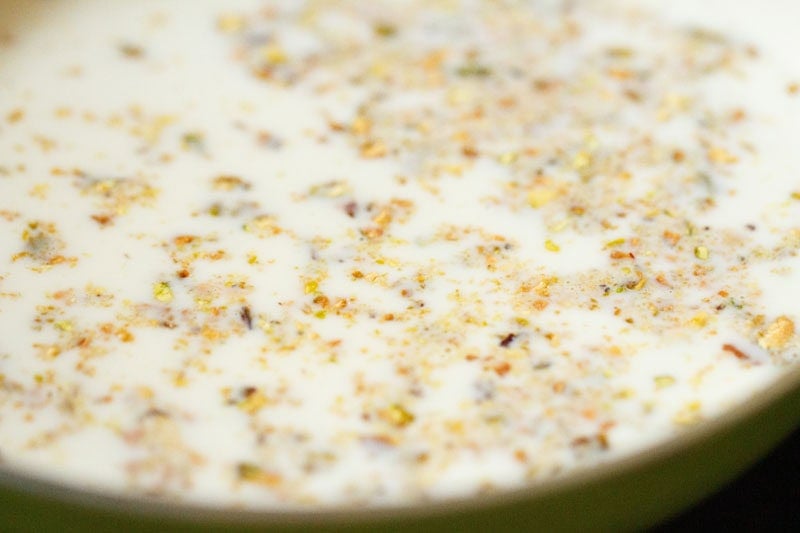
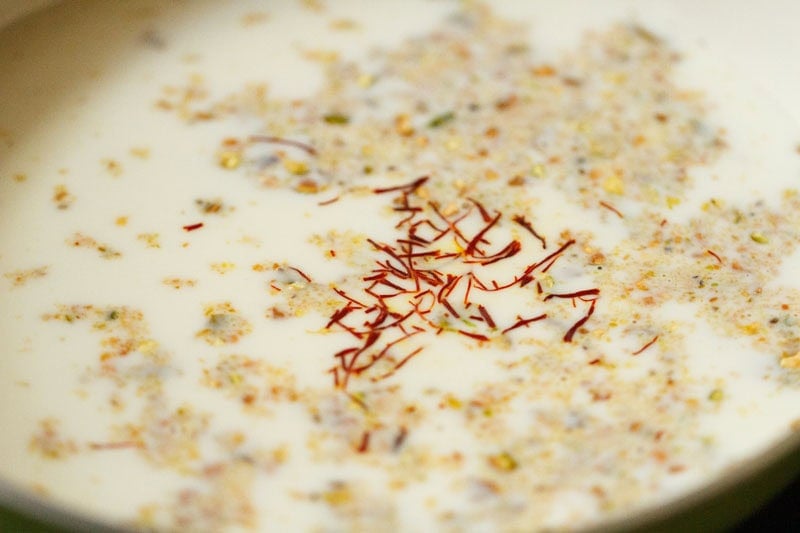
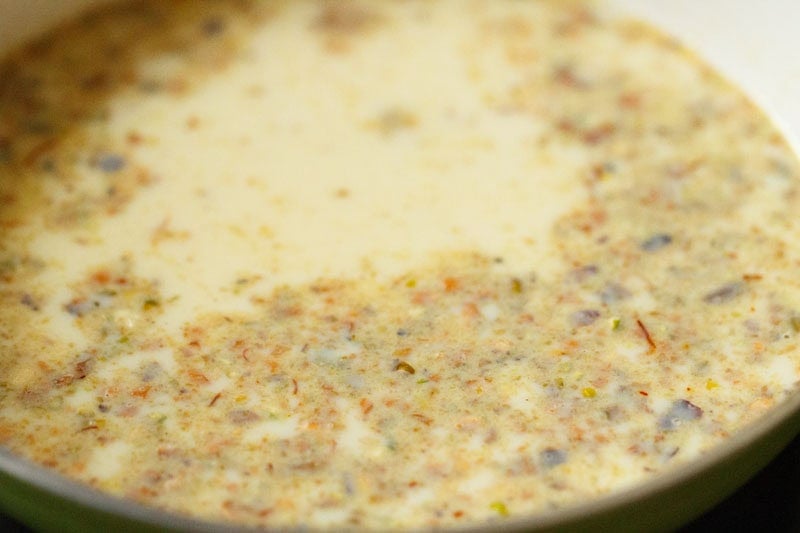
- The Saffron Infusion: The heart of the drink is the milk. Whole milk is gently warmed—not boiled—with sugar and a generous quantity of crushed saffron strands. This allows the safranal and crocin (the aromatic and coloring compounds of saffron) to bloom, turning the milk into a rich, golden elixir. Often, crushed pistachios or a hint of cardamom are added at this stage to build a more complex flavor profile.
- The Chill: All components must be thoroughly chilled. The saffron milk is refrigerated, ensuring that when the drink is assembled, it provides maximum relief from the heat.
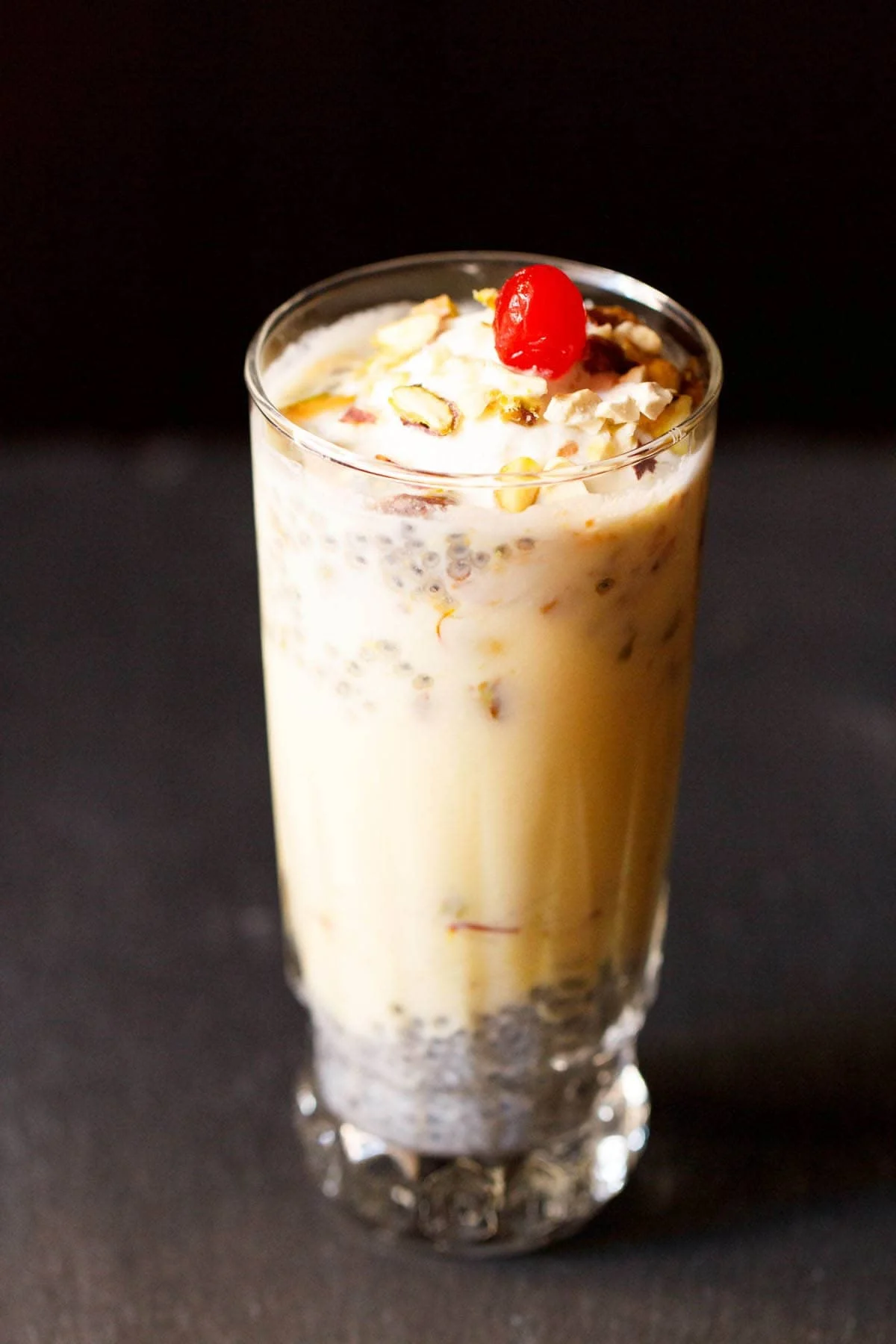
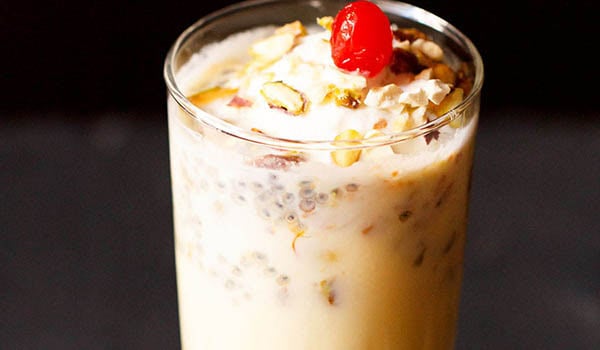
- The Assembly: The final act is the layering. In a tall glass, the sabja seeds form the base, followed by a dense layer of sev. Ice cubes are added for thermal stability, followed by the pouring of the saffron milk. The drink is then crowned with a scoop of ice cream—typically vanilla, malai kulfi, or saffron-pistachio—and garnished with a colorful array of slivered nuts and a glazed cherry.
Supporting Data: The Science and Economics of Ingredients
The enduring popularity of Kesar Falooda is supported by the unique properties of its ingredients, which offer both physiological benefits and economic prestige.
The Saffron Factor
Saffron’s role in the Falooda is not merely aesthetic. Scientific studies on Crocus sativus (saffron) suggest it possesses antioxidant properties and can act as a mild mood elevator. Economically, the inclusion of 25 to 30 strands of saffron per serving—as recommended in premium recipes—significantly increases the "perceived value" of the dessert. In the global spice market, high-quality Kashmiri or Iranian saffron can fetch upwards of $5,000 per kilogram, making the Kesar Falooda a "luxury" variant of the street-food classic.
Sabja Seeds and Thermoregulation
In Ayurvedic medicine, basil seeds (sabja) are classified as a "coolant." When ingested, the mucilaginous coating of the seeds is believed to help regulate body temperature and soothe the stomach lining. This functional benefit is a major driver of Falooda consumption during the Indian summer, where temperatures frequently exceed 40°C (104°F).
Nutritional Profile
A standard serving of Kesar Falooda (approx. 300ml) is a high-energy treat. It contains roughly:
- Calories: 350–500 kcal (depending on ice cream and sugar content).
- Calcium: Significant levels due to the whole milk base.
- Healthy Fats: Derived from the inclusion of pistachios, almonds, and cashews.
Official Responses: Culinary Insights and Expert Perspectives
Culinary experts and professional chefs view the Kesar Falooda as a masterclass in balance. Chef and food historians often note that the success of a Falooda depends entirely on the "structural integrity" of its layers.
"The beauty of a Kesar Falooda lies in the contrast," says a prominent Mumbai-based pastry chef. "You have the slippery, almost bland texture of the sev, which acts as a vehicle for the intensely aromatic and sweet saffron milk. Then you have the crunch of the nuts and the slow-melting creaminess of the ice cream. If any one element is too sweet or too soft, the architecture of the dessert collapses."
Nutritionists also weigh in on the modern adaptations of the drink. With the rise of health-consciousness, many establishments are now offering "guilt-free" versions. "We are seeing a shift toward using stevia or monk fruit as sweeteners and almond or soy milk for the base," says a clinical nutritionist. "While this changes the traditional mouthfeel, it allows a wider demographic, including diabetics and vegans, to experience the cultural ritual of the Falooda."
Furthermore, hospitality experts highlight the "Instagrammability" of the drink. The vibrant yellow layers contrasted with the dark sabja seeds and the white ice cream make it a social media favorite, which has contributed to its viral growth in the Western "fusion" food scene.
Implications: The Globalization of Street Food
The rise of Kesar Falooda from a regional specialty to a global phenomenon has several implications for the food industry.
The "Glocal" Food Trend
Kesar Falooda represents the "glocalization" of Indian cuisine. As Indian expatriates have moved across the globe, they have taken their culinary traditions with them, but these traditions have adapted. In London, one might find a "Saffron Falooda Cheesecake," while in Dubai, "Falooda Milkshakes" are a common fast-food item. This suggests that the flavor profile of saffron, milk, and vermicelli is universally appealing and highly adaptable.
Preservation of Traditional Techniques
The continued demand for authentic Falooda ensures the survival of traditional skills, such as the hand-pressing of cornstarch sev and the artisanal harvesting of saffron. It creates a market for high-quality dairy and spice producers, supporting rural economies in regions like Kashmir.
Future Innovations
Looking forward, the implications for the dessert industry involve further experimentation with textures. We are already seeing the introduction of "popping boba" as a modern alternative to sabja seeds, or the use of liquid nitrogen to create saffron-infused "dragon breath" Falooda. However, the core identity of the Kesar Falooda—centered on the luxury of saffron and the comfort of chilled milk—remains its strongest asset.
Conclusion
Kesar Falooda is more than a sum of its parts. It is a liquid history of the Silk Road, a cooling remedy for the tropical sun, and a testament to the sophistication of Indian dessert-making. Whether enjoyed at a humble roadside stall or a five-star establishment, the ritual of digging through layers of golden milk, soft noodles, and crunchy nuts remains one of the world’s most unique gastronomic experiences. As culinary boundaries continue to blur, the Kesar Falooda stands as a golden standard of tradition, luxury, and refreshment.