

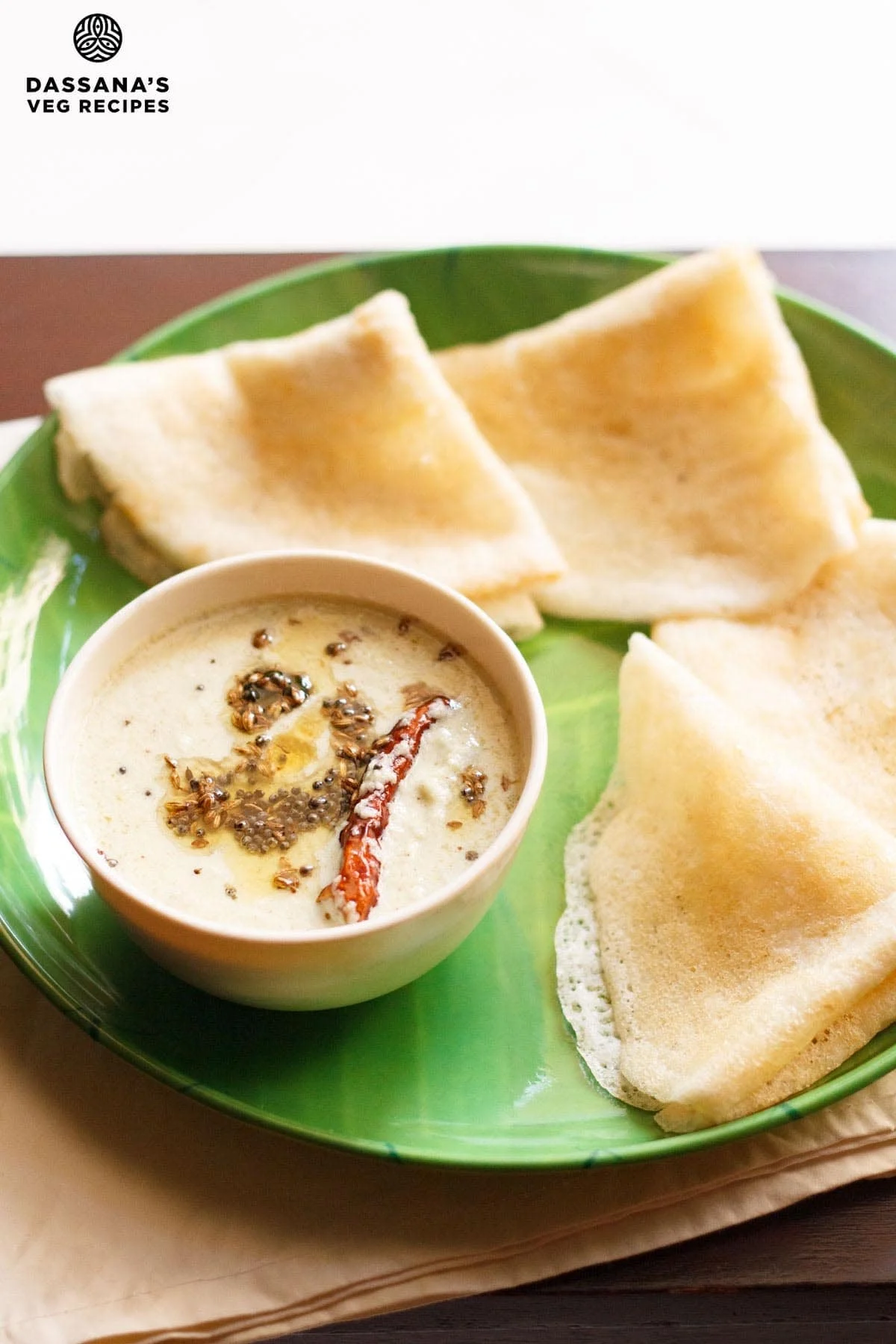
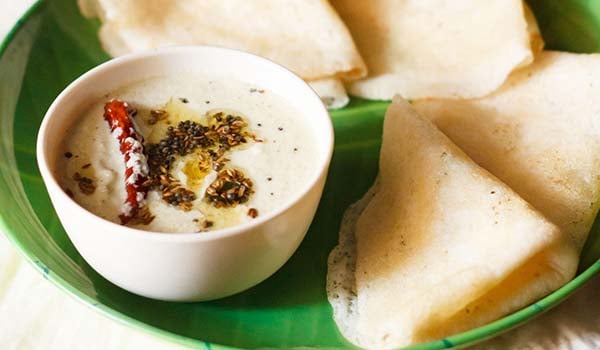
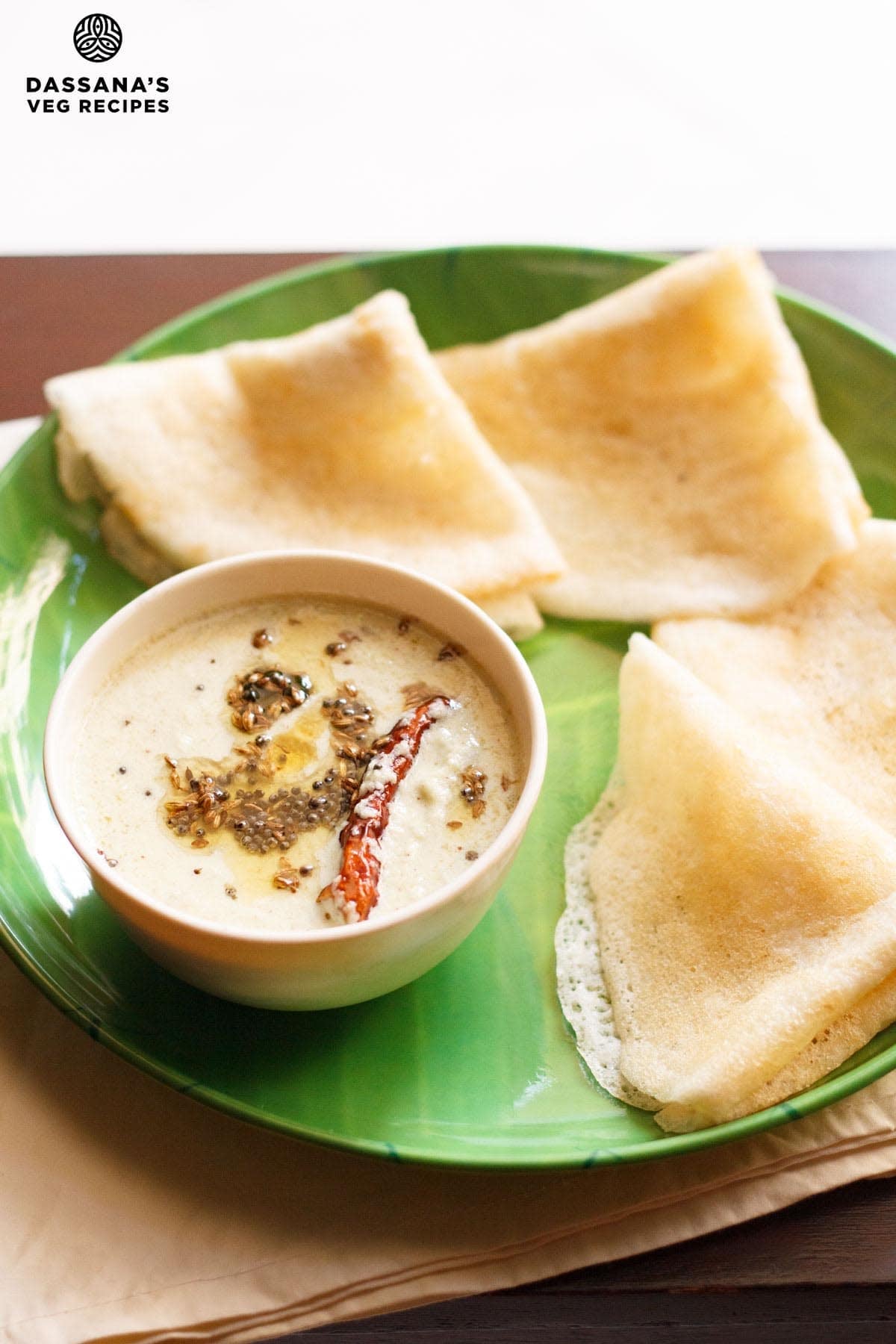
In the vast and intricate landscape of South Indian gastronomy, few elements are as ubiquitous or as essential as the coconut-based condiment known as Idli Chutney. Often referred to interchangeably as Dosa Chutney, this preparation serves as the foundational accompaniment for a variety of "tiffin" snacks, including idli (steamed rice cakes), dosa (fermented crepes), and medu vada (savory lentil donuts). While it may appear as a simple side dish, the preparation represents a sophisticated balance of heat, fat, and aromatics, reflecting centuries of regional culinary evolution.
Main Facts: The Composition and Role of Coconut Chutney
At its core, Idli Chutney is a vibrant, creamy emulsion primarily composed of ground coconut. Its primary function is to provide a moisture-rich, flavorful contrast to the relatively neutral and dry textures of fermented rice and lentil-based staples. The recipe analyzed here focuses on a streamlined, "easy" version that prioritizes the purity of the coconut flavor by omitting traditional thickening agents like roasted chana dal (husked gram) or souring agents like tamarind.
Essential Ingredients and Their Roles
The structural integrity of this chutney relies on five key components:
- Coconut: The primary substrate. Fresh coconut provides essential fats and a natural sweetness, while desiccated coconut offers a shelf-stable alternative that requires specific rehydration techniques.
- Green Chilies: The source of capsaicin, providing a sharp heat that cuts through the richness of the coconut fat.
- Ginger and Garlic: These aromatics provide depth and digestive benefits, adding a pungent undertone that balances the sweetness of the fruit.
- Curry Leaves: Used both in the grinding stage and the tempering stage, these leaves provide a citrusy, herbal note characteristic of South Indian cuisine.
- Tempering (Tadka): A final addition of spices bloomed in hot oil, which serves to "wake up" the chutney’s flavor profile.
This specific iteration is noted for its "pronounced coconut flavor," distinguishing it from the more complex, nutty variations found in commercial establishments. By focusing on a minimal ingredient list, the recipe highlights the quality of the fresh produce.
Chronology: The Process of Creation
The production of Idli Chutney follows a precise two-stage methodology: the cold-processing of the base and the hot-processing of the tempering. This sequence is critical to achieving the desired organoleptic properties.
Stage I: The Emulsification (Cold Grinding)
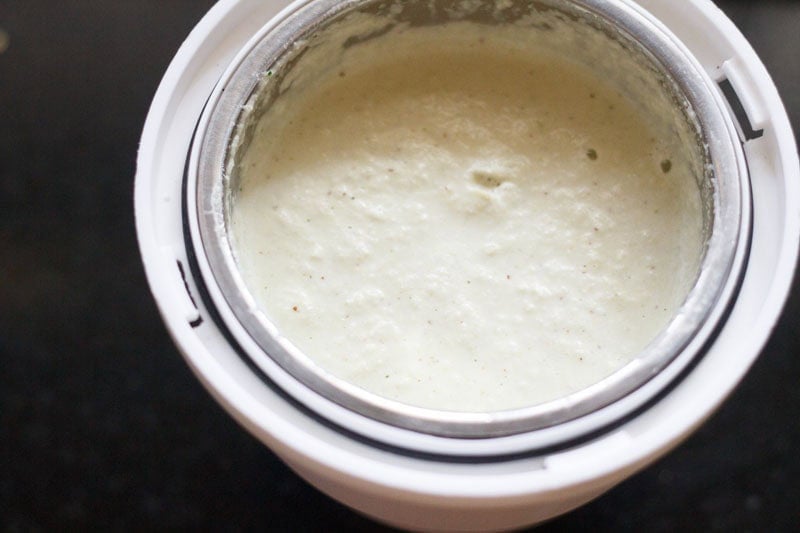
The first phase involves the mechanical breakdown of raw ingredients. Historically, this was achieved using a sil-batta (flat stone) or a vaattal (grinding stone). In contemporary settings, a high-speed "chutney grinder" jar is utilized.
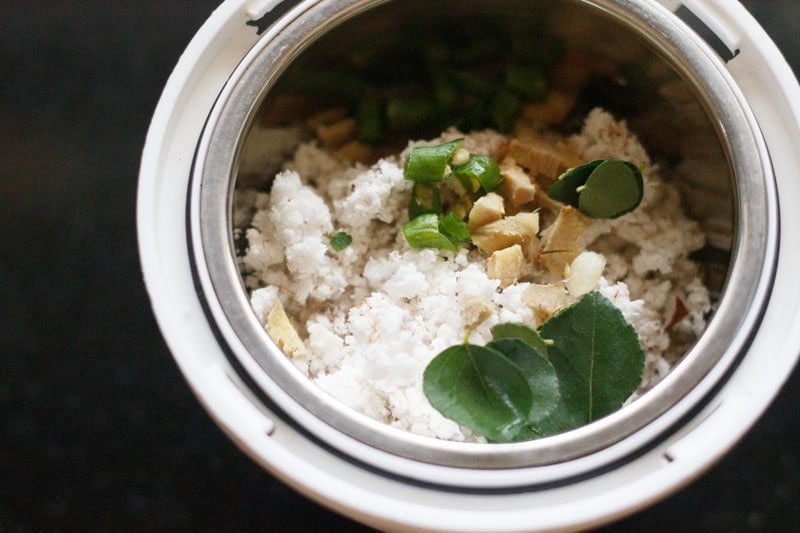
- Assembly: Freshly grated coconut is combined with sliced ginger, peeled garlic, and green chilies.
- Hydration: Water is added incrementally (typically 4 to 5 tablespoons) to facilitate the movement of the blades and to achieve a smooth, pourable consistency.
- Result: The result is a vibrant, pale-green paste where the coconut fats have been partially emulsified with the added water.
Stage II: The Thermal Infusion (Tempering)
Once the base is transferred to a ceramic or steel bowl, it undergoes "tempering" (known as tadka or thalippu). This is a rapid-fire chemical process:
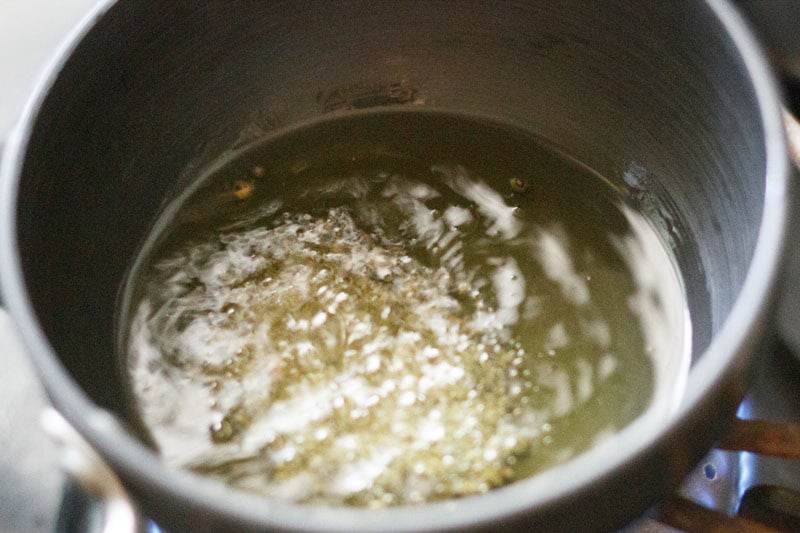
- Oil Heating: A neutral oil is heated until it reaches a medium-hot state.
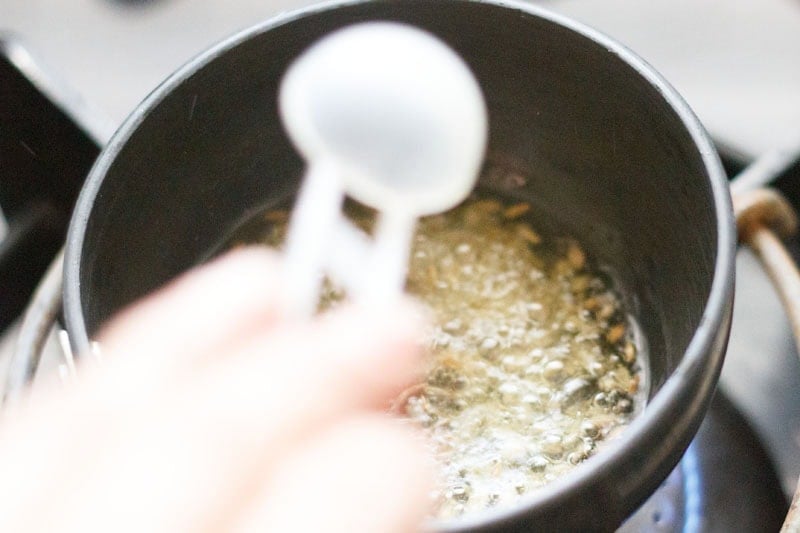
- Mustard and Cumin Activation: Mustard seeds are added first; their "crackling" indicates the release of volatile oils. Cumin seeds follow, providing an earthy aroma.
- Aromatic Extraction: Dried red chilies (deseeded to control heat), asafoetida (hing), and fresh curry leaves are introduced. The red chilies undergo a Maillard reaction, darkening in color, while the curry leaves become crisp.
- Integration: This hot oil mixture is immediately poured over the cold chutney, creating a sizzle that helps to slightly cook the surface of the raw aromatics in the base, bridging the flavor gap between the two components.
Supporting Data: Nutritional and Technical Specifications
From a nutritional standpoint, Idli Chutney is a calorie-dense condiment due to the high medium-chain triglyceride (MCT) content of the coconut.
Nutritional Breakdown (Per Serving)
An analysis of a standard serving (approximately 1/3 of the recipe) reveals the following:
- Energy: 148 kcal
- Total Fat: 14g (Saturated Fat: 8g), representing the bulk of the caloric load.
- Carbohydrates: 6g (Fiber: 3g, Sugar: 2g)
- Sodium: 445mg
- Micronutrients: The preparation is surprisingly rich in Vitamin C (63mg) and Vitamin B9 (Folate: 361µg), largely derived from the fresh chilies and curry leaves. It also provides 1mg of Iron and 25mg of Calcium.
Material Science: Fresh vs. Desiccated
The recipe highlights a critical technical distinction between fresh and desiccated coconut. Fresh coconut contains approximately 50% moisture, providing a naturally creamy texture. Desiccated coconut, having been dehydrated, requires "warm water" during the grinding process. This heat helps to re-emulsify the dried fats, preventing the chutney from becoming gritty or "sandy" in texture.
Official Responses and Culinary Standards
While there is no "central authority" on chutney, culinary experts and traditional practitioners emphasize several "golden rules" for maintaining the integrity of the dish.
The Freshness Mandate
Experts agree that coconut-based chutneys are highly perishable. Because of the high fat and moisture content, they are prone to rapid bacterial growth and oxidative rancidity if left at room temperature. The "official" recommendation from culinary professionals is to consume the product immediately or refrigerate it for no more than a few hours.
Regional Variations as "Industry Standards"
In the culinary "responses" to this basic recipe, various regions suggest modifications:
- The Tamil Nadu Approach: Often includes pottukadalai (roasted chana dal) to provide a thicker, nuttier body and to act as a stabilizer for the emulsion.
- The Karnataka (Udupi) Approach: Frequently incorporates a small amount of tamarind pulp or jaggery to create a sweet-and-sour profile.
- The Kerala Style: Typically uses coconut oil for tempering to double down on the coconut aroma, often omitting garlic to keep the flavor "clean."
Professional Tips for Consistency
Journalistic inquiries into professional kitchens reveal that the "spice level" is the most frequent point of adjustment. Chefs suggest adding green chilies incrementally, as the heat levels of chilies can vary significantly by season and variety. Furthermore, the use of a "pinch of asafoetida" is considered non-negotiable by traditionalists to counter the potential heaviness of the coconut.
Implications: The Globalization of South Indian Tiffin
The simplicity and nutritional profile of this Idli Chutney have broader implications for the global food industry and the preservation of South Indian heritage.
The Rise of "Tiffin" Culture
As South Indian breakfast items like Idli and Dosa gain popularity in Western metropolitan centers—recognized for being naturally gluten-free and often vegan—the demand for authentic chutneys has surged. This "easy" recipe serves as a gateway for the diaspora and non-Indian enthusiasts to recreate authentic flavors without requiring specialized ingredients like tamarind or specific lentils.
Health and Dietary Trends
The chutney’s reliance on whole-food ingredients aligns with current "clean label" trends. However, the high saturated fat content from coconut remains a point of discussion among nutritionists. The implication for health-conscious consumers is that while the chutney offers significant micronutrients and healthy fiber, it must be consumed as a condiment—proportional to the steamed grains it accompanies—rather than a primary food source.
Technological Impact on Tradition
The transition from stone-ground to blender-processed chutney marks a significant shift in texture. High-speed blending can sometimes "over-process" the coconut, leading to a buttery texture that some traditionalists find inferior to the slightly coarse, "hand-ground" feel. As kitchen technology evolves, the challenge for the modern cook is to maintain the "rustic" integrity of the dish while embracing the efficiency of modern appliances.
Conclusion
The Idli Chutney is more than a mere side dish; it is a technical marvel of South Indian culinary science. By balancing the cooling properties of coconut with the digestive heat of ginger and the aromatic complexity of a tempered tadka, this recipe provides a snapshot of a culture that values both simplicity and sensory depth. Whether made with fresh coconut in a traditional kitchen in Chennai or with desiccated coconut in a modern apartment in London, the dish remains a steadfast symbol of the enduring appeal of South Indian "tiffin" cuisine.
