

Main Facts: The Anatomy of a Minimalist Masterpiece
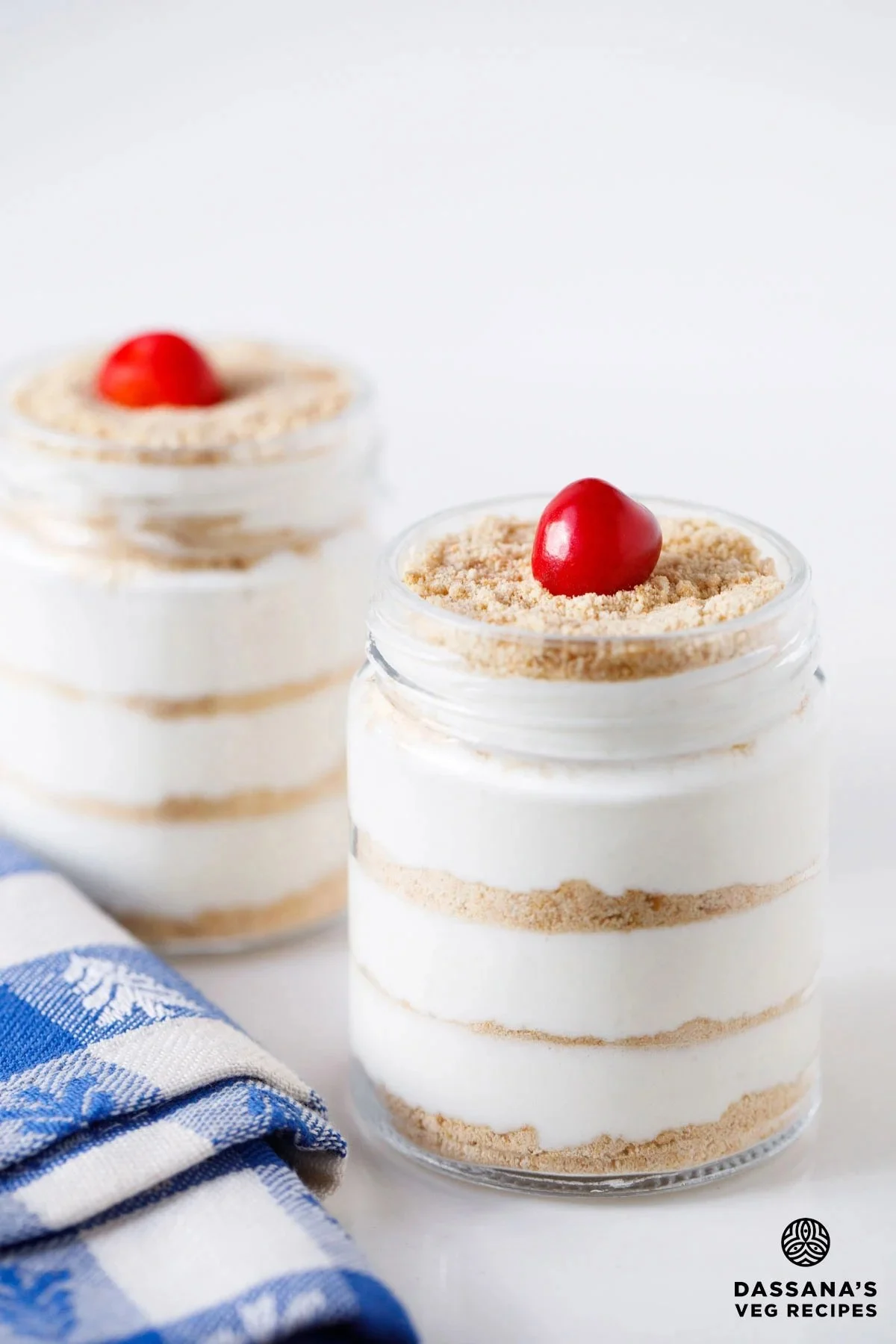
In the landscape of international patisserie, few desserts achieve the paradoxical balance of extreme simplicity and sophisticated texture as effectively as Serradura. Known colloquially as "Portuguese Sawdust Pudding," this no-bake delicacy has transcended its humble origins to become a staple of colonial fusion cuisine, particularly in the Luso-Asian corridors of Macau and Goa. At its core, Serradura is a study in three ingredients: heavy whipping cream, sweetened condensed milk, and finely pulverized Marie biscuits.
The name "Serradura" is derived from the Portuguese word for "sawdust," an evocative reference to the appearance of the biscuit crumbs that form the dessert’s alternating layers. While the visual comparison to carpentry by-products might seem unappetizing to the uninitiated, the sensory reality is one of velvet-smooth cream contrasted against a delicate, grainy crunch that eventually softens into a cake-like consistency as it chills.

As a culinary phenomenon, Serradura represents the "no-bake" movement’s highest potential. It requires no gelatin, no eggs, and no heat, relying instead on the structural integrity of high-fat dairy and the hygroscopic nature of the biscuit crumbs to achieve its set. In a modern era characterized by "minimalist" cooking, Serradura serves as a historical blueprint for the three-ingredient trend currently dominating digital food media.
Chronology: From the Atlantic Coast to the Pearl River Delta
The history of Serradura is inextricably linked to the Portuguese Age of Discovery and the subsequent establishment of trade routes that bridged Europe with the Far East.

The Portuguese Origins
While the exact date of the first Serradura remains a subject of culinary debate, it is widely accepted as a traditional home-style dessert in mainland Portugal. It emerged during an era when condensed milk—a product of 19th-century industrial preservation—became a kitchen staple. The use of the Marie biscuit, a thin, vanilla-flavored tea biscuit created by the London bakery Peek Freans in 1874 to commemorate the marriage of the Grand Duchess Maria Alexandrovna of Russia to the Duke of Edinburgh, further dates the dessert’s modern iteration to the late 19th or early 20th century.
The Macanese Adoption
The dessert found its second home in Macau, a Portuguese territory for over 400 years. Here, Serradura evolved from a domestic treat into a high-profile commercial icon. In the narrow streets of the Taipa Village and the grand hotels of the Cotai Strip, Serradura is often the signature offering. It was in Macau that the dessert began to incorporate regional flourishes, such as green tea (matcha) or durian layers, though the classic version remains the gold standard.

The Goan Connection
Simultaneously, the dessert traveled to the western coast of India. In Goa, a former Portuguese enclave, Serradura became a fixture of the local Catholic community’s celebratory menus. Today, it is ubiquitous in Goan beach shacks and upscale restaurants alike, serving as a cooling palate cleanser after a meal of spicy vindaloo or xacuti. The Goan version often emphasizes the "sawdust" texture, maintaining a distinct separation between the cream and the crumb to provide a more rustic mouthfeel.
Supporting Data: The Science of the Set
To understand why Serradura works, one must look at the technical specifications of its components. This is not merely a matter of assembly; it is an exercise in emulsion and moisture migration.

The Dairy Threshold
The success of the pudding hinges on the fat content of the cream. Journalistic investigations into professional pastry kitchens reveal that a minimum of 35% milk fat is required for the dessert to hold its shape without the aid of chemical stabilizers. Lower fat percentages result in a "slumping" effect, where the layers bleed into one another prematurely. When whipped to medium-stiff peaks, the cream traps air in a protein-fat matrix, providing the loft necessary to support the weight of the biscuit layers.
Nutritional Profile
According to standardized recipe analysis, a single serving of Serradura (approximately 150g) carries a significant caloric load, reflective of its rich ingredients:

- Calories: 508 kcal
- Total Fat: 34g (of which 20g are saturated)
- Carbohydrates: 46g
- Sugars: 27g
- Protein: 7g
- Sodium: 244mg
The high carbohydrate count is attributed to the 28 Marie biscuits (approx. 144 grams) used in a standard four-serving batch. Despite the lack of added granulated sugar, the sweetened condensed milk provides a concentrated dose of sucrose and lactose, which acts as both a sweetener and a thickening agent.
The "Sawdust" Metric
The texture of the biscuit crumbs is the defining variable of the dish. For an authentic experience, the crumbs must be processed until they reach a diameter of less than 1mm. In professional settings, this is achieved through high-speed food processors; in traditional home settings, it involves a rolling pin and a sturdy bag. The fine surface area of the "sawdust" allows it to absorb just enough moisture from the cream to soften without losing its identity as a distinct layer.

Official Responses: Expert Guidance and Culinary Best Practices
Culinary experts and seasoned chefs emphasize that while the recipe is simple, the execution requires precision. Below are the consensus recommendations for achieving a professional-grade Serradura.
Ingredient Selection
Chef and food researcher Dassana Amit notes that the choice of biscuit is non-negotiable for the traditional flavor profile. "Marie biscuits are essential due to their light, crisp texture and subtle vanilla notes," Amit explains. "In the United States, Maria cookies serve as an exact substitute, but one should avoid overly buttery shortbreads or high-sugar cookies, as they can overwhelm the delicate balance of the sweetened cream."

Temperature Control
A critical "official" tip for home cooks is the temperature of the equipment. To achieve medium-stiff peaks efficiently, both the mixing bowl and the whisk should be chilled in the freezer for 15 minutes prior to use. This prevents the friction of the mixer from heating the fat globules, which can cause the cream to "break" or turn into butter.
Layering Technique
The assembly phase requires a gentle hand. "The first layer should always be the biscuit crumbs," suggests the technical guide. "This provides a stable base. When adding the cream, it is best to use a piping bag to ensure even distribution without disturbing the fine dust of the layer below."

Stabilization and Chilling
Official guidelines recommend a minimum chilling period of 4 to 5 hours. This is not merely for temperature; it is a "curing" process. During this time, the biscuit layers undergo partial hydration, creating a cohesive structure that allows the dessert to be sliced if made in a large bowl, or neatly spooned if served in individual ramekins.
Implications: Serradura in the Modern Global Kitchen
The enduring popularity of Serradura has several implications for the future of global food culture and the hospitality industry.

The Rise of "Effortless Luxury"
Serradura fits perfectly into the current consumer demand for "luxury" experiences that do not require specialized skills or expensive equipment. In a post-pandemic world where home cooking has seen a resurgence, recipes that offer high visual and gustatory rewards for minimal labor have become highly "shareable" on social platforms like Instagram and TikTok. Serradura’s clean, defined layers make it an aesthetic favorite.
Cross-Cultural Fusion
The dessert serves as a bridge between cultures. It demonstrates how colonial histories can be preserved and "sweetened" through culinary tradition. As Macau continues to market itself as a UNESCO Creative City of Gastronomy, Serradura remains a primary ambassador of Macanese identity—a blend of European technique and Asian context.

Dietary Adaptations
Looking forward, the implications for Serradura include its adaptation to modern dietary restrictions. The recipe is currently being reimagined by vegan chefs using coconut cream and condensed oat milk, alongside gluten-free Marie biscuit alternatives. Because the dish relies on the physical properties of fat and crumb rather than the chemical properties of eggs or gluten, it is an ideal candidate for "free-from" innovation.
Conclusion
Serradura is more than just a three-ingredient pudding; it is a historical artifact, a triumph of dairy science, and a testament to the power of simplicity. Whether served in a crystal glass at a high-end Macau casino or a simple jar in a Goan home, it remains a "sawdust" symphony that continues to resonate with palates across the globe. For the home cook, it offers a foolproof entry into the world of international desserts, proving that sometimes, the most sophisticated results come from the most basic elements.
