

The entrance of a home is more than a mere point of ingress; it is a definitive statement of identity, a "visual handshake" that introduces the inhabitants to the world. In the contemporary landscape of interior and exterior design, the humble nameplate has undergone a significant transformation. Once a purely functional item made of wood or plastic, it has evolved into a sophisticated architectural accessory. Leading this evolution is the stainless steel nameplate—a choice that balances industrial-grade durability with high-end aesthetic appeal.
As homeowners and commercial developers increasingly prioritize longevity and minimal maintenance, stainless steel has emerged as the premier material for personalized signage. This report explores the nuances of steel nameplate design, the cultural and spiritual significance of entrance branding, and the technical reasons behind the material’s dominance in the market.
_0_1200.jpg)
Main Facts: The Narrative of the Entrance
A nameplate serves as the primary identifier for a residence or workplace, but its role extends far beyond navigation. From a design perspective, the nameplate sets the tone for the architectural language of the entire property. Experts in real estate and curb appeal suggest that a well-chosen nameplate can increase a property’s perceived value by creating a sense of established permanence.
Stainless steel, specifically Grade 304 and Grade 316, is the material of choice for these installations. Its exceptional resistance to oxidation and corrosion makes it ideal for outdoor use, where it is exposed to fluctuating temperatures, UV radiation, and moisture. Beyond its physical properties, steel offers a professional, sleek, and modern allure that complements contemporary glass-and-concrete structures as well as traditional brick-and-mortar homes.
Chronology: From Industrial Utility to Residential Luxury
The history of signage has seen a dramatic shift in material preference over the last five decades:
- The Traditional Era (1970s–1990s): Nameplates were predominantly crafted from wood, brass, or stone. While aesthetically pleasing, these materials required significant maintenance. Wood would rot or fade, and brass required constant polishing to prevent tarnishing.
- The Industrial Shift (2000s): Stainless steel signage was primarily reserved for corporate headquarters, hospitals, and industrial parks due to its "cold" and "sterile" reputation.
- The Modern Renaissance (2010s–Present): With the rise of minimalist architecture and industrial-chic interior design, stainless steel transitioned into the residential sector. Advances in laser-cutting technology and etching allowed for intricate designs that softened the metal’s appearance, making it suitable for private homes.
Today, the "steel trend" is a staple in luxury housing, where the focus has shifted from mere identification to bespoke artistic expression.
Supporting Data: 17 Definitive Steel Nameplate Designs
To understand the versatility of this medium, we examine the seventeen most influential design archetypes currently dominating the market.
1. The Classic Engraved Design
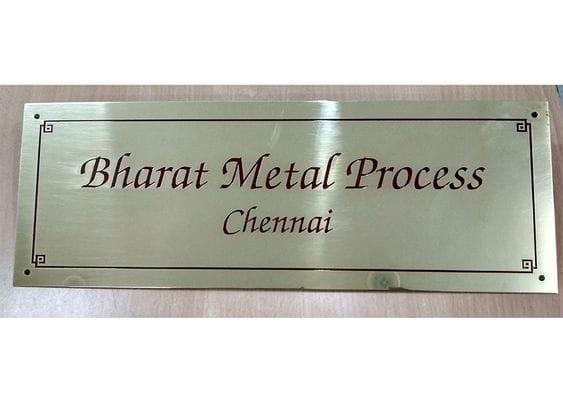
Engraving remains the gold standard for durability. By carving the name and address directly into the steel plate, manufacturers ensure that the text will never peel or fade. Modern CNC engraving allows for a vast array of typography, from classic Serifs to ultra-modern Sans-Serif fonts.
2. High-Mirror Polished Steel
For a touch of luxury, polished steel offers a mirror-like finish. Beyond the aesthetic "expensive" look, polished surfaces have a higher resistance to microscopic pitting, as the smooth surface leaves fewer areas for corrosive elements to take hold.
3. Designer Artistic Plates
These designs incorporate abstract shapes and non-linear patterns. As stainless steel usage has surged, designers have begun treating the metal as a canvas, using water-jet cutting to create unique silhouettes that reflect the homeowner’s personality.
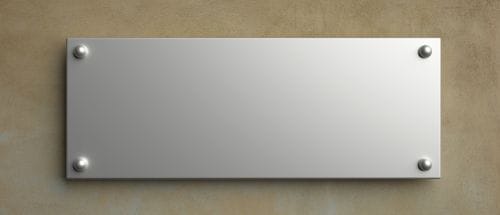
4. Minimalist and Simple Textures
In homes with complex architectural features, a simple, brushed steel plate provides a necessary visual anchor. A simple texture prevents the entrance from looking cluttered, maintaining a sophisticated balance.
5. Personalized Photo-Etched Plates
Using advanced laser marking, it is now possible to etch high-resolution photographs onto steel. This provides a deeply personal touch, turning a nameplate into a family heirloom.
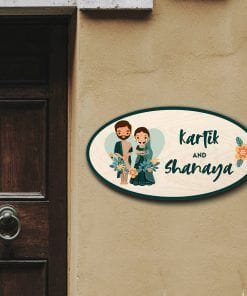
6. The Steel & Acrylic Fusion
A popular contemporary trend is the layering of materials. An acrylic top layer over a steel base provides depth and a "3D" effect. This fusion combines the industrial strength of steel with the glossy, colorful versatility of acrylic.
7. Majestic Floral Engravings
To soften the inherent hardness of metal, floral motifs are often laser-cut into the steel. When paired with backlighting, these designs cast intricate shadows, creating a welcoming, organic feel at the entrance.
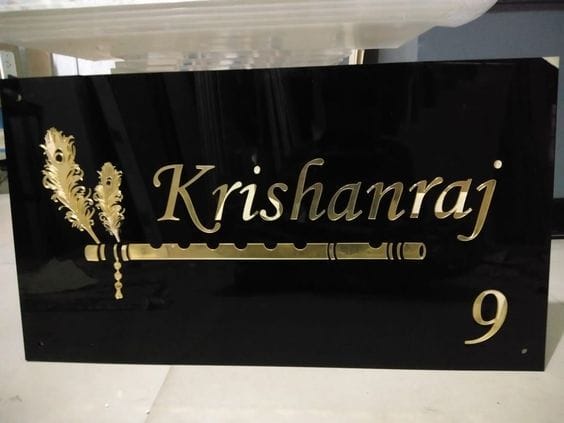
8. The Ethnic Charm of Hanging Bells
Integrating tradition with modernity, many homeowners opt for steel plates adorned with hanging titanium or brass bells. This design bridges the gap between contemporary material and cultural heritage.
9. Backlit LED Installations
Lighting is a critical component of modern signage. Backlit steel plates use a "halo effect" where LEDs are placed behind the plate, making the name legible at night and adding a layer of security to the home entrance.
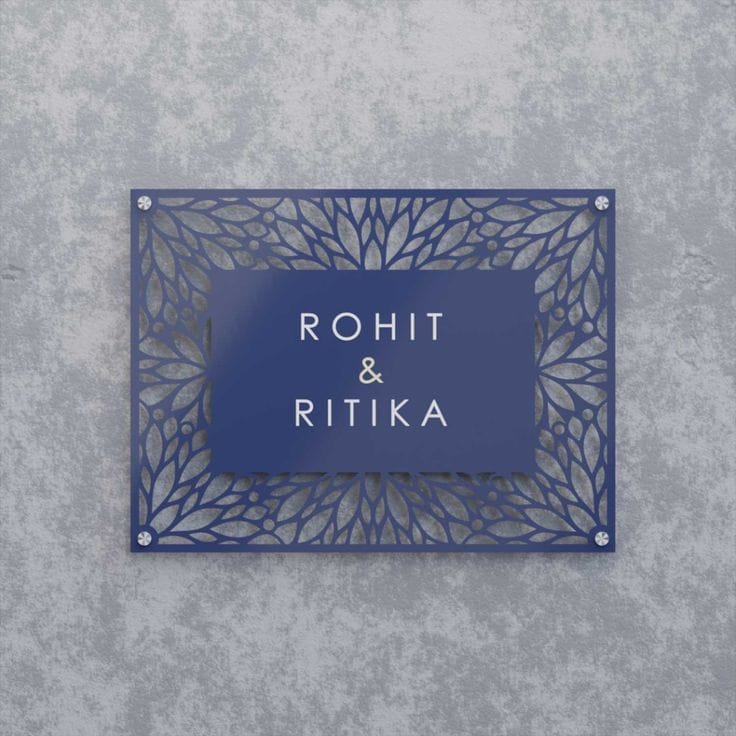
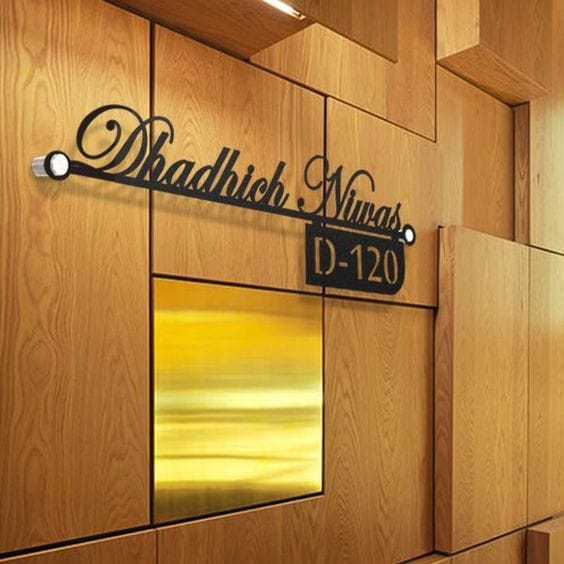
10. The Floating Dimensional Design
Floating nameplates are mounted with spacers to sit 1–2 inches off the wall. This creates a shadow-drop effect that adds dimension and a modern, high-tech feel, ideal for urban apartments.
11. Japanese-Style Lantern Boxes
Inspired by traditional Japanese architecture, these are 3D steel boxes with internal lighting. Beyond their aesthetic appeal, they are often used to symbolize a "guiding light" for the home.

12. The Gold and Titanium Finish
By applying a PVD (Physical Vapor Deposition) coating, stainless steel can take on a majestic gold or rose-gold hue. This provides the prestige of gold with the indestructible nature of steel.
13. Rustic Vintage Fusion
For those who prefer a "heritage" look, steel can be treated or paired with copper motifs to create a rustic, weathered appearance that reflects cultural history while maintaining structural integrity.
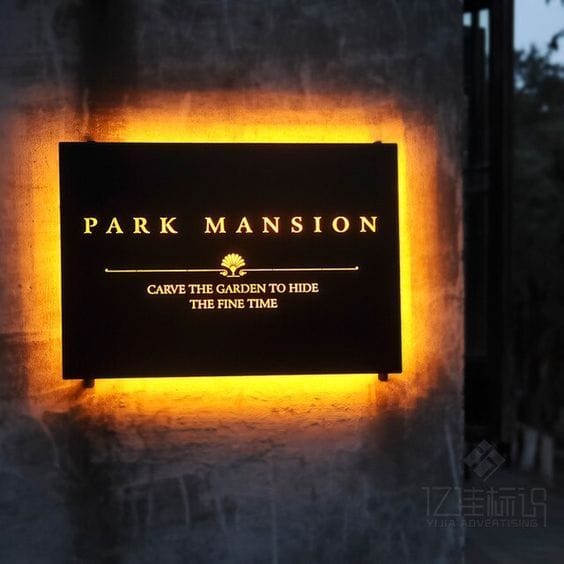
14. Thick-Gauge Rectangular Plates
In the world of metalwork, "heaviness" often equates to quality. A thick-gauge rectangular plate offers a sense of permanence and "gravitas" that thinner, flimsier plates cannot match.
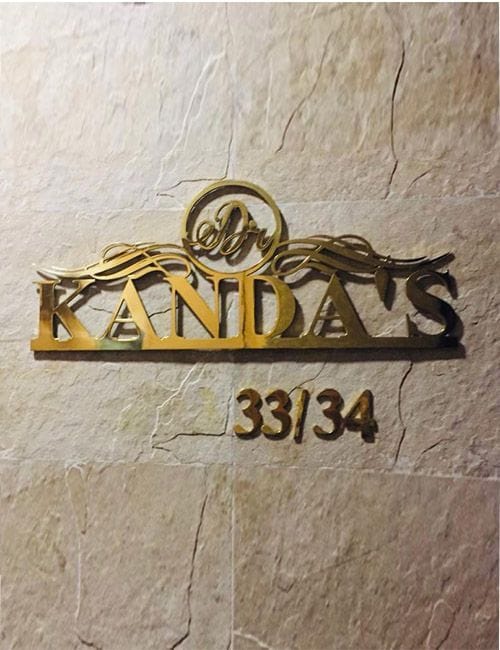
15. Standalone Lettering (The Base-less Design)
A favorite in industrial-modern homes, this design involves mounting individual steel letters directly onto the wall. This "floating" text is clean, bold, and highly effective for large estates.
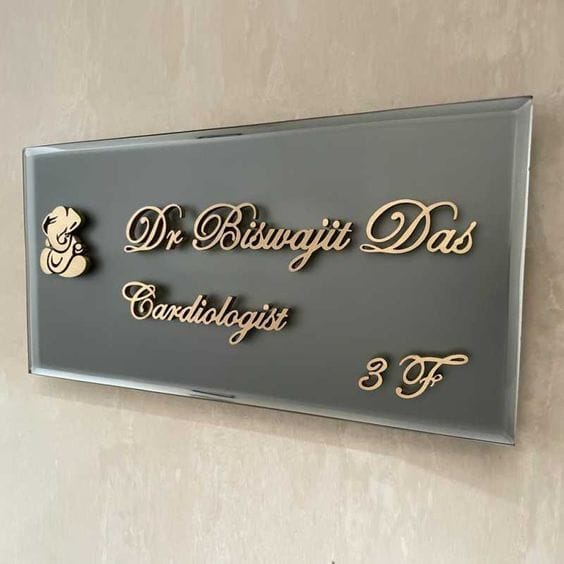
16. Geometric Cut-Outs
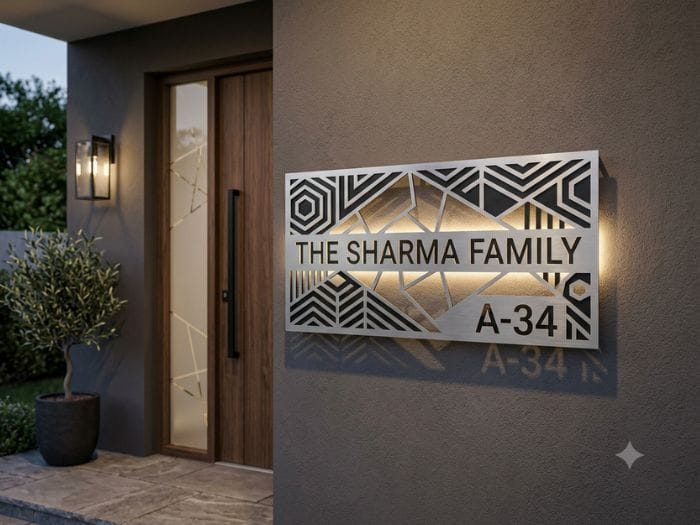
For the avant-garde homeowner, geometric patterns (hexagons, chevrons, or lattices) are cut into a matte black or brushed steel plate. This design relies on the contrast between the plate and the wall color to create visual interest.
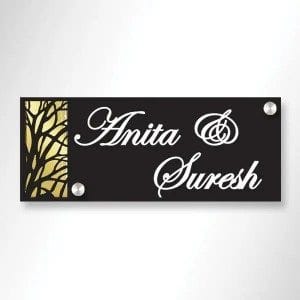
17. Nature-Inspired "Tree of Life"
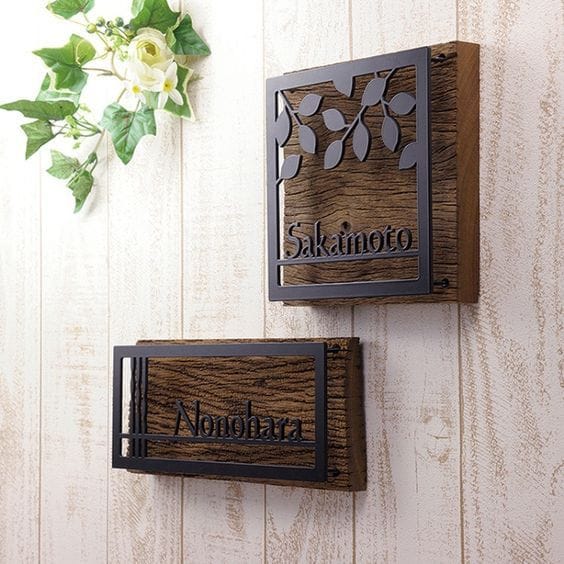
Combining wood and steel, this design often features a laser-cut tree silhouette. It represents growth and stability, blending artistic craftsmanship with the resilience of stainless steel.
Official Responses: Vastu Shastra and Architectural Standards
The placement and material of a nameplate are often dictated by more than just personal taste. In many cultures, particularly in South Asia, Vastu Shastra (the traditional system of architecture) plays a pivotal role.
The Vastu Perspective
Vastu experts suggest that the entrance is the "mouth" of the home, where energy (Prana) enters.
- Material Integrity: Metal nameplates, specifically steel, are favored for North and West-facing homes as they represent the "Space" and "Air" elements.
- Clarity and Visibility: A nameplate must be clearly legible and well-lit. A dark or obscured nameplate is thought to hinder opportunities and guests from finding the home.
- The Bell Factor: As noted in design #8, hanging bells are often recommended to purify the energy of those entering the house.
Architectural Industry Standards
From a construction standpoint, architects recommend Stainless Steel Grade 304 for standard residential use and Grade 316 for coastal properties. Grade 316 contains molybdenum, which protects the sign from "tea staining" or salt-air corrosion. This technical specification is the "official" recommendation for any property located within five miles of the ocean.
Implications: Longevity, Maintenance, and Value
The shift toward steel nameplates has several long-term implications for homeowners and the signage industry:

1. Sustainability and Lifecycle:
Stainless steel is 100% recyclable. Unlike plastic signage that ends up in landfills, a steel nameplate is a sustainable choice. Its lifespan often exceeds 20–30 years, making it a "one-time" investment.
2. Maintenance Requirements:
One of the primary drivers of this trend is the low maintenance overhead. A simple wipe-down with a microfiber cloth and a mild detergent is usually sufficient to maintain the luster. Unlike wood, it does not require seasonal varnishing.
3. The Professionalization of the Home:
As remote work becomes a permanent fixture, the boundary between the "home" and the "office" has blurred. A professional-grade steel nameplate lends an air of legitimacy to home-based businesses, signaling a high level of organization and attention to detail.
4. Customization Technology:
The rise of steel nameplates has spurred growth in the bespoke manufacturing sector. Small-scale artisans and large industrial firms alike are now offering online customization tools, allowing consumers to preview their designs in 3D before fabrication.
Conclusion: Summing Up the Steel Trend
The transition of stainless steel from industrial warehouses to the front doors of modern homes represents a broader shift in design philosophy: the marriage of form and function. While steel was once viewed as cold, the 17 designs highlighted in this report demonstrate that it can be warm, inviting, and deeply personal.
Whether it is a floating minimalist design for a city apartment or a majestic backlit plate for a suburban villa, steel provides a canvas that is as durable as it is beautiful. As we move further into an era of sustainable and "forever" products, the steel nameplate stands as a testament to the enduring importance of a first impression.
Disclaimer: This report is based on current market trends and architectural standards. Readers are encouraged to consult with local Vastu experts or architectural consultants for specific installation requirements.
