

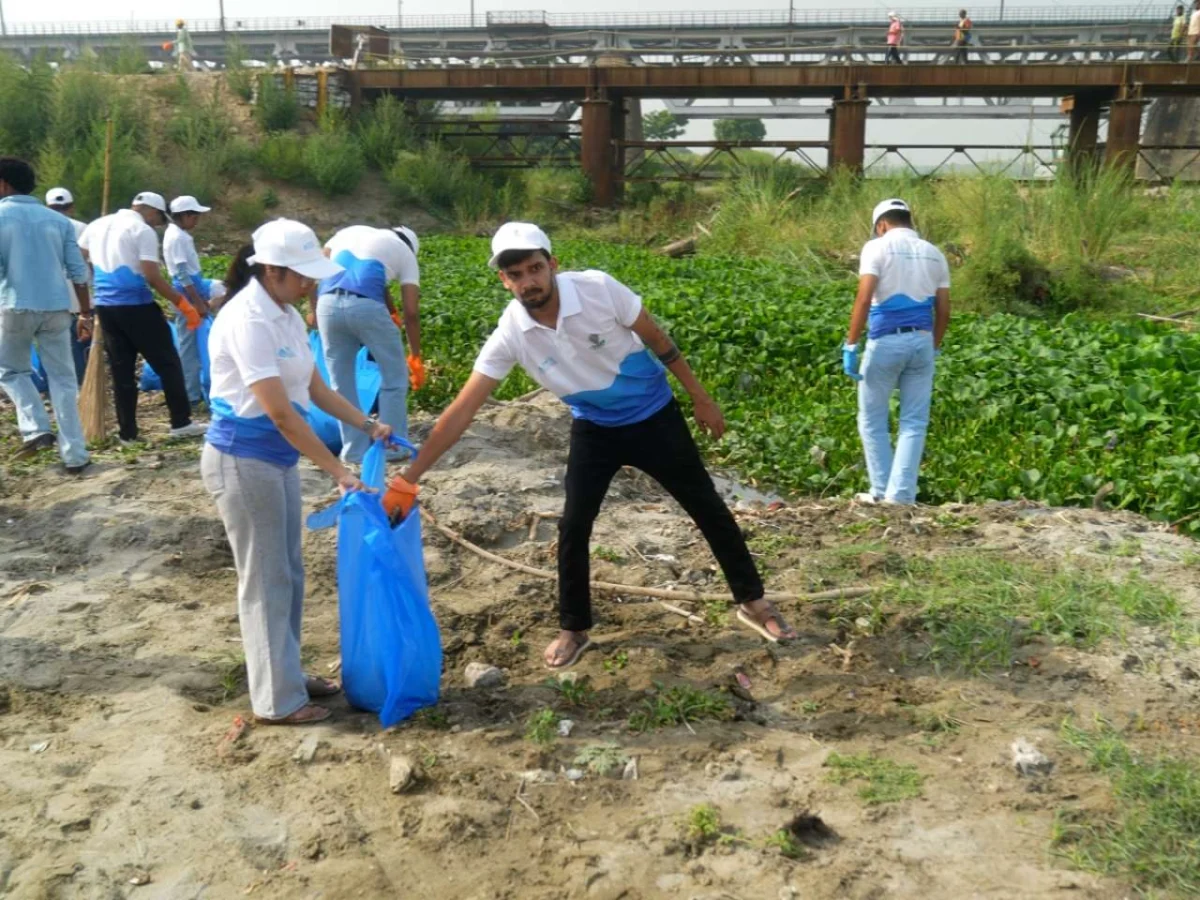
New Delhi, India – July 28, 2026 – On the cusp of World Nature Conservation Day, a powerful narrative of resilience, dedication, and profound civic responsibility is emerging from the heart of India. Zee Media’s "My Earth, My Duty" campaign proudly spotlights Satyam Dixit, a young environmental changemaker whose personal journey, marked by humble beginnings and unexpected turns, has blossomed into a nationwide movement dedicated to environmental stewardship. What began as a personal response to the global pandemic has evolved into a powerful testament to the transformative potential of citizen-led action, proving that even the most daunting challenges can be met with unwavering commitment and collective will.
Satyam Dixit’s story is not one of inherited privilege or effortless success. It is a narrative deeply rooted in the realities of a modest Indian household, a testament to the quiet strength and determination that often fuels extraordinary achievements. Raised by a father who toiled as a pedal rickshaw puller and later as a watchman, Satyam’s early life was shaped by the constant pursuit of stability and the understanding of hard work. His childhood was spent in rented accommodation, a stark reminder of the economic realities faced by many. Undeterred by these circumstances, Satyam demonstrated an early entrepreneurial spirit, contributing to his family’s income by selling momos while still in school. This was followed by a period as a delivery executive during his college years, a role that not only provided financial support but also offered invaluable insights into the diverse fabric of Indian society and its daily challenges. These formative experiences instilled in him a deep-seated sense of responsibility and an innate drive to serve his community.
)
The Pandemic’s Pivot: A Crossroads of Purpose
The year 2020, a period of unprecedented global upheaval due to the COVID-19 pandemic, proved to be a pivotal turning point in Satyam Dixit’s life. Like many aspiring young Indians, his sights were set on the rigorous UPSC (Union Public Service Commission) examinations, a gateway to a career in public service. However, the unfolding crisis presented him with a starkly different calling. The widespread impact of the pandemic, the disruption to daily life, and the visible vulnerabilities within communities compelled Satyam to re-evaluate his priorities. Instead of immersing himself in academic preparation, he chose to dedicate his time and energy to alleviating the suffering and addressing the immediate needs of those around him. This altruistic impulse, born out of a crisis, became the fertile ground for his future environmental endeavors.

His initial foray into community service during the pandemic was characterized by direct, hands-on assistance. However, as he engaged with various communities, Satyam began to observe a recurring and deeply concerning issue: the pervasive problem of environmental degradation, particularly concerning waste management and cleanliness. The pandemic, while highlighting human resilience, also amplified the environmental challenges that often go unnoticed in the hustle of daily life. It became clear to him that addressing these issues was not merely a matter of aesthetics or public health, but a fundamental necessity for the long-term well-being of society. This realization sparked the genesis of his citizen-led environmental initiative.
)
From a Spark to a Conflagration: The "My Earth, My Duty" Movement
What began as a humble effort with a handful of like-minded volunteers has, in a remarkably short period, burgeoned into a formidable movement. The initiative, driven by Satyam Dixit’s vision and amplified by the dedication of countless individuals, now spans an impressive network of over 200 cities across India. The core of the movement’s work revolves around a multi-pronged approach to environmental action, encompassing rigorous cleanup drives, strategic waste management interventions, and crucial public awareness campaigns.
)
The cleanup drives are not ad-hoc events but are systematically organized at public spaces, including parks, beaches, and critically, the banks of rivers that are often choked with refuse. These drives have been instrumental in removing vast quantities of waste, ranging from everyday litter to more problematic materials like plastics and religious offerings. The scale of these operations is a testament to the growing engagement and the visible impact of the movement. Beyond mere removal, the initiative actively promotes principles of recycling and the responsible disposal of waste. This includes specific focus on managing plastic waste, which poses a significant environmental threat, and addressing the unique challenges associated with religious waste, often generated during festivals and rituals. The movement advocates for sustainable practices in waste management, encouraging individuals and communities to adopt eco-friendly alternatives and methodologies.
)
However, Satyam Dixit and his team understand that sustainable environmental change cannot be achieved solely through physical cleanup. A fundamental shift in public mindset and behavior is paramount. Therefore, a significant portion of their effort is dedicated to fostering a sense of ownership and responsibility among citizens. Through engaging awareness campaigns, community participation initiatives, and educational outreach, the movement seeks to instill an understanding of environmental issues and empower individuals to become active participants in their own ecological well-being. This approach recognizes that lasting change is born from a deep-seated conviction and a willingness to act, not out of obligation, but out of a genuine sense of duty towards the planet.
)
Supporting Data and Tangible Impact
While specific quantitative data for the entire movement is still being compiled and audited, anecdotal evidence and the sheer scale of operations offer compelling insights into its impact. Reports from various cities indicate that cleanup drives organized by Satyam Dixit’s initiative have successfully removed tons of waste from public spaces. For instance, in a single month, drives in a metropolitan city might involve hundreds of volunteers, collecting an estimated several thousand kilograms of plastic, paper, and organic waste. The consistent organization of these events, often on a weekly or bi-weekly basis in numerous locations, suggests a sustained and significant contribution to waste reduction.
)
The focus on riverbank cleanups is particularly noteworthy. Many of India’s vital waterways suffer from severe pollution due to the unchecked dumping of waste. By systematically cleaning these areas, the movement not only improves the immediate environment but also contributes to the long-term health of these crucial ecosystems, which are lifelines for millions. The promotion of recycling and responsible disposal also translates into tangible outcomes, such as diverting significant amounts of plastic from landfills and encouraging the adoption of waste segregation practices at the household level. While official government statistics on the direct impact of citizen-led initiatives are still evolving, the visible transformation of polluted areas and the growing public participation in cleanup activities serve as strong indicators of success. The network of over 200 cities signifies a widespread adoption of the movement’s principles, with local chapters adapting its methodologies to their specific contexts.
)
Official Responses and Recognition
The growing influence and tangible impact of Satyam Dixit’s environmental initiative have not gone unnoticed by civic authorities and environmental bodies. While formal endorsements and partnerships can vary, the increased visibility of these cleanup drives and awareness campaigns has often led to a more positive and collaborative relationship with local municipal corporations and environmental departments. In many instances, these government bodies have provided logistical support, such as waste transportation and disposal facilities, acknowledging the valuable contribution of the citizen-led efforts.
)
The recognition of Satyam Dixit’s work extends beyond local administrations. The "My Earth, My Duty" campaign by Zee Media itself serves as a significant platform for amplifying his message and acknowledging his leadership. Such national-level campaigns play a crucial role in legitimizing and popularizing grassroots environmental movements, encouraging broader public engagement and potentially influencing policy decisions. Environmental organizations and NGOs have also expressed support and admiration for the movement, recognizing its effectiveness in mobilizing communities and fostering a culture of environmental responsibility. The narrative of Satyam’s journey, from humble beginnings to a national leader, is often cited as an inspiration, highlighting the power of individual initiative in driving collective action.
)
Implications for the Future of Environmentalism in India
The story of Satyam Dixit and the "My Earth, My Duty" movement carries profound implications for the future of environmentalism in India. Firstly, it underscores the immense potential of citizen-led action. In a country as vast and diverse as India, where environmental challenges are multifaceted and often overwhelming, relying solely on government initiatives can be insufficient. This movement demonstrates that ordinary citizens, when empowered and organized, can become powerful agents of change.
)
Secondly, the movement’s success in engaging over 200 cities signifies a growing awareness and a desire among the populace to actively participate in environmental protection. This widespread adoption suggests a fertile ground for further scaling up of such initiatives and for fostering a more sustainable and environmentally conscious society. The focus on behavior change, beyond mere cleanup, is particularly crucial. By encouraging a sense of ownership and responsibility, the movement is laying the groundwork for long-term attitudinal shifts, which are essential for addressing the root causes of environmental degradation.
)
Furthermore, Satyam Dixit’s personal journey—from a challenging economic background to becoming an environmental leader—serves as a powerful inspiration, particularly for young people from similar circumstances. It demonstrates that dedication, passion, and a commitment to a cause can transcend socioeconomic barriers and enable individuals to make a significant impact. This narrative can empower a new generation of changemakers, encouraging them to identify local environmental issues and mobilize their communities to address them.
)
The "My Earth, My Duty" campaign, by highlighting Satyam Dixit’s story, reinforces the central message that meaningful change begins when ordinary people choose to take responsibility for the world around them. This philosophy is not just a slogan; it is a blueprint for a more sustainable and resilient future for India. As the nation grapples with the escalating impacts of climate change and environmental pollution, movements like the one spearheaded by Satyam Dixit offer a beacon of hope, demonstrating that collective action, driven by individual commitment, can indeed pave the way for a healthier planet. The journey from personal struggle to environmental revolution is far from over, but with dedicated individuals like Satyam Dixit leading the charge, the path towards a greener India appears brighter than ever.
