

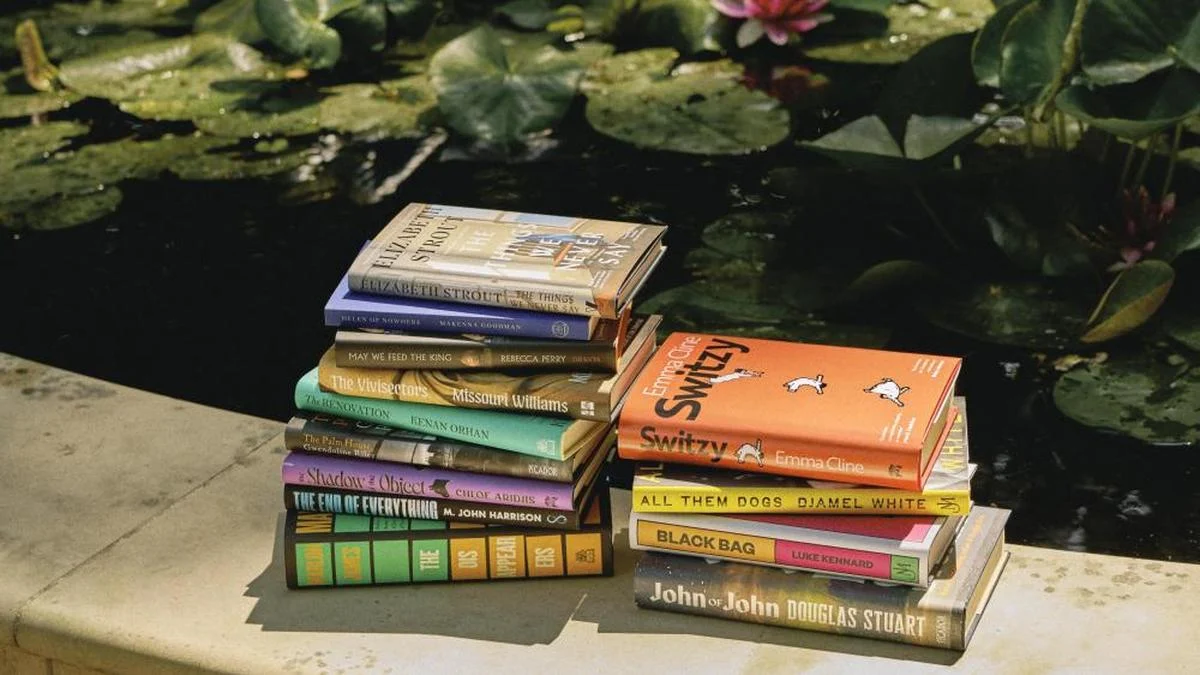
The literary world was set abuzz on Tuesday, July 28, 2026, as the Booker Prize committee unveiled its longlist for the year, a selection described by judging chair and renowned historian Mary Beard as "literary dynamite." Featuring a potent mix of former winners, Pulitzer Prize laureates, and bold debutants, the 13-book "semifinalist" list represents a wide-ranging exploration of the human condition, spanning from the gritty underworld of Dublin to the dystopian reaches of a post-apocalyptic future.
With 163 novels submitted for consideration, the 2026 longlist highlights the prize’s continued evolution as a global platform for English-language fiction. This year’s selection is particularly notable for its inclusion of genre-bending works and a diverse array of voices that challenge traditional narrative structures, signaling a shift in what the prestigious award seeks to celebrate.
Main Facts: The Contenders for Fiction’s Most Coveted Prize
The 2026 Booker Prize longlist is anchored by three titan figures of contemporary literature. Marlon James, who secured the prize in 2015 with A Brief History of Seven Killings, returns with The Disappearers. The novel, set in 1980s Jamaica, follows a group of gay men navigating a society defined by hostility and erasure, blending James’s signature visceral prose with a deeply empathetic historical lens.
Joining him is Douglas Stuart, the 2020 winner for Shuggie Bain. Stuart’s new entry, John of John, explores the suffocating secrets between a father and son on a remote Scottish island, further cementing his reputation as a master of domestic tragedy and regional atmosphere. The third heavyweight is Elizabeth Strout, a Pulitzer Prize winner whose novel The Things We Never Say returns to the quiet, emotionally resonant landscapes of New England. Strout, previously a finalist in 2022, continues to be a favorite among critics for her ability to find profound depth in "small-town" lives.
However, the list is not merely a gallery of established stars. It features three striking debut novels:
- Kenan Orhan: A Turkish-American writer whose The Renovation delves into the complexities of family history.
- Rebecca Perry: A British author whose May We Feed the King bridges the gap between the Medieval and modern eras.
- Djamel White: The youngest contender at age 28, whose thriller All Them Dogs provides a harrowing look into the Dublin underworld.
The remaining longlisted titles showcase a remarkable breadth of style and subject matter:
- The Shadow of the Object by Chloe Aridjis
- Black Bag by Luke Kennard
- The Vivisectors by Missouri Williams
- Switzy by Emma Cline
- Helen of Nowhere by Makenna Goodman
- The Palm House by Gwendoline Riley
- The End of Everything by M. John Harrison
Chronology: The Road to the 2026 Ceremony
The journey to the 2026 Booker Prize began in late 2025, when publishers across the United Kingdom and Ireland submitted their most promising titles published between October 1, 2025, and September 30, 2026. The five-member judging panel embarked on a grueling seven-month reading process, evaluating 163 novels to whittle the field down to the "Booker Dozen" (which, as is often the case, resulted in 13 titles).
The announcement on July 28 marks the official start of the "Booker Season," a period of intense public debate and skyrocketing book sales. The timeline for the remainder of the competition is as follows:
- September 22, 2026: The "Shortlist" of six finalists will be announced at a high-profile event in London.
- November 9, 2026: The winner of the £50,000 ($66,000) prize will be revealed at the annual award ceremony.
This year’s cycle follows the 2025 victory of David Szalay for his novel Flesh, a win that sparked conversations about the prize’s increasing embrace of experimental and fragmented narratives—a trend that appears to have accelerated in the 2026 selection.
Supporting Data: Demographics, Genres, and Global Reach
The 2026 longlist is a testament to the internationalized nature of the prize, which since 2014 has been open to writers of any nationality, provided their work is written in English and published in the UK or Ireland.
Geographic and Demographic Diversity
The authors on the list represent a tapestry of global backgrounds, including roots in Britain, Ireland, Jamaica, Mexico, Turkey, and the United States. This geographic spread is matched by a significant age gap among the contenders. Djamel White, the 28-year-old Irish debutant, stands in stark contrast to 81-year-old M. John Harrison. Harrison’s inclusion is particularly noteworthy as he is a veteran of the "New Wave" of science fiction, and his novel The End of Everything marks a rare instance of speculative fiction breaking into the Booker longlist.
Genre Fluidity
Historically, the Booker Prize has been criticized for favoring "literary realism" over genre fiction. The 2026 list, however, suggests a deliberate departure from this tradition.

- Science Fiction/Dystopia: M. John Harrison’s post-apocalyptic narrative.
- Crime/Thriller: Djamel White’s underworld thriller.
- Historical Fiction: Marlon James’s 1980s Jamaica and Rebecca Perry’s Medieval-to-modern transition.
- Satire/Experimental: Luke Kennard’s Black Bag and Missouri Williams’s The Vivisectors.
The inclusion of these genres reflects a broader movement in the publishing industry where the boundaries between "high art" and "genre" are increasingly blurred.
Official Responses: The Judges’ Perspective
The 2026 judging panel was chaired by Mary Beard, one of the world’s most famous classicists and cultural commentators. She was joined by a diverse group of jurors, including Jarvis Cocker, the frontman of the legendary Britpop band Pulp; American novelist and essayist Patricia Lockwood; and two other figures from the literary community.
In her official statement, Beard emphasized that the panel sought to move away from the "safe" choices often associated with major literary awards. "We tried to look beyond the idea of a typical Booker winner—the kind of book that is slightly serious and already feels like it’s about to be a classic," Beard said. "Instead, we chose novels that are trying to expand the boundaries of how we can think about ourselves in completely different ways."
Beard’s description of the list as "dynamite" underscores the emotional and intellectual impact the judges felt while reading. She noted that the selected books utilize humor, pathos, and "shock value" to engage the reader. "They are risk-takers," she added. "They say, ‘Come on, try seeing it a different way.’"
Jarvis Cocker’s presence on the panel was initially seen by some as an unconventional choice, but his influence is evident in the list’s edgy, contemporary feel. The panel’s consensus was that a Booker novel in 2026 should not just be well-written, but should possess a certain "vibrancy" that resonates with the complexities of the modern world.
Implications: The "Booker Effect" and Cultural Impact
The announcement of the longlist carries significant economic and cultural weight. For the authors involved—particularly the debutants like Kenan Orhan and Djamel White—inclusion on the list is a career-defining moment.
The "Booker Bounce"
In the publishing industry, the "Booker Bounce" refers to the dramatic increase in sales that follows a nomination. For small independent publishers, a longlist mention can mean the difference between a book being a niche success and a commercial bestseller. Retailers across the UK and Ireland have already begun creating dedicated Booker displays, and digital audiobook platforms report a surge in downloads for the nominated titles within hours of the announcement.
Redefining the "Great Novel"
The 2026 list also reflects a continuing debate about the identity of the Booker Prize. By including writers like Emma Cline (an American whose work often explores the dark side of celebrity culture) and M. John Harrison (a sci-fi legend), the prize is asserting its role as a tastemaker that values innovation over tradition.
Critics argue that the prize’s decision to include more American authors and genre-leaning works has diluted its original "Commonwealth" focus. However, supporters of the current format argue that in an interconnected world, the Booker must reflect the best of English-language literature regardless of its origin or category.
Looking Ahead
As the literary community digests the 13 titles, attention now turns to the September shortlist announcement. Will the veteran winners, James and Stuart, dominate the final six, or will the "dynamite" of the newcomers upend the competition?
Regardless of the eventual winner, the 2026 longlist has already succeeded in its primary goal: sparking a global conversation about the power of the novel to challenge, provoke, and illuminate the darkest corners of our reality. As Mary Beard aptly summarized, these books are not just stories; they are invitations to see the world through a different, often startling, lens.
