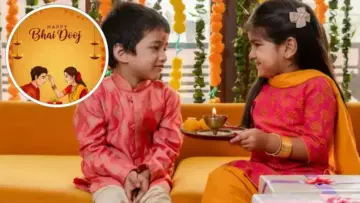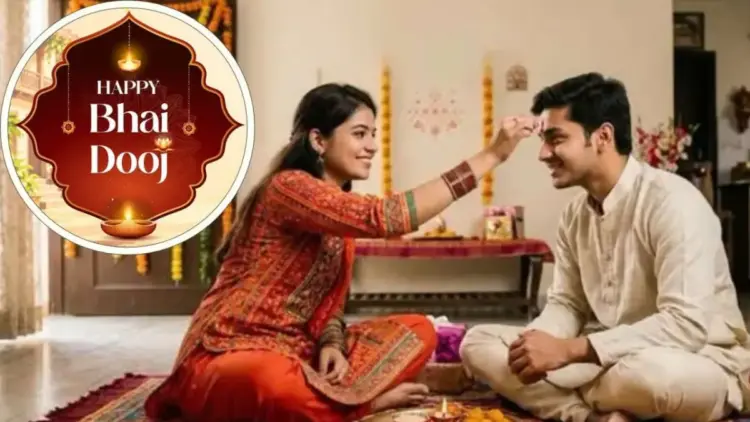
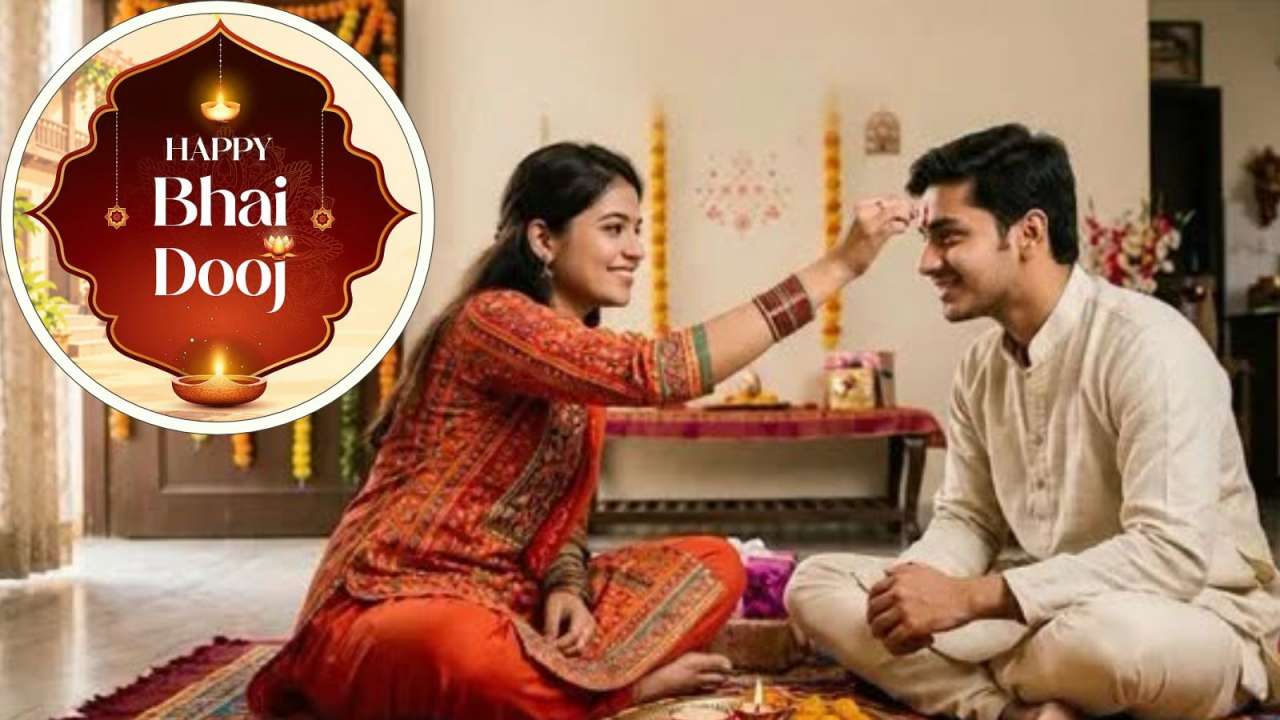
Mumbai, India – November 11, 2026 – As the vibrant festival of Bhai Dooj dawns today, November 11, 2026, sisters across India prepare to celebrate the profound bond they share with their brothers. This cherished occasion is marked by heartfelt rituals, including the application of a sacred tilak on the brother’s forehead, signifying prayers for his long life, robust health, and enduring prosperity. In turn, brothers often reciprocate this affection with thoughtful gifts for their sisters. Gifting, therefore, forms an integral part of the Bhai Dooj celebrations, a tangible expression of love and familial connection.
However, beyond the joyful exchange of presents, popular beliefs and age-old traditions offer guidance on what constitutes auspicious gifting on this auspicious day. While the intention behind a gift is always paramount, adhering to certain customs can be seen as a way to further imbue the celebration with positive energy and ward off potential negativity, thereby reinforcing the sanctity of the brother-sister relationship. This article delves into the traditional wisdom surrounding Bhai Dooj gifting, highlighting five categories of items that are generally advised against being gifted to brothers, and exploring the underlying reasons and implications.
The Enduring Significance of Bhai Dooj
Bhai Dooj, also known as Yama Dwitiya, Bhai Tika, or Bhaiya Beej, is a significant Hindu festival that celebrates the unique and protective relationship between brothers and sisters. Falling on the second day of the Shukla Paksha (waxing moon) in the month of Kartik, its origins are steeped in mythology. One prominent legend recounts how Yamuna, the sister of Yama, the god of death, applied a tilak on his forehead and offered him his favorite dishes. Pleased by her affection, Yama declared that any brother who receives a tilak from his sister on this day and eats with her would be freed from the fear of death and attain salvation. This narrative underscores the deeply spiritual and protective connotations of the festival.
The ritualistic aspect of Bhai Dooj involves the sister performing a puja for her brother, praying for his well-being. She then applies tilak and offers sweets. The brother, in turn, pledges to protect his sister throughout her life and often presents her with a gift. This exchange, rooted in mutual respect and affection, strengthens the familial ties that are central to Indian culture.
Navigating Auspicious Gifting: Five Items to Avoid
While the spirit of giving is what truly matters, traditional customs offer a framework for ensuring that gifts contribute positively to the auspiciousness of Bhai Dooj. The following five categories of items are often advised against gifting to brothers, based on astrological interpretations and symbolic meanings:
1. The Shadow of Black: Black-Coloured Clothing
In Vedic astrology, the color black is often associated with Saturn (Shani Dev), a celestial body that governs karma, discipline, and often, challenges or delays. While Saturn’s influence is not inherently negative, gifting black clothing on an auspicious occasion like Bhai Dooj is traditionally discouraged. The reasoning behind this practice is rooted in the belief that such a gift might inadvertently invite negative energies or anxieties into the brother’s life, potentially casting a shadow on the otherwise joyous celebration.

Instead, astrologers and cultural experts suggest opting for clothing in lighter, brighter, and more vibrant hues. Colors like yellow, green, blue, or red are considered auspicious and are believed to radiate positivity, joy, and good fortune. These colors are thought to align with the festive spirit of Bhai Dooj and foster a sense of optimism and well-being. The emphasis is on selecting gifts that are not only aesthetically pleasing but also symbolically rich in their capacity to bring happiness and prosperity.
2. The Edge of Discord: Sharp Objects
Gifting sharp objects such as knives, scissors, razors, or even pointed stationery items on Bhai Dooj is a practice strongly advised against. The symbolic interpretation of these items is rather direct: they are seen as potentially severing or damaging relationships. The sharpness of the object is believed to mirror a potential for discord, arguments, or emotional distance to creep into the brother-sister bond.

The underlying principle here is to promote harmony and closeness. The intention of Bhai Dooj is to celebrate and strengthen the love and support that siblings share. Therefore, gifts that are perceived as potentially divisive or that carry an inherent sharpness are considered antithetical to the spirit of the festival. Instead, the focus should be on gifts that foster connection, comfort, and shared experiences. This could range from personal care items that promote well-being to hobby-related gifts that encourage shared interests, or even items for the home that enhance comfort and togetherness.
3. The Path of Separation: Shoes and Slippers
The gifting of shoes or slippers on Bhai Dooj, particularly to brothers, is a tradition that many choose to steer clear of. The rationale behind this custom is that shoes and slippers are associated with journeys, travel, and often, with leaving a place or person behind. Gifting such items is sometimes interpreted as symbolically wishing for the recipient to embark on a long journey away from home or from the giver, which is contrary to the spirit of keeping siblings close.

This belief stems from a desire to foster continued proximity and connection between brothers and sisters. On an occasion meant to reaffirm their bond, a gift that might imply separation or distance is seen as inauspicious. Sisters are encouraged to choose gifts that signify closeness and affection. This could include items of clothing in auspicious colors, sweets that symbolize the sweetness of their relationship, or any other personal item that the brother desires and that reflects his personality and preferences. The emphasis remains on gifts that reinforce the idea of shared life and enduring presence.
4. The Tears of Sorrow: Handkerchiefs
The humble handkerchief, a common personal item, is also considered an inauspicious gift for Bhai Dooj. The traditional belief associated with gifting handkerchiefs is that they symbolize sorrow, tears, and sadness. It is thought that presenting a handkerchief as a gift might inadvertently bring about unfortunate events or emotional distress for the recipient.

This superstition is deeply rooted in the idea of protecting loved ones from hardship and sorrow. On a festival dedicated to celebrating familial love and well-being, a gift that carries such a negative connotation is seen as inappropriate. Sisters are advised to opt for gifts that convey happiness, good health, and prosperity. This might include spiritual items, books, grooming kits, or anything that brings joy and enhances the brother’s well-being. The objective is to offer a gift that emanates positivity and reinforces the sister’s wish for her brother’s happiness.
5. The Void of Emptiness: Empty Purses or Wallets
A gift that is symbolic of financial hardship or lack is also considered an inauspicious choice for Bhai Dooj. Specifically, gifting an empty purse or wallet is believed to bring financial difficulties and scarcity into the brother’s life. The emptiness of the purse is seen as a reflection of a lack of wealth or financial stability.

Conversely, the tradition emphasizes the importance of prosperity and abundance. Therefore, if a sister wishes to gift a purse or wallet, it is strongly recommended that she place a token amount of money – a coin or a note – inside it. This gesture is believed to invite wealth and financial well-being, transforming the gift from a symbol of emptiness to one of prosperity and good fortune. This practice aligns with the broader cultural emphasis on financial well-being and the auspiciousness of wealth.
The Underlying Philosophy: Reinforcing Bonds and Positive Energy
The customs surrounding Bhai Dooj gifting are not merely arbitrary rules; they are deeply intertwined with cultural values, astrological beliefs, and the profound desire to nurture and protect familial relationships. The avoidance of certain gifts is not about imposing restrictions but about consciously choosing items that are symbolically aligned with the positive intentions of the festival.

Chronology of Tradition: These beliefs have been passed down through generations, evolving alongside societal norms and spiritual interpretations. While the specific origins of each custom might be debated, their persistence speaks to their enduring significance in the collective consciousness of the people. They represent a time-tested wisdom aimed at fostering harmony, well-being, and a strong sense of connection.
Supporting Data and Cultural Context: The emphasis on auspicious gifting is not unique to Bhai Dooj; similar traditions are observed in various Indian festivals and rituals. The use of specific colors, the avoidance of sharp objects, and the preference for gifts that symbolize prosperity and longevity are common themes across different cultural practices. These customs reflect a worldview that recognizes the subtle yet powerful influence of symbolism and intention in shaping our lives and relationships.

Official Responses and Modern Interpretations: While traditional customs hold sway for many, modern interpretations often emphasize the spirit of the gift over strict adherence to every rule. Many believe that the love and thought behind a gift are far more important than the item itself. However, understanding and respecting these traditions can add an extra layer of thoughtfulness and cultural awareness to the celebration. Some individuals and cultural organizations actively promote awareness about these customs to ensure their preservation and understanding among younger generations.
Implications for Sibling Relationships: By consciously choosing gifts that are considered auspicious, sisters can send a powerful message of love, care, and well wishes to their brothers. These choices, guided by tradition, can serve to reinforce the protective and supportive nature of the sibling bond. They can also be a gentle reminder of the cultural heritage that binds families together. Ultimately, the goal is to make Bhai Dooj a celebration that is not only joyous and memorable but also imbued with positive energy and a deepening of familial affection.

In conclusion, as Bhai Dooj 2026 is celebrated, the act of gifting becomes more than just an exchange of material possessions. It is an opportunity to engage with age-old traditions that aim to strengthen sibling bonds, invoke blessings, and foster a spirit of love and prosperity. By being mindful of the commonly advised against items and opting for gifts that resonate with positivity and affection, sisters can ensure that their Bhai Dooj gestures are not only cherished but also symbolically aligned with the profound and enduring significance of this special festival.