

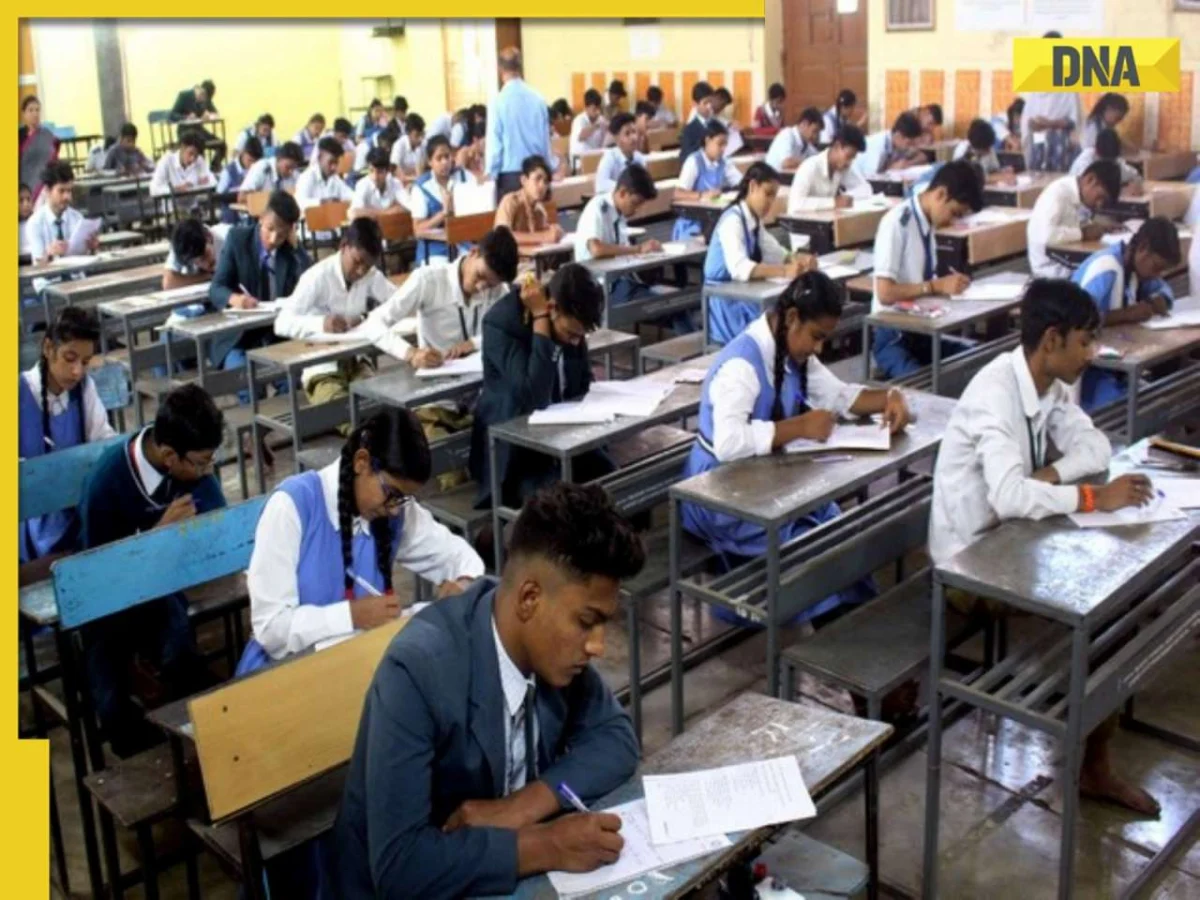
New Delhi, India – May 15, 2026 – In a significant move aimed at fostering multilingualism and deepening students’ connection with Indian heritage, the Central Board of Secondary Education (CBSE) has announced a comprehensive revision to its curriculum for Classes 9 and 10. Effective from July 1, 2026, all affiliated schools will be mandated to implement a three-language policy, with a strong emphasis on the inclusion of native Indian languages. This transformative decision, detailed in an official circular released today, marks a pivotal shift in the board’s approach to language education, prioritizing a more holistic and less exam-centric learning experience.
The new policy dictates that students in these crucial secondary school years will engage with three languages, designated as R1, R2, and R3. A cornerstone of this revised framework is the requirement that at least two of these three languages must be of Indian origin. This directive underscores the CBSE’s commitment to promoting linguistic diversity and cultural understanding within the Indian subcontinent. While the inclusion of foreign languages is permitted, it is contingent on the other two choices being Indian languages. Furthermore, foreign languages can be pursued as an optional fourth subject, offering students an avenue for broader linguistic exploration without compromising the core objective of strengthening their foundation in Indian languages.
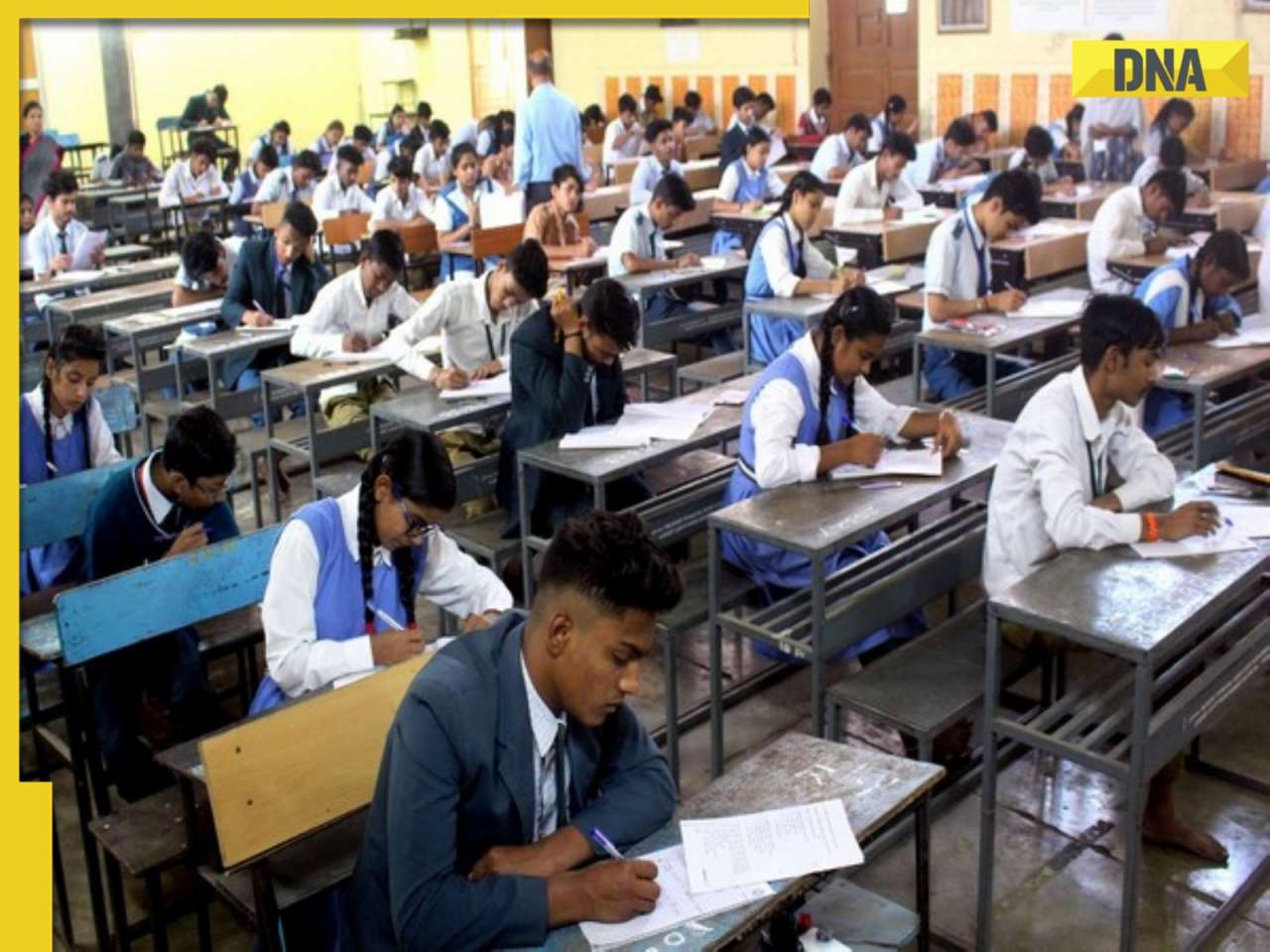
Perhaps one of the most impactful aspects of this announcement is the CBSE’s decision to eliminate Board examinations for the third language. This strategic move is designed to alleviate undue academic pressure on students, allowing them to engage with the third language in a more exploratory and less evaluative manner. The board’s rationale behind this is to cultivate a "joyful" and "meaningful" language learning experience, shifting the focus away from rote memorization and examination performance towards genuine comprehension and appreciation of language.
A Phased Implementation and Transitional Approach
The implications of this policy change are far-reaching, affecting not only current students but also the upcoming academic year. The new three-language mandate will be applicable to the ongoing 2026-27 academic session, which commenced in April. This means that affiliated schools will need to adopt a transitional approach to seamlessly integrate the new policy into their existing academic structures. The board acknowledges the logistical challenges this may present and has indicated that detailed teaching guidelines will be released by June 15, providing schools with the necessary framework to implement the changes effectively.
)
For the third language, students will initially utilize textbooks designed for the Class 6 level until new, curriculum-aligned materials are developed and issued. This interim measure ensures that learning can commence without delay while the board finalizes its comprehensive resource development. The transitional approach is crucial for ensuring a smooth and consistent educational experience for students across the nation, regardless of their school’s preparedness.
Inclusivity and Flexibility: Addressing Diverse Student Needs
Recognizing the diverse needs of its student population, the CBSE has incorporated provisions for exemptions and flexible implementation, particularly for students with special needs and those from international backgrounds. Children with disabilities, as defined under the Rights of Persons with Disabilities (RPWD) Act, 2016, may be granted exemptions from studying a second or third language, ensuring that the policy remains inclusive and does not pose an undue burden.

Furthermore, foreign students returning to India will be eligible for case-based exemptions, acknowledging the unique challenges they may face in adapting to a new linguistic environment. Similarly, CBSE schools operating outside India will be afforded flexible provisions to adapt the policy to their specific contexts and student demographics. This nuanced approach demonstrates the board’s commitment to ensuring that the language policy benefits all students while remaining sensitive to individual circumstances.
Rationale Behind the Shift: Nurturing Linguistic Roots and Reducing Exam Stress
The CBSE’s decision to implement a mandatory three-language policy, with a pronounced emphasis on Indian languages, is a strategic response to several contemporary educational challenges. Primarily, it aims to counteract the perceived decline in the study and appreciation of regional and classical Indian languages, which are vital repositories of the nation’s rich cultural heritage. By mandating the study of at least two Indian languages, the board seeks to ensure that future generations are not only proficient in global languages but also deeply connected to their linguistic and cultural roots.
)
The decision to exempt the third language from Board examinations is a direct response to growing concerns about the escalating pressure of high-stakes testing on young minds. The CBSE has observed that the relentless focus on examinations can often stifle genuine learning and creativity, leading to undue stress and anxiety among students. By removing the examination burden for the third language, the board intends to create a more relaxed and engaging learning environment where students can explore languages for the joy of learning and cultural understanding, rather than for the sole purpose of scoring marks.
This philosophical shift aligns with global trends in education that advocate for a more balanced and holistic approach to learning, where the development of critical thinking, creativity, and emotional well-being is given equal importance alongside academic achievement. The CBSE’s move signals a recognition that true education transcends the confines of examination syllabi and encompasses the broader development of an individual’s intellectual and cultural capacities.
)
Chronology of the Policy Change: From Proposal to Implementation
The journey towards this significant curriculum reform has been a gradual one, involving careful consideration and stakeholder consultation. While specific details of the proposal’s genesis are not fully elaborated in the initial circular, the implementation timeline indicates a swift transition.
- April 2026: The 2026-27 academic session commences, setting the stage for the new policy’s eventual implementation.
- May 15, 2026: The Central Board of Secondary Education (CBSE) issues an official circular detailing the new three-language policy for Classes 9 and 10, effective July 1, 2026.
- June 15, 2026: The CBSE is expected to release detailed teaching guidelines for the new language policy.
- July 1, 2026: The new three-language mandate officially comes into effect for all affiliated schools.
This accelerated timeline underscores the CBSE’s determination to implement this policy swiftly, acknowledging the need for a proactive approach to educational reform. The transitional measures for the ongoing academic year are crucial to bridging the gap between the announcement and full implementation.
)
Supporting Data and Educational Context
While the initial announcement does not present extensive statistical data, the rationale behind the policy change can be understood within the broader context of Indian education. India is a land of immense linguistic diversity, with hundreds of languages and dialects spoken across its states. However, there has been a gradual decline in the emphasis placed on many regional and classical Indian languages in formal education, often overshadowed by the perceived utilitarian value of English.
The three-language formula, in various forms, has been a part of India’s educational landscape for decades, aiming to promote national integration and linguistic harmony. The CBSE’s current revision can be seen as a re-emphasis and strengthening of this formula, with a renewed focus on the foundational role of Indian languages in shaping national identity and cultural continuity.
)
The move also aligns with international best practices in language education, which increasingly advocate for early exposure to multiple languages and the development of intercultural competence. By mandating three languages, including a strong component of Indian languages, the CBSE is equipping students with valuable skills for an increasingly interconnected world while grounding them in their own cultural heritage.
Official Responses and Expert Opinions
The announcement has been met with a mixed but generally positive reception from educators and parents. While some express concerns about the logistical challenges of implementing the new policy, particularly regarding teacher training and resource availability, the overarching sentiment acknowledges the educational merits of the reform.
)
A CBSE official, speaking on condition of anonymity, stated: "Our aim is to foster a generation of well-rounded individuals who are not only academically proficient but also culturally aware and linguistically versatile. The emphasis on Indian languages is a conscious effort to preserve and promote our rich heritage. The removal of Board examinations for the third language is a step towards making education more about learning and less about pressure."
Dr. Meera Sharma, a renowned educationist and former NCERT advisor, commented: "This is a progressive step by the CBSE. The three-language policy, with a focus on Indian languages, will help students connect with their roots and understand the diverse cultural tapestry of our nation. The decision to de-emphasize examinations for the third language is also commendable, as it will encourage more intrinsic motivation for language learning."
)
However, some teachers have voiced practical concerns. Mr. Rajesh Kumar, a language teacher at a Delhi-based CBSE school, shared: "We welcome the initiative, but the transition needs to be managed carefully. We need adequate resources, updated teaching materials, and sufficient training for teachers to effectively implement this policy, especially in our ongoing session. The short timeline for releasing guidelines is a concern."
Parents, too, have expressed a mix of enthusiasm and apprehension. Mrs. Anita Singh, a parent of a Class 9 student, said: "I am happy that my child will learn more about Indian languages. It’s important for their identity. But I am also worried about the additional workload and the pressure to adapt to new textbooks and teaching methods so quickly."
)
The CBSE’s proactive approach in releasing guidelines by mid-June is crucial for addressing these concerns and ensuring a smoother transition for schools, teachers, and students alike. The success of this policy will largely depend on the effective dissemination of these guidelines and the provision of adequate support to affiliated institutions.
Implications for the Future of Language Education
The CBSE’s decision to mandate a three-language policy with a strong emphasis on Indian languages and a reduced examination burden for the third language has profound implications for the future of language education in India.
)
- Revitalization of Indian Languages: This policy is poised to give a significant impetus to the study and preservation of numerous Indian languages. By making them a core component of secondary education, the CBSE is ensuring their continued relevance and transmission to younger generations.
- Holistic Development: The shift away from exam-centric learning for the third language promotes a more holistic approach to education, where the focus is on understanding, appreciation, and critical engagement rather than mere recall. This can foster a lifelong love for languages and learning.
- Enhanced Cultural Competence: Exposure to multiple Indian languages will undoubtedly deepen students’ understanding and appreciation of India’s diverse cultural heritage, fostering a stronger sense of national identity and interconnectedness.
- Reduced Academic Stress: The removal of Board examinations for the third language is a significant step towards alleviating the immense pressure faced by students in the current examination system, allowing them to learn in a more relaxed and conducive environment.
- Increased Linguistic Proficiency: While the focus is on Indian languages, the policy still allows for the inclusion of foreign languages, potentially leading to a more multilingual and globally competent cohort of students.
- Curriculum Innovation: The need for new teaching guidelines and potentially new textbooks for the third language will likely spur innovation in pedagogical approaches and curriculum design within the CBSE system.
In conclusion, the CBSE’s revised language policy for Classes 9 and 10 represents a bold and forward-thinking initiative. By prioritizing Indian languages and fostering a less examination-driven learning environment, the board is not only shaping the academic trajectory of millions of students but also contributing to the preservation of India’s rich linguistic and cultural legacy for generations to come. The success of this ambitious reform will hinge on effective implementation, robust support for schools, and a continued commitment to the spirit of joyful and meaningful learning.
