

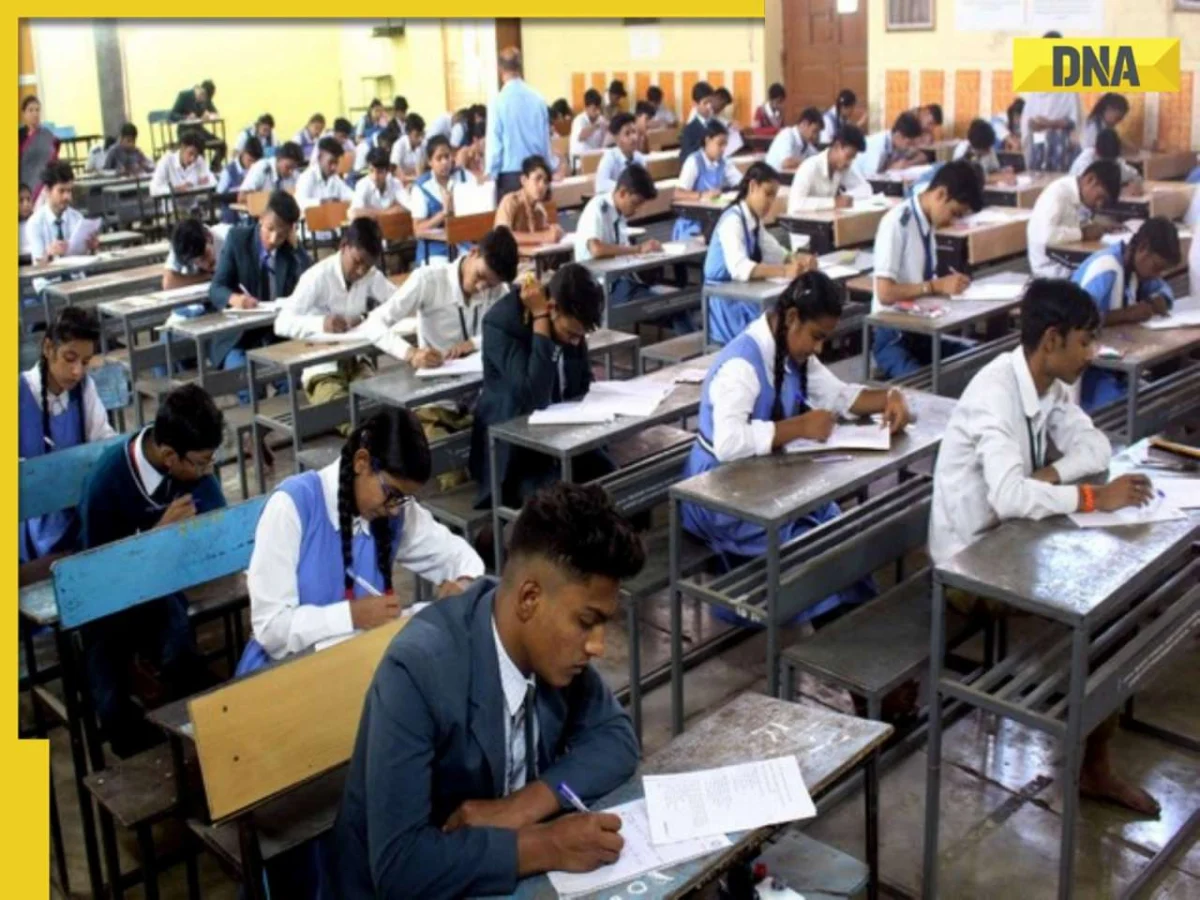
New Delhi, India – May 16, 2026 – In a significant move to foster multilingualism and deepen students’ connection with their cultural roots, the Central Board of Secondary Education (CBSE) has announced a sweeping reform mandating the study of three languages for students in Classes 9 and 10. This pivotal policy shift, effective from July 1, 2026, will see students engaging with a diversified linguistic landscape, with a strong emphasis on indigenous Indian languages. Crucially, the board has also declared that there will be no Board examination for the third language, aiming to de-emphasize rote learning and promote a more holistic and enjoyable language acquisition experience.
The revised curriculum, which will also apply to the ongoing 2026-27 academic session that commenced in April, necessitates a transitional approach for affiliated schools. This means that educational institutions across the country will need to adapt their teaching methodologies and resource allocation to align with the new three-language framework. The CBSE’s decision marks one of the most substantial curriculum overhauls in recent memory, signaling a deliberate effort to cultivate a generation of students proficient in multiple languages, with a particular focus on the rich tapestry of India’s linguistic heritage.
The Three-Language Framework: A Deeper Dive
Under the revamped CBSE structure, students in Classes 9 and 10 will be required to study three languages, designated as R1, R2, and R3. The cornerstone of this policy is the directive that at least two of these languages must be native Indian languages. This provision is a clear affirmation of the board’s commitment to promoting national integration and preserving the cultural diversity that defines India.
Students will have the flexibility to choose from a wide array of recognized Indian languages for their R1 and R2 components. For their R3, they can opt for another Indian language or, under specific conditions, a foreign language. The rationale behind allowing foreign languages as a third option, provided the other two are Indian, is to equip students with a broader global perspective while ensuring their foundational understanding of their own linguistic heritage remains robust. Furthermore, foreign languages can also be pursued as an additional fourth subject for students who wish to delve deeper into global linguistics.
)
The decision to eliminate Board examinations for the third language is a particularly noteworthy aspect of this reform. The CBSE has explicitly stated that the focus is on "joyful" and "meaningful" language learning, rather than the pressure associated with high-stakes examinations. This pedagogical shift is expected to encourage more creative expression, critical thinking, and authentic communication skills in the chosen third language, moving away from the traditional emphasis on memorization and exam performance.
Chronology of the Policy Implementation: A Phased Approach
The announcement of this significant curriculum change was disseminated through an official circular issued on Friday, May 15, 2026. The immediate applicability of the policy to the ongoing 2026-27 academic session, which began in April, underscores the urgency with which the CBSE intends to implement this reform. This necessitates a transitional approach for affiliated schools, requiring them to integrate the new language requirements into their existing academic plans for the current cohort of students.

Key Dates and Milestones:
- July 1, 2026: The mandatory implementation date for the three-language policy for all incoming Classes 9 and 10 students.
- April 2026: Commencement of the 2026-27 academic session, to which the new policy will apply.
- June 15, 2026: The CBSE is expected to release detailed teaching guidelines, offering comprehensive support and direction to schools for the implementation of the new language curriculum.
The transitional approach implies that schools will need to make immediate adjustments to their subject offerings and timetables. For the current academic year, students who have already begun their Class 9 or 10 studies will be brought under the purview of this new policy. This may involve offering introductory modules or bridging courses to ensure a smooth transition into the three-language framework. The board’s commitment to providing clear guidelines by mid-June will be crucial in facilitating this adaptation process for educators and students alike.
)
Supporting Data and Rationale: Fostering Multilingualism
The CBSE’s decision is rooted in a growing body of research that highlights the cognitive and socio-cultural benefits of multilingualism. Studies have consistently shown that individuals who speak multiple languages often exhibit enhanced cognitive flexibility, improved problem-solving skills, and greater creativity. Moreover, in a diverse nation like India, the promotion of multilingualism is intrinsically linked to cultural preservation and national unity.
The emphasis on native Indian languages stems from a recognition that language is a powerful carrier of culture, history, and identity. By encouraging students to learn and appreciate their mother tongues and other regional languages, the CBSE aims to strengthen their sense of belonging and pride in their heritage. This move is also seen as a counter-balance to the increasing dominance of global languages, ensuring that India’s rich linguistic diversity is not only maintained but also actively celebrated and propagated.
)
The board has indicated that until new textbooks are developed and standardized for the third language, students will be guided to use Class 6 level textbooks. This pragmatic approach ensures that learning can commence without delay, while the board works on developing more age-appropriate and curriculum-aligned materials. The expectation is that these new resources will be crafted to foster genuine engagement and a love for language, rather than serving as mere conduits for examination preparation.
Official Responses and Perspectives: A Vision for Holistic Education
In its official circular, the CBSE articulated its vision behind this significant policy change. The board emphasized that the overarching goal is to move away from a pressure-cooker examination environment towards a more nurturing and enriching learning experience. The focus on "joyful" and "meaningful" language learning suggests a pedagogical paradigm shift, prioritizing communicative competence, cultural understanding, and personal growth over mere academic achievement.
)
"This initiative is designed to cultivate a generation of well-rounded individuals who are not only academically proficient but also culturally aware and linguistically versatile," stated a CBSE official in a press release accompanying the circular. "We believe that by encouraging the study of multiple Indian languages, we are investing in the future of our nation, fostering a deeper understanding of our diverse heritage, and equipping our students with skills that are invaluable in an increasingly interconnected world."
The board has also proactively addressed potential challenges and ensured inclusivity through several relaxations. Recognizing the diverse needs of its student population, the CBSE has stipulated that children with special needs may be granted exemptions from studying a second or third language, in accordance with the Rights of Persons with Disabilities (RPWD) Act, 2016. This demonstrates a commitment to accommodating individual learning requirements and ensuring that no student is disadvantaged by the new policy.
)
Furthermore, foreign students returning to India can be provided with case-based exemptions, acknowledging their unique academic trajectories and potential challenges in adapting to a new linguistic environment. Additionally, CBSE schools located outside India have been granted the flexibility to adopt adaptable provisions, allowing them to tailor the implementation to their specific contexts while adhering to the spirit of the policy.
Implications of the New Policy: Shaping Future Learners
The introduction of the three-language policy by the CBSE carries profound implications for students, educators, and the broader educational landscape of India.
)
For Students:
The most immediate implication for students will be the expanded linguistic scope of their curriculum. They will have the opportunity to explore a wider range of languages, potentially uncovering new interests and aptitudes. The de-emphasis on examinations for the third language is expected to reduce academic stress and encourage a more relaxed and enjoyable approach to language learning. This could foster a genuine appreciation for literature, culture, and communication.
For Educators and Schools:
Affiliated schools will face the immediate task of adapting their syllabi, training their teaching staff, and procuring necessary resources. The CBSE’s commitment to releasing detailed teaching guidelines by mid-June will be instrumental in this process. Educators will need to embrace new pedagogical approaches that emphasize communicative language teaching, cultural immersion, and interactive learning methods. The challenge will be to effectively implement the policy while ensuring that the quality of instruction remains high.
)
For the Educational Ecosystem:
This policy has the potential to significantly influence the way languages are perceived and taught in India. It could lead to a renewed focus on the development of indigenous language resources and the training of language teachers. The emphasis on native Indian languages could also foster greater inter-state cultural exchange and understanding. By prioritizing meaningful engagement over rote memorization, the CBSE is signaling a broader shift towards a more holistic and student-centric model of education.
In conclusion, the CBSE’s mandate for a three-language policy in Classes 9 and 10 is a visionary step towards cultivating multilingualism, strengthening cultural ties, and fostering a more joyful and meaningful learning environment. While the transition will require concerted effort from all stakeholders, the long-term benefits of this reform in shaping well-rounded, culturally aware, and linguistically adept citizens of India are undeniable. The focus on indigenous languages, coupled with the de-emphasis on examination pressure, sets a promising precedent for the future of education in the country.
