

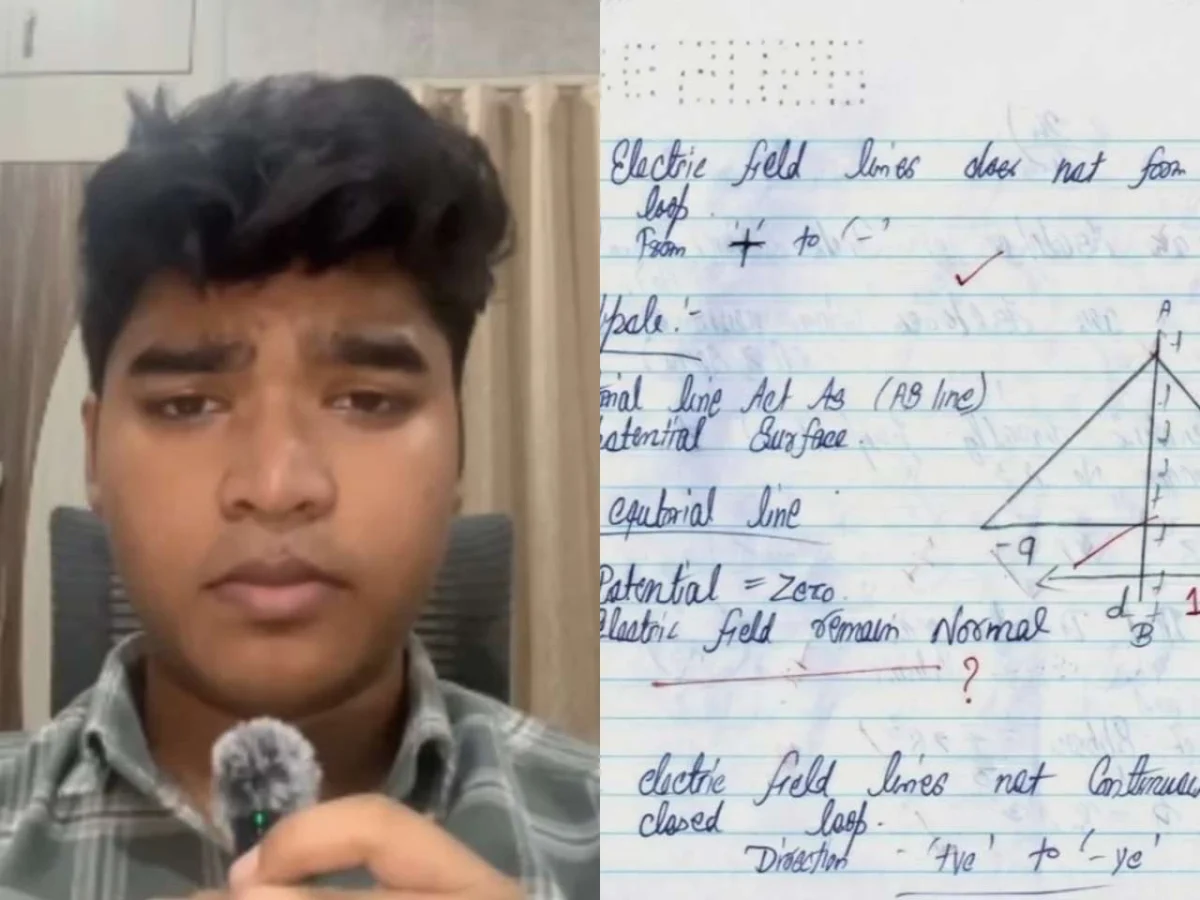
New Delhi, India – The Central Board of Secondary Education (CBSE) has vehemently denied allegations of irregularities in its re-evaluation process, specifically addressing claims made by Class 12 student Vedant Shrivastava. Shrivastava had publicly stated that his marks saw a minimal increase of only two marks following a re-evaluation of his answer scripts, and that a significant portion of his submitted questions remained unaddressed. However, the CBSE has countered these assertions, presenting a starkly different account where the student’s overall score reportedly rose by 11 marks, with a substantial nine-mark jump attributed to his Physics paper alone. This dispute highlights ongoing concerns surrounding the transparency and efficiency of academic assessment processes and the methods by which students can seek redressal.
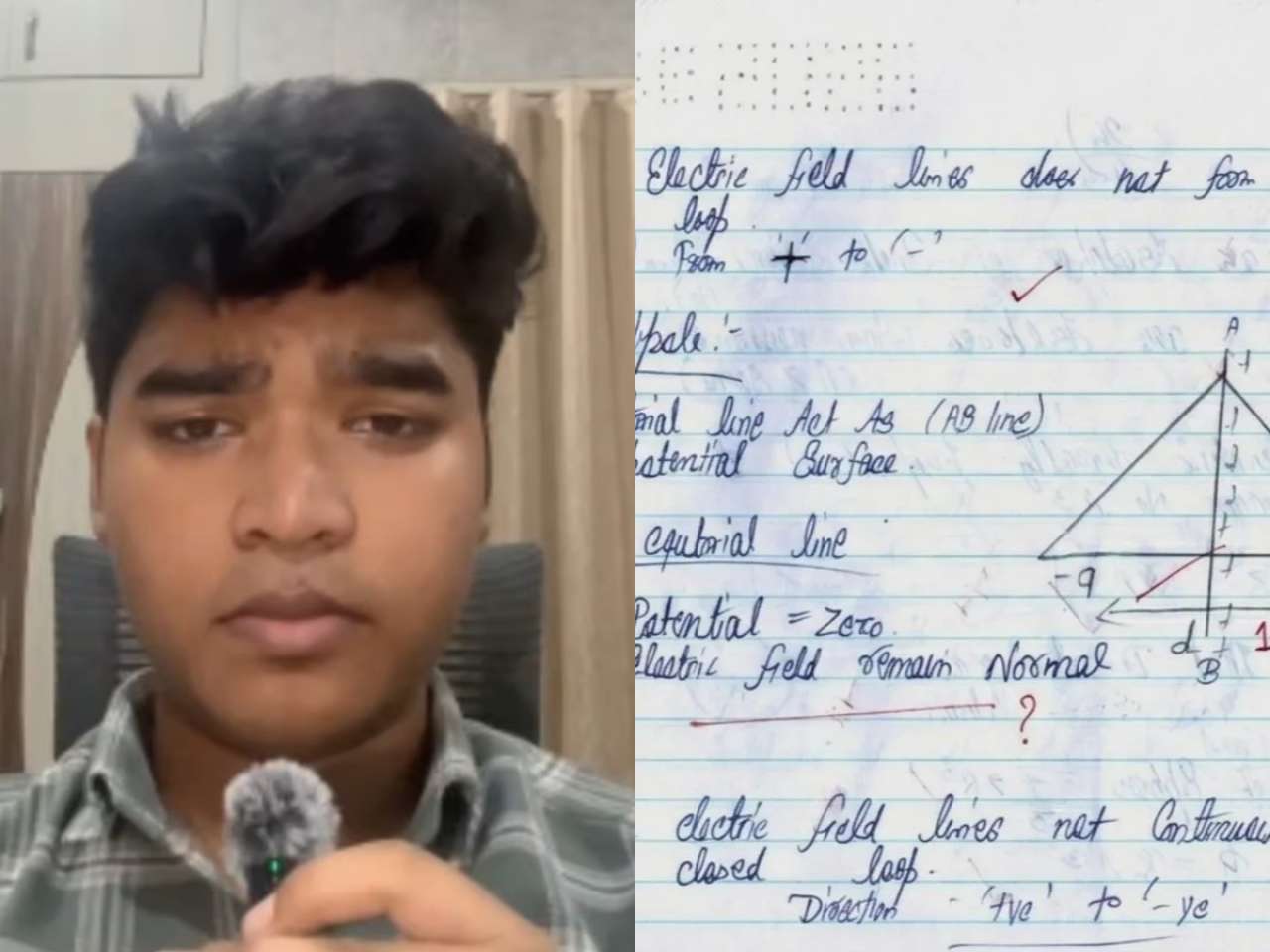
The controversy initially surfaced shortly after the declaration of CBSE Class 12 results on May 13th. Vedant Shrivastava, a student who achieved notable results, brought his concerns to light through a post on the social media platform X (formerly Twitter). He alleged that upon reviewing his evaluated answer sheet, he discovered discrepancies, including finding a Physics paper with handwriting he claimed was not his. This prompted him to file a complaint with the CBSE, leading to a subsequent re-evaluation. While the board did provide him with what it stated was the correct answer sheet and updated his marks, Shrivastava maintained that the re-evaluation process was flawed, with several of the 11 questions he had specifically requested for review still not being reassessed accurately, thus failing to yield the anticipated marks.
A Detailed Chronology of the Allegations and CBSE’s Response
The unfolding of this dispute can be traced through a series of events, beginning with the initial result declaration and culminating in the CBSE’s official rebuttal.
May 13, 2024: The CBSE declares the results for the Class 12 examinations. Vedant Shrivastava, among thousands of students, receives his marks.
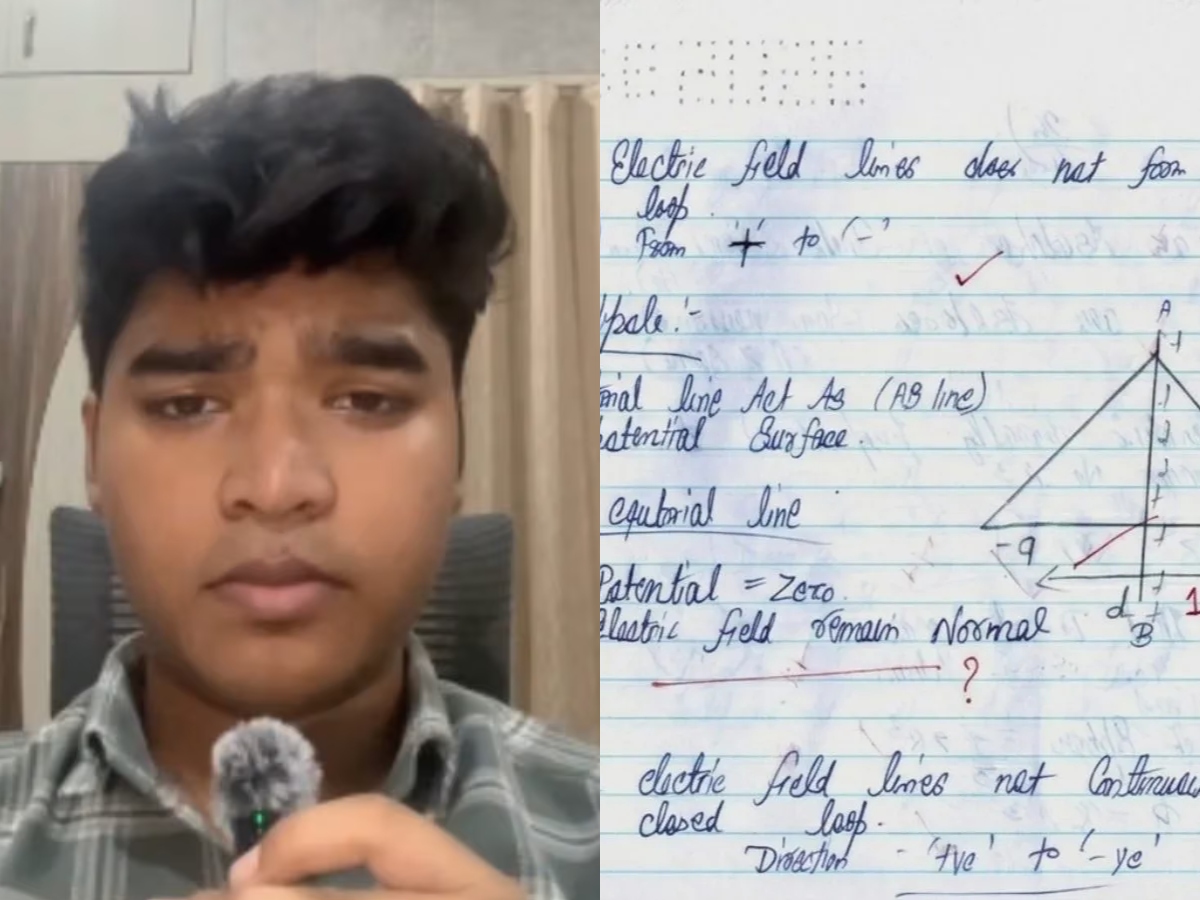)
Post-Result Analysis: Shrivastava reportedly reviews his evaluated answer scripts. He identifies a discrepancy in his Physics paper, claiming the handwriting does not match his own.
Initial Complaint: Believing there might be an error in the evaluation, Shrivastava lodges a complaint with the CBSE, seeking a review of his answer sheets.

CBSE’s Re-evaluation and Initial Update: Following Shrivastava’s complaint, the CBSE initiates a re-evaluation process. The board subsequently provides Shrivastava with a revised answer sheet and updated marks, indicating an increase in his score.
Shrivastava’s Public Allegations (X Post): Dissatisfied with the outcome of the re-evaluation, Vedant Shrivastava takes to X to voice his concerns. He claims that his marks have only increased by a mere two marks, and crucially, that a significant number of the 11 questions he had submitted for re-evaluation were not properly assessed. He further asserts that the increase in marks was not in subjects he had expected, and that his Physics score, the primary focus of his concern, saw no substantial improvement.
)
CBSE’s Official Denial and Clarification: In response to Shrivastava’s widely publicized claims, the CBSE issues a formal statement. The board categorically denies the student’s allegations, labelling them as "not true." The CBSE clarifies that Shrivastava’s Physics score actually increased by nine marks, contributing to an overall score increase of 11 marks. The board refutes the claim that only two marks were added or that the improvements were in subjects for which he had not applied for re-evaluation.
CBSE’s Statement Details: The official statement from the CBSE elaborates on the student’s initial allegations as perceived by the board. It acknowledges Shrivastava’s claim of being initially shown the "wrong answer booklet" and its subsequent impact on his marks. The board confirms providing him with the "correct answer copy" after another re-evaluation request. However, it directly contradicts Shrivastava’s assertion regarding the magnitude of the mark increase, stating that the final updated marks reflect a more substantial improvement. The CBSE also highlights the timeline for the declaration of revaluation results, noting that in 2025, the process commenced on June 27 and concluded on July 11, suggesting that the current timeline for processing and declaring results is within established parameters.
)
Supporting Data and Official Discrepancies
The core of the dispute lies in the contrasting figures presented by Vedant Shrivastava and the CBSE regarding the re-evaluation outcome. While Shrivastava claims a modest two-mark increment and incomplete re-assessment of his submitted questions, the CBSE asserts a more significant enhancement of 11 marks overall, with a specific nine-mark jump in Physics.
-
Vedant Shrivastava’s Claim:
)
- Overall mark increase: 2 marks.
- Number of questions submitted for re-evaluation: 11.
- Number of questions for which marks were awarded after re-evaluation: 2.
- Primary concern: Physics score improvement.
-
CBSE’s Counter-Claim:
- Overall mark increase: 11 marks.
- Physics score increase: 9 marks.
- Implied: All relevant questions were assessed, leading to the noted score increases.
The discrepancy in these figures is substantial and forms the crux of the public debate. The CBSE’s official statement, backed by its internal records of the re-evaluation process, directly challenges the student’s narrative. The board’s clarification suggests that Shrivastava may have misinterpreted the extent of the mark changes or the specific subjects that benefited from the re-evaluation.
)
CBSE’s Stance and Procedural Clarity
The Central Board of Secondary Education, in its official response, has adopted a firm stance, unequivocally denying the veracity of Vedant Shrivastava’s claims. The board’s statement aims to reassure the public and stakeholders about the integrity of its re-evaluation procedures.
Key points from the CBSE’s official statement:
)
- Direct Denial: The board explicitly states that Shrivastava’s allegations of irregularities are "not true."
- Accurate Mark Increment: The CBSE asserts that the re-evaluation process led to a total increase of 11 marks for Shrivastava, with a specific and significant jump of nine marks in Physics. This directly contradicts the student’s claim of a mere two-mark increase.
- Refutation of Subject-Specific Claims: The board refutes the idea that marks were only added in subjects for which the student had not applied.
- Acknowledgement of Initial Discrepancy: The CBSE acknowledges Shrivastava’s initial claim of being shown the "wrong answer booklet" and confirms that the subsequent re-evaluation, using the "correct answer copy," led to the updated marks.
- Timeline Context: The board provides the timeline for revaluation result declarations in the previous year (2025), indicating that the process began on June 27 and concluded on July 11. This serves to contextualize the current re-evaluation period and suggests that the board is operating within its established schedule.
- Phased Release of Results: The CBSE has been actively releasing re-evaluation results in phases. As of June 21st, the board announced that over 87% of Class XII verification and re-evaluation applications had been processed and declared. The remaining outcomes were expected to be released in phases, with the entire process anticipated to be completed soon. This indicates a systematic approach to handling the volume of re-evaluation requests.
The CBSE’s approach underscores its commitment to addressing student concerns while also safeguarding the integrity of its examination system. By providing specific figures and refuting claims point-by-point, the board aims to dispel any doubts about the fairness and accuracy of its re-evaluation process.
Implications and Broader Context
The dispute between Vedant Shrivastava and the CBSE, while specific to one student’s experience, touches upon broader issues concerning academic assessment, transparency, and student grievance redressal mechanisms within large examination boards.
)
- Student Trust and Transparency: Such high-profile disagreements can erode student trust in examination systems. It is crucial for boards to maintain robust, transparent, and easily accessible re-evaluation processes. Clear communication about the steps involved, timelines, and criteria for re-assessment can go a long way in building confidence.
- The Role of Social Media: Social media platforms like X have become powerful tools for students to voice their concerns and mobilize public opinion. While this can lead to greater accountability, it also necessitates careful and timely responses from institutions like the CBSE to prevent misinformation from spreading. The CBSE’s prompt official denial and clarification demonstrate an awareness of this dynamic.
- Discrepancies in Perception vs. Reality: The stark difference between Shrivastava’s perceived outcome and the CBSE’s reported outcome highlights the potential for misinterpretation or differing perspectives in complex processes. It raises questions about how effectively students understand the re-evaluation criteria and how the results are communicated to them.
- Need for Robust Grievance Redressal: Beyond re-evaluation, the case points to the need for comprehensive grievance redressal mechanisms for students facing academic challenges. This includes clear protocols for addressing allegations of procedural errors, discrepancies in marking, and potential administrative lapses.
- CBSE’s Re-evaluation Process: The CBSE’s announcement regarding the phased release of re-evaluation results indicates a large volume of applications, underscoring the importance of efficient processing. The board’s statement that over 87% of applications were processed by June 21st suggests a significant operational undertaking. The fact that re-evaluation results are still being declared in July further emphasizes the scale of the task.
This ongoing interaction between students and examination boards serves as a continuous feedback loop, pushing for improvements in assessment practices and student support systems. While the CBSE has firmly denied the specific allegations made by Vedant Shrivastava, the incident underscores the importance of maintaining rigorous standards, ensuring clear communication, and providing effective avenues for students to seek recourse when they believe their academic assessments may have been flawed. The resolution of such disputes is vital for upholding the integrity of the educational system and fostering a fair environment for all students.
