

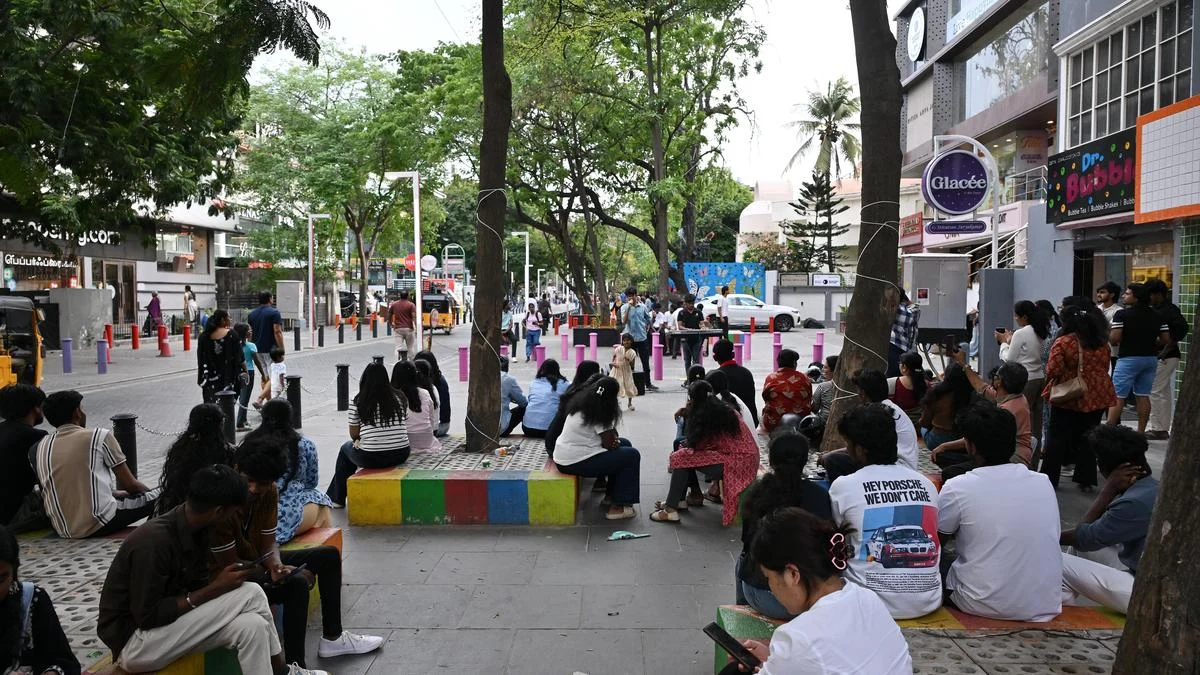
Chennai, India – July 8, 2026 – Chennai, a metropolis steeped in tradition yet embracing modernity, is undergoing a visible transformation, particularly in its public spaces. Over the past few years, the city has witnessed a deliberate and effective reimagining of key urban arteries into vibrant pedestrian plazas. Streets like Khader Nawaz Khan (KNK) Road and the bustling Pondy Bazaar, once primarily conduits for vehicular traffic, are now emerging as dynamic hubs for community interaction, artistic expression, and social congregation. This evolution signals a significant shift in how Chennai residents experience and utilize their urban environment, moving beyond mere transit to embrace spaces that foster connection and a renewed sense of civic identity.
The Genesis of Urban Renaissance: From Congestion to Connection
The metamorphosis of KNK Road and Pondy Bazaar into pedestrian plazas is not an isolated urban planning experiment but a response to a growing recognition of the need for people-centric spaces in a rapidly urbanizing city. For decades, Chennai, like many Indian metropolises, grappled with increasing vehicular congestion, diminishing green spaces, and a decline in spontaneous public interaction. The traditional "third places" – environments outside of home and work where people can gather and connect, such as cafes, parks, and community centers – were often either inaccessible due to urban sprawl or lacked the dynamism to attract diverse segments of the population.
The initiative to create pedestrian plazas emerged as a strategic intervention to reclaim public thoroughfares for citizens. KNK Road, with its historical association with commerce and its strategic location, was an early candidate for this transformation. The idea was to convert a portion of the road into a car-free zone, encouraging leisurely strolls, impromptu gatherings, and the development of a vibrant street culture. Similarly, Pondy Bazaar, a well-established commercial hub, was envisioned to benefit from enhanced pedestrian accessibility, allowing shoppers and residents to engage with the area in a more relaxed and enjoyable manner.
A Sunday Evening Symphony: KNK Road’s Vibrant Transformation
A visit to Khader Nawaz Khan Road on a recent Sunday evening offers a compelling snapshot of this urban renaissance. As dusk settles, the road, once a thoroughfare for hurried commuters, transforms into a lively promenade. The cobblestone-like paving, a nod to its historical character, now serves as a stage for a burgeoning street culture. The benches, strategically placed along the plaza, are invariably occupied, particularly by a younger demographic. The air is often filled with the sounds of impromptu music jams, with young individuals strumming guitars and singing along, creating an atmosphere of youthful exuberance and creative expression.
This transformation has drawn parallels to Bengaluru’s famed Church Street, a comparison that while acknowledging the pedestrianization trend, is met with a nuanced perspective by many Chennai residents. "There is no point of comparison because Chennai has its own culture, and it is not overwhelmingly noisy here," remarks Abinaya R., a Chartered Accountancy student. Her sentiment reflects a broader appreciation for the organic and less commercialized vibe that has emerged on KNK Road. "My friends and I have been coming here every weekend ever since it reopened. We grab something to eat and sit on the benches along KNK Road. It is better than just sitting in my hostel. We like the vibe here because everywhere you turn, it is like a fashion statement." This highlights the plaza’s success in becoming an attractive "third place," offering a welcome alternative to confined living spaces and fostering a sense of belonging.
The Rise of "Third Places" and the Busking Phenomenon
The concept of "third places" – essential for social cohesion and individual well-being – is central to understanding the impact of these pedestrian plazas. As engineering student Swaminath P.G. explains, while home is the first place and work the second, these newly created public spaces are fulfilling a crucial societal need. Swaminath himself is a participant in the burgeoning busking scene on KNK Road, his guitar case a testament to his passion. He notes the significant shift in Chennai’s cultural landscape: "Busking in Chennai was rarely seen a few years ago but is now becoming more common on KNK Road, at Anna Nagar Tower Park, Pondy Bazaar, and elsewhere."
The pedestrian plazas, with their enhanced ambiance, particularly the thoughtful lighting, have provided a conducive environment for these artistic endeavors. "Busking and street performances are now being enjoyed by people in Chennai across age groups. With the pedestrian plaza and the lighting adding to the atmosphere, it has easily become an inexpensive third place for college-goers to hang out on the benches," Swaminath adds. This demonstrates how urban planning can actively facilitate and nurture grassroots cultural movements, making them accessible and enjoyable for a wide audience. Beyond musical performances, KNK Road has also become a canvas for impromptu photo shoots, artists sketching on their canvases, and informal gatherings among friends, underscoring its versatility as a community hub.
Pondy Bazaar: A New Canvas for Gen Z and Local Artisans
The revitalization efforts have not been confined to KNK Road. Pondy Bazaar, a long-established commercial district, is also experiencing a significant uplift, particularly in its appeal to the younger generation. The pedestrian plaza here has become a magnet for diverse activities catering to the evolving tastes and preferences of Gen Z. BCA student Keerthana Devaraj, who has set up a face-painting stall beneath a tree within the plaza, observes the change: "Pondy Bazaar never really catered to Gen Z’s whimsies and desires before, but now there are many college students like me who sell their handmade crochet products and so on."

This signifies a crucial development: the creation of economic opportunities for young entrepreneurs and artisans within these revitalized public spaces. The plaza has become a platform for students and young individuals to showcase and sell their creations, ranging from handmade crafts to personalized art. The visual tapestry of Pondy Bazaar’s plaza is now a blend of traditional commerce and youthful creativity. Pedestrians can be seen browsing an eclectic array of posters, from anime-themed art to classic rock memorabilia, while engaging in playful activities like "Pop It" surprise games. The presence of instant photo booths, offering personalized newspaper-style prints, further enhances the interactive and engaging nature of the space. These plazas are transcending their initial purpose of simply facilitating movement and are actively evolving into vibrant crucibles of community, innovation, and cultural exchange, offering a compelling alternative to traditional public spaces like parks and cafes.
Supporting Data and Evolving Trends
The anecdotal evidence from KNK Road and Pondy Bazaar is supported by a growing trend of increased footfall and engagement in these pedestrianized zones. While precise statistical data on the economic impact and demographic shifts is still emerging, preliminary observations suggest a positive correlation between the creation of pedestrian plazas and enhanced community participation. Local businesses situated near these plazas have reported an uptick in foot traffic, as the enhanced pedestrian experience makes these areas more attractive for leisurely exploration and spontaneous spending.
Furthermore, the diversity of activities observed – from impromptu musical performances and art displays to the sale of handmade goods and interactive games – indicates a growing demand for accessible and engaging public spaces. This aligns with global urban planning trends that emphasize the creation of "15-minute cities" and the prioritization of pedestrian-friendly infrastructure to enhance quality of life and promote sustainable urban development. The success of these plazas in fostering a sense of community and providing platforms for creative expression suggests that Chennai is on a path to embracing these forward-thinking urban strategies.
Official Responses and Future Projections
City officials have largely expressed optimism regarding the impact of these pedestrian plazas. The Chennai Corporation, in collaboration with various urban development agencies, has been instrumental in conceptualizing and implementing these projects. The recognition of KNK Road as Chennai’s second pedestrian plaza, following earlier initiatives, signifies a sustained commitment to this urban strategy.
"The vision behind these pedestrian plazas is to create more livable and engaging urban environments," stated a senior official from the Chennai Metropolitan Development Authority (CMDA) in a recent press briefing. "We are not just talking about beautification; we are fostering a sense of belonging, encouraging healthy lifestyles, and providing platforms for local talent to flourish. The positive response from citizens, especially the youth, is a strong indicator that we are moving in the right direction."
The success of KNK Road and Pondy Bazaar is likely to pave the way for similar developments in other parts of the city. Discussions are reportedly underway for the pedestrianization of other key streets and the enhancement of existing public spaces to better serve the community. The focus is on creating a network of interconnected, people-centric zones that encourage walking, cycling, and social interaction, thereby reducing reliance on private vehicles and promoting a more sustainable urban ecosystem.
Implications for Chennai’s Urban Future
The ongoing transformation of Chennai’s urban landscape through the establishment of pedestrian plazas carries profound implications for the city’s future.
- Enhanced Livability and Well-being: By reclaiming public spaces for people, these plazas contribute to a more livable and enjoyable urban environment. Reduced vehicular traffic and noise pollution, coupled with increased opportunities for recreation and social interaction, can significantly improve the mental and physical well-being of residents.
- Fostering Community and Social Cohesion: These plazas are emerging as vital "third places" where diverse communities can converge, interact, and build connections. This fosters a stronger sense of civic identity and social cohesion, crucial for a rapidly growing metropolis.
- Economic Revitalization and Local Entrepreneurship: The influx of pedestrians and the creation of vibrant atmospheres can lead to economic revitalization for surrounding businesses. Furthermore, these plazas are providing crucial platforms for local artisans and young entrepreneurs to showcase their talents and products, fostering a new wave of economic activity.
- Promotion of Sustainable Urban Development: By encouraging walking and cycling and reducing reliance on private vehicles, pedestrian plazas contribute to a more sustainable urban future. This aligns with global efforts to combat climate change and create greener, healthier cities.
- Cultural Evolution and Artistic Expression: The burgeoning busking scene and the emergence of informal artistic displays highlight how urban planning can actively support and nurture cultural evolution. These plazas are becoming incubators for new forms of artistic expression and community-based cultural initiatives.
In conclusion, Chennai’s journey towards creating vibrant pedestrian plazas represents a significant step in its urban evolution. These spaces are not merely physical transformations but catalysts for social change, cultural enrichment, and a more sustainable urban future. As the city continues to embrace this people-centric approach to urban planning, it is poised to become a more dynamic, connected, and livable metropolis for all its citizens.
