

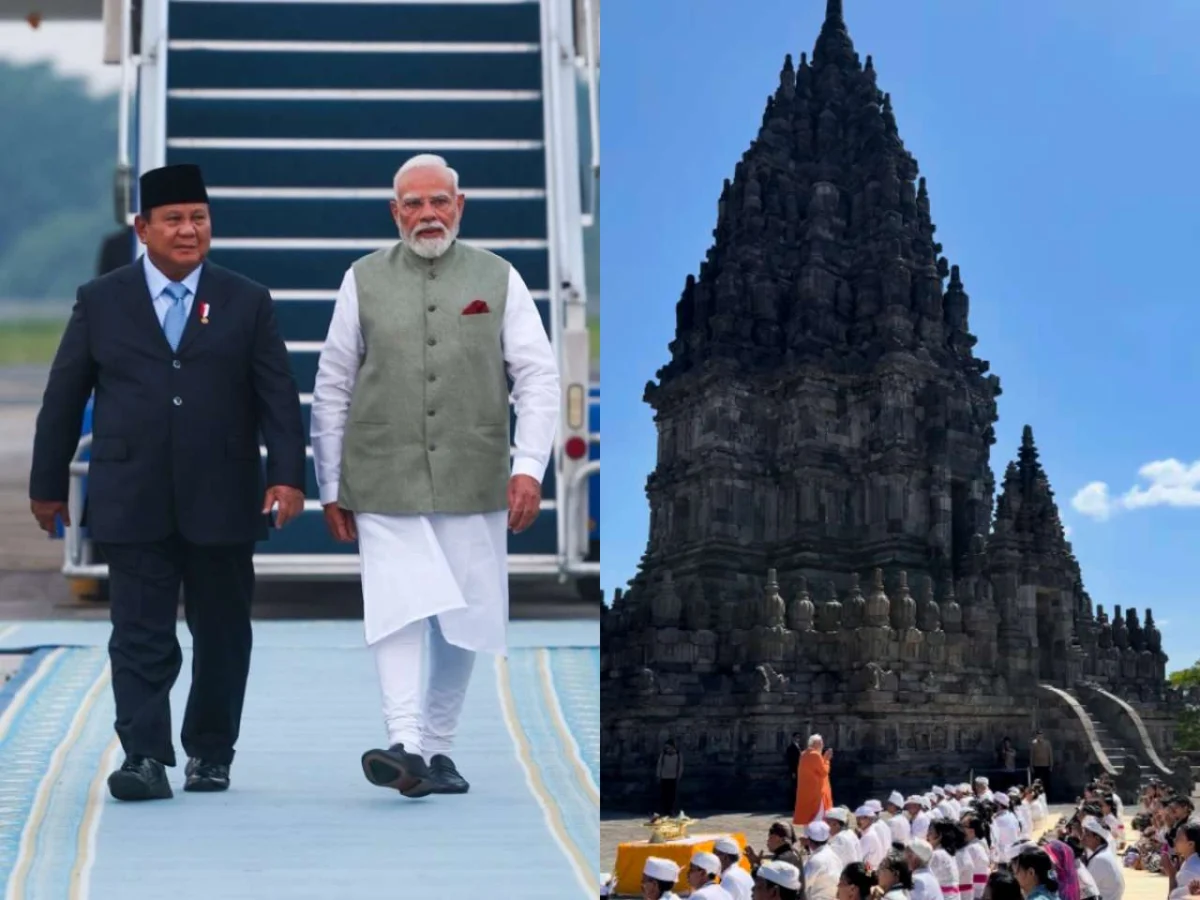
Yogyakarta, Indonesia – July 8, 2026 – During his high-profile state visit to Indonesia, Prime Minister Narendra Modi paid a significant visit to the magnificent Prambanan Temple complex, a UNESCO World Heritage Site that stands as a profound testament to the millennia-old cultural and spiritual ties between India and Indonesia. The visit, steeped in historical significance, not only underscored the deep-rooted connections but also opened avenues for potential collaborative efforts in the preservation of this invaluable cultural landmark.
Prambanan, an architectural marvel and a vibrant symbol of Indonesia’s rich Hindu heritage, holds a unique position within the archipelago, which is globally recognized as the world’s most populous Muslim-majority nation. The Prime Minister’s presence at this ancient site resonated with the enduring influence of Indian culture and religion on the Indonesian islands, a connection that predates the modern nation-state and continues to shape its cultural landscape.
A Glimpse into Shared Heritage: Main Facts of the Visit
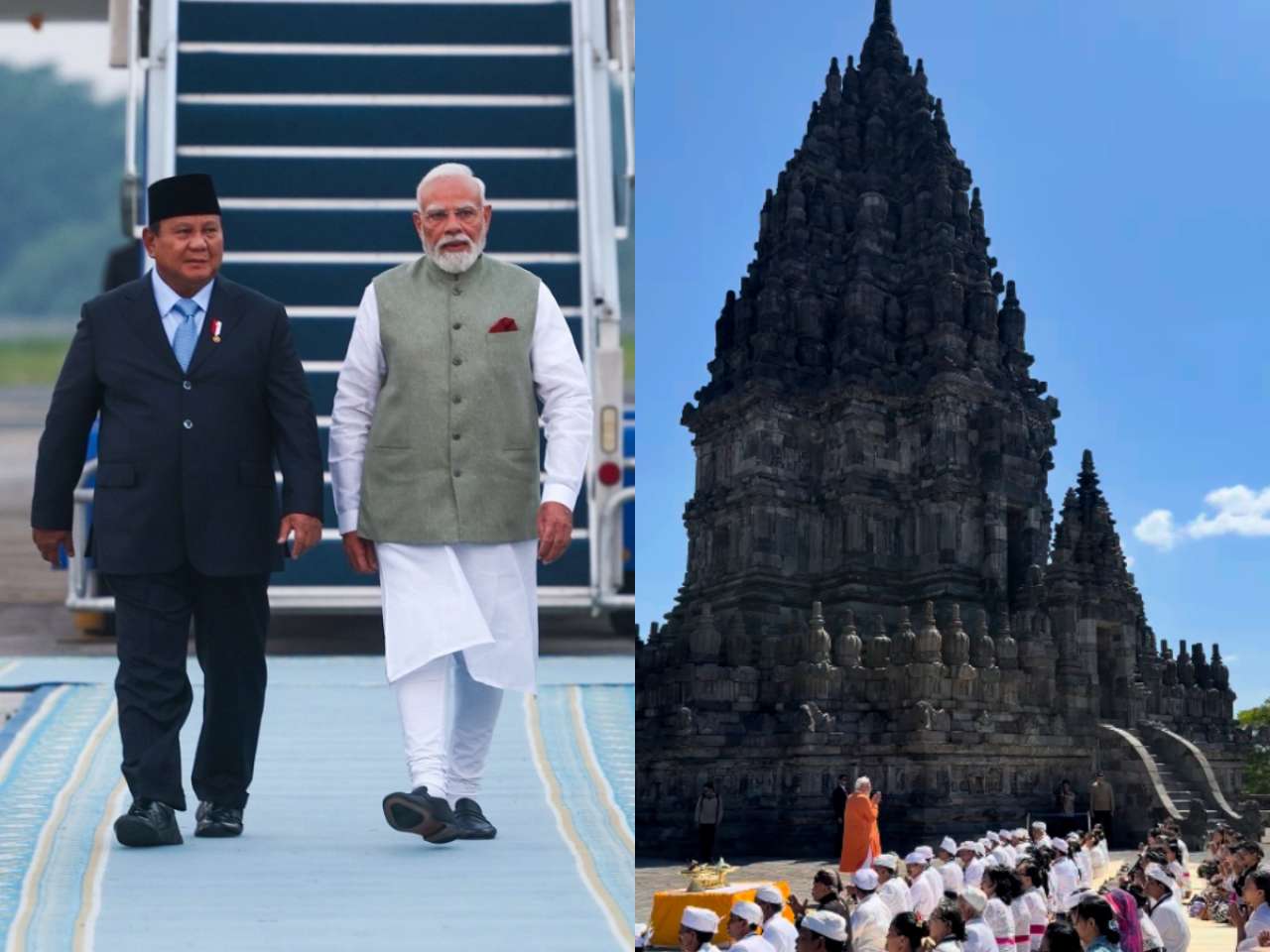
Prime Minister Modi’s visit to Prambanan was more than a mere tourist stop; it was a carefully orchestrated diplomatic and cultural engagement. The historical significance of the temple complex, dating back to the 9th and 10th centuries, immediately drew parallels with India’s own ancient architectural and religious traditions. The temple is dedicated to the Hindu Trimurti – Lord Shiva, Lord Vishnu, and Lord Brahma – reflecting the core tenets of Hinduism that have permeated Southeast Asian cultures for centuries.
The visit highlighted the shared cultural narratives, most notably the epic Ramayana, whose stories are intricately carved into the temple’s stone walls. This narrative continuity serves as a powerful reminder of the shared cultural DNA that binds India and Indonesia. Furthermore, the potential for joint initiatives in heritage conservation was a key takeaway, signaling a commitment to safeguarding these shared historical treasures for future generations.
)
The Tapestry of Time: A Chronology of Prambanan’s Legacy
The history of Prambanan is a fascinating journey through the rise and fall of ancient kingdoms, religious shifts, and eventual rediscovery and preservation.
-
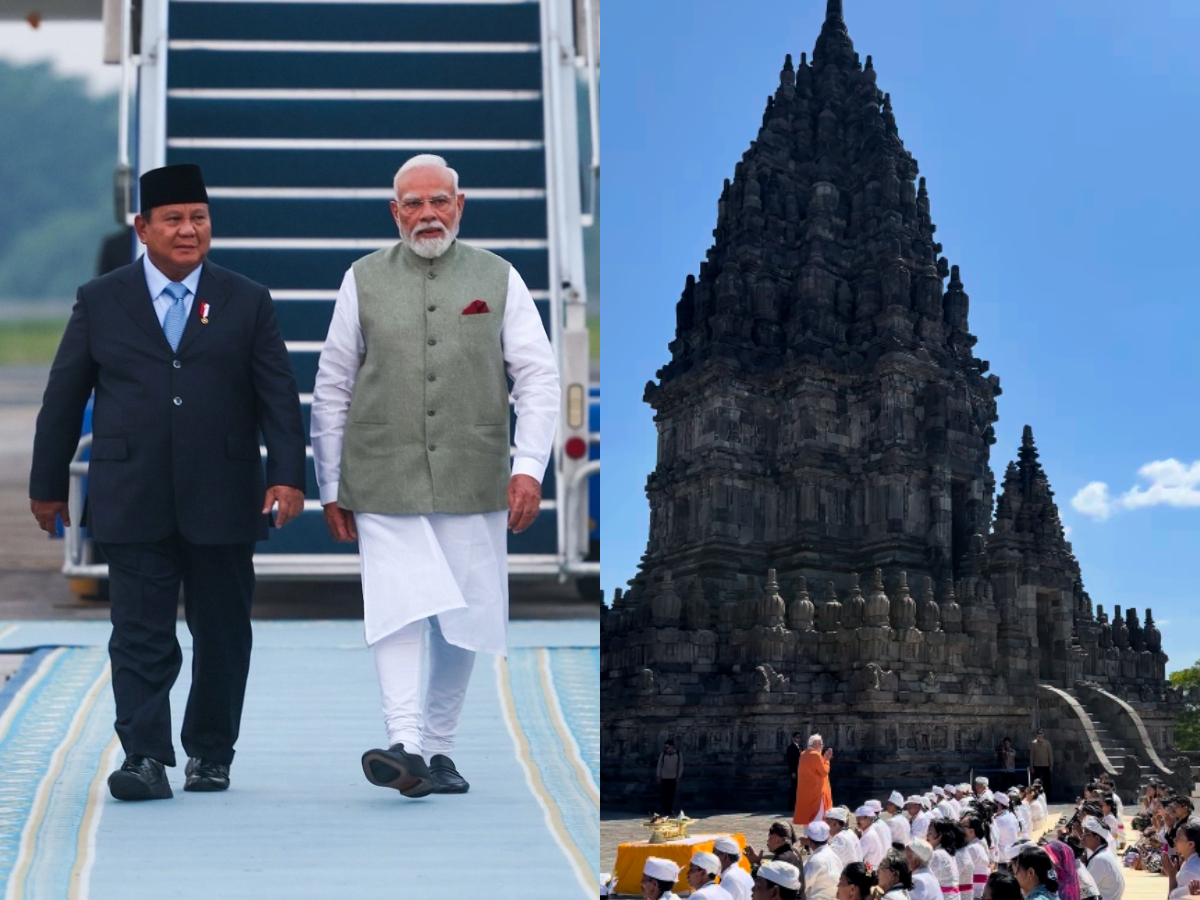
9th-10th Centuries CE: The Golden Age of the Sanjaya Dynasty: The construction of Prambanan commenced during the reign of the Sanjaya dynasty of the ancient Mataram Kingdom in Central Java. This era marked a significant flourishing of Hindu culture and architecture in the region. The complex was designed as a magnificent tribute to the Hindu Trinity, with the central Shiva temple standing as the tallest, reaching an impressive height of approximately 47 meters. The architectural layout, based on Hindu cosmology, aimed to represent the universe. Originally, the complex comprised around 240 temples, a sprawling testament to the kingdom’s power and devotion.
)
-
10th Century Onwards: Decline and Disintegration: Following political shifts and likely natural calamities such as volcanic eruptions and earthquakes, the grandeur of Prambanan began to wane. Many of the smaller temples succumbed to the ravages of time and nature, becoming ruins and eventually being swallowed by vegetation. The site suffered significant neglect, with structures buried under ash and earth.
-
19th Century: Rediscovery and Initial Restoration: European explorers and archaeologists rediscovered the sprawling ruins of Prambanan in the early 19th century. This marked the beginning of efforts to understand and preserve the site. Systematic excavation and initial restoration work commenced, slowly bringing the magnificent structures back to light.

-
1991: UNESCO World Heritage Recognition: The historical and architectural significance of the Prambanan Temple Compound was formally recognized by UNESCO, designating it as a World Heritage Site. This recognition underscored its universal value and the importance of its preservation.
-
2006: The Yogyakarta Earthquake: The region was struck by a powerful earthquake in 2006, which caused further damage to the already fragile structures of Prambanan. Despite the setback, restoration projects continued, demonstrating the resilience and dedication to preserving this cultural icon.
)
-
2026: Prime Minister Modi’s Visit: Prime Minister Narendra Modi’s visit in July 2026 served as a powerful reminder of the enduring cultural bonds and the shared responsibility for safeguarding this historical treasure. The visit also brought renewed attention to the site and potential for enhanced bilateral cooperation in heritage management.
Architectural Grandeur and Spiritual Significance: Supporting Data and Details
Prambanan is not merely a collection of ancient stones; it is a masterpiece of religious architecture and a vibrant canvas of Hindu mythology.
)
-
Architectural Prowess: The complex is characterized by its towering, intricately carved spires that pierce the Javanese sky. The main ensemble consists of three large temples dedicated to Shiva (the destroyer), Vishnu (the preserver), and Brahma (the creator), forming the central triad. The Shiva temple, the largest and most sacred, houses statues of Shiva, his consort Durga, their son Ganesha, and the sage Agastya. The temples are arranged in a mandala-like pattern, symbolizing the Hindu concept of the cosmos.
-
The Ramayana’s Stone Epic: One of the most captivating features of Prambanan is the detailed bas-relief carvings that adorn the inner walls of the main temples. These narratives meticulously depict the epic Ramayana, tracing the journey of Lord Rama, his abduction of Sita by Ravana, and the ensuing battle. Visitors are encouraged to follow the story in a clockwise direction, mirroring the traditional circumambulation of sacred sites. These carvings not only serve as a visual storytelling medium but also showcase a unique blend of Indian artistic motifs and indigenous Javanese craftsmanship, reflecting a cultural synthesis that has evolved over centuries.
)
-
The Ramayana Ballet: The cultural significance of the Ramayana at Prambanan extends beyond its stone inscriptions. The temple complex serves as the spectacular backdrop for captivating open-air Ramayana ballet performances. These performances, featuring traditional Javanese dance, music, and drama, bring the ancient epic to life against the illuminated silhouette of the temples, offering a truly immersive cultural experience.
-
A Symbol of Religious Pluralism: While Indonesia is predominantly Muslim, Prambanan stands as a powerful symbol of its Hindu past and the historical coexistence of different faiths. It serves as a potent counterpoint to the common perception of the region and highlights the complex tapestry of religious influences that have shaped Indonesian society. It is often discussed in conjunction with the nearby Borobudur Temple, a magnificent Buddhist monument, presenting a holistic view of ancient Java’s rich religious and cultural landscape.
)
Official Responses and Diplomatic Undertones
Prime Minister Modi’s visit was met with warm reception from Indonesian officials, underscoring the importance placed on bilateral cultural exchange. While specific details of conservation agreements were not immediately released, the joint statement issued following the Prime Minister’s visit alluded to a shared commitment to fostering cultural understanding and cooperation.
"The visit to Prambanan Temple is a profound reminder of the deep historical and cultural bonds that have linked India and Indonesia for centuries," stated a spokesperson for the Indian Ministry of External Affairs. "We believe that collaboration in heritage conservation is not just about preserving stones and mortar, but about safeguarding our shared narratives and promoting inter-civilizational dialogue."
)
Indonesian authorities expressed their enthusiasm for potential partnerships. A representative from the Indonesian Ministry of Culture and Education remarked, "Prambanan is a jewel of our heritage. We welcome India’s interest and expertise in its preservation. Such collaborations enrich not only our understanding of the past but also strengthen our present-day relationship."
Implications: Strengthening Bonds and Preserving a Global Treasure
Prime Minister Modi’s visit to Prambanan Temple carries significant implications for both India and Indonesia, as well as for the global heritage community.
)
-
Reinforcing Cultural Diplomacy: The visit serves as a powerful tool of cultural diplomacy, highlighting India’s commitment to engaging with its civilizational neighbors and celebrating shared heritage. It reinforces the narrative of India as a nation that values its historical connections and actively participates in preserving global cultural assets.
-
Boosting Tourism and Economic Ties: The renewed focus on Prambanan, amplified by the Prime Minister’s visit, is likely to boost tourism to the region. Increased visitor numbers can translate into economic benefits for local communities and further strengthen the economic ties between India and Indonesia through tourism promotion.
)
-
Advancing Heritage Conservation Efforts: The prospect of collaborative conservation efforts between India and Indonesia holds immense potential. India’s expertise in heritage restoration, particularly in temple architecture and archaeological preservation, can be invaluable in addressing the ongoing challenges faced by Prambanan. This collaboration can also serve as a model for other UNESCO World Heritage Sites facing similar preservation issues.
-
Promoting Inter-faith Harmony: In an increasingly complex global landscape, the shared reverence for ancient religious sites like Prambanan can foster greater understanding and appreciation for inter-faith harmony. The visit demonstrates that cultural heritage can transcend religious differences and serve as a unifying force.
)
-
A Symbol of Enduring Influence: The continued existence and reverence for Prambanan, even in a nation with a predominantly Muslim population, is a testament to the enduring influence of Indian culture and the syncretic nature of Indonesian society. The visit by the Indian Prime Minister to such a site solidifies this historical narrative and celebrates the rich, multi-layered identity of Indonesia.
In conclusion, Prime Minister Narendra Modi’s visit to the Prambanan Temple was a landmark event that beautifully articulated the deep historical and cultural connections between India and Indonesia. It underscored the shared responsibility to preserve such invaluable heritage sites, fostering a stronger diplomatic and cultural partnership that resonates through the corridors of history and into the future. The echoes of ancient chants and the intricate carvings on the temple walls now carry a renewed message of friendship and cooperation between two ancient civilizations.
