

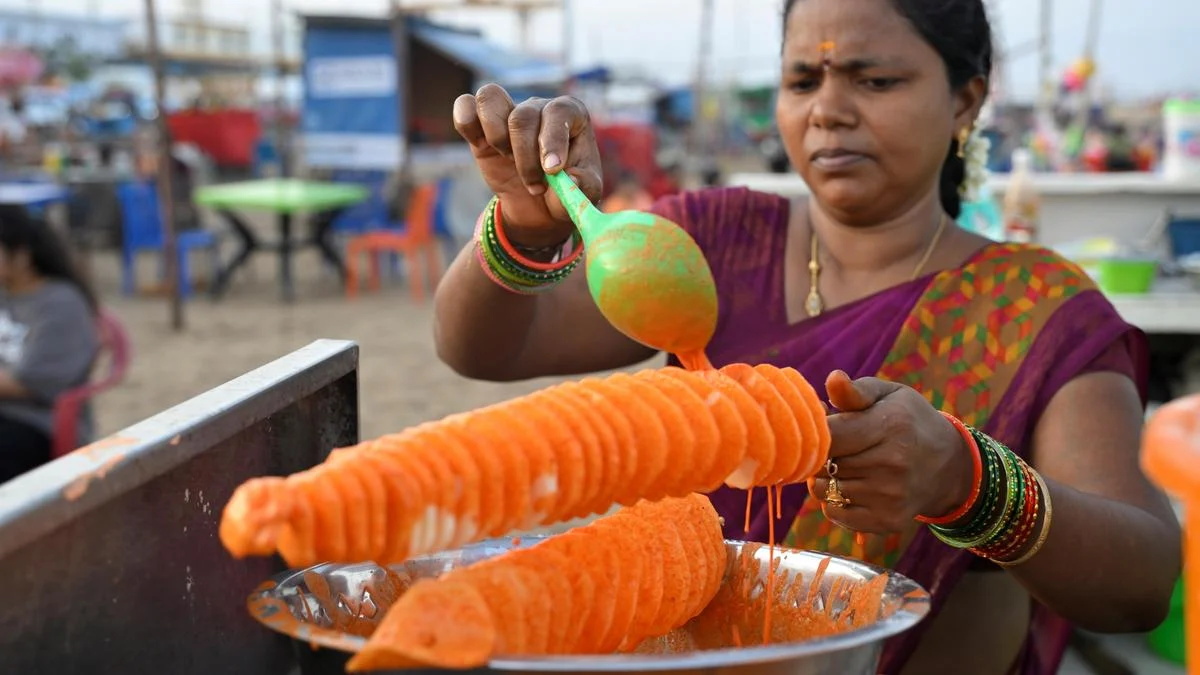
Chennai’s coastline is more than just a picturesque stretch of sand and sea; it’s a vibrant, pulsating artery of the city’s identity, inextricably linked to its culinary soul. For generations, the beaches of Chennai have served as an open-air dining hall, a place where the rhythm of the waves harmonizes with the sizzle of frying fish and the chatter of satisfied patrons. From the humble yet irresistible maanga pattani sundal and piping hot bajjis to the smoky allure of roasted corn and the ephemeral sweetness of cotton candy, the food found by the sea possesses a unique character that captures the essence of Chennai’s coastal charm. This article delves into the rich tapestry of Chennai’s beachside culinary landscape, exploring its origins, its enduring appeal, and the intangible elements that make it an unforgettable sensory experience.
The Enduring Allure of Coastal Cuisine: A Generational Love Affair
The relationship between Chennai and its beaches is deeply rooted, extending far beyond mere recreation. It’s a tradition passed down through families, a shared experience that binds generations. The coast offers a diverse gastronomic journey, catering to every palate and preference. The bounty of the sea is on full display, from the succulent prawns and crabs sourced from Pazhaverkadu to the bustling, organized chaos of the Kasimedu fish market, a hub for fresh catches. Further along the coast, rows of traditional meen saapadu (fish meal) messes in Pattinapakkam offer an authentic taste of coastal Tamil Nadu. In more recent times, the modern culinary scene has also embraced the seaside, with innovative food trucks dotting the promenades of Besant Nagar, adding a contemporary twist to the traditional offerings.
This enduring connection is beautifully illustrated by the story of 56-year-old Jayashree, who, after years, returns to the beach with her family. For her, the beach evokes a flood of cherished memories, and food plays an integral role in this nostalgic recall. "One of the main reasons we look forward to coming to the beach is for the snacks," she shares, a smile playing on her lips as she savors a piece of raw mango dusted with chili powder. She fondly recalls her childhood, where her father, concerned about hygiene, would often refrain from buying beachside food. Instead, they would persuade him to purchase toys, a testament to the allure of these seaside treats even then. Today, her father, seated nearby, is seen enjoying a packet of pattani sundal, a quiet acknowledgment of the evolving traditions and the undeniable appeal of these familiar flavors.
The younger generation echoes this sentiment. Rajeeth Nisha and Kirijha, both 23 and hailing from Karaikudi and Madurai respectively, have discovered the joy of beach outings with friends post-college. Fish fry has become an indispensable part of their beach ritual. "We love the fish fry here. Because we come as a group, we enjoy it more," they explain, highlighting the social aspect that amplifies the culinary experience.
For 31-year-old Nisha, a resident of Kodungaiyur, the beach serves as a monthly family escape. Accompanied by her husband and two children, fish remains a mandatory indulgence. "At home, I make the same things, but we all eat from separate plates. Here, we buy one big fish or one plate of prawns and everyone shares. It’s nice," she remarks with a heartwarming smile, underscoring the communal and convivial nature of sharing food by the sea.
Unraveling the Secret: The Art and Soul of Beachside Delicacies
The distinctiveness of Chennai’s beachside food is not merely a matter of ingredients; it’s a complex interplay of preparation, ambiance, and tradition. The fish fry, a perennial favorite, exemplifies this. At the renowned Alli Muthu fish stall on Marina Beach, an array of fresh catches – vanjaram, kilangan, kelathi, nethili, paarai, and kanava – are meticulously prepared. Each piece, coated in a vibrant red marinade, promises a culinary adventure before it even hits the pan.
Ganesh, a seasoned vendor with 30 years of experience, attributes the unique flavor to the secret podi (spice blend) sprinkled over the fried fish. "Chicken masala, fish fry masala, garam masala…" he lists, a seemingly endless cascade of spices that would challenge even the most seasoned chef to replicate. However, the recipe, while crucial, appears to be only one piece of the puzzle.
Adjacent to the fish stalls, the bajji vendors create a cheerful spectacle. Bunches of long green bajji milagai (chili peppers) hang like festive thoranams (door decorations), while sliced potatoes, raw bananas, and onions await their transformation into crispy, golden delights. The bajjis themselves are a marvel – perfectly crispy, with an ideal batter consistency and a flawless golden-brown hue. Yet, it is the accompanying chutney that truly elevates the experience. While numerous "beach-style chutney" recipes abound online, none seem to quite capture the authentic taste savored by the sea.
Beyond the Plate: The Intangible Ingredients of a Memorable Meal
The magic of Chennai’s beachside food transcends the physical components. It is a sensory symphony where the flavors are amplified by the very environment. The salty sea breeze, the rhythmic crashing of waves, the fine sand that clings to your feet, and the sheer sense of ease and abandon with which people flock to the beach to unwind and indulge – these are the intangible ingredients that contribute to the unforgettable taste.
The maanga pattani sundal, a simple yet addictive snack of boiled chickpeas mixed with grated mango, chili powder, and a hint of coconut, is a prime example. Its tangy, spicy, and slightly sweet profile is perfectly complemented by the cool sea air. Similarly, the smoky aroma of roasted corn, often charred to perfection and slathered with butter and spices, evokes a primal comfort that is amplified by the vast expanse of the ocean.
The cloud-like softness of cotton candy, a sweet respite from the savory delights, adds another layer to the beachside culinary narrative. It’s a childhood favorite, a fleeting indulgence that perfectly encapsulates the carefree spirit of a day by the sea.
A Chronological Journey: The Evolution of Chennai’s Beach Food Culture
The history of food being an integral part of the Chennai beach experience is not a recent phenomenon. While specific origins are difficult to pinpoint, the practice likely evolved organically as beaches became popular gathering spots for leisure and recreation.
Early 20th Century: As Chennai (then Madras) grew as a port city and a hub for trade and culture, its beaches, like Marina Beach, became popular promenades. Families and individuals would flock to these areas for fresh air and respite from the city’s heat. It’s plausible that vendors, recognizing the demand, began offering simple snacks and refreshments. These early offerings would have likely included fruits, traditional sweets, and perhaps basic fried items. The "unhygienic" concerns mentioned by Jayashree’s father might have been more prevalent in these nascent stages, with less regulated food preparation.
Mid-20th Century: The post-independence era saw a significant rise in public spaces and leisure activities. Beaches continued to be vital social hubs. This period likely saw the formalization of many beachside food stalls. The popularity of items like sundal, bajjis, and basic fried snacks would have solidified. The emphasis would have been on affordable, easily prepared, and universally appealing items. The community aspect of sharing food would have been present, though perhaps less emphasized than in the present day.
Late 20th Century: As Chennai’s population expanded and disposable incomes rose, the beach food scene diversified. More sophisticated preparations, like various fish fries, began to gain prominence. The organization of fish markets like Kasimedu would have ensured a steady supply of fresh seafood, directly influencing the availability and variety of fish-based dishes. The concept of specialized stalls, like Alli Muthu’s, dedicated to specific items, likely emerged during this time.
21st Century: The current era has witnessed both a preservation of tradition and an infusion of modernity. While classic favorites like sundal and bajjis remain evergreen, there has been an emergence of new trends. Food trucks in areas like Besant Nagar represent a contemporary evolution, offering a wider range of global and fusion cuisines alongside traditional beachside fare. The emphasis on hygiene and quality has also increased, with many vendors adopting more professional practices. The social media influence has further amplified the popularity of these food experiences, with many individuals sharing their culinary adventures online. The generational stories of Jayashree and the younger groups highlight how the beach food experience continues to be a cherished ritual, adapting to new times while retaining its core essence.
Supporting Data: A Statistical Glimpse into the Beach Food Economy
While precise statistical data on Chennai’s beach food economy is scarce, the sheer volume of visitors and the prevalence of food vendors offer a compelling anecdotal indication of its significance.
- Footfall: Marina Beach, one of the most popular stretches, attracts hundreds of thousands of visitors on weekends and an even larger number during festivals and special events. Even on weekdays, the numbers are substantial. This consistent footfall directly translates to a sustained demand for food and beverages.
- Vendor Density: The number of licensed and unlicensed food vendors operating along the popular beaches (Marina, Elliot’s/Besant Nagar, Thiruvanmiyur) is estimated to be in the hundreds. These range from small, individual stalls selling a few items to larger operations with multiple employees.
- Economic Contribution: While difficult to quantify, the informal beach food sector represents a significant source of livelihood for many families in Chennai. Vendors often rely entirely on this income. The daily earnings, though variable, contribute to the local economy through the purchase of raw materials, employment, and local consumption.
- Product Diversity: The variety of food items sold reflects the diverse tastes of the populace. The presence of snacks, main meals (fish meals), beverages, and desserts indicates a comprehensive culinary offering. The demand for specific items like fish fry and sundal is consistently high.
- Impact of Tourism: Chennai’s beaches are a significant attraction for both domestic and international tourists. The unique culinary experiences offered by the seaside are often highlighted in travel guides and personal recommendations, contributing to the city’s appeal as a tourist destination.
Official Responses and Initiatives: Balancing Tradition, Commerce, and Public Health
The Chennai Corporation and various civic bodies play a crucial role in managing the beachside food landscape. Their approach typically involves a delicate balancing act between facilitating economic activity, ensuring public health and safety, and maintaining the aesthetic and environmental integrity of the beaches.
- Licensing and Regulation: Efforts are made to license food vendors to ensure adherence to basic hygiene standards. This includes regulations regarding the source of ingredients, waste disposal, and the general upkeep of stalls. However, the sheer number of vendors and the often informal nature of some operations present ongoing challenges.
- Waste Management: The large influx of people and the associated food consumption inevitably lead to waste generation. The Corporation implements waste management strategies, including the provision of dustbins and periodic clean-up drives. However, the effectiveness of these measures is often challenged by the volume of waste and public cooperation.
- Promoting Local Cuisine: While not always explicit policy, the informal ecosystem of beachside food vendors inherently promotes and preserves local culinary traditions. The availability of authentic dishes like meen saapadu and various sundal varieties contributes to the cultural heritage of the city.
- Infrastructure Development: In some areas, like Elliot’s Beach, the Corporation has invested in developing infrastructure, including designated areas for food stalls and improved public amenities. This aims to create a more organized and pleasant environment for both vendors and visitors.
- Challenges and Future Directions: The primary challenges remain consistent: ensuring stringent hygiene standards across all vendors, managing waste effectively, and preventing encroachment. Future initiatives might focus on greater technological integration for vendor management, enhanced public awareness campaigns on responsible waste disposal, and fostering a more sustainable and organized beach food ecosystem that celebrates its unique cultural heritage while upholding modern standards.
Implications and the Future of Chennai’s Beach Food Scene
The enduring popularity of Chennai’s beachside food scene carries several significant implications for the city and its residents:
- Cultural Preservation: The beach food tradition serves as a vital conduit for preserving and transmitting culinary heritage. The recipes, preparation methods, and the very act of sharing these meals are part of Chennai’s cultural fabric, passed down through generations.
- Economic Empowerment: For many, particularly those from lower-income backgrounds, beachside vending offers a crucial source of livelihood and economic independence. It’s an accessible entry point into entrepreneurship, fostering self-reliance within communities.
- Social Cohesion: The beaches, and by extension their food offerings, act as important social spaces. They bring people from diverse backgrounds together, fostering a sense of community and shared experience. The act of eating together, sharing a plate of fish fry, or enjoying a sundal with friends and family strengthens social bonds.
- Urban Identity: The unique culinary identity of Chennai’s beaches is an integral part of the city’s overall character. It contributes to the distinctive charm and appeal of Chennai, making it stand out from other metropolitan centers.
- Sustainable Tourism: The authentic and often affordable culinary experiences offered by the beaches can be a significant draw for tourists, contributing to local tourism and providing an alternative to more commercialized dining options.
Looking ahead, the future of Chennai’s beach food scene will likely be shaped by a continued interplay between tradition and adaptation. While the core offerings will remain, there is potential for further innovation, perhaps in exploring healthier options, embracing sustainable sourcing practices, and leveraging technology to enhance the vendor experience and customer interaction. The challenge will be to evolve without losing the authentic soul that makes these seaside culinary encounters so special. The salt in the air, the sound of the waves, and the shared joy of a simple, delicious meal by the sea are ingredients that cannot be replicated, ensuring that Chennai’s beaches will continue to be a vibrant testament to the city’s love affair with food and its rich cultural heritage.
