

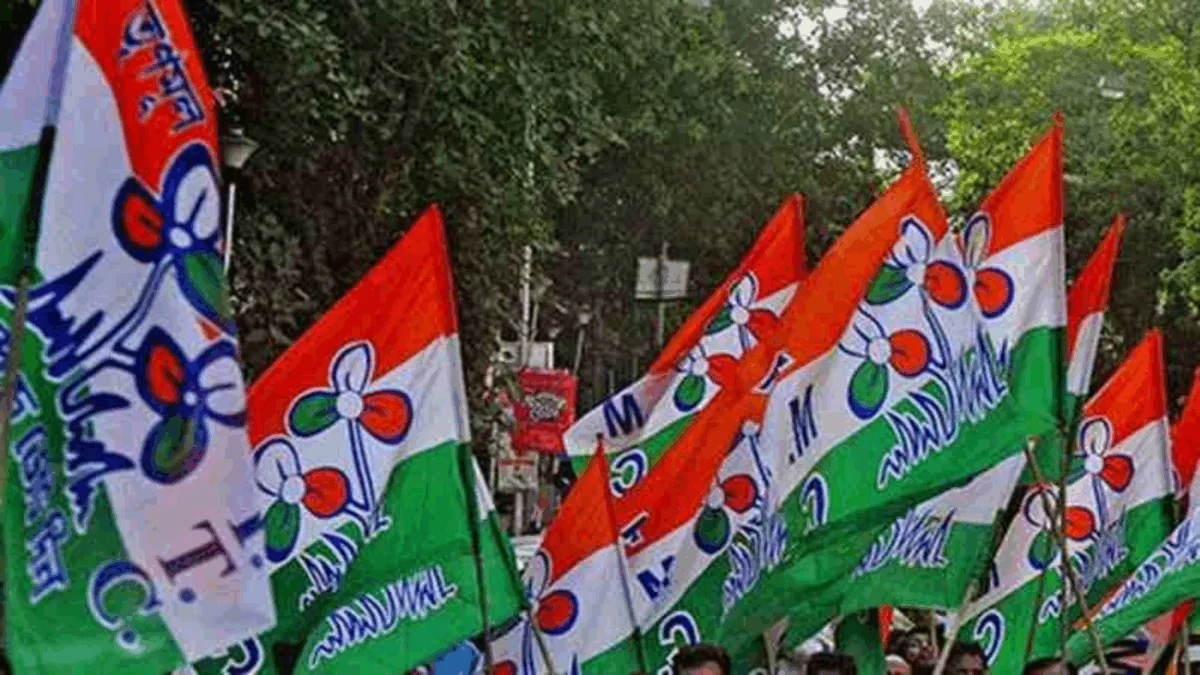
This dramatic unraveling comes on the heels of what political observers describe as a period of heightened scrutiny and internal re-evaluation for the TMC, following recent electoral outcomes. The scale of the resignations, coupled with high-profile arrests, paints a picture of a party under immense pressure, struggling to reconcile internal factionalism with its public image and governance responsibilities.
Mounting Crisis: A Snapshot of Dissent and Arrests
The figures themselves are stark: 101 municipal councillors, elected representatives tasked with local governance, choosing to sever ties with the ruling party. This mass exodus suggests a systemic issue rather than isolated incidents, hinting at widespread dissatisfaction among the party’s local functionaries. Simultaneously, the arrest of 17 individuals, comprising both councillors and other local leaders, underscores a parallel narrative of a crackdown on alleged malpractices, potentially driven by both external pressures and an internal desire for course correction.
The allegations against the arrested leaders are varied but primarily revolve around financial impropriety, including extortion, bribery, and involvement in local syndicate politics—a term in West Bengal often used to describe politically-backed cartels that control local contracts and resources. These accusations have long plagued the state’s political discourse and often serve as flashpoints for public anger and opposition attacks.
Chronology of Turmoil: From Post-Poll Blues to Diamond Harbour Dissent
The seeds of the current crisis appear to have been sown in the aftermath of the recent Assembly elections. While the TMC secured a comfortable majority, the results in several local bodies and a perceived dip in overall vote share in certain areas reportedly triggered a period of introspection and, for some, discontent. This post-election scenario seems to have exacerbated existing internal rivalries and grievances, creating fertile ground for dissent.
The initial resignations, according to party insiders, began as a trickle, often attributed to individual differences or localized issues. However, over the past few weeks, this trickle has morphed into a flood. Reports of councillors submitting their resignations have emerged from multiple districts, indicating a widespread phenomenon rather than a concentrated problem in a single region. The precise timeline of these resignations is staggered, suggesting a cumulative effect rather than a single, coordinated move, though the sheer volume over a relatively short period is unprecedented.
The political drama reached a fever pitch on Monday with the events unfolding at Diamond Harbour Municipality. Eight TMC councillors collectively submitted their resignation letters, a move that instantly drew state-wide attention. Diamond Harbour holds immense symbolic and political significance as the parliamentary constituency of Abhishek Banerjee, a prominent national general secretary of the TMC and a key figure in the party’s leadership hierarchy. The public defection of councillors from such a crucial stronghold is not merely a local administrative issue; it is a direct challenge to the perception of stability and unity within the party’s highest echelons.
The arrests of 17 councillors and local leaders have largely occurred over the past few weeks, initiated by various law enforcement agencies following numerous complaints and ongoing investigations. While some arrests have been made by state police, others reportedly involve central agencies, adding another layer of complexity and political accusation to the unfolding events. These arrests have further intensified the pressure on the TMC, forcing it to navigate not only internal rebellion but also external legal scrutiny, often perceived by the party as politically motivated.
Supporting Data and In-Depth Analysis
The total reported resignations stand at 101 councillors, a figure that represents a significant portion of the TMC’s municipal strength across West Bengal. While the specific municipalities from which all resignations have occurred were not immediately detailed, sources indicate a geographical spread, encompassing suburban, semi-urban, and even some rural-urban interface areas. This broad distribution suggests that the discontent is not confined to one particular region or type of municipality but is symptomatic of a more pervasive systemic issue.
The Nature of Discontent:
Political analysts point to several contributing factors behind this widespread discontent.
- Factionalism: The TMC, like many large political parties, is prone to internal factionalism. Post-election periods often see a realignment of power, with winning factions consolidating influence and losing ones feeling marginalized. This can lead to councillors, particularly those aligned with less powerful leaders, feeling neglected or sidelined.
- Public Backlash against Corruption: Allegations of extortion and corruption have long plagued local governance in West Bengal. The "syndicate politics" phenomenon, where local strongmen with political backing control construction material supply, sand mining, and other lucrative local businesses, has been a persistent source of public resentment. Councillors often find themselves caught between public expectations of good governance and the demands of local power structures. When public anger boils over, or when investigations intensify, such councillors may find their positions untenable.
- Centralization of Power: Some grassroots leaders reportedly feel that decision-making has become overly centralized, leaving little autonomy for local bodies. This can lead to frustration among councillors who feel their voices are not heard or their local issues are not adequately addressed by the party high command.
- Fear of Legal Action: The arrests of 17 councillors and leaders likely sent a chilling message through the party ranks. Councillors implicated in or associated with alleged malpractices might be resigning out of fear of impending legal action, hoping to distance themselves from the party and its controversies.
The Diamond Harbour Conundrum:
The resignations in Diamond Harbour are particularly potent. Abhishek Banerjee is not just an MP; he is widely seen as the second-in-command of the TMC and the political heir apparent to Chief Minister Mamata Banerjee. For a significant number of councillors to resign from his own parliamentary constituency suggests either:
- A direct challenge to his authority: Indicating that even in his stronghold, there are dissenting voices powerful enough to openly rebel.
- A symptom of deeper, systemic issues: Suggesting that the problems of corruption, factionalism, and public resentment are so profound that they transcend even the influence of the party’s most powerful leaders.
- Strategic Maneuvering: It could also be interpreted as factional play, where rival groups within the party are attempting to undermine Abhishek Banerjee’s influence by orchestrating dissent in his home turf.
The specific allegations against the arrested leaders, while not fully detailed in the initial reports, are understood to be severe. Extortion rackets, land grabbing, illegal construction permits, and illicit mining operations are common charges in such cases in West Bengal. The involvement of these leaders in such activities, if proven, not only damages the party’s reputation but also erodes public trust in local democratic institutions.
Suspended former TMC spokesperson Riju Dutta, now an outspoken critic of the party, wasted no time in capitalizing on the crisis. His social media post, claiming the party was "falling like a house of cards," resonated with opposition narratives and highlighted the perceived fragility of the TMC’s current state. Dutta’s commentary, though from a disgruntled former insider, often reflects sentiments circulating within certain party factions.
Official Responses and Party Strategy
The Trinamool Congress leadership has not remained silent in the face of this escalating crisis, though its responses have been multi-pronged and indicative of a party grappling with damage control.
Mamata Banerjee’s Stern Message:
Chief Minister Mamata Banerjee, the formidable matriarch of the TMC, swiftly moved to address the growing concern. Reportedly, she convened an urgent meeting with councillors from several key municipal bodies, including Bidhannagar, Dum Dum, and Baranagar. Her message, delivered with characteristic bluntness, was unambiguous: "We do not need workers who stay only when the party wins and leave after a defeat." This statement underscores a clear directive for loyalty and resilience, simultaneously condemning the defecting councillors and rallying the remaining cadres. It also reflects a strategy to frame the resignations as acts of opportunism rather than deep-seated ideological disagreement.
Her intervention serves multiple purposes: to stem the tide of further resignations, to reassure the loyalists, and to project an image of firm leadership capable of handling internal challenges. By directly addressing the issue, Mamata Banerjee attempts to regain control of the narrative and reinforce party discipline.
Allegations of "Illegal Detention":
Adding another layer to the party’s defense strategy, sources close to the TMC leadership have claimed that some councillors are being "illegally detained." This accusation suggests a political framing of the arrests, implying that they are not purely legal actions but rather politically motivated harassment aimed at destabilizing the ruling party. The party leadership reportedly stated that "legal options were being explored" to challenge these detentions, indicating a readiness to engage in a legal battle alongside the political one. This approach allows the TMC to portray its arrested members as victims of political vendetta, deflecting some of the public scrutiny from the allegations of corruption itself.
Opposition’s Critical Stance:
The principal opposition party, the Bharatiya Janata Party (BJP), has predictably seized upon the TMC’s internal turmoil. BJP leader Agnimitra Paul, in a sharp critique, questioned the departing councillors’ commitment to public service. "This clearly shows how irresponsible they are, that when they were supposed to be with people, they behaved in this manner," Paul asserted. Her comments aimed to undermine the credibility of the resigned councillors and, by extension, the party they represent, suggesting a fundamental flaw in their dedication to their constituents. The BJP is keen to present itself as a more responsible alternative, leveraging the TMC’s internal woes to its political advantage, particularly in the run-up to future local body elections.
Other opposition parties, including the Left Front and Congress, have also voiced concerns, highlighting the alleged breakdown of governance and the prevalence of corruption at the local level under TMC rule. They often cite these incidents as validation of their long-standing criticisms regarding the lack of transparency and accountability in West Bengal’s municipal administration.
Implications and Future Outlook
The current crisis carries profound implications for the Trinamool Congress, the political landscape of West Bengal, and the efficacy of local governance.
Impact on Municipal Governance:
The immediate consequence of these resignations is the potential for administrative paralysis in affected municipalities. With 101 councillors stepping down, many civic bodies could find themselves short-staffed or even face the prospect of no-confidence motions or fresh elections if the number of defections leads to a loss of majority. This disruption directly impacts public services, development projects, and local policy implementation, ultimately affecting the daily lives of citizens. The functioning of municipal boards, which are crucial for grassroots development, could be severely hampered.
Electoral Repercussions:
The timing of this crisis, ahead of future municipal and Panchayat (village council) elections, is particularly challenging for the TMC. Widespread resignations and arrests, especially in strongholds, could erode voter confidence and make it harder for the party to retain control of local bodies. The narrative of internal strife and corruption could be effectively wielded by the opposition, potentially swinging public opinion. The perception of a "house of cards" crumbling could translate into significant electoral losses at the grassroots, which in turn could impact the party’s performance in subsequent Assembly or Lok Sabha elections.
Challenge to Party Unity and Image:
The crisis poses a severe test to the TMC’s image as a disciplined and unified political force. For years, the party has projected an image of a cohesive unit under the undisputed leadership of Mamata Banerjee. The public display of dissent, particularly in areas associated with Abhishek Banerjee, challenges this narrative and could create an impression of internal disarray. Rebuilding trust and restoring internal cohesion will be a formidable task for the leadership.
Reshaping West Bengal’s Political Landscape:
The ongoing turmoil could fundamentally alter the political dynamics in West Bengal. If the TMC struggles to contain the damage, it could open avenues for the BJP or a resurgent Left-Congress alliance to gain a stronger foothold, particularly in areas where the TMC’s dominance is now being questioned. The political vacuum created by resignations and arrests could become a battleground for competing ideologies and power struggles, leading to a more fragmented and competitive political environment.
The Road Ahead for TMC:
For the Trinamool Congress, the path forward is fraught with challenges. The leadership must not only address the immediate crisis of resignations and arrests but also tackle the underlying issues of factionalism, alleged corruption, and grassroots discontent. A vigorous internal clean-up drive, coupled with transparent governance and effective communication, will be crucial to restoring public confidence and internal unity. Failure to do so could see the cracks deepen further, potentially leading to a more significant erosion of its municipal network and, by extension, its overall political power in West Bengal.
As West Bengal heads towards an uncertain political future, all eyes remain on the Trinamool Congress, awaiting how it navigates this unprecedented period of internal turbulence and external scrutiny, with the political fallout continuing to ripple across the state.
