Mumbai, India – A seemingly innocuous "like" on an Instagram post has sent ripples through the Indian entertainment industry, thrusting director Buchi Babu Sana’s latest magnum opus, "Peddi," back into the spotlight for its controversial portrayal of women. Actress Janhvi Kapoor, who plays a pivotal role in the film, has been perceived to have thrown her weight behind a scathing critique that labels "Peddi" as "the most expensive disrespect" to a leading lady in Indian cinema. This action has amplified pre-existing discussions surrounding the objectification of female characters, the nuances of consent in cinematic narratives, and the broader representation of women in mainstream Bollywood and regional cinema.
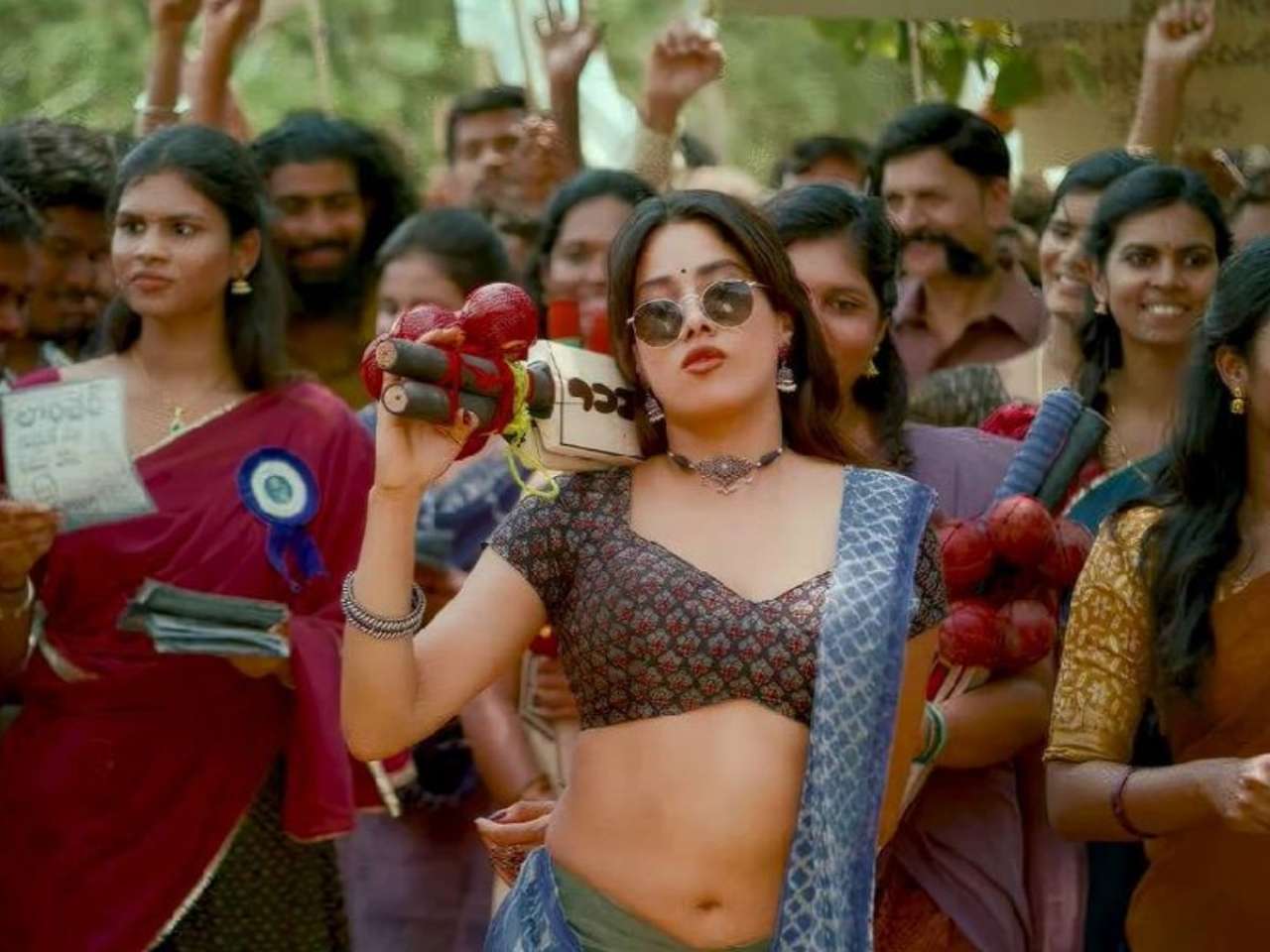
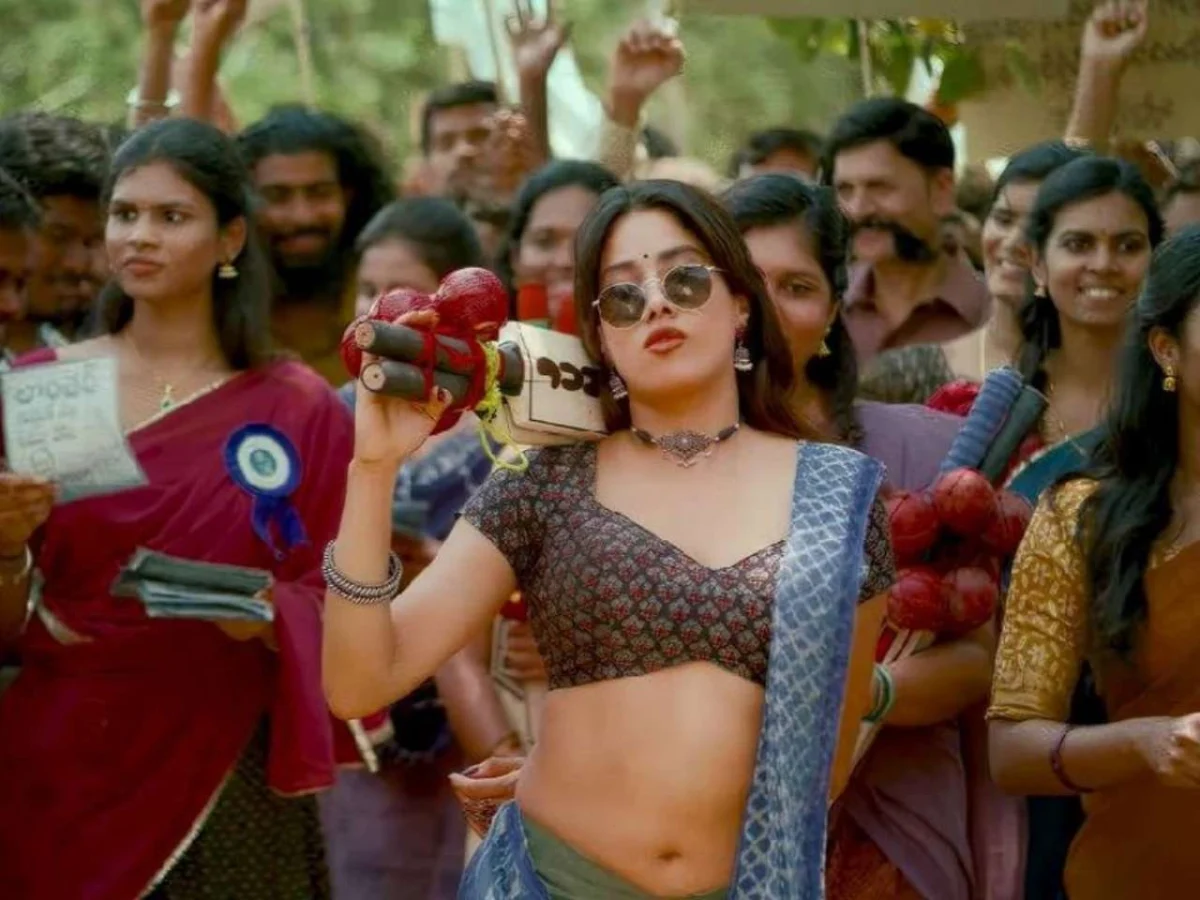
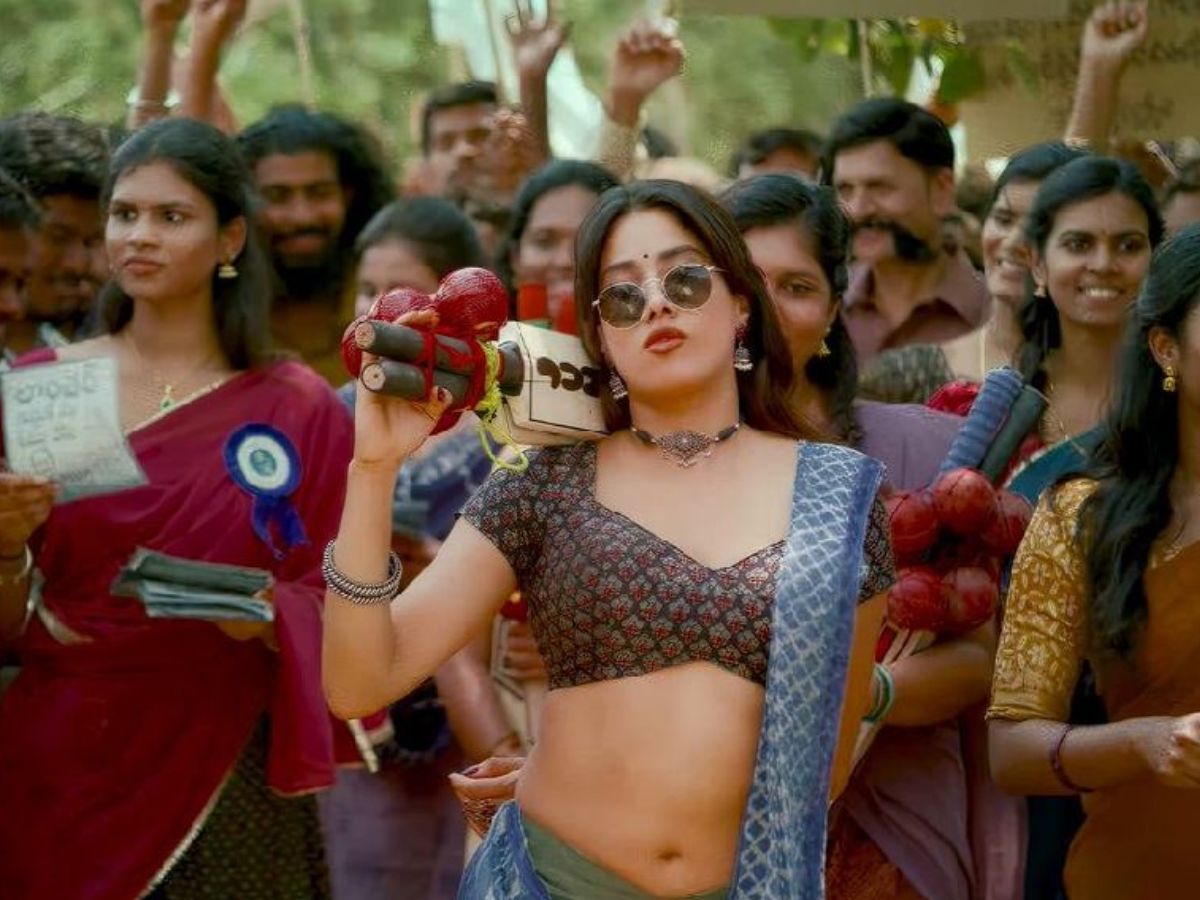
The film, starring Ram Charan and Janhvi Kapoor, has been a subject of intense debate since its premiere. While critical reception has been mixed, a significant portion of online discourse has gravitated towards the character of Achiyamma, portrayed by Kapoor. Critics and audiences alike have raised concerns about her arc, with many arguing that her character is relegated to a secondary, often visually driven, role, despite the film’s purported ambitions of tackling social justice issues.
)
The Spark: A Viral Instagram Post and a Telling "Like"
The catalyst for the renewed controversy appears to be an Instagram post by a prominent social media community known for its film reviews and analyses. The post, which has since gone viral, meticulously dissects the narrative of "Peddi," drawing a stark contrast between the development of Ram Charan’s character and that of Janhvi Kapoor’s Achiyamma.

According to the widely circulated post, while Ram Charan’s character embarks on a significant sociopolitical journey, Achiyamma’s narrative is largely confined to "visual glamour shots and stereotypical romantic scenes." The critique goes further, alleging that Kapoor herself had reportedly voiced concerns about certain scenes during the post-production phase of "Peddi." However, these scenes, the post claims, were ultimately retained in the final cut of the film, leading to the strong assertion that the film represents "the most expensive disrespect ever paid to a leading woman in Indian cinema."
)
The gravity of this statement, coupled with the implication of an actress’s potential dissatisfaction with her own portrayal, resonated widely. The subsequent discovery that Janhvi Kapoor had "liked" this very post on Instagram was quickly noticed by astute social media users. Screenshots of the "liked" post began circulating across various platforms, fueling speculation and interpretation. While Kapoor has not issued a public statement directly addressing the criticism or her social media activity, her "like" has been widely interpreted as an implicit endorsement of the sentiments expressed in the post, lending significant credibility to the critique.
)
A Deeper Dive into the Criticisms: Objectification and Narrative Imbalance
The criticisms leveled against "Peddi" are not isolated incidents but rather reflect a broader, ongoing dialogue within the Indian film industry about the treatment of female characters. The core of the objection lies in the perceived imbalance in narrative focus and character development.
)
H2: The Narrative Disparity: Achiyamma’s Limited Agency
)
The argument posits that in "Peddi," Ram Charan’s character is afforded a complex and evolving storyline, often intertwined with socio-political themes. This allows for a deeper exploration of his motivations, struggles, and growth. Conversely, Achiyamma, despite being positioned as a leading lady, is often depicted as a passive observer or a romantic interest whose primary function is to enhance the protagonist’s journey or provide aesthetic appeal. This reduction of a potentially strong female character to a supporting element, even in a film with ambitious thematic undertones, is what many find problematic.
)
H3: The Specter of Objectification: Visuals Over Substance?
)
A recurring theme in the critiques is the accusation of objectification. The post and subsequent discussions highlight instances where Achiyamma’s character is presented through a lens that prioritizes her physical appearance and conventional romantic tropes over her intellectual depth or agency. This is particularly concerning in a film that reportedly aims to engage with significant societal issues. The juxtaposition of these serious themes with what is perceived as a superficial portrayal of the female lead creates a cognitive dissonance for many viewers, leading to the conclusion that the film is inadvertently, or perhaps intentionally, objectifying its female protagonist.
)
H3: The Unaddressed Question of Consent and Exploitation
)
While the original post does not explicitly detail specific scenes involving consent issues, the broader discussion around objectification and narrative imbalance often touches upon how female characters are depicted in situations that could be interpreted as exploitative or lacking in explicit consent. When a female character’s role is primarily to serve the male protagonist’s narrative or is reduced to mere visual appeal, it can inadvertently normalize or downplay the importance of her consent and autonomy within the story. The retention of scenes that Janhvi Kapoor reportedly had concerns about further amplifies these anxieties, suggesting a potential disregard for her comfort and perspective.
)
Chronology of Controversy: From Premiere to Social Media Uproar
The controversy surrounding "Peddi" has unfolded in distinct phases, each escalating the public discourse:
)
- Film Premiere and Initial Buzz: Upon its release, "Peddi" garnered attention for its star cast and directorial ambition. Early reviews and audience reactions were varied, with some praising the performances and technical aspects, while others began to voice reservations about certain narrative choices.
- Emergence of Online Critiques: As the film settled into its theatrical run, online discussions began to coalesce around the portrayal of Janhvi Kapoor’s character, Achiyamma. Various film critics, reviewers, and social media influencers started dissecting the narrative, highlighting perceived weaknesses in the female character’s arc.
- The Viral Instagram Post: The pivotal moment arrived with the publication of the detailed critique by the Recommendation Community on Instagram. This post, with its strong assertion of "most expensive disrespect," provided a comprehensive articulation of the grievances many viewers and critics had been harboring.
- Janhvi Kapoor’s "Like": The social media world took notice when Janhvi Kapoor’s Instagram activity revealed a "like" on the aforementioned critical post. This seemingly small action carried significant weight, signaling a potential alignment of the actress with the criticisms leveled against her film.
- Widespread Circulation and Interpretation: Screenshots of the "liked" post proliferated across social media platforms, leading to widespread discussion and interpretation. News outlets and entertainment portals began reporting on the incident, framing it as a tacit admission or agreement by Kapoor.
- Amplification of Broader Debates: The incident has served as a potent catalyst, reigniting and amplifying ongoing conversations about the representation of women in Indian cinema, the ethical considerations of portraying consent, and the responsibility of filmmakers to create nuanced and empowered female characters.
Supporting Data: The Wider Context of Women in Indian Cinema
The debate surrounding "Peddi" is not an isolated incident but part of a larger, persistent conversation about gender representation in the Indian film industry. Statistics and trends from film studies and media analysis often highlight these disparities:
)
- Underrepresentation in Leading Roles: While there has been progress, women continue to be underrepresented in central and complex leading roles compared to their male counterparts. Often, female characters are designed to support the male protagonist’s narrative arc.
- Prevalence of Tropes: Common tropes that reduce female characters to romantic interests, damsels in distress, or decorative elements are frequently observed in mainstream cinema. These archetypes limit the scope for nuanced and multifaceted portrayals.
- The Bechdel Test: Many Indian films struggle to pass the Bechdel Test, a simple measure of female representation that requires a film to have at least two women in it who talk to each other about something besides a man. This suggests a systemic issue in how female relationships and dialogues are written.
- Objectification in Visuals: Studies have indicated a tendency in some Indian films to employ camera angles, framing, and narrative focus that prioritize the sexualization or objectification of female characters, often for commercial appeal, rather than for narrative necessity.
- The "Masculine Gaze": The prevalent "masculine gaze" in filmmaking often dictates how female characters are presented, framing them through the eyes of male characters or the presumed male audience, which can lead to their objectification and a lack of authentic self-representation.
Official Responses (or Lack Thereof)
As of the current reporting, there have been no official statements from the makers of "Peddi," including director Buchi Babu Sana or the production house, addressing Janhvi Kapoor’s social media activity or the specific criticisms leveled against the film’s portrayal of women. Similarly, Janhvi Kapoor herself has maintained her silence on the matter, beyond the implied endorsement through her social media "like."
)
This lack of official response is not uncommon in the immediate aftermath of such controversies. The industry often adopts a wait-and-watch approach, allowing initial reactions to subside before formulating a public stance, if one is deemed necessary. However, the silence can also be interpreted as a tacit acknowledgement or an unwillingness to engage with the criticisms.
)
Implications: Shaping the Future of Female Representation
Janhvi Kapoor’s subtle yet significant action has far-reaching implications for the ongoing dialogue about gender in Indian cinema:
- Empowering Actress Voices: By seemingly aligning with the critique, Kapoor has implicitly lent her voice to the concerns of actresses who may feel constrained by the narratives offered to them. This could embolden other actors to express their reservations or demand more substantial roles.
- Increased Scrutiny for Future Projects: This incident will undoubtedly lead to heightened scrutiny of how female characters are developed in upcoming films, particularly those featuring prominent actresses. Filmmakers may feel increased pressure to ensure that their female characters are not merely plot devices but are given agency, depth, and authentic representation.
- The Power of Social Media: The event underscores the immense power of social media as a platform for public discourse and accountability. A simple "like" can amplify a critique and spark a national conversation, influencing public opinion and potentially impacting future creative decisions.
- Re-evaluation of Cinematic Ethics: The debate forces a re-evaluation of cinematic ethics, particularly concerning the portrayal of women. Questions about consent, objectification, and the responsibility of filmmakers to present diverse and empowered female narratives are no longer fringe discussions but are now at the forefront of public consciousness.
- A Call for More Nuanced Storytelling: Ultimately, this controversy serves as a potent reminder of the need for more nuanced and respectful storytelling in Indian cinema. The industry is being challenged to move beyond stereotypical portrayals and to create characters that reflect the complexity and agency of women in society. The "like" from Janhvi Kapoor, in its quiet way, has become a powerful signal that the conversation is far from over, and that the demand for better representation is growing louder.