

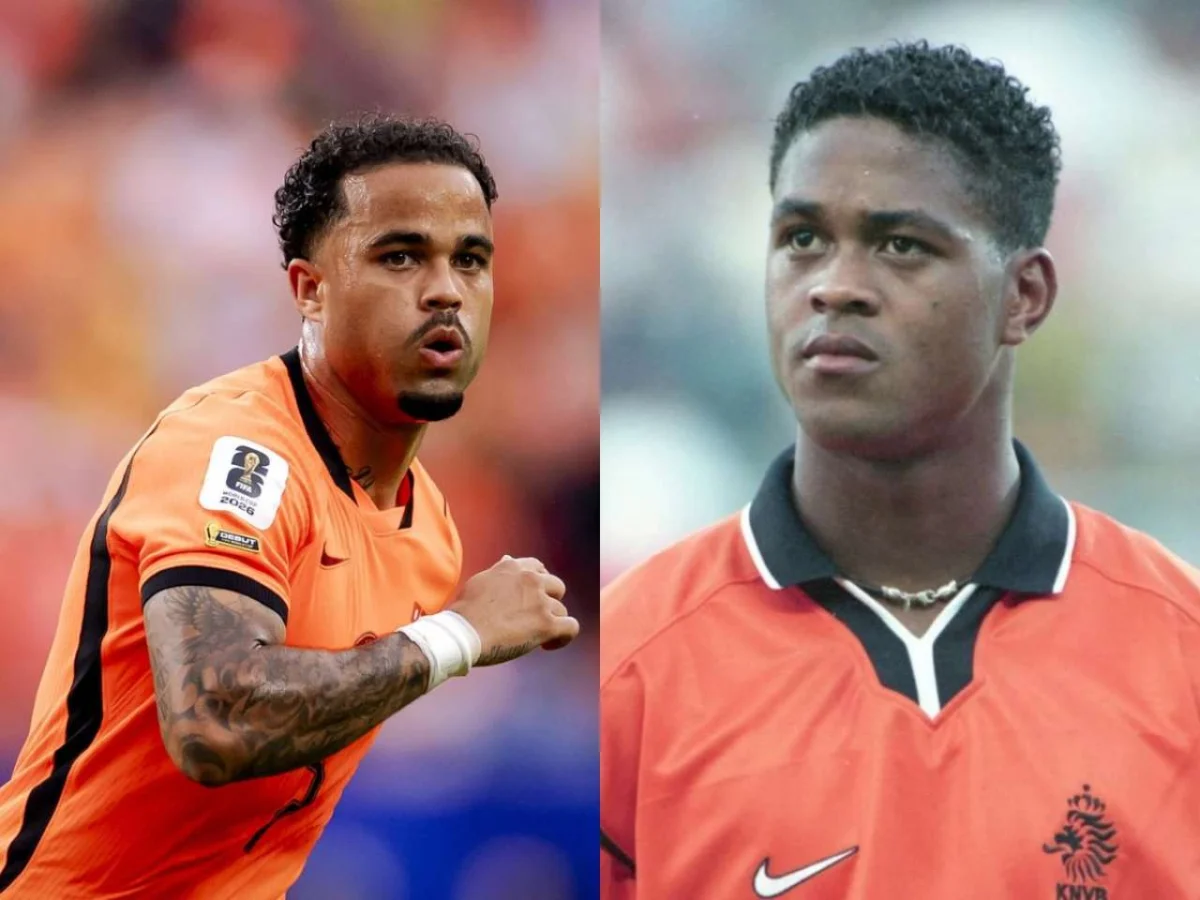
An Uncanny Echo Across Generations: Kluivert Name Etched in Dutch Penalty Agony
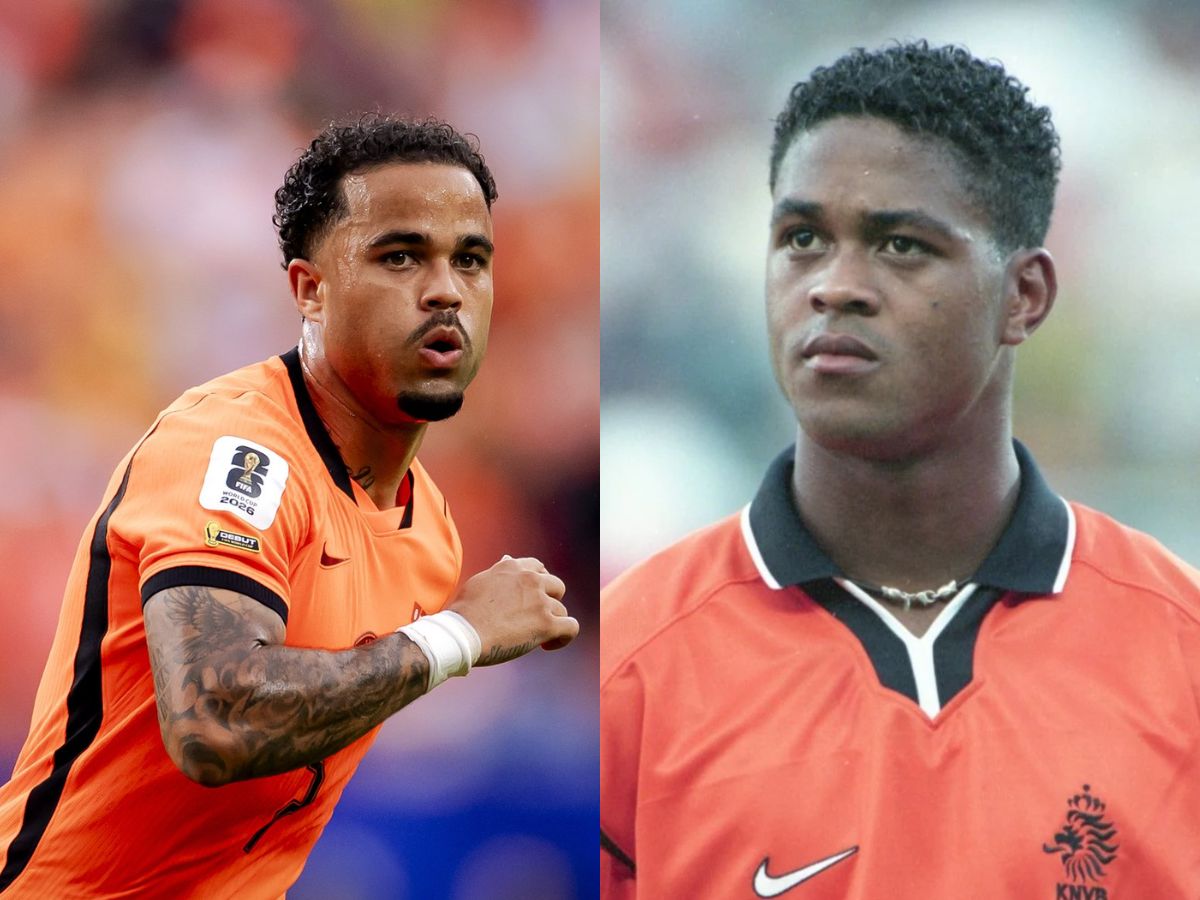
DOHA, QATAR – June 29, 2026 – Football, a sport often celebrated for its unpredictability and dramatic flair, has once again woven a narrative so improbable it defies belief. In a moment of cruel irony and an almost supernatural echo from the past, Justin Kluivert, the promising young forward for the Netherlands, missed a crucial penalty against Morocco in the FIFA World Cup 2026 Round of 32. The date? June 29, 2026. The chilling coincidence? Exactly 26 years prior, on June 29, 2000, his legendary father, Patrick Kluivert, suffered a strikingly similar fate, missing a decisive penalty for the Netherlands in the UEFA Euro 2000 semi-final against Italy.
This astonishing convergence of events has sent shockwaves through the football world, sparking conversations about fate, family legacy, and the enduring psychological weight of the penalty spot. The "Dutch Deja Vu" as it’s been dubbed, saw both father and son strike the right upright of the goal, leading to their respective national teams’ elimination from major international tournaments. For a nation perennially haunted by penalty shootout heartbreak, this latest incident adds a poignant, almost mythical chapter to their footballing folklore.
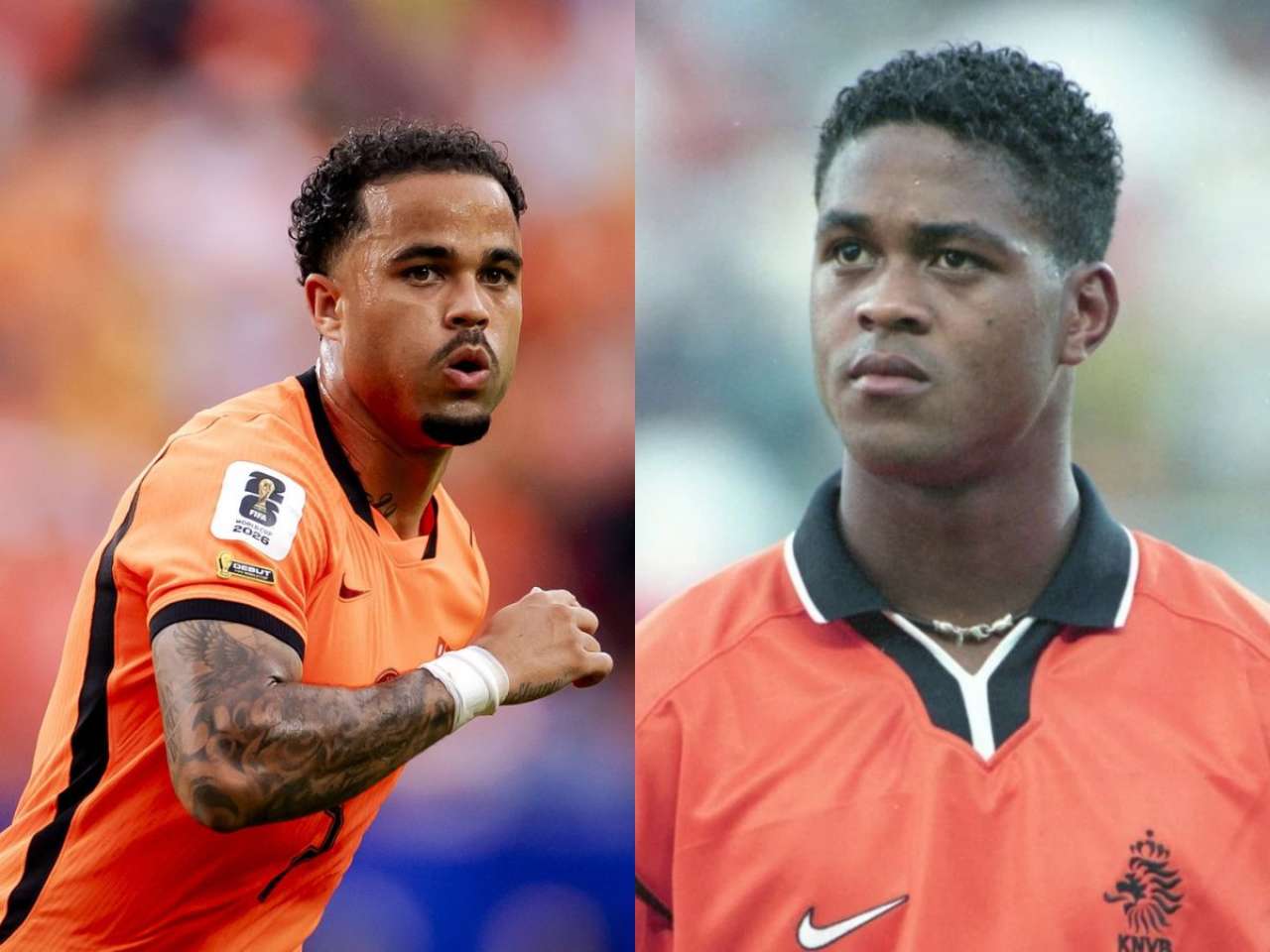
The Unbearable Weight of History: Two Penalties, Two Heartbreaks
The story of the Kluiverts is now inextricably linked not just by blood, but by a shared moment of profound sporting agony, separated by over a quarter of a century yet united by an uncanny exactitude. It is a narrative that transcends mere statistics, delving into the realm of destiny and the immense pressure placed upon those who step up to determine their nation’s fate from twelve yards.
Chronology of Coincidence: A Tale of Two Misses
To fully appreciate the depth of this extraordinary coincidence, one must delve into the specifics of both incidents, separated by time but bound by an almost identical trajectory of ball and despair.
)
June 29, 2000: Patrick Kluivert’s Euro 2000 Nightmare
The turn of the millennium found the Netherlands brimming with confidence, co-hosting UEFA Euro 2000 with Belgium. Under the astute guidance of coach Frank Rijkaard, the Oranje boasted a golden generation of talent, including Edwin van der Sar, Dennis Bergkamp, Marc Overmars, Edgar Davids, Frank de Boer, and the formidable striker, Patrick Kluivert. Expectations were sky-high, with many pundits tipping them to finally break their major tournament drought on home soil.
The semi-final clash against Italy at Amsterdam’s iconic Johan Cruyff Arena on June 29, 2000, was anticipated as a tactical battle. Italy, known for its resolute defence, saw its game plan severely disrupted early on when Gianluca Zambrotta received a red card in the 34th minute. The numerical advantage should have swung the momentum decisively in favour of the attacking Dutch.

The Netherlands were awarded two penalties in regular time, presenting golden opportunities to capitalize. The first, in the 39th minute, was taken by captain Frank de Boer, whose powerful shot was brilliantly saved by Italy’s legendary goalkeeper Francesco Toldo. The tension mounted, but the Dutch continued to press.
Then, in the 62nd minute, came the second opportunity. Patrick Kluivert, who had been a revelation throughout the tournament, leading the goal-scoring charts with five goals, stepped up. Known for his composure and clinical finishing, the Barcelona star was expected to convert. However, in a moment that would forever haunt him and Dutch football fans, Kluivert’s shot struck the inside of the right post and bounced agonizingly across the goalmouth before being cleared. The stadium, a cauldron of orange, fell into stunned silence.
)
Despite an overwhelming 30 shots on goal and 14 corners to Italy’s none, the match remained goalless after 90 minutes and through extra time. The game proceeded to a penalty shootout. In a testament to Toldo’s heroics and the Dutch’s collective struggle from the spot, Frank de Boer missed again, and Paul Bosvelt’s final miss sealed Italy’s victory, sending them to the final and the Netherlands into a familiar abyss of despair. Patrick Kluivert’s miss, though not in the shootout itself, was a defining moment of that crushing defeat, symbolizing the Oranje’s inability to seize their moment.
June 29, 2026: Justin Kluivert’s World Cup Agony
Fast forward 26 years to the FIFA World Cup 2026, co-hosted by the USA, Canada, and Mexico. The Netherlands, having navigated a challenging group stage, found themselves in the Round of 32, facing a spirited Moroccan side that had impressed throughout the tournament. The match, played in the sweltering heat of Doha, Qatar, was a tight affair, a testament to the growing global competitiveness of football.
)
Justin Kluivert, the 27-year-old winger, had carved out a respectable career for himself, following in his father’s footsteps from Ajax’s famed academy to various top European clubs like AS Roma, RB Leipzig, and a recent spell at a Premier League club. He had earned his place in the national squad through consistent performances, showcasing his blistering pace, dribbling skills, and eye for goal. While not yet reaching the stratospheric heights of his father’s prime, he was a vital component of the modern Dutch attack.
The game against Morocco was a tense, tactical battle, reflecting the high stakes of a World Cup knockout tie. Both teams traded blows, with neither able to find a decisive breakthrough in 90 minutes or extra time. The score remained 1-1 after 120 minutes, forcing the dreaded penalty shootout – a stage where Dutch football history is littered with more tears than triumphs.
)
As the shootout unfolded, the pressure was immense. With the score precariously balanced, Justin Kluivert stepped up to take what proved to be the Netherlands’ final penalty. The stadium held its breath. His run-up, his strike – it all mirrored the gravity of the moment. And then, the sickening thud. The ball rocketed towards the goal, only to strike the right upright with a resounding clang before bouncing away. The Moroccan goalkeeper had been beaten, but the post had intervened, echoing a moment from over two decades ago.
Morocco’s subsequent successful penalty secured their passage to the quarter-finals, sending the Netherlands home in agonizing fashion. Justin Kluivert stood shell-shocked, head in hands, the weight of the miss and the eerie historical parallel instantly visible on his face. The "curse" of the Dutch penalty shootout had struck again, but this time, with an almost unbelievable familial twist.
)
Supporting Data: Unpacking the Improbable Coincidence
The statistical improbability and psychological impact of this double-Kluivert penalty miss are profound, prompting widespread analysis and debate across the footballing world.
The Numbers Game: A Statistical Aberration
The sheer number of converging factors makes this coincidence truly remarkable:
)
- Exact Date: June 29.
- Exact Time Difference: 26 years to the day.
- Same Nation: Netherlands.
- Same Family: Father and son.
- Same Outcome: Elimination from a major international tournament.
- Same Method: Penalty kick miss.
- Same Trajectory: Ball striking the right upright.
The probability of such an exact recurrence, encompassing not just the date and family name but also the specific manner of the miss (hitting the right post), borders on the astronomical. It transcends mere chance, inviting speculation about fate and the cyclical nature of sporting narratives. Football statisticians and enthusiasts alike are struggling to quantify the rarity of such an event, marking it as one of the most unique coincidences in the sport’s rich history.
The Psychology of the Spot: A Dutch Affliction
The Netherlands’ history with penalty shootouts is notoriously fraught. Since the 1992 European Championship, the Oranje have lost six out of seven major tournament shootouts. This consistent failure has fostered a collective anxiety around penalties, almost a national phobia. Famous misses by Frank de Boer (multiple times), Ronald de Boer, Phillip Cocu, and now the Kluiverts, have cemented this reputation.
)
For Justin, the psychological burden would have been immense, not only carrying the hopes of a nation but also the unspoken weight of his father’s own penalty heartbreak. The pressure on a player in such a situation is already colossal; adding a historical family precedent undoubtedly amplifies it. The mental fortitude required to overcome such an inherited narrative is extraordinary. While Patrick’s miss was in regular time, the impact on the national psyche and the direct contribution to elimination are identical. The difference in timing – a World Cup shootout for Justin versus a Euro semi-final game-time penalty for Patrick – merely shifts the context, not the underlying drama or outcome.
The Kluivert Legacy: From Glory to Shared Agony
Patrick Kluivert’s career is etched in football history. A prodigious talent, he burst onto the scene with Ajax, scoring the winning goal in the 1995 Champions League final at just 18. His move to Barcelona saw him form a formidable partnership with Rivaldo and contribute significantly to their success. For the Netherlands, he amassed 40 goals in 79 caps, a record that stood for years. His Euro 2000 miss, despite his overall brilliant performance in the tournament, remained a poignant asterisk on an otherwise illustrious career.
)
Justin Kluivert, born in 1999, grew up in the shadow of this legend. His career path, while distinct, has always been compared to his father’s. Starting at Ajax, moving to Serie A, then the Premier League, he has shown flashes of brilliance, demonstrating pace, flair, and an eye for goal. This World Cup appearance was a significant milestone in his own journey to forge a unique identity.
Now, this shared moment of penalty heartbreak has added an unforeseen layer to the Kluivert legacy. It’s no longer just a story of a father’s triumphs and a son’s burgeoning career; it’s a narrative of shared vulnerability, an almost fated connection through a moment of national disappointment. It humanizes the legends, showing that even the greatest names are susceptible to the cruel whims of sport.
)
Echoes of Fate: Football’s Superstitions and Coincidences
Football is ripe with superstitions, coincidences, and moments that seem to defy logic. From the "curse of the host nation" to specific stadiums or dates holding significance, fans and players often look for patterns. The Kluivert incident, however, stands out for its specificity and familial connection. While other famous father-son duos like the Maldinis (Paolo and Cesare) or the Schmeichels (Peter and Kasper) have enjoyed success, few have shared such a distinct, emotionally charged, and eerily precise moment of failure in major international tournaments. This event will undoubtedly be discussed alongside other legendary footballing coincidences, adding to the rich tapestry of the sport’s unpredictable nature.
Official Responses: Navigating the Emotional Aftermath
The immediate aftermath of such an event is a maelstrom of emotions, requiring careful handling from all involved.
)
Justin Kluivert’s Despair and Resilience
Emerging from the locker room, Justin Kluivert was understandably distraught. In a brief, emotionally charged interview, he acknowledged the pain. "It’s a nightmare," he reportedly stated, his voice thick with emotion. "You prepare, you focus, and then… the post. And the date, of all things… it’s hard to process. My father immediately called, he understands this pain like no one else. It’s incredibly tough, but I have to believe I’ll come back stronger." His words underscored the immense personal burden and the added weight of the historical parallel. The outpouring of support from teammates and fans, both online and in person, has been crucial for him.
The Dutch Coach’s Philosophical Stance
The Netherlands’ head coach, visibly disappointed, offered words of solace and a philosophical perspective on the game’s cruelty. "Penalties are a lottery, and sometimes, fate plays a hand that is beyond explanation," the coach remarked in the post-match press conference. "Justin is a fantastic player, and he had the courage to step up. These things happen in football. The coincidence with his father… it’s an unbelievable story, a cruel one, but it doesn’t diminish Justin’s talent or commitment. We will support him, and he will learn from this." The coach emphasized the team’s collective responsibility, deflecting individual blame.
)
Patrick Kluivert’s Empathy and Support
Patrick Kluivert, watching from afar, would have relived his own torment through his son’s miss. Sources close to the family indicated that Patrick immediately reached out to Justin, offering words of comfort and shared understanding. "No father wants to see his son go through what I went through, especially not in such a similar way," Patrick reportedly conveyed. "But this is football. It’s cruel, but it also builds character. I told him to keep his head up, that this moment does not define him. It’s a shared pain now, but also a shared path to overcome it." His empathetic response highlighted the unique bond they share and the profound understanding only a parent who has walked the same path can offer.
Media and Fan Reactions: A Global Conversation
Social media exploded with reactions, oscillating between disbelief, sympathy, and historical analysis. "The Kluivert Curse" trended worldwide, with countless posts comparing videos of both misses. Journalists and pundits from across the globe weighed in, marveling at the uncanny coincidence. While some expressed sorrow for Justin, others pointed to the resilience required to overcome such a setback. The narrative of "destiny" and "fate" permeated discussions, turning a sporting event into a broader conversation about life’s inexplicable patterns.
)
Implications: A Legacy Reimagined
The Kluivert penalty coincidence is more than just a passing news item; it carries significant implications for Justin’s career, Dutch football, and the enduring power of footballing narratives.
Impact on Justin Kluivert’s Future
For Justin Kluivert, this moment will undoubtedly be a defining one. While initially devastating, how he responds will shape the rest of his career. History is replete with players who have overcome significant setbacks, including penalty misses, to achieve greatness. Roberto Baggio’s missed penalty in the 1994 World Cup final did not diminish his iconic status, nor did David Beckham’s red card in 1998 prevent him from becoming a global superstar. Justin’s mental resilience will be tested, but with the support of his family, club, and nation, he has the opportunity to turn this moment of shared agony into a catalyst for future triumphs. He may even find a unique strength in the shared experience with his father, transforming a moment of despair into a bond of understanding and motivation.
)
The Enduring "Penalty Curse" for Dutch Football
For Dutch football, this incident further entrenches the narrative of the "penalty curse." While efforts are continuously made to improve penalty-taking techniques and psychological preparation, the recurring nature of these misses in crucial moments continues to baffle and frustrate. This latest event, with its almost mystical familial connection, will only add to the lore, potentially placing even greater psychological pressure on future Dutch penalty takers. It might necessitate a deeper look into the psychological training of players, perhaps even incorporating historical context into mental preparation sessions to help players compartmentalize past failures.
A Reimagined Kluivert Legacy
The Kluivert name, already synonymous with Dutch footballing excellence, now carries an additional, poignant layer. It is a legacy of both brilliant achievement and shared, almost fated, heartbreak. This unique narrative will forever link Patrick and Justin in a way no other father-son footballing duo has been connected. It speaks to the human element of sport – the vulnerability, the pressure, and the unpredictable twists of fate that can shape lives and national memories. Their story will be told and retold, serving as a powerful reminder that even legends are not immune to the cruel hand of destiny, and that the beautiful game can sometimes be exquisitely, agonizingly poetic.
)
In the annals of football history, June 29, 2000, and June 29, 2026, will forever be etched as dates of profound Dutch disappointment, inextricably linked by the Kluivert name and the infamous right upright. It is a story that highlights not just the competitive nature of sport, but its capacity for drama, coincidence, and the creation of legacies that transcend generations.
