

New Delhi, India – In a strategic move poised to redefine India’s burgeoning digital marketplace, Flipkart, the e-commerce behemoth owned by Walmart, is deploying advanced artificial intelligence (AI) tools to unlock the latent potential of small-town Indian sellers. This ambitious initiative aims to empower its vast network of 1.4 million sellers, fostering national growth and cementing Flipkart’s market leadership ahead of a highly anticipated initial public offering (IPO).
The deployment of cutting-edge AI is not merely an operational upgrade; it represents a fundamental shift in how Flipkart engages with its seller base, particularly those in Tier II, III, and IV cities. By democratizing access to sophisticated market intelligence and operational efficiencies, Flipkart is betting big on the entrepreneurial spirit of India’s smaller towns to drive the next wave of e-commerce expansion.
Main Facts: A Paradigm Shift in Seller Empowerment
Flipkart’s AI-driven strategy is meticulously designed to address the unique challenges faced by small and medium-sized enterprises (SMEs) in non-metro regions. Historically, these businesses have struggled with limited access to market data, high operational costs, and the complexities of navigating a national marketplace. Flipkart’s AI tools are engineered to dismantle these barriers, providing real-time, actionable insights that were once the exclusive domain of larger enterprises.
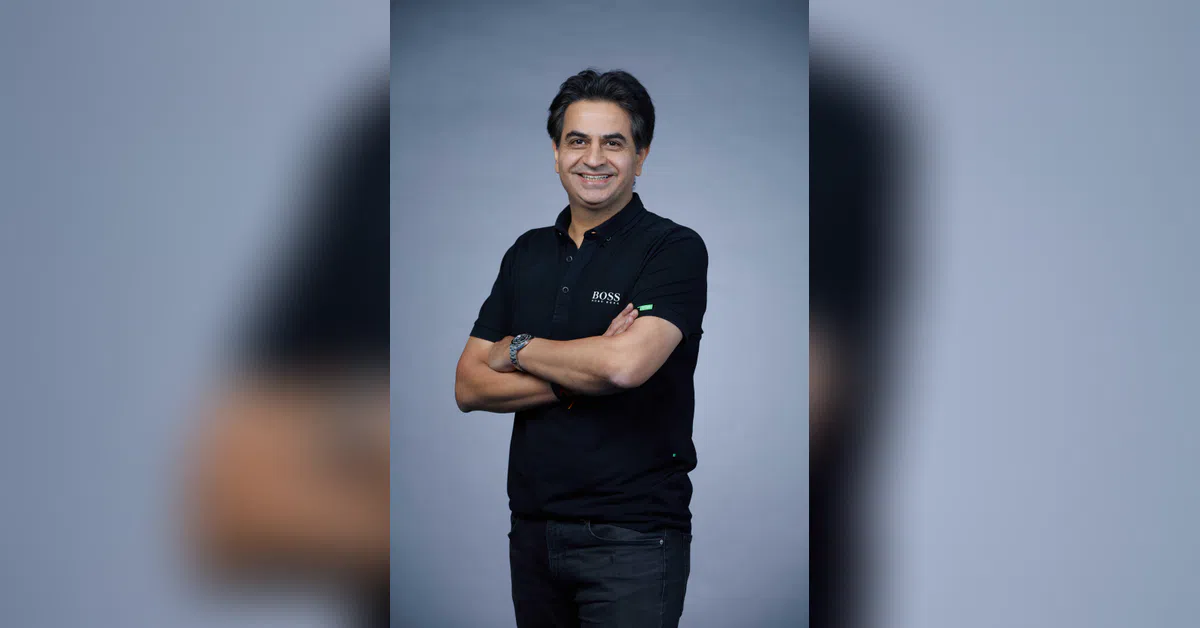
Sakait Chaudhary, Flipkart’s head of softlines, grocery, and marketplace, underscores the criticality of this technological leap. "The key differentiator will be the speed of technology adoption," Chaudhary stated, highlighting the imperative to rapidly integrate AI into the core fabric of seller operations.
The cornerstone of this initiative is a suite of AI-driven dashboards. These intuitive platforms offer real-time support in Hindi and a host of other regional Indian languages, ensuring inclusivity and ease of use for a diverse seller base. Through these dashboards, sellers gain unprecedented access to crucial business intelligence, including:
- Demand Forecasting: Predicting future consumer demand for specific products, enabling sellers to optimize production and inventory.
- Pricing Intelligence: Providing data-backed recommendations for competitive pricing strategies, maximizing profitability while remaining attractive to buyers.
- Trend Analysis: Identifying emerging market trends and popular product categories, guiding sellers on what to manufacture and stock.
Furthermore, Flipkart has introduced voice-enabled AI systems, allowing sellers to simply ask questions in their native language about production quantities, inventory management, and optimal pricing. This conversational interface drastically lowers the technological barrier, making advanced analytics accessible to even digitally nascent entrepreneurs. The immediate impact has been profound, with Chaudhary noting that such guidance has helped some businesses scale significantly "within weeks."
"Today, we are able to reach almost every seller on a real-time basis," Chaudhary affirmed. "We understand their problems and will respond to queries." This commitment to responsive, data-driven support is central to Flipkart’s vision of a truly democratized marketplace.
Chronology: The Evolution of India’s E-commerce Landscape and Flipkart’s Strategic Response
The journey towards an AI-powered seller ecosystem is rooted in the evolving dynamics of Indian e-commerce. For years, the digital retail narrative was largely dominated by metropolitan cities, where internet penetration, disposable incomes, and logistical infrastructure were most developed. However, the last decade has witnessed a profound demographic and digital shift. Increased smartphone adoption, affordable data plans, and improved logistics networks have extended the reach of e-commerce deep into India’s hinterlands.
This shift reflects a broader structural transformation within the Indian e-commerce industry, which is hurtling towards a projected market size of $250 billion by 2030, a dramatic increase from approximately $90 billion today. This staggering growth, as highlighted by a joint report from Google and Deloitte, is no longer solely fueled by urban consumers. Instead, it is increasingly driven by Tier II, III, and IV cities, where a vibrant ecosystem of first-time entrepreneurs, traditional artisans, and innovative small businesses are building "digital-first brands with national reach."
Flipkart, recognizing this seismic shift, began to strategically pivot its focus towards these underserved markets. Early initiatives involved expanding logistics networks, localizing language support, and simplifying seller onboarding processes. However, the sheer scale and diversity of these emerging markets presented a new set of challenges. Manual support systems were becoming unsustainable, and the need for personalized, scalable solutions became paramount.
This context made the integration of AI an imperative. Flipkart’s development of AI-driven dashboards and voice-enabled systems wasn’t an overnight phenomenon but an iterative process of understanding seller pain points, leveraging vast datasets, and deploying sophisticated machine learning algorithms. The goal was to translate complex market dynamics into simple, actionable advice, bridging the information gap that often stifled growth in smaller towns. The emphasis on regional languages, for instance, was a direct response to the linguistic diversity of India, ensuring that the technology served as an enabler, not a barrier. By making AI an integral part of its seller support, Flipkart positioned itself to capture the immense growth potential emanating from non-metro India, solidifying its future market position.
Supporting Data: Quantifiable Impact and Real-World Success Stories
The impact of Flipkart’s AI initiative is evident in both statistical metrics and compelling individual success stories. The platform’s advanced analytics are not just theoretical tools; they are directly translating into tangible business growth for small-town sellers.
Deep Dive into AI Functionality and Applications:
- Intelligent Market Insights: Sellers entering specific categories, such as ethnic kurtas, can now receive AI-generated insights on trending colours, fabric preferences, and anticipated demand patterns for upcoming seasons. This predictive intelligence empowers them to make informed decisions about product design, procurement, and inventory well in advance.
- Voice-Enabled Guidance: The voice-enabled systems are a game-changer for many sellers who may not be proficient in English or comfortable navigating complex digital interfaces. A seller can simply ask, "What products should I manufacture with my existing capacity?" or "When should I stock inventory for the festive season?" The AI processes these queries in regional languages, providing tailored, data-backed recommendations.
- Case Study: The Mosquito Net Entrepreneur: A striking example of the AI’s practical utility involves a seller who, leveraging the voice-enabled system, inquired about optimal product manufacturing given existing resources. The AI, analyzing historical sales data and seasonal trends, advised the seller to produce mosquito nets in anticipation of summer demand. Within approximately 45 days, the seller, mobilizing family members, successfully set up production and began selling on Flipkart. This rapid conversion of market intelligence into a viable business demonstrates the profound speed and efficiency offered by the AI tools. "Such insights are helping small sellers translate market intelligence into businesses much faster and scale more rapidly," Chaudhary observed.
Operational Simplification and Growth Acceleration:
Beyond predictive analytics, Flipkart has significantly streamlined the operational aspects of selling online. The onboarding process has been drastically simplified, allowing sellers to "upload products within seconds," a stark contrast to previous, more cumbersome procedures. Automated rate cards now comprehensively cover margins, commissions, shipping costs, and return policies, providing transparency and eliminating financial ambiguities. This operational ease has contributed to a doubling of new product selection on the platform over the last two years.
The introduction of the ‘Next Gen programme’ further exemplifies this commitment. This enhanced seller dashboard offers granular, region-wise demand trends, competitive pricing intelligence, and detailed consumer preferences. It acts as a comprehensive business intelligence hub, enabling sellers to make strategic decisions for scaling and diversifying their product portfolios.
Quantifiable Growth from Non-Metros:
The results in India’s smaller markets have been nothing short of significant:
- Tier II Markets: Sellers from Tier II cities have recorded impressive growth rates exceeding 80-85%.
- Tier III and IV Towns: Businesses in Tier III and IV towns have seen growth exceeding 40-45%.
- New Seller Acquisition: New seller additions in these non-metro markets have doubled, indicating a strong influx of new entrepreneurs onto the platform.
- Brand Growth: Brands originating from smaller cities are posting 2X-3X growth, underscoring their ability to reach a national audience.
- Overall Contribution: Approximately 30% of Flipkart’s total seller base now hails from Tier II, III, and IV markets, collectively contributing a diverse range of products to customers nationwide.
Local Level Momentum and Entrepreneurial Successes:
The impact is palpable at the local level. In Saharanpur, a town renowned for its intricate wooden handicrafts, Flipkart established a dedicated seller education hub. This initiative helped local artisans transition their traditional crafts to the online marketplace. The participating sellers witnessed an astonishing nearly 10X growth within just three months, demonstrating the immense untapped potential when technology meets traditional skills. Chaudhary noted that this broader shift reflects a trend where younger entrepreneurs in smaller towns are increasingly building businesses and creating jobs closer to home, reversing the trend of urban migration.
Individual seller success stories further underscore the effectiveness of Flipkart’s strategy:
- Orika Spices (Sonepat, Haryana): Akshita Budhiraja, co-founder of Orika Spices, has been building digital-first brands on Flipkart since 2021-22. Their Marinade Mixes and Lemonades have become customer favourites. Budhiraja credits Flipkart’s initiatives: "Flipkart’s Next Gen programme and platform-led initiatives helped us witness 5X growth since joining."
- Deyga Natural Skincare (Erode, Tamil Nadu): Arthi Raguram, founder of Deyga Natural Skincare, joined Flipkart in 2023. Her products, including Beetroot Lip Balm and Aloe Vera Gel, have quickly gained popularity. Raguram emphasized the crucial support received: "Flipkart’s marketing and seller tools, insights and analytics supported us in taking business decisions."
These narratives vividly illustrate how Flipkart’s AI and platform tools are not just driving sales but fostering entrepreneurship, preserving local crafts, and enabling small businesses to compete on a national scale.
Official Responses: Flipkart’s Vision and Commitment to the Marketplace
Flipkart’s leadership consistently articulates a clear vision for the platform’s role in India’s digital economy, especially concerning its seller community and future trajectory. Sakait Chaudhary’s statements provide invaluable insight into the company’s strategic priorities and philosophical underpinnings.
Chaudhary’s repeated emphasis on the "speed of technology adoption" as a key differentiator is a direct acknowledgement of the hyper-competitive nature of the Indian e-commerce market. In a landscape populated by formidable rivals like Amazon, Reliance’s JioMart, and Tata Group’s digital commerce platforms, Flipkart recognizes that technological agility and superior execution are paramount. The AI initiatives are, therefore, not just about seller empowerment but also about reinforcing Flipkart’s competitive edge, particularly its deep penetration and established presence in non-metro markets.
His assurances that Flipkart can "reach almost every seller on a real-time basis" and "understand their problems and will respond to queries" highlight a commitment to a truly inclusive and responsive marketplace. This goes beyond mere technical support; it signifies a partnership approach where Flipkart leverages its data and AI capabilities to proactively guide and assist its sellers, fostering a symbiotic relationship built on mutual growth. The focus on regional languages is a practical manifestation of this commitment, ensuring that technology serves all segments of the seller population without creating linguistic barriers.
Looking ahead, with an IPO potentially on the horizon for the next year, some industry observers have raised questions about whether a public listing might alter the marketplace’s operational ethos or impose increased pressure on sellers. Chaudhary, however, unequivocally describes the IPO as a "milestone rather than a strategic shift." He firmly asserts that the company’s core focus on seller technology, its expansion into smaller towns, and its unwavering support for entrepreneurs will remain unchanged. "IPO does not change our focus on democratising the marketplace," he declared, reinforcing Flipkart’s foundational commitment. This statement aims to allay any concerns among the seller community, signaling that the company’s long-term strategy is deeply intertwined with the success and growth of its diverse seller base, regardless of its ownership structure. The IPO, in this context, is presented as a validation of this successful strategy rather than a catalyst for deviation.
The testimonials from sellers like Akshita Budhiraja of Orika Spices and Arthi Raguram of Deyga Natural Skincare serve as powerful endorsements of Flipkart’s initiatives. Their direct quotes, attributing significant growth (5X for Orika Spices) and crucial business decision support to Flipkart’s programmes and tools, validate the effectiveness of the AI-driven approach from the ground up. These official responses collectively paint a picture of a company deeply invested in its ecosystem, leveraging technology to foster inclusive growth and sustain its competitive advantage.
Implications: A New Era for Indian E-commerce and Economic Growth
Flipkart’s aggressive AI deployment for small-town sellers carries profound implications, not only for the company itself but for the broader Indian economy and the future trajectory of its burgeoning e-commerce sector.
Economic Empowerment and Job Creation:
The most significant implication is the potential for widespread economic empowerment. By enabling small businesses and artisans in Tier II, III, and IV cities to access national markets, Flipkart is directly contributing to local job creation and wealth generation. The success stories from Saharanpur, Sonepat, and Erode are micro-examples of a macro trend where digital platforms are catalyzing entrepreneurship in regions traditionally outside the mainstream economic narrative. This decentralization of economic opportunity helps stem rural-to-urban migration, allowing individuals to build livelihoods closer to their communities and cultural roots. The Google and Deloitte report’s projection of a 30-35% increase in profitability through AI-driven streamlining is a powerful indicator of the economic upliftment this strategy can bring.
Shaping the Future of Indian E-commerce:
This initiative is a blueprint for the future of e-commerce in India. As internet penetration deepens and digital literacy improves across the country, the demand for personalized, localized, and inclusive online shopping experiences will only grow. Flipkart’s focus on regional languages and voice-enabled AI positions it at the forefront of this evolution, demonstrating how technology can bridge cultural and linguistic divides to create a truly national marketplace. The rise of "digital-first brands" from smaller cities, nurtured by platforms like Flipkart, will diversify the product landscape, offering consumers unique goods and fostering a more vibrant competitive environment.
Competitive Dynamics:
In a fiercely contested market, Flipkart’s AI strategy sharpens its competitive edge against formidable rivals such as Amazon, Reliance’s JioMart, and Tata Group’s digital commerce platforms. Flipkart’s argument that its advantage lies in "execution speed and an entrenched presence in non-metros" is significantly bolstered by its AI tools. These tools allow Flipkart to scale personalized support in a way that would be impossible with human intervention alone, rapidly onboarding and nurturing sellers in these critical growth markets. By creating a loyal and thriving seller base in non-metros, Flipkart builds a robust moat against competitors who may struggle to replicate such deep, technologically facilitated engagement.
Challenges and Future Considerations:
While the outlook is overwhelmingly positive, certain considerations remain pertinent. The ongoing challenge of digital literacy in some remote areas, despite voice-enabled AI, will require continued investment in seller education and support. Furthermore, maintaining the quality and scalability of AI-driven insights as the seller base continues to explode will be a continuous test for Flipkart’s technological infrastructure. Ethical considerations surrounding data privacy and algorithmic bias, while not explicitly mentioned in the company’s statements, are inherent to any large-scale AI deployment and will require diligent management.
The IPO Context:
The impending IPO provides a powerful financial context for this strategy. By showcasing a thriving, AI-powered seller ecosystem that is driving significant growth from India’s heartland, Flipkart presents a compelling narrative to potential investors. It demonstrates not just current market leadership but a sustainable, scalable business model deeply integrated with the future economic trajectory of India. The AI initiatives are, therefore, critical assets that underscore Flipkart’s long-term value proposition and its potential for continued, robust expansion in the world’s fastest-growing major economy. The IPO will serve as a global stage to highlight how technology can transform local entrepreneurship into national success.
In conclusion, Flipkart’s AI-driven revolution is more than a technological upgrade; it is a strategic investment in the future of Indian commerce, leveraging the power of artificial intelligence to unlock opportunities for millions and redefine the landscape of digital retail for years to come.
