

NEW DELHI, August 22, 2026 – The global smartphone market is bracing for a substantial contraction in 2026, with overall shipments projected to plummet by a staggering 14.3% year-on-year. This downturn, primarily driven by escalating component costs, a scarcity of lower-priced devices, and dwindling consumer affordability, is expected to fundamentally reshape the competitive landscape. In a significant shift, industry forecasts by Counterpoint Research indicate that Samsung is poised to emerge as the leading global smartphone player in 2026, even as Apple anticipates a temporary decline in its shipments.
The anticipated market recalibration signals a challenging period for manufacturers worldwide, necessitating strategic adjustments in pricing, product portfolios, and market focus. While premium segments are expected to demonstrate greater resilience, the mass market is projected to bear the brunt of the economic pressures, compelling vendors to innovate and consolidate resources to navigate the turbulent waters ahead.
Main Facts: A Challenging Horizon for Smartphone Shipments
The smartphone industry, a cornerstone of global technology and consumer electronics, is entering a period of significant uncertainty. Counterpoint Research’s latest projections paint a sobering picture for 2026, forecasting a double-digit decline in global shipments. This contraction is not merely a blip but a reflection of deeper economic and supply chain pressures that have been building over time.
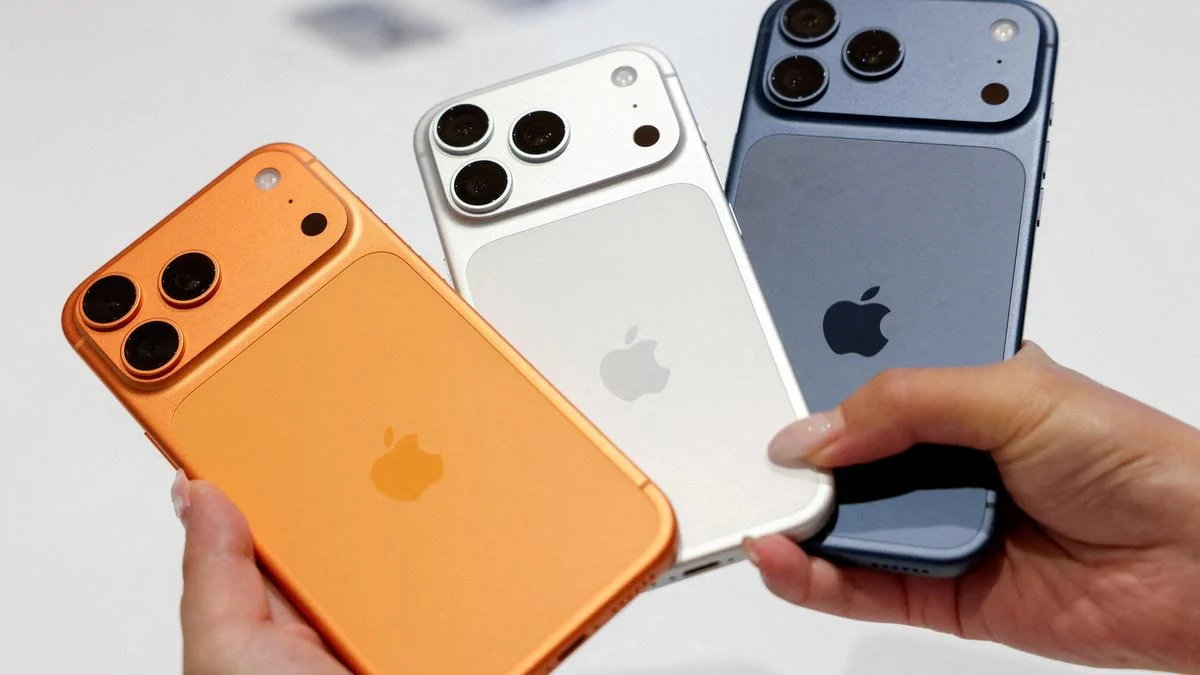
Apple, a perennial titan in the premium smartphone segment, is not immune to these market forces. Its shipments are expected to decline by approximately 2.1% in 2026. This dip, though relatively modest compared to the broader market, represents a rare stumble for the Cupertino giant. Despite this, Apple is expected to remain comparatively resilient, largely owing to the sustained strong demand for its iPhone 17 series. However, the future trajectory will be closely tied to the strategic decisions surrounding its upcoming product cycles.
In stark contrast, Samsung, Apple’s fiercest competitor, is projected to defy the market’s downward trend. The South Korean conglomerate is expected to see its smartphone shipments grow by approximately 0.8% in 2026. This anticipated growth, even in a contracting market, underscores Samsung’s strategic advantages, including its expansive geographic footprint, robust supply chain, and reliable access to critical memory and semiconductor components. These factors are expected to solidify Samsung’s position, propelling it to the forefront as the leading global smartphone player in 2026.
The challenges are not uniform across the industry. Leading Chinese smartphone manufacturers, heavily reliant on price-sensitive consumers and mid-range device portfolios, are forecast to experience substantially greater pressure. Shipments for several major Chinese OEMs are predicted to decline sharply, ranging from 15% to an alarming 34% in 2026, reflecting their exposure to emerging markets where economic vulnerabilities are more pronounced.
The underlying causes of this global decline are multifaceted. Soaring component costs, particularly for mobile memory and chipsets, are inflating the bill of materials for manufacturers. Simultaneously, a reduced availability of lower-priced devices, often a consequence of manufacturers scaling back less profitable models, combined with a weakening in consumer purchasing power, is dampening overall demand. This confluence of factors is creating a perfect storm for the industry, necessitating a fundamental reassessment of strategies and market approaches.
Chronology: Forecasting the Future of Smartphone Evolution
The journey through the latter half of the 2020s for the smartphone market is anticipated to be a roller coaster of declines, stabilization, and eventual recovery, punctuated by technological advancements and strategic realignments.
2026: The Year of Significant Contraction
The immediate future, 2026, is projected to be the most challenging year in this forecast period. Counterpoint Research predicts an overall global smartphone market decline of 14.3% year-on-year. This substantial contraction is attributed to the compounding effects of heightened component costs and a widespread erosion of consumer affordability. For Apple, this year is expected to see a 2.1% decline in shipments. However, this dip is anticipated to be cushioned by the continued strong performance of the iPhone 17 series, which entered the market with significant consumer appeal. A pivotal development in 2026 is the anticipated entry of Apple into the nascent foldable smartphone market, with its first foldable device potentially launching in Q3 2026. This move could inject a new dynamic into the premium segment, intensifying competition with established players like Samsung. Conversely, Samsung is expected to navigate these headwinds with remarkable resilience, forecasting a modest 0.8% growth in shipments, driven by its diversified portfolio and robust supply chain. Chinese OEMs, however, face a more arduous path, with declines ranging from 15% to 34% as they grapple with exposure to price-sensitive markets.
2027: Lingering Headwinds and Early Signs of Stability
The market conditions are expected to remain challenging into 2027, albeit with a slightly less severe contraction. Global smartphone shipments are forecast to decline by a further 1.4%. While this indicates continued pressure, it also suggests a deceleration in the rate of decline, hinting at an impending stabilization. Apple is projected to return to growth in 2027, with shipments increasing by approximately 2.8%. This recovery could be contingent on several factors, including the performance of the iPhone 18 series, potential adjustments in pricing strategies, and the successful integration of its foldable device into its ecosystem. The research firm also points to potential changes in the timing of Pro and base-model introductions across the 2026 and 2027 product cycles as factors that could influence quarterly demand and channel inventory. For some leading Chinese OEMs, 2027 may bring a return to modest growth, signaling the effectiveness of their restructuring efforts and market adaptations. However, others may continue to experience declines as they work through inventory issues, portfolio adjustments, and persistent weak demand.
2028 and Beyond: The Dawn of Recovery and New Tech Cycles
A stronger and more widespread market recovery is forecast for 2028. Global smartphone shipments are expected to grow by approximately 4.8%. This resurgence is anticipated as component availability improves, retail pricing stabilizes, and consumer purchases, which were postponed during the challenging years of 2026 and 2027, finally materialize. This recovery is likely to favor larger manufacturers, who are inherently better positioned to secure critical components, manage financing through downturns, and maintain extensive distribution networks.
Looking further ahead, the latter part of the decade is expected to be characterized by incremental upgrade cycles driven by new technological innovations. While foldables and on-device Artificial Intelligence (AI) are expected to significantly support product differentiation and premiumization, they are not predicted to ignite a broad "shipment supercycle" akin to the early smartphone boom. Instead, their impact will be more focused on enhancing user experience and driving value in the high-end segments. Toward the end of the decade, the wider commercialization of 6G-capable devices is anticipated to provide another significant catalyst for an upgrade cycle, helping the market gradually move back toward the robust shipment levels typically recorded during 2024 and 2025, before the current downturn. This long-term outlook underscores the cyclical nature of the technology market, with innovation consistently serving as the engine for renewed growth.
Supporting Data: Unpacking Market Dynamics and Strategic Responses
The projected market decline is rooted in several critical factors that are exerting pressure across the entire smartphone ecosystem. Understanding these dynamics is key to comprehending the strategic shifts manufacturers are undertaking.
The Weight of Component Costs
At the forefront of the challenges are escalating component costs, identified as a primary driver of the impending market contraction. Mobile memory modules remain the most significant constraint, with their pricing adding considerable pressure. Similarly, higher chipset prices are impacting devices across all segments – premium, mid-range, and legacy product platforms. This surge in component expenses directly affects the manufacturers’ bill of materials, forcing difficult decisions regarding pricing and profitability. For lower-priced devices, where component costs constitute a larger proportion of the overall production cost, the impact is most severe. Manufacturers have less margin to absorb these increases, making it increasingly difficult to offer affordable options without compromising profitability.
Consumer Affordability and Demand Erosion
The rise in production costs inevitably translates into higher retail prices for smartphones. This, coupled with broader macroeconomic factors such as inflation, stagnant wages, and economic uncertainties in key markets, is eroding consumer affordability. Many consumers are either delaying upgrades or opting for more budget-friendly alternatives, if available. The reduced availability of lower-priced devices, a direct consequence of manufacturers scaling back less profitable models, further exacerbates this issue, leaving a gap in the market for entry-level and mid-range segments. This creates a vicious cycle: higher costs lead to higher prices, which dampen demand, leading to lower shipments.

The Divergent Paths of Premium vs. Mass Market
One of the most notable trends during this downturn is the bifurcation of market performance between premium and mass-market segments. The premium segment is expected to continue its strong performance, demonstrating remarkable resilience. Consumers in this segment are typically less price-sensitive and prioritize cutting-edge technology, brand prestige, and advanced features. They are willing to invest in high-end devices, thereby insulating this segment from the broader market contraction. Flagship devices from Apple and Samsung, known for their innovation and ecosystem integration, are expected to continue attracting affluent buyers.
Conversely, the mass market segments are bearing the brunt of the market retreat. These segments, which historically represent the largest volume drivers, are highly sensitive to price increases and economic fluctuations. The combination of higher device prices and reduced consumer purchasing power is significantly impacting demand here, leading to substantial shipment declines.
Geographic and OEM-Specific Pressures
The impact of these market conditions is not evenly distributed across manufacturers or regions. Leading Chinese smartphone manufacturers are forecast to experience substantially greater shipment pressure. Their business models are often heavily exposed to price-sensitive consumers in emerging markets, where economic conditions are more volatile. Furthermore, their device portfolios tend to be concentrated in the mid-range segment, which is currently facing the most significant squeeze from rising component costs and diminishing affordability. The projected decline of 15% to 34% in 2026 for several major Chinese OEMs underscores the severity of these challenges and highlights the urgent need for strategic reorientation.
Manufacturer Responses and Strategic Adjustments
In response to these formidable challenges, manufacturers are adopting a range of strategic measures to mitigate the impact and maintain profitability:
- Price Increases: Many vendors are forced to raise retail prices to offset higher component costs, especially for new models.
- Portfolio Rationalization: Manufacturers are reducing the number of lower-margin configurations and discontinuing products that can no longer meet profitability targets. This leads to a more focused product lineup, often emphasizing higher-margin devices.
- Resource Concentration: Companies are concentrating their resources behind fewer products and prioritizing key markets where they have stronger competitive advantages or higher profit potential.
- Cost Optimization: To control costs, some vendors are opting to reduce memory configurations in certain models or utilize older, more cost-effective processor platforms. This allows them to offer devices at more competitive price points without completely sacrificing profitability.
- Inventory Management: Efficient inventory management becomes paramount during a downturn to avoid accumulating unsold stock, which can tie up capital and lead to further price reductions.
- Supply Chain Resilience: Manufacturers with diversified supply chains and robust relationships with component suppliers, like Samsung, are better positioned to secure necessary parts and manage price fluctuations, providing a significant competitive edge.
These responses collectively aim to navigate the immediate economic pressures, even if it means sacrificing market share in less profitable segments.
Official Responses: Counterpoint Research’s Authoritative Outlook
The insights and projections underpinning this analysis originate from Counterpoint Research, a reputable global industry analysis firm specializing in technology, media, and telecom products. Their assessments offer a detailed, forward-looking perspective on the smartphone market’s trajectory.
Counterpoint’s analysts explicitly state that "possible higher launch pricing of the iPhone 18 series, and changes to the timing of Pro and base-model introductions across the 2026 and 2027 product cycles could affect quarterly demand and channel inventory." This highlights the critical role of Apple’s pricing strategy and product launch cadence in determining its short-term performance and market share. The firm also expresses optimism regarding Apple’s potential entry into the foldable segment, noting that "Apple may launch their first foldable smartphone in Q3 2026." This strategic diversification into an emerging form factor is seen as a key move to maintain Apple’s premium positioning and potentially capture new market segments.
Regarding the broader market, Counterpoint emphasizes that "market conditions are expected to remain challenging in 2027, with shipments forecast to decline by a further 1.4% before a stronger recovery begins in 2028." This underscores the prolonged nature of the current downturn, advising manufacturers to prepare for a sustained period of pressure. The research firm also pinpoints key bottlenecks, stating that "mobile memory remains the most significant constraint, while higher chipset prices are adding pressure across premium, mid-range and legacy product platforms." This specific identification of memory and chipset pricing as primary drivers of increased component costs provides critical detail for industry stakeholders.
Furthermore, Counterpoint’s analysis confirms the uneven impact across market segments: "Premium segment is likely to continue its strong performance, while the mass market segments bear the brunt of the market retreat." This differentiation is crucial for understanding where manufacturers should focus their efforts and investments during this period of transition. The firm’s detailed forecasts for Chinese OEMs, predicting substantial declines, further underscore the vulnerability of segments heavily reliant on price-sensitive consumers and mid-range devices. These official statements from Counterpoint Research serve as a guiding framework for understanding the complexities and future direction of the global smartphone market.
Implications: Reshaping the Smartphone Industry Landscape
The projected downturn and subsequent recovery will have profound implications for the global smartphone industry, leading to strategic shifts, consolidation, and a renewed focus on innovation and efficiency.
Industry Consolidation and Market Leadership
The challenging market conditions are expected to accelerate industry consolidation. Smaller, less resilient manufacturers may struggle to absorb rising costs and declining demand, potentially leading to exits or acquisitions. The recovery in 2028 is explicitly forecast to favor "the largest manufacturers, which are better positioned to secure components, manage financing and maintain distribution through the downturn." This suggests an increasing concentration of market power among a few dominant players, with Samsung’s anticipated rise to global leadership in 2026 serving as a prime example of this dynamic. Their extensive global presence, robust supply chain, and financial strength provide a significant buffer against market volatility.
The Enduring Importance of the Premium Segment
The resilience of the premium segment throughout this downturn reinforces its strategic importance. For companies like Apple and Samsung, maintaining leadership and innovation in this segment will be crucial for profitability and brand strength. The focus will likely intensify on delivering cutting-edge features, superior user experiences, and robust ecosystem integration to justify premium pricing and attract affluent consumers. This trend may also drive a ‘premiumization’ strategy across the board, where even mid-range devices adopt some premium features to enhance perceived value.
Innovation as a Differentiator, Not a Supercycle Driver
Emerging technologies such as foldables and on-device Artificial Intelligence (AI) are expected to play a critical role in product differentiation and premiumization. Apple’s anticipated entry into the foldable market in 2026 signals a belief in the long-term potential of this form factor. Foldables offer a novel user experience, while on-device AI promises enhanced personalization, efficiency, and new functionalities. However, Counterpoint Research cautions that these innovations, while significant, are "not expected to create a broad shipment supercycle." Their impact will likely be more granular, driving upgrades within specific segments rather than triggering a widespread surge in demand across all price points. Manufacturers will need to articulate the tangible benefits of these technologies to consumers effectively.
Long-Term Recovery and the Role of Next-Gen Connectivity
The forecasted recovery in 2028 and beyond is predicated on improved component availability, stabilized retail pricing, and the realization of deferred purchases. This suggests a return to more normalized market dynamics after a period of intense adjustment. Looking further into the decade, the wider commercialization of 6G-capable devices is identified as a key driver for an incremental upgrade cycle. As networks evolve and new applications emerge that leverage the ultra-high speeds and low latency of 6G, consumers will have compelling reasons to upgrade their devices. This will help the market regain momentum and move back toward the shipment levels observed in the more buoyant years of 2024 and 2025.
In conclusion, the global smartphone market is at a pivotal juncture. While the immediate future presents significant challenges, particularly for mass-market segments and certain regional players, the industry is demonstrating adaptability through strategic adjustments. The emphasis on supply chain resilience, premium segment focus, and measured innovation in areas like foldables and AI will define success in the coming years. The anticipated shift in market leadership, with Samsung ascendant and Apple navigating a temporary decline, underscores a dynamic and evolving competitive landscape that promises a strong recovery fueled by technological advancements in the latter half of the decade.
