

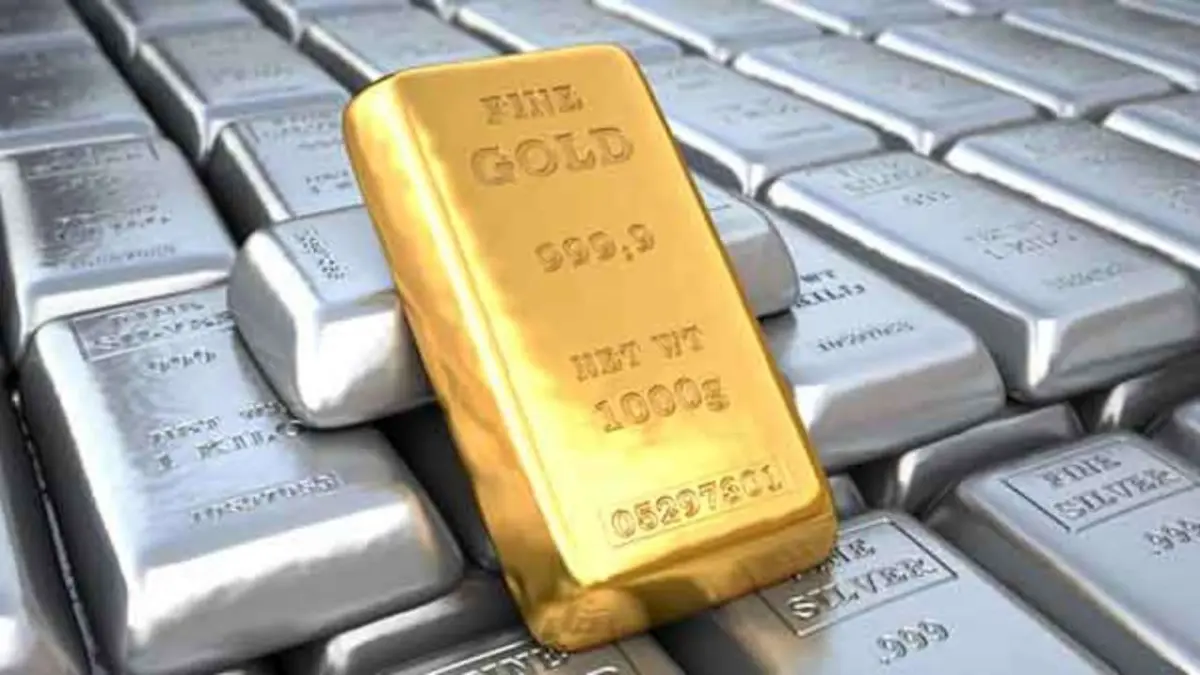
Mumbai, India – October 10, 2026 – India’s precious metals markets are navigating a complex landscape of global economic trends, robust domestic demand, and fluctuating currency valuations, resulting in a notable upward movement for both gold and silver prices as of today. Investors and consumers alike are closely monitoring these dynamics, which are shaping the financial outlook for the festive season and beyond.
Main Facts: Precious Metals Witness Modest Gains
As the global economy continues to recalibrate, the prices of gold and silver in India have registered a slight but significant increase this Friday, October 10, 2026. The benchmark price for 24-carat gold (999 purity) stands at an average of Rs 14,923 per gram, while 22-carat gold, widely favored for jewellery, is priced at Rs 13,679 per gram. Silver, often referred to as the ‘poor man’s gold’, has also seen its value climb, with 999 pure silver retailing at approximately Rs 2,34,900 per kilogram, and Silver 925 (sterling silver) at Rs 2,34,000 per kilogram.
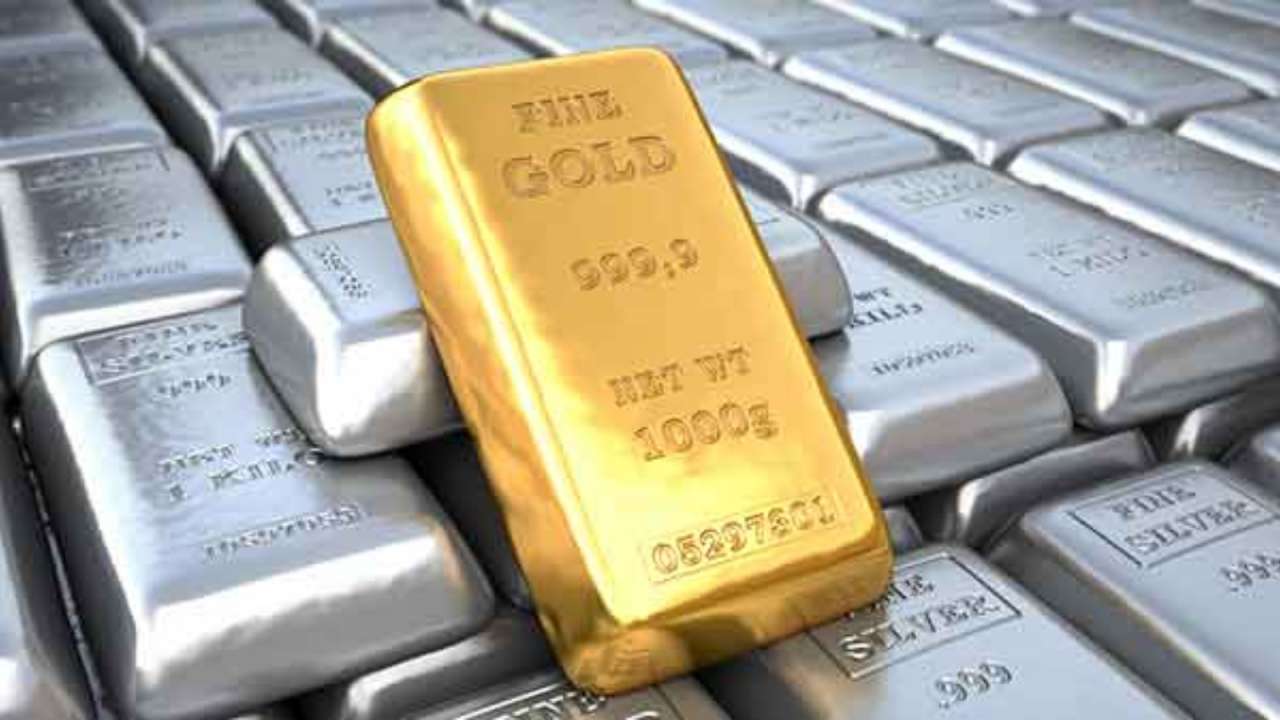
This uptick in prices is primarily attributed to a confluence of factors, including persistent global inflationary pressures, a renewed appetite for safe-haven assets amidst geopolitical uncertainties, and a steady depreciation of the Indian Rupee against the US Dollar. Domestically, the approaching festive season, typically marked by heightened demand for traditional jewellery and investment, is also providing significant impetus to market sentiment. While the broader market shows a general trend, regional variations in pricing persist, influenced by local taxes, transportation costs, and specific market dynamics.
Chronology: Tracing the Ascent of Precious Metals in 2026
The current price trajectory of gold and silver on October 10, 2026, is not an isolated event but rather the culmination of several months of evolving market forces. The year 2026 began with a cautious optimism in global markets, yet this sentiment was quickly tempered by persistent inflation data emanating from major economies, notably the United States and the Eurozone. Central banks, including the US Federal Reserve and the Reserve Bank of India (RBI), have been engaged in a delicate balancing act, attempting to curb inflation without stifling economic growth. Their policy decisions, particularly on interest rates, have been a significant driver of precious metal prices throughout the year.
)
Early 2026: Gold initially saw some headwinds as aggressive interest rate hikes by central banks made interest-bearing assets more attractive, increasing the opportunity cost of holding non-yielding gold. Silver, with its dual role as an industrial metal and a precious metal, experienced volatility, tied to both manufacturing output data and investment flows.
Mid-2026: As the year progressed into its second and third quarters, concerns over a potential global economic slowdown began to surface. Geopolitical tensions in various regions escalated, leading to increased risk aversion among investors. This period saw a resurgence in demand for gold as a traditional safe-haven asset, prompting a steady upward trend in its value. Silver, too, benefited from this renewed interest in precious metals, though its industrial demand component sometimes created divergent movements. The Indian Rupee, facing external pressures, began a gradual depreciation against the US Dollar, making imports of precious metals more expensive and thus contributing to higher local prices.

Late 2026 (Leading to October): The run-up to October has been characterized by sustained inflationary pressures globally, reinforced by supply chain disruptions and elevated energy prices. This environment has solidified gold’s appeal as an inflation hedge. Domestically, the anticipation of major Indian festivals like Diwali and the wedding season has begun to fuel pre-emptive buying, further tightening supply and pushing prices higher. This sustained demand, coupled with global uncertainties, has set the stage for the current price levels observed today. The slight increase seen on October 10 is a continuation of this broader trend, signaling robust market confidence in precious metals.
Supporting Data: A Detailed Breakdown of Today’s Rates and Influencing Factors
The current precious metal prices in India are a complex interplay of international benchmarks, currency exchange rates, and localized supply-demand dynamics.
)
Gold Prices on October 10, 2026: An In-Depth Look
Today, the price of gold reflects a carefully calculated response to a multitude of market forces. The average price of 24K gold (999 pure) across India is Rs 14,923 per gram, while 22K gold (91.67% pure), the standard for most Indian jewellery, is available at Rs 13,679 per gram.
City-Wise Gold Rates Today (Source: Good Returns):
)
- Gold prices in Delhi:
- 24K Gold: Rs 14,940 per gram
- 22K Gold: Rs 13,694 per gram
- Gold prices in Mumbai:
- 24K Gold: Rs 14,923 per gram
- 22K Gold: Rs 13,679 per gram
- Gold prices in Kolkata:
- 24K Gold: Rs 14,923 per gram
- 22K Gold: Rs 13,679 per gram
- Gold prices in Chennai:
- 24K Gold: Rs 14,923 per gram
- 22K Gold: Rs 13,679 per gram
The marginal variations in city-wise prices, particularly noticeable in Delhi, can be attributed to local taxes (like GST), transportation costs from import hubs, and the operational overheads of regional jewellers. Different state governments may levy varying duties or cess, contributing to these slight differentials.
Key Factors Influencing Gold Prices:
)
- International Gold Price (COMEX & LBMA): Gold is a globally traded commodity, with benchmarks set by major exchanges like COMEX (New York) and the London Bullion Market Association (LBMA). Any significant movement in these international prices, driven by global supply and demand, investor sentiment, or macroeconomic data, directly impacts Indian prices.
- US Dollar Exchange Rate (USD-INR): As India imports a substantial portion of its gold, the exchange rate between the Indian Rupee and the US Dollar is critical. A weaker Rupee makes gold imports more expensive in local currency terms, pushing up domestic prices. Conversely, a stronger Rupee could lead to lower prices.
- Inflationary Pressures: Gold is traditionally viewed as a hedge against inflation. When inflation rises, the purchasing power of fiat currencies erodes, making tangible assets like gold more attractive to investors seeking to preserve wealth.
- Interest Rates: The opportunity cost of holding gold is influenced by prevailing interest rates. When interest rates on bonds and other fixed-income instruments rise, gold, which offers no yield, can become less attractive. However, in an environment of negative real interest rates (where inflation outpaces nominal interest rates), gold’s appeal can strengthen.
- Geopolitical Stability: In times of political instability, economic uncertainty, or global crises, investors often flock to gold as a safe-haven asset, driving up its price.
- Domestic Jewellery Demand: India’s cultural affinity for gold, especially during weddings and festivals, creates robust domestic demand. The upcoming festive season is a prime example of how this internal demand significantly influences pricing.
- Government Policies: Import duties, taxes, and other regulatory changes imposed by the Indian government can also directly impact the landed cost of gold and, consequently, its retail price.
Silver Prices on October 10, 2026: Market Dynamics and Outlook
Silver, while sharing some characteristics with gold as a precious metal, has a unique demand profile due to its extensive industrial applications. Today, the price of 999 pure silver is approximately Rs 2,349 per 10 grams, translating to Rs 2,34,900 per kilogram. For Silver 925 (sterling silver), popular in jewellery and artifacts, the rate is Rs 2,34,000 per kilogram.
City-Wise Silver Rates Today (Source: Good Returns):
)
- Silver price in Delhi: Rs 2349 per 10 grams
- Silver price in Mumbai: Rs 2349 per 10 grams
- Silver price in Kolkata: Rs 2349 per 10 grams
- Silver price in Chennai: Rs 2399 per 10 grams
Chennai’s slightly higher silver price often reflects a stronger regional demand for silver ornaments and industrial use in southern India, coupled with specific local market factors.
Key Factors Influencing Silver Prices:
)
- Industrial Demand: Unlike gold, a significant portion of silver’s demand comes from industrial applications, including electronics, solar panels, medical devices, and photography. Economic growth and technological advancements, therefore, heavily influence silver prices.
- Investment Demand: Silver is often considered a more accessible entry point for precious metals investment compared to gold. It appeals to a broader range of investors, often dubbed "poor man’s gold," and benefits from overall bullish sentiment towards precious metals.
- Global Supply: Silver mining output and recycling rates play a crucial role in its supply side. Disruptions in mining operations or significant changes in recycling volumes can impact prices.
- Gold-Silver Ratio: This ratio, indicating how many ounces of silver are needed to buy one ounce of gold, is a key indicator for many investors. Historically, when the ratio is high, silver is considered undervalued relative to gold, potentially signaling a buying opportunity.
- Currency Fluctuations: Similar to gold, silver prices in India are sensitive to the Rupee-Dollar exchange rate, as a significant portion is imported.
- Speculative Trading: Due to its volatility and dual nature, silver attracts considerable speculative trading, which can lead to sharp price movements.
Official Responses: Expert Commentary and Market Outlook
Market experts are closely analyzing these trends, offering insights into the current movements and future prospects for precious metals.
Dr. Alok Sharma, Chief Economist at Horizon Financial Advisory, commented on the broader macroeconomic landscape: "The persistent inflationary environment globally, particularly in developed economies, is a primary catalyst for the current strength in gold prices. Central banks are in a difficult position, and while rate hikes aim to cool inflation, the underlying structural issues – from supply chain vulnerabilities to geopolitical energy shocks – continue to fuel demand for traditional inflation hedges like gold. We foresee this trend continuing as long as inflation remains sticky."
)
Ms. Priya Singh, a Senior Precious Metals Analyst at Zenith Investments, highlighted the investment perspective: "Gold remains an indispensable component of a diversified investment portfolio, especially in periods of heightened uncertainty. Its role as a safe haven is once again being underscored. For silver, its industrial demand component offers an additional layer of complexity and potential upside. With the global push towards renewable energy, particularly solar power, silver’s industrial consumption is expected to grow steadily, providing a strong fundamental floor to its price."
Addressing the domestic market, Mr. Rajesh Kumar, President of the All India Jewellers’ Association, expressed optimism: "The festive season, commencing soon, always brings a surge in demand for gold and silver jewellery. Despite the higher prices, the cultural significance and investment value attached to these metals ensure continued consumer interest. We anticipate robust sales, particularly for 22K gold, as families prepare for weddings and celebrations. The slight increase in prices might lead some consumers to purchase lighter weight jewellery or opt for silver, but overall demand remains strong."
)
On the currency front, Mr. Vikram Mehta, Head of Forex Strategy at Capital FX Solutions, noted: "The Indian Rupee has been under pressure from a strengthening US Dollar, driven by aggressive monetary tightening by the Federal Reserve and elevated global crude oil prices. This depreciation directly translates into higher landed costs for gold and silver imports, contributing to the elevated domestic prices. While the RBI is actively managing volatility, external factors continue to dictate the Rupee’s trajectory, which will, in turn, influence precious metal prices in India."
Looking ahead, market participants generally predict continued support for precious metal prices, especially gold, through the end of 2026. However, any significant shift in global interest rate policies, a de-escalation of geopolitical tensions, or a stronger-than-expected recovery of the Rupee could introduce headwinds.
)
Implications: What Today’s Prices Mean for Consumers and Investors
The current elevated prices of gold and silver carry significant implications for various stakeholders in the Indian economy.
For Consumers:
- Festive Season Purchases: For families planning weddings or festive jewellery purchases, the higher prices mean a larger outlay. Consumers might consider adjusting their budgets, opting for lighter designs, or exploring options like hallmarked 18K gold or certified diamond jewellery, which can offer alternative value propositions. Silver, being more affordable, might see an increased preference for gifting and traditional adornments.
- Investment vs. Consumption: For many Indian households, gold is both an investment and a consumption item. The rising prices reinforce its investment appeal, but for pure consumption, it necessitates careful financial planning.
- Trust in Hallmarking: With increased value, the importance of purchasing hallmarked gold and silver (BIS hallmark) from trusted jewellers becomes paramount to ensure purity and fair pricing.
For Investors:
- Portfolio Diversification: The performance of gold and silver in the face of inflation and market volatility underscores their role as crucial portfolio diversifiers. Investors looking to hedge against economic uncertainties may continue to allocate a portion of their assets to precious metals.
- Long-Term Outlook: While short-term fluctuations are inevitable, many analysts maintain a bullish long-term outlook for gold and silver, citing their intrinsic value, limited supply, and increasing industrial demand (for silver).
- Investment Avenues: Investors have various options, including physical gold/silver (coins, bars), Gold Exchange Traded Funds (ETFs), Sovereign Gold Bonds (SGBs) issued by the government, and digital gold. Each avenue offers different benefits in terms of liquidity, storage, and tax implications. SGBs, for instance, offer an annual interest payment in addition to capital appreciation, making them an attractive option for long-term investors.
- Monitoring Global Cues: Prudent investors will continue to monitor global economic indicators, central bank policies, and geopolitical developments, as these will significantly influence the trajectory of precious metal prices.
For the Indian Economy:
- Import Bill: As a major importer of gold, India’s import bill can swell with higher international prices and a weaker Rupee, potentially impacting the country’s trade deficit and current account balance.
- Smuggling Concerns: Elevated domestic prices, especially when coupled with high import duties, can sometimes incentivize illegal smuggling, posing challenges for enforcement agencies.
- Financial Market Stability: The stability of precious metal prices, particularly gold, can serve as an indicator of broader financial market confidence and economic health.
Future Outlook and Key Watchpoints:
The trajectory of gold and silver prices in the coming months will largely depend on a few critical factors:
)
- Inflationary Trends: Whether global inflation cools down or remains stubbornly high will be the most significant determinant.
- Central Bank Policies: Future interest rate decisions by the US Federal Reserve and the Reserve Bank of India will play a crucial role. Any dovish pivot could be highly bullish for gold.
- Geopolitical Developments: Escalations or de-escalations of global conflicts will continue to sway safe-haven demand.
- USD Strength: The performance of the US Dollar against major currencies, including the Indian Rupee, will directly impact import costs.
- Industrial Demand for Silver: Data on global manufacturing, particularly in green technologies, will be key for silver’s performance.
As of October 10, 2026, the precious metals market in India stands at an interesting juncture, reflecting global economic shifts while catering to robust domestic demand. Both consumers and investors are advised to stay informed and consult financial experts to make well-considered decisions in this dynamic environment.
