

PERSONAL FINANCE
New Delhi, India – October 10, 2026 – The intricate dance of global economic forces, nuanced local demand, and fluctuating currency exchange rates continues to orchestrate the daily movements of gold and silver prices across India. As the nation steps deeper into its vibrant festive season, the allure of these precious metals remains undiminished, drawing both investors seeking safe havens and consumers celebrating traditions. This comprehensive report delves into the current valuations of gold and silver as of October 10, 2026, meticulously dissecting the multifaceted factors at play and offering an outlook for stakeholders.
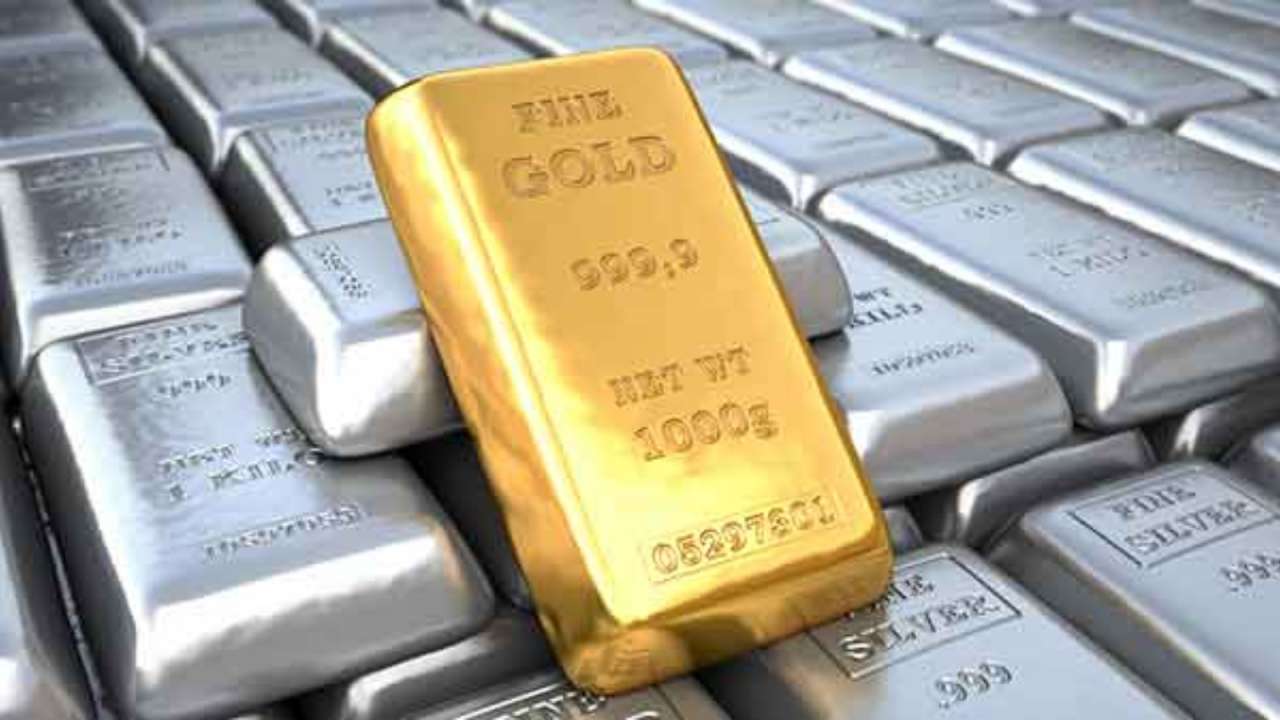
Main Facts: India’s Precious Metals Market on October 10, 2026
The Indian bullion market today presents a snapshot of resilience and cautious optimism, with both gold and silver exhibiting responses to a complex interplay of international and domestic catalysts. Investors and consumers alike are keenly observing these trends, understanding that the value of these age-old assets is now more than ever tied to the pulse of the global economy.
Gold Prices Witness Slight Uptick Amid Global Headwinds
As of October 10, 2026, gold prices in India have registered a marginal increase, a direct reflection of persistent global inflationary pressures and a renewed emphasis on safe-haven assets amidst lingering economic uncertainties worldwide. The yellow metal, revered for its intrinsic value and historical role as a store of wealth, continues to attract demand.
)
Nationally, the price of 24-carat gold (999 purity) stands at Rs 14,923 per gram. For those looking at jewellery, the 22-carat gold (91.67% pure), which is the standard for most Indian ornaments, is priced at Rs 13,679 per gram. These figures underscore a steady valuation, influenced significantly by the international gold price benchmarks, the prevailing strength or weakness of the US Dollar against the Indian Rupee, and the burgeoning domestic demand fueled by India’s festive and wedding seasons.
Across major Indian metropolises, minor variations are observable, reflecting localized supply-demand dynamics and regional taxation structures. In Delhi, 24K gold is priced at Rs 14,940 per gram and 22K gold at Rs 13,694 per gram. Meanwhile, Mumbai, Kolkata, and Chennai share a common rate of Rs 14,923 per gram for 24K gold and Rs 13,679 per gram for 22K gold, illustrating the interconnectedness of India’s major bullion hubs despite slight regional nuances.

Silver Holds Steady, Driven by Industrial and Investment Demand
Silver, often referred to as the "poor man’s gold," is also experiencing a robust market today. Its valuation is being buoyed by a dual demand — both as a precious metal for investment and jewellery, and crucially, as an indispensable industrial commodity.
On October 10, 2026, the price of 999 pure silver in India is approximately Rs 2,34,900 per kilogram. For sterling silver (925 purity), a popular choice for intricate jewellery and silverware, the rate is Rs 2,34,000 per kilogram. These prices highlight silver’s growing prominence, not just as an affordable alternative to gold, but as a metal critical to burgeoning green technologies and electronics.
)
The global markets play an exceptionally significant role in determining silver’s trajectory, given its substantial industrial applications. Fluctuations in manufacturing output, particularly in sectors like solar energy, electric vehicles, and 5G technology, directly translate into price movements.
City-wise, the price of 999 pure silver per 10 grams is largely consistent across many major cities. Delhi, Mumbai, and Kolkata all report a price of Rs 2,349 per 10 grams. Chennai, however, shows a slight premium at Rs 2,399 per 10 grams, indicative of regional demand patterns and possibly higher operational costs or local taxes.
)
Chronology of Price Movements: A Look Back at Q3 2026 and Early Q4
Understanding today’s prices requires a glance into the recent past, tracing the influences that have shaped the bullion market over the preceding months. The third quarter of 2026 and the initial days of October have been marked by a blend of global economic adjustments and predictable seasonal demand.
Gold’s Journey: Navigating Economic Crosscurrents
The latter half of 2026 has seen gold prices react sensitively to a series of global economic data releases and geopolitical developments. Through Q3 (July-September), gold demonstrated a pattern of consolidation, punctuated by periods of modest gains and minor corrections.
)
- July 2026: Began with gold prices firming up as inflation concerns resurfaced in major economies, prompting investors to seek out traditional hedges. Central bank rhetoric, particularly from the US Federal Reserve and the European Central Bank, hinting at a prolonged period of higher interest rates to combat inflation, initially put some downward pressure on non-yielding assets like gold. However, the underlying uncertainty about global growth prospects often provided a floor.
- August 2026: Witnessed a slight softening in gold as stronger-than-expected economic data from the US briefly bolstered the dollar and cooled immediate safe-haven demand. Yet, escalating geopolitical tensions in certain regions of Eastern Europe and the Middle East quickly reignited interest in gold, leading to a recovery by month-end. Indian festive demand, ahead of Ganesh Chaturthi, also started to contribute to a domestic price premium.
- September 2026: Gold prices largely held steady, showing resilience even as the US Dollar strengthened against a basket of currencies. This period saw a significant accumulation by central banks globally, reinforcing gold’s role as a reserve asset. Domestically, the onset of the wedding season and preparations for Durga Puja and Diwali began to noticeably push up demand, preventing any substantial price dips.
- Early October 2026: The first week of October saw gold making slight gains, largely influenced by renewed concerns over global economic slowdowns and continued inflationary pressures in key economies. The consistent demand from India, driven by the ongoing festive fervour, provided a strong localized impetus, leading to the current slight uptick observed on October 10th.
This chronological overview highlights gold’s dual nature: a global commodity reacting to macroeconomic signals and a culturally significant asset whose demand in India often defies global trends during specific periods.
Silver’s Volatility: A Tale of Dual Demand
Silver’s price trajectory in Q3 2026 and early Q4 has been characterized by higher volatility compared to gold, a common trait owing to its significant industrial component. Its movements have been a tug-of-war between its role as a precious metal and its demand from manufacturing sectors.
)
- July 2026: Silver started the quarter with strong momentum, primarily driven by optimistic forecasts for renewable energy expansion and increased production in the electronics sector. Industrial applications, particularly in solar panel manufacturing and electric vehicle batteries, saw robust demand, pushing prices upward.
- August 2026: Experienced a correction as global manufacturing Purchasing Managers’ Index (PMI) data showed some signs of slowing, leading to concerns about future industrial demand. However, investment demand, tracking gold’s performance, provided some support, preventing a steeper fall.
- September 2026: Silver rebounded strongly. Reports of significant government investments in green infrastructure projects globally reignited industrial demand. Simultaneously, as gold consolidated, some investors diversified into silver, viewing it as an undervalued asset with high growth potential. The Indian festive season, though primarily gold-focused, also saw a consistent uptick in silver ornament purchases, particularly in certain regions.
- Early October 2026: The positive sentiment from September largely carried over, with silver prices maintaining a healthy level. Continued industrial expansion in key sectors, coupled with sustained investment interest, has kept silver’s valuation firm, leading to the prices observed today. The slightly higher volatility of silver also makes it an attractive asset for speculative trading, further contributing to its dynamic price movements.
Supporting Data and Market Dynamics
The current prices of gold and silver are not isolated figures but are products of a complex web of interconnected global and domestic factors. A deeper dive into these dynamics provides a clearer picture of the market’s underlying mechanics.
The Global Tapestry: International Influences on Indian Prices
India, as one of the largest consumers of precious metals, is inextricably linked to global market trends.
)
- US Dollar Exchange Rate (USD-INR): One of the most critical factors. Gold and silver are internationally priced in US Dollars. When the US Dollar strengthens against the Indian Rupee, it makes imports of these metals more expensive for Indian buyers, even if the international dollar price remains stable. Conversely, a weakening dollar makes them cheaper. The current USD-INR exchange rate (hypothetically around 83-84 INR/USD) plays a significant role in determining the landed cost of bullion in India.
- Global Commodity Markets (COMEX & LBMA): The New York Mercantile Exchange (COMEX) and the London Bullion Market Association (LBMA) set the global benchmarks for gold and silver. Price movements on these platforms, influenced by macroeconomic indicators, geopolitical events, and investor sentiment in major financial centers, directly translate into Indian prices, adjusted for currency and local duties.
- Central Bank Monetary Policies: Decisions by major central banks (like the US Federal Reserve, European Central Bank, Bank of Japan) regarding interest rates and quantitative easing/tightening profoundly impact the appeal of precious metals. Higher interest rates typically increase the opportunity cost of holding non-yielding assets like gold and silver, potentially making them less attractive. However, in an environment of high inflation, gold often benefits from its role as an inflation hedge, even with higher rates. In 2026, many central banks are still navigating the tightrope of controlling inflation without stifling economic growth, leading to cautious and data-dependent policies that keep the bullion market on edge.
- Inflationary Pressures: Gold is traditionally seen as a hedge against inflation. In 2026, despite central bank efforts, inflation remains a persistent concern in many economies. This ongoing inflationary environment encourages investors to allocate a portion of their portfolios to gold, driving up demand and consequently, prices. Silver, too, benefits from this sentiment, albeit with its industrial demand often being the primary driver.
- Geopolitical Stability: Global uncertainties, be they conflicts, trade wars, or political instability, often trigger a flight to safety, with investors flocking to gold. While specific major crises might not be unfolding on October 10, 2026, underlying geopolitical tensions contribute to a baseline level of safe-haven demand.
Domestic Factors: The Indian Equation
While global factors set the broad price direction, India’s unique market characteristics introduce specific dynamics.
- Local Demand – The Festive and Wedding Season: India’s cultural affinity for gold and silver is unparalleled. The current period, leading up to Diwali, Dhanteras, and the peak winter wedding season, traditionally sees a massive surge in demand for jewellery and investment-grade bullion. Gold is considered auspicious for gifts and as a vital component of a bride’s trousseau, making demand relatively inelastic during these times, often allowing for local price premiums. Silver, too, sees increased demand for religious ceremonies and gifting.
- Import Duties and Government Policies: The Indian government has historically used import duties to manage gold inflows and curb the current account deficit. Any changes in these duties directly impact the landed cost of gold and silver, thereby influencing domestic prices. Policies aimed at promoting formal gold monetization schemes or regulating jewellery hallmarking also play a role in shaping market dynamics and consumer trust.
- Economic Growth and Disposable Income: A robust Indian economy and rising disposable incomes empower consumers to invest more in precious metals. Conversely, economic slowdowns or job market uncertainties can temper demand. In 2026, India’s economic growth trajectory, while strong, faces global headwinds, creating a nuanced impact on consumer spending patterns for luxury goods and investments.
- Investment vs. Jewellery Demand: The Indian market sees a significant portion of gold and silver purchased for adornment and cultural reasons, but investment demand through physical bullion, Sovereign Gold Bonds (SGBs), and Gold Exchange Traded Funds (ETFs) is steadily growing. The balance between these two types of demand can influence price sensitivity. For example, during a price dip, investment demand might surge more rapidly than jewellery demand.
City-Wise Price Discrepancies: A Closer Look
The slight variations in gold and silver prices across major Indian cities are not arbitrary but stem from several localized factors:
)
- Local Taxes and Levies: Different states may have varying Goods and Services Tax (GST) implementations or local levies that add to the final price.
- Transportation Costs: The cost of transporting bullion from import hubs to inland cities can introduce minor price differences.
- Regional Demand Patterns: Specific cultural practices or preferences in certain regions can lead to higher or lower demand, impacting local pricing. For instance, Southern India historically has a stronger affinity for gold, which can influence prices in cities like Chennai.
- Bullion Dealer Associations: Local associations of jewellers and bullion dealers often play a role in setting daily rates, which might slightly diverge from national averages.
These factors explain why Delhi might have a slightly higher gold price compared to Mumbai, Kolkata, and Chennai, or why Chennai’s silver price shows a premium today.
Official Responses and Expert Outlook
The volatility and significance of precious metals necessitate constant monitoring and occasional intervention from official bodies, alongside expert analysis guiding market participants.
)
Government Stance on Precious Metals Trade
The Indian government, through the Ministry of Finance and the Reserve Bank of India (RBI), maintains a vigilant stance on the precious metals market. While no specific new policies were announced today, the overarching objective remains:
- Managing Gold Imports: To ensure that gold imports do not unduly strain the current account deficit, while still meeting legitimate domestic demand. The government continues to explore measures to formalize the gold trade and reduce reliance on informal channels.
- Promoting Formal Investment Avenues: The RBI’s Sovereign Gold Bond (SGB) scheme and efforts to popularize gold ETFs are ongoing initiatives to channel investment into non-physical forms of gold, reducing the need for physical imports.
- Curbing Illegal Trade: Continuous efforts are made to crack down on gold smuggling, which can distort market prices and deprive the exchequer of revenue.
Official statements often emphasize responsible investment and the importance of transparent transactions, especially during peak demand periods.
)
Analyst Projections and Market Sentiment
Market analysts generally maintain a cautious yet optimistic outlook for precious metals in the medium term, particularly for gold.
- Gold Outlook: "In the current macroeconomic environment, gold’s appeal as a safe-haven asset is likely to persist," states Dr. Anjali Sharma, Head of Commodity Research at Zenith Capital. "With inflation proving stickier than anticipated in several major economies, and central banks potentially nearing the end of their aggressive tightening cycles, real interest rates might not rise significantly enough to dampen gold’s allure. We anticipate gold prices to trade within a strong range, with potential for further upside if global economic uncertainties escalate or if the US Dollar weakens." Analysts from firms like Good Returns also echo this sentiment, highlighting the Rs 15,000 per gram mark for 24K gold as a key resistance level in the short term, with strong support around Rs 14,500.
- Silver Outlook: "Silver’s performance will largely be a function of two intertwined factors: industrial demand and its correlation with gold," comments Mr. Rohan Mehta, Senior Analyst at Bullion Insights India. "The push towards green energy and technological advancements provides a robust floor for silver prices. However, its higher volatility means investors must be prepared for sharper swings. We project sustained industrial demand, especially from the solar and EV sectors, which could push silver towards new highs by early 2027, provided global manufacturing output remains healthy." The market sentiment for silver is generally bullish, but with an acknowledgement of its inherent price sensitivity to economic data.
Bullion Dealers’ Perspectives
Leading Indian jewellers and bullion dealers report robust demand for both gold and silver, especially with the festive season in full swing.
)
"The market sentiment is quite strong," says Mr. Suresh Jain, President of the All India Jewellers Association. "Consumers are not just buying for immediate needs but also viewing gold as a long-term investment, particularly with the current inflationary environment. We are seeing steady footfall, and while prices have seen a slight increase, it hasn’t deterred buyers who consider this an auspicious time to purchase."
On silver, Ms. Priya Singh, a prominent Chennai-based jeweller, notes, "Silver ornaments and articles are flying off the shelves. There’s a particular surge in demand for intricate silver jewellery, especially in South India, and for silver coins and idols for religious ceremonies. The slight price difference in Chennai today is likely due to strong local demand and specific design preferences."
)
Implications for Investors and Consumers
The current market conditions and future outlook for gold and silver carry significant implications for various stakeholders, from individual consumers to seasoned investors.
Strategic Investment Considerations
For investors, precious metals offer unique benefits within a diversified portfolio:
)
- Gold as a Portfolio Diversifier: Gold’s historical tendency to move inversely or independently of other asset classes like equities and bonds makes it an excellent diversifier, especially during periods of market turmoil. Its inclusion can reduce overall portfolio volatility.
- Hedging Against Economic Uncertainty: In an era marked by geopolitical instability, trade disputes, and inflationary pressures, gold serves as a reliable hedge against economic uncertainty and currency devaluation.
- Investment Avenues: Investors have multiple options:
- Physical Gold: Coins and bars offer tangible ownership, but come with storage and insurance costs.
- Sovereign Gold Bonds (SGBs): Issued by the RBI, SGBs offer market-linked returns, an additional interest payment, and are free from capital gains tax upon maturity. They eliminate storage risks and purity concerns.
- Gold ETFs: Exchange-Traded Funds backed by physical gold offer liquidity and ease of trading, similar to stocks.
- Digital Gold: Allows for small investments, often through online platforms, without the need for physical custody.
- Silver’s Dual Role: Investors in silver benefit from its precious metal status and its critical industrial applications. However, silver typically exhibits higher volatility than gold, offering greater potential for gains but also higher risks. Its industrial demand makes it more susceptible to global economic slowdowns but also positions it for significant growth with technological advancements.
Consumer Purchasing Decisions
For consumers, particularly in India, purchasing gold and silver is often intertwined with cultural and emotional significance.
- Timing Purchases: While festive demand often leads to slight price premiums, consumers can monitor global trends and local factors to make informed decisions. Minor dips in international prices or a strengthening Rupee could present better buying opportunities.
- Checking Purity and Making Charges: Always insist on BIS hallmark for gold jewellery to ensure purity. Understand making charges, which can significantly add to the overall cost. For silver, look for 925 purity for sterling silver and 999 for investment-grade bullion.
- Reputable Dealers: Always purchase from trusted and certified jewellers and bullion dealers to ensure authenticity and fair pricing.
- Understanding Daily Fluctuations: Awareness of the factors driving daily price changes can help consumers appreciate the market dynamics rather than being surprised by minor shifts.
Future Outlook and Key Indicators to Watch
Looking ahead, the precious metals market will continue to be influenced by several critical indicators:
)
- Global Inflation Data: Any significant changes in inflation rates in major economies will directly impact the appeal of gold as an inflation hedge.
- Central Bank Monetary Policy: Future interest rate decisions and forward guidance from central banks will be crucial for determining the opportunity cost of holding non-yielding assets.
- US Dollar Index (DXY): The strength or weakness of the US Dollar against other major currencies will continue to be a primary driver of international gold and silver prices.
- Geopolitical Developments: Any escalation of conflicts or significant political instability will likely trigger safe-haven buying.
- Industrial Output and Green Technology Adoption: For silver, data related to manufacturing PMI, solar panel installations, and EV production will be vital indicators of industrial demand.
- Indian Monsoon Performance and Rural Demand: A good monsoon often translates to higher agricultural income, boosting rural demand for gold and silver, which forms a significant portion of the Indian market.
- Government Budget Announcements: Future government policies regarding import duties, taxes, and schemes for precious metals will have a direct bearing on domestic prices.
In conclusion, as India navigates its festive season, the prices of gold and silver on October 10, 2026, reflect a market carefully balancing global economic pressures with robust domestic demand. For both investors and consumers, an informed approach, coupled with an understanding of these complex dynamics, will be key to making strategic decisions in the evolving landscape of precious metals.
Find your daily dose of All Latest News including Sports News, Entertainment News, Lifestyle News, explainers & more. Stay updated, Stay informed- Follow DNA on WhatsApp.
