

Introduction: The Biological Cost of a Changing Climate
When a cyclone ravages a coastline or a flash flood tears through a mountain valley, the immediate devastation is quantified in concrete and steel: collapsed bridges, inundated highways, and the skeletal remains of homes. However, as the waters recede and the headlines fade, a far more insidious and persistent threat begins to emerge. This "invisible aftermath" is the radical transformation of disease ecology, where extreme weather acts as a catalyst for pathogens to migrate, mutate, and multiply.
In India, the convergence of erratic rainfall, unprecedented heatwaves, and chronic droughts is no longer just an environmental crisis; it has become a profound public health emergency. Scientists and health experts warn that we are witnessing a fundamental shift in how, where, and when infectious diseases strike. From the malaria-carrying mosquitoes climbing the warming slopes of the Himalayas to the year-round persistence of cholera in urban centers, the biological landscape of the subcontinent is being redrawn by the forces of climate change.

I. Main Facts: The Nexus of Climate and Pathogen Evolution
The relationship between climate and health is governed by "disease ecology"—the study of how pathogens interact with their hosts and the environment. Extreme weather disrupts this delicate balance in three primary ways:
- Survival and Persistence: Warmer temperatures and higher humidity can extend the lifespan of bacteria and viruses in the environment. For instance, many waterborne pathogens that once perished during dry or cold seasons are now surviving year-round.
- Vector Expansion: Insects such as mosquitoes (vectors) are highly sensitive to temperature. As previously cool regions warm up, these vectors expand their geographic range, carrying diseases like dengue and Zika into high-altitude or temperate zones where populations have no prior immunity.
- Human-Animal-Pathogen Proximity: Both floods and droughts force wildlife, livestock, and humans into closer contact. Whether it is rats fleeing flooded sewers or wild animals sharing a shrinking water hole with cattle, these interactions create "spillover" opportunities for zoonotic diseases.
Recent assessments by the Intergovernmental Panel on Climate Change (IPCC) underscore that these events are not anomalies but the new baseline. A 2025 study by IPE Global and Esri India projects that by 2030, heatwaves in major Indian metros will double in frequency, while extreme rainfall events are expected to surge by 43% across the country. This creates a permanent state of vulnerability for India’s 1.4 billion people.
II. Chronology of a Crisis: From Seasonal Outbreaks to Perennial Threats
The evolution of climate-linked health risks in India can be traced through a series of escalating events over the last decade, showing a clear transition from predictable seasonal patterns to erratic, year-round crises.
- 1999–2019 (The Kolkata Baseline): A 21-year longitudinal study in Kolkata established a historical "biannual pattern" for cholera, where cases peaked during the summer heat and again at the monsoon’s onset. This predictability allowed for targeted public health interventions.
- 2018 (The Kerala Floods): A turning point in disaster-linked disease management. Following devastating floods, the state witnessed a massive spike in Leptospirosis (rat fever). With 1,318 cases and 53 deaths recorded in the immediate aftermath, it became clear that the health system’s response must start during the rain, not after.
- 2022–2024 (The Vector Shift): In 2022, record-breaking heatwaves across North India extended the breeding season for mosquitoes. By 2024, Pune reported unprecedented surges in Zika virus infections following heavy rains, and malaria began appearing at elevations in the Himalayan foothills that were historically considered "too cold" for Anopheles mosquitoes.
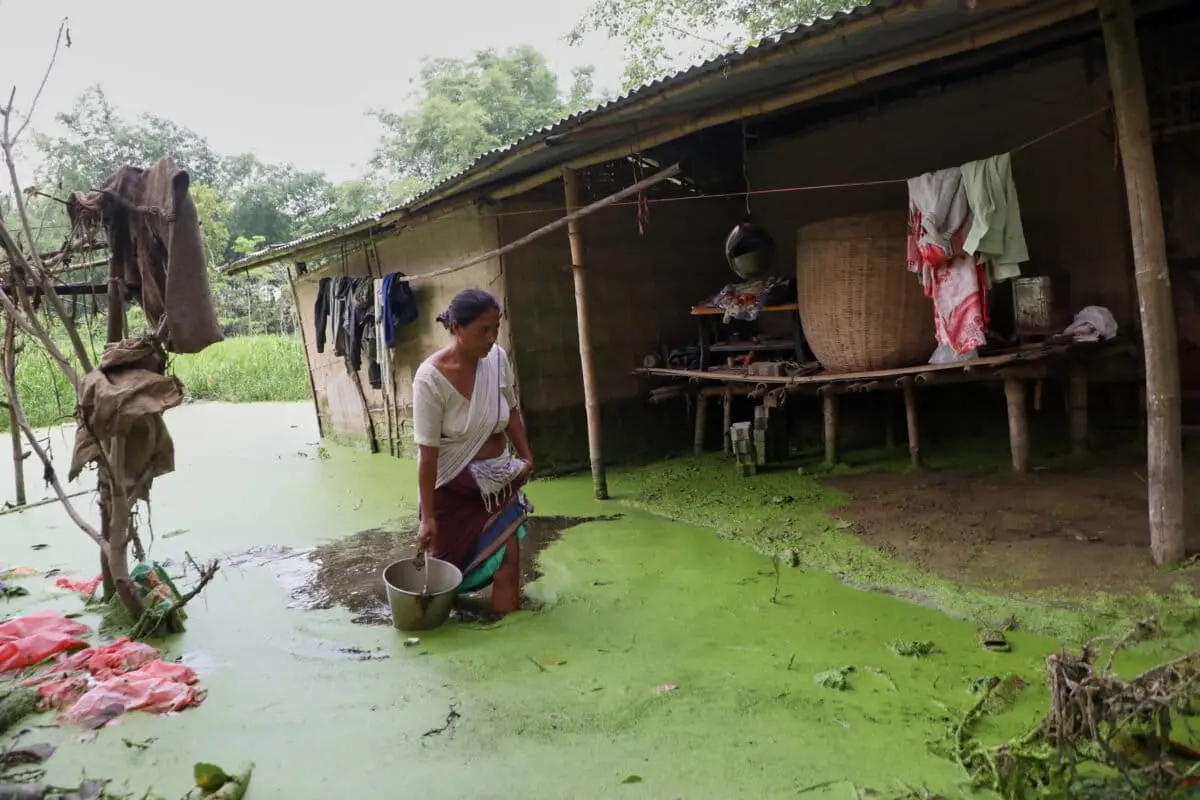
- 2025–2026 (The Current Reality): As of August 2026, floods in Assam and record rainfall in Bengaluru and Mumbai have demonstrated that even modern urban infrastructure is failing to prevent the mixing of sewage with drinking water, leading to a "perennialization" of Hepatitis A and E.
III. Supporting Data: The Biological Mechanics of Floods and Droughts
The impact of extreme weather on health is bifurcated into two extremes: the "too much water" scenario and the "too little water" scenario.

The Perils of Excessive Water
Flooding acts as a giant mixer for pathogens. Consultant physician Dr. Surya Prasad notes that floodwaters overwhelm antiquated sewage systems, creating a "toxic soup" of human and animal waste.
- Gastrointestinal Risk: Research in Chennai indicates that the risk of hospitalization for gastrointestinal illnesses rises by 60% in the 15 days following an extreme rainfall event.
- The Leptospirosis Factor: Over 85% of annual Leptospirosis cases in India occur during or immediately after the monsoon. Rats, the primary hosts of Leptospira bacteria, are flushed out of sewers and burrows into human dwellings. Their urine contaminates surfaces and standing water, turning every puddle into a potential infection site.
The Paradox of Droughts
While floods spread pathogens through movement, droughts concentrate them through scarcity.
- Concentration of Hosts: A 2023 study found that as water sources shrink, livestock, wildlife, and humans congregate around the same limited pools. This overcrowding facilitates the rapid transmission of pathogens between species.
- Storage Hazards: In water-stressed areas, communities often store water in large, open containers for long periods. These domestic water storage sites become the primary breeding grounds for Aedes aegypti mosquitoes, the carriers of dengue and chikungunya, effectively bringing the disease vector inside the home.
IV. Infrastructure and Vulnerability: A Systemic Failure
The health crisis is exacerbated by a fundamental mismatch between India’s built environment and current climatic realities. Much of India’s infrastructure was designed using historical data that no longer applies.
The "25mm Fallacy"
For decades, Indian stormwater drains were designed under Central Public Health and Environmental Engineering Organisation (CPHEEO) guidelines to handle a maximum rainfall intensity of 25 mm per hour. However, recent years have seen cities like Mumbai, Delhi, and Bengaluru battered by over 100 mm of rain in a single 24-hour window. When drains fail, they do not just cause traffic jams; they cause "backflow," where sewage-contaminated water is pushed into residential pipes.

Aging Networks and Mapping Gaps
A 2022 report by the Comptroller and Auditor General (CAG) of India revealed a startling lack of preparedness. Many municipal authorities lack updated maps of their own underground drainage networks. In Kolkata and Mumbai, parts of the system are over a century old, predating modern sanitation standards. In rural areas, the problem is equally acute; runoff from pit latrines during heavy rains frequently contaminates groundwater, the primary source of drinking water for millions.
V. Official Responses: Moving Toward "Climate-Adaptive" Healthcare
The Indian government has recognized that traditional "disaster response" is no longer sufficient. The shift must be toward "anticipatory action."
- NAPCCHH (2018): The National Action Plan for Climate Change and Human Health was launched to build climate-resilient healthcare systems. While all states have now established district-level teams, experts like Upasona Ghosh of the Public Health Foundation of India argue that the program is still in its infancy. There remains a gap in how local policymakers understand the complex "pathways" of climate impact.
- NCDC Surveillance: The National Centre for Disease Control has begun developing district-level risk assessments. These use daily weather data and civil registration data to establish "heat-health thresholds," allowing hospitals to prepare for surges in specific illnesses before they occur.
- Predictive Modeling: A 2025 study by the Indian Institute of Tropical Meteorology in Pune successfully developed a model to predict dengue outbreaks two months in advance. By identifying climate "sweet spots"—temperatures above 27°C and humidity between 60% and 78%—health authorities can initiate mosquito abatement programs before the first case is even reported.
VI. Implications: The Path Forward
The transformation of India’s disease landscape necessitates a radical rethinking of public health. We can no longer afford to treat outbreaks as isolated medical events; they must be treated as environmental ones.
The Need for Data Integration
The most significant hurdle is the "siloing" of information. Currently, weather data (IMD), health data (IDSP), and environmental data (Pollution Control Boards) exist in separate spheres. Professor Gautam Menon emphasizes that true preparedness requires the integration of these datasets. If a health official can see a heatwave coming on the same dashboard that tracks mosquito larvae density, they can act with surgical precision.

A "One Health" Approach
The proximity of animals and humans during extreme weather highlights the need for a "One Health" strategy—one that recognizes that human health is inextricably linked to the health of animals and the environment. This includes better waste management, the restoration of natural wetlands to act as "bio-filters" for floodwater, and the modernization of urban drainage to handle the 100mm+ rainfall events of the future.
Conclusion
India stands at a crossroads. As climate change accelerates, the "invisible threat" of infectious diseases will only grow more potent. The goal must shift from simply surviving the storm to preventing the sickness that follows. By bridging the gap between urban planning, climate science, and public health, India can move from a state of reactive crisis management to proactive resilience. The damage of the next flood should not be measured just in the roads that are broken, but in the lives that are saved through better preparation.
