

NEW DELHI — For generations, the traditional fishermen of India’s vast coastline have looked to the horizon with a mixture of reverence and necessity. Today, that horizon represents a multi-billion dollar government ambition to transform India into a global deep-sea fishing powerhouse. However, a major investigation into the Pradhan Mantri Matsya Sampada Yojana (PMMSY)—the flagship central government scheme—reveals a stark chasm between high-level policy and the grueling reality of those on the water.
This report, produced in partnership with the Pulitzer Center’s Ocean Reporting Network, examines the systemic failures, technical defects, and financial ruin facing the very people the scheme was designed to uplift.
I. Main Facts: A Scheme Adrift
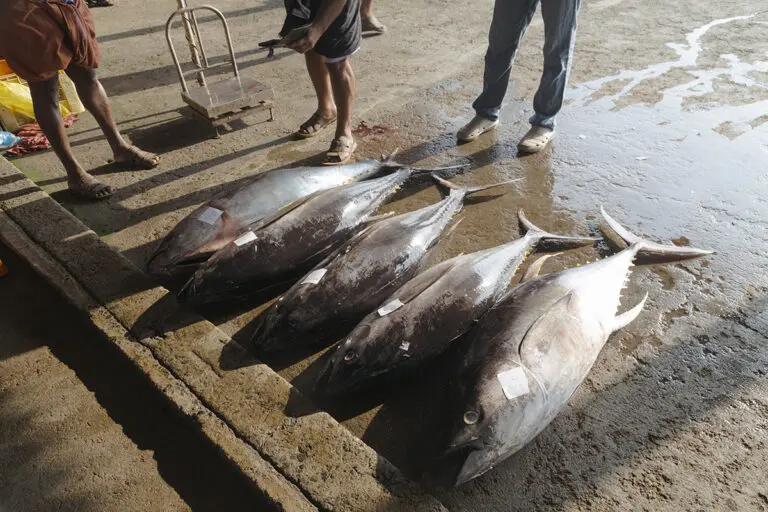
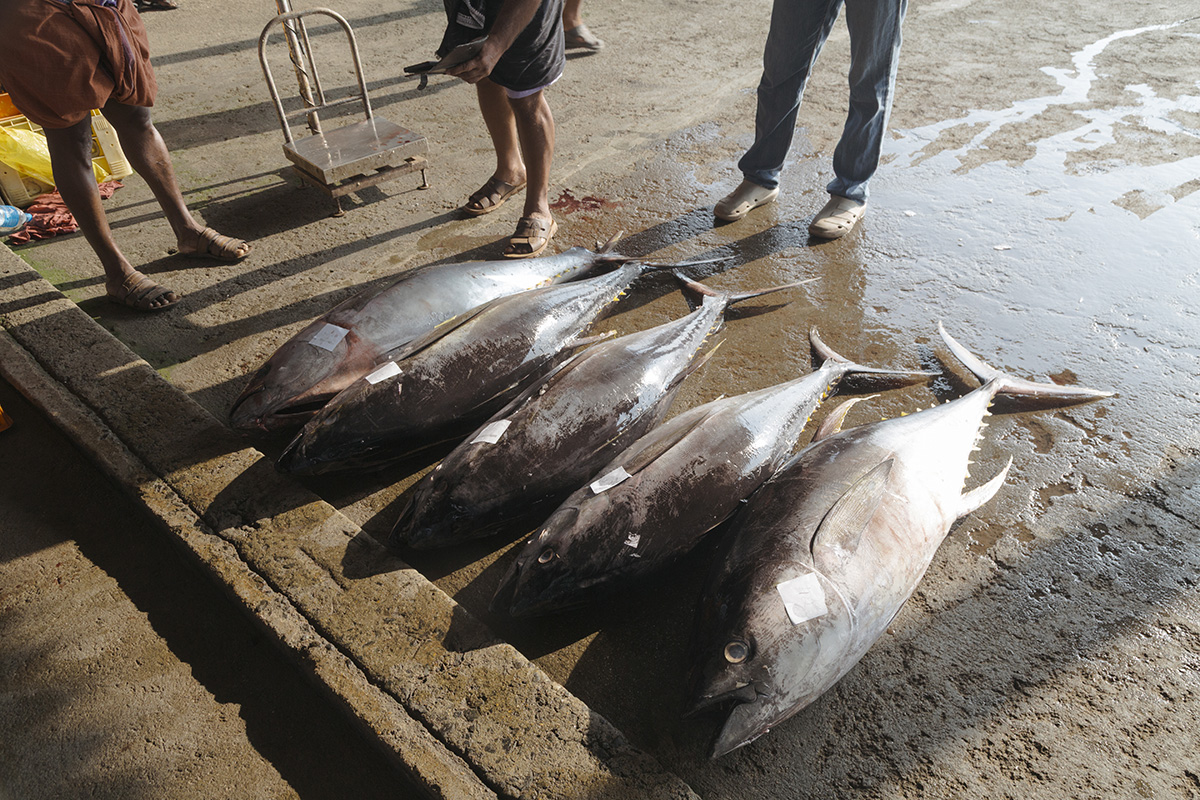
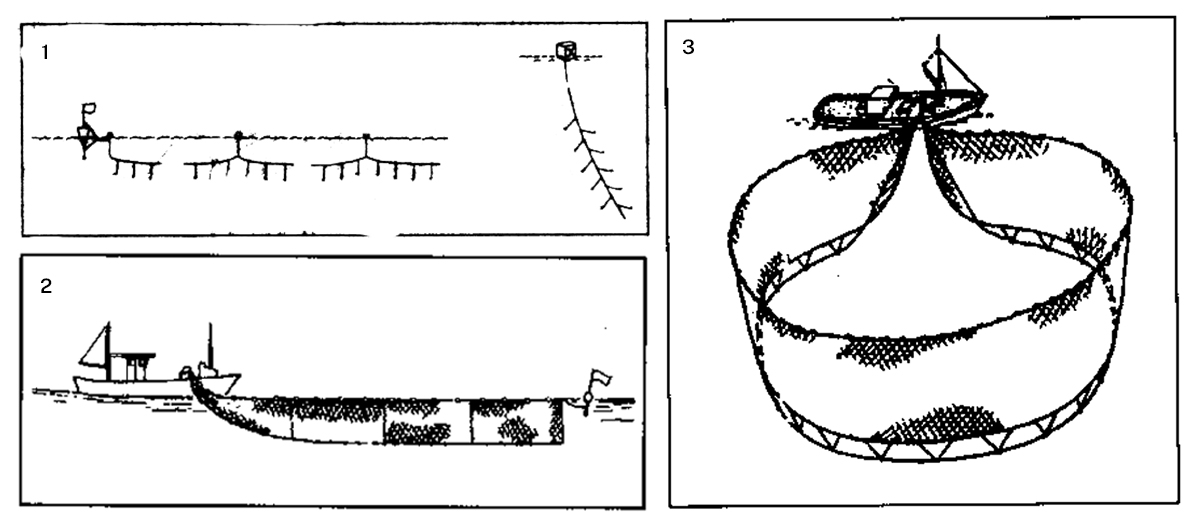
Launched in 2020, the PMMSY is the cornerstone of India’s "Blue Revolution," aiming to modernize the fisheries sector with an investment of over ₹20,000 crore (approximately $2.4 billion). A primary objective is to transition traditional fishers from overcrowded, overfished nearshore waters to the "deep sea"—depths exceeding 200 meters—to harvest high-value species like yellowfin tuna, billfish, and oceanic squid.
However, the implementation has been met with significant headwinds:
- Low Adoption Rates: Out of 392 deep-sea fishing vessels approved for the 2020–2025 period, only 131 have been ordered or constructed as of late 2026—barely 33% of the target.
- Financial Distress: The scheme requires fishers to contribute roughly 60% of the boat’s cost (often exceeding ₹1.2 crore or $145,000). Many who took the plunge are now drowning in debt due to delayed subsidies and faulty equipment.
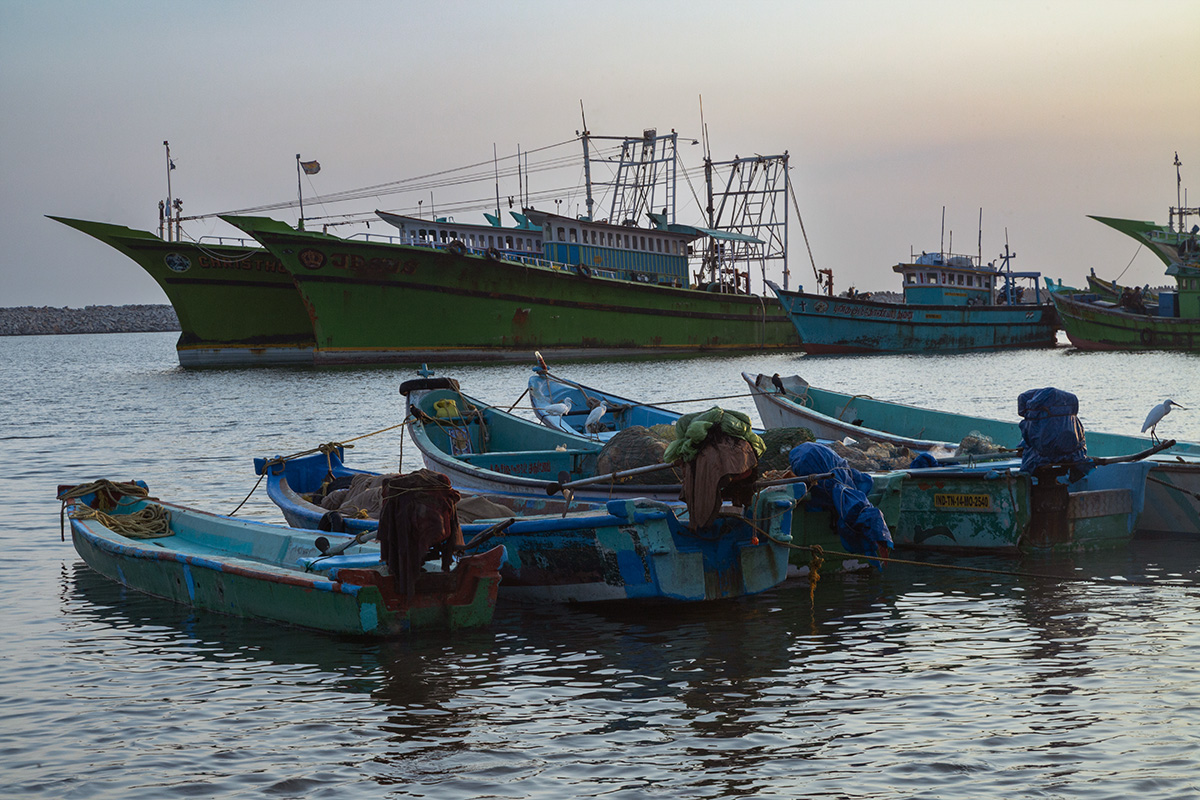
- Technical Failures: Early vessels, particularly those built under "Make in India" mandates in Kerala, have been plagued by engine stalls, faulty cooling systems, and structural defects.
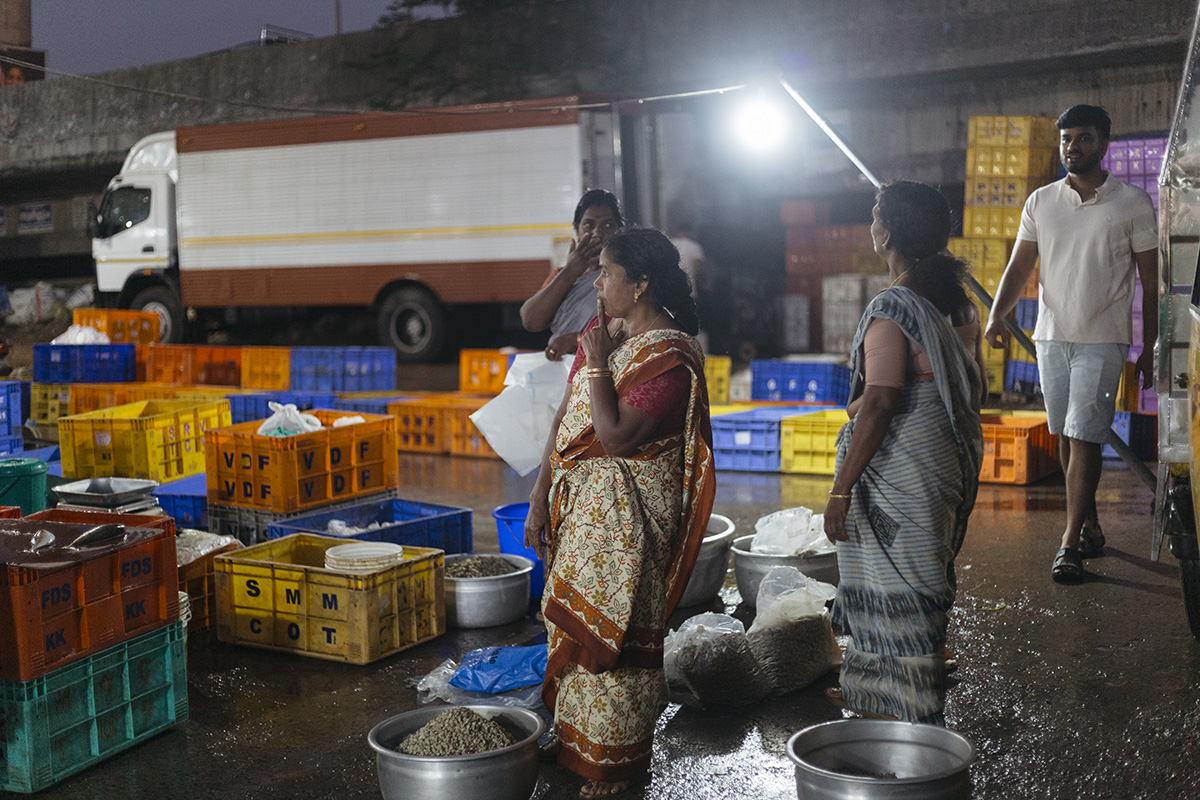
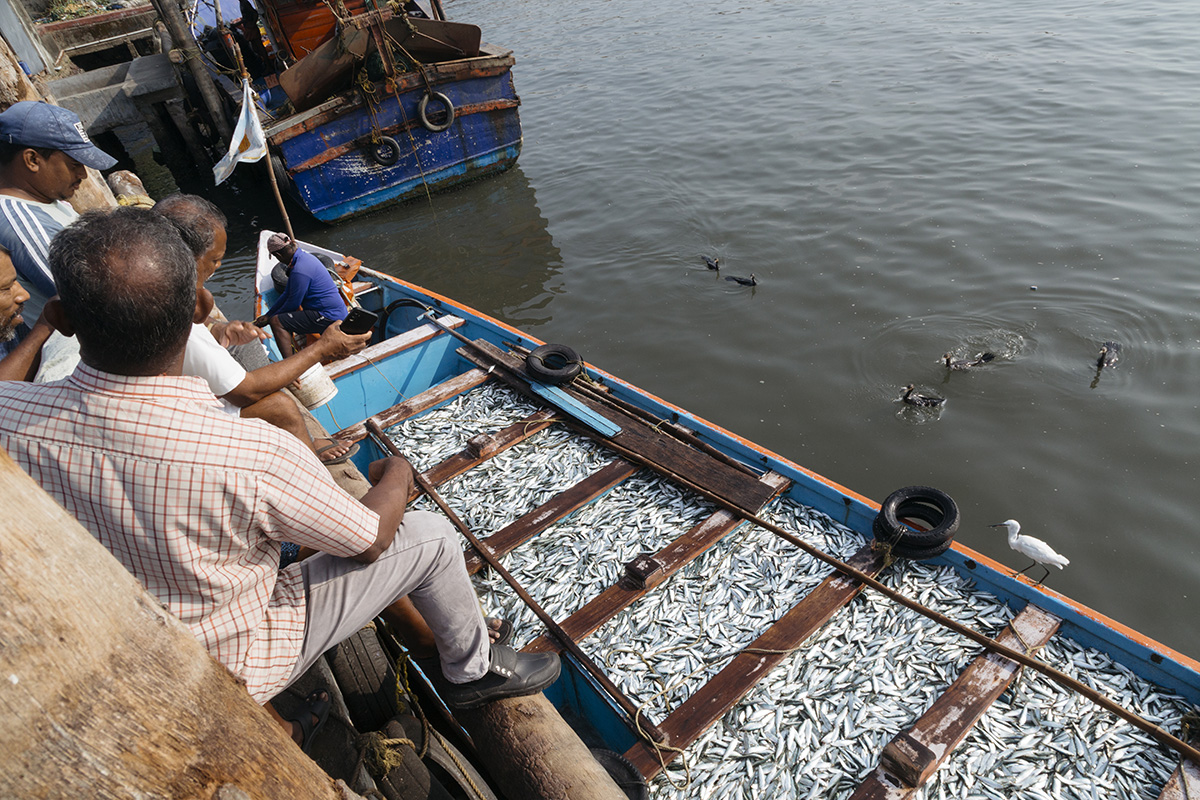
- Infrastructure Gap: Even when fishers successfully catch deep-sea species, the lack of shore-based cold chains and processing units means their premium catch often rots or sells at a fraction of international market prices.
II. Chronology: From "Blue Revolution" to PMMSY
The push for deep-sea fishing is not a new phenomenon in India, but its current iteration follows a decade of policy shifts and bureaucratic evolution.
- 2017–2018: Under the Neel Kranti (Blue Revolution) Mission, the government begins encouraging the conversion of trawlers to longliners. Fishermen like Kiran Koli in Maharashtra apply for assistance, hoping to modernize their fleets.
- 2020: The government launches the PMMSY, absorbing previous schemes. The ambition scales up, focusing on indigenous manufacturing under the "Make in India" initiative.
- 2020–2023: The first batch of vessels is commissioned. In Kerala, fishermen like Shaju Antony receive steel tuna-longliners built by Cochin Shipyard Ltd.
- December 2023 – June 2026: The "honeymoon period" ends. Antony’s boat begins failing almost immediately. Meanwhile, Koli waits nearly a decade—from 2017 to 2026—to receive his vessel, only to find the promised government subsidies stalled.
- Late 2025: Acknowledging the design flaws in the initial Kerala boats, the Ministry of Fisheries issues a modified Standard Operating Procedure (SOP) for vessel procurement.
- July 2026: India signs the WTO fishery subsidies agreement and launches a program to issue letters of authorization for high-seas fishing, signaling a continued domestic push despite local failures.
III. Supporting Data: A State-by-State Disconnect
The success of the PMMSY is highly fragmented, revealing a lack of uniform implementation across India’s maritime states.

The Leaders and the Laggards
While the central government approved funds for hundreds of boats, the uptake has been anemic in major fishing hubs:
- Karnataka: Leads the country with 58 sanctioned boats, though only 31 are fully constructed.
- Maharashtra: Follows with 49 sanctioned boats, largely driven by union leaders attempting to pilot the program.
- Andhra Pradesh: Despite being a hub for yellowfin tuna, only 6 vessels are operational out of 50 approved.
- Gujarat: Boasting the longest coastline (2,400 km), Gujarat had zero takers until June 2026, when a revision in fuel tax (VAT) rebates finally incentivized 30 cooperative members to apply.
- Tamil Nadu & Odisha: These states have seen virtually no participation in the PMMSY deep-sea scheme, with fishers citing high operational costs and a lack of skilled labor for longlining.
The Cost of Failure
The financial burden on individual fishers is staggering. A standard deep-sea vessel costs roughly ₹12 million (₹1.2 crore). While the government promises a 40% subsidy, the disbursement is often tiered and delayed.

- In Kerala, a group of beneficiaries reports a collective debt of over ₹40 million (₹4 crore).
- Operational defects, such as failing compressors, have led to "economic "catastrophes" where entire hauls of billfish and tuna—worth hundreds of thousands of rupees—are discarded because they could not be kept cold at sea.
IV. Technical Failures and Manufacturing Woes
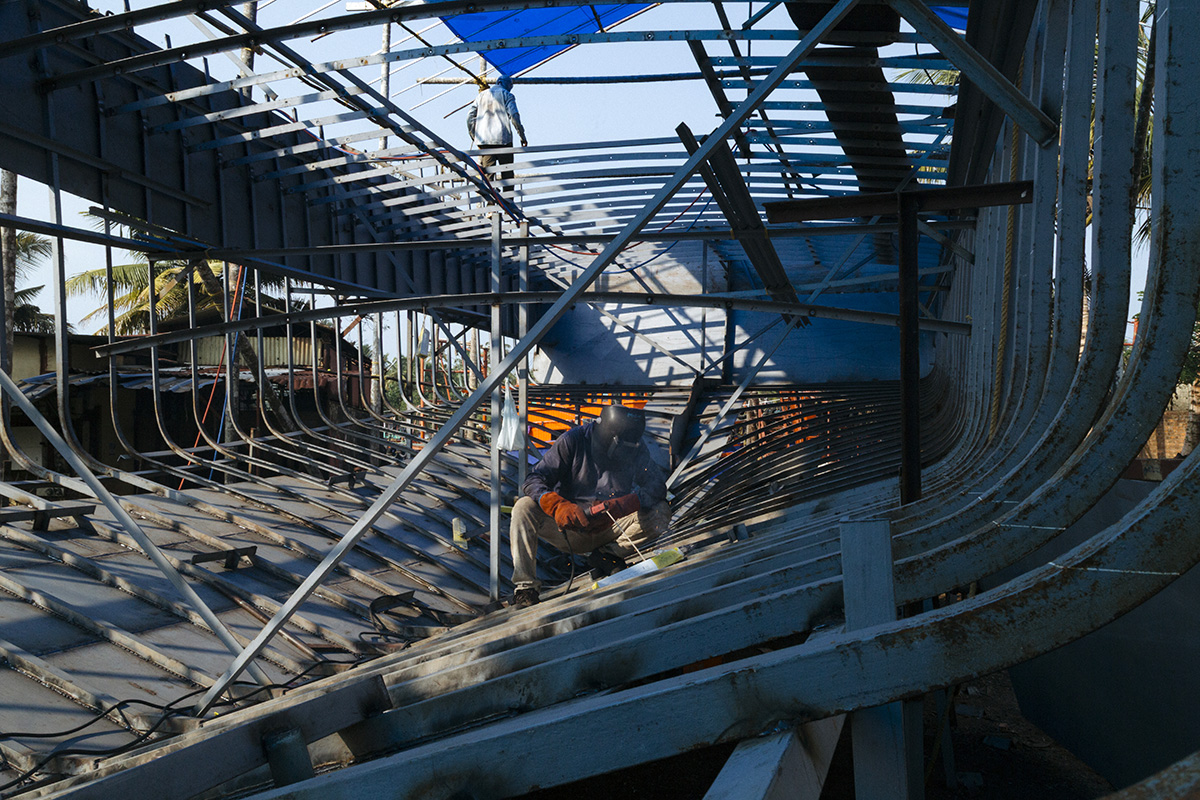
A critical component of the PMMSY was the "Make in India" mandate. The initial fleet of 22.7-meter steel vessels was intended to showcase Indian engineering. Instead, they became a cautionary tale.
The Kerala Experience
Fishers who received vessels from Cochin Shipyard Ltd reported a litany of issues:

- Engine Reliability: 230 HP engines frequently stalled mid-operation, leaving crews stranded in deep waters.
- Structural Defects: Water seepage in engine rooms and malfunctioning rudders made navigation hazardous.
- Cooling Crisis: The most devastating failure was the refrigeration system. Deep-sea fishing requires maintaining a strict cold chain; without functional compressors, the high-value catch spoils before reaching the shore.
"If they are building boats for fishermen, why aren’t they consulting the fishermen?" asks Shaju Antony, who spent an additional ₹3 million of his own money attempting to repair a brand-new government-subsidized boat.
V. Official Responses and Policy Strategy
Government officials at both the state and central levels acknowledge the "teething problems" but maintain that the strategic direction is sound.
NITI Aayog’s Admission
In its strategy document, NITI Aayog, the government’s apex think tank, admitted that the "lack of adequate infrastructure and access to advanced technologies" remains the most significant hurdle. The document emphasizes that without a "tuna-specific infrastructure" either on boats or at harbors, the sector cannot compete globally.
The Bureaucratic Bottleneck
State fisheries officials, speaking on condition of anonymity, point to a "trust deficit." In Andhra Pradesh, officials noted that fishers are hesitant because they cannot secure bank loans for such high-risk, high-cost investments. In Tamil Nadu, the failure of previous "Blue Revolution" schemes has made the community wary of new promises.

The Ministry of External Affairs (MEA)
While the Department of Fisheries handles the boats, the MEA has been active in the international arena. In late 2025, the MEA introduced new rules for the Sustainable Harnessing of Fisheries in the Exclusive Economic Zone (EEZ). This is part of a broader geopolitical move to ensure India’s presence in international waters (Areas Beyond National Jurisdiction – ABNJ) to secure future fishing quotas.
VI. Implications: A Bridge to Nowhere?
The current trajectory of the PMMSY deep-sea scheme has profound implications for India’s economy, its food security, and the livelihoods of 28 million people.
1. The Debt Trap
By encouraging traditional fishers—who often operate on thin margins—to take on multi-million rupee debts for unproven vessel designs, the government may be inadvertently destroying the very livelihoods it seeks to protect. The transition from "small-scale" to "industrial" requires a safety net that currently does not exist.
2. The Infrastructure Bottleneck
The "Blue Economy" cannot be built on boats alone. Without massive investment in:
- Cold Storage: Dedicated tuna-handling facilities at every major harbor.
- Market Linkages: Direct export pipelines that bypass exploitative middlemen.
- Fuel Subsidies: As seen in Gujarat, the high cost of diesel is a primary deterrent for venturing 200 nautical miles out.
3. International Standing
India’s performance in the Indian Ocean Tuna Commission (IOTC) and the WTO depends on its ability to prove it can fish its waters sustainably and effectively. If the domestic fleet remains grounded or dysfunctional, India’s bargaining power for higher catch quotas will diminish, allowing distant-water fishing nations to continue their dominance of the Indian Ocean.
4. The Human Cost
Kiran Koli, the union leader from Maharashtra, summarizes the sentiment of the coast: "Imagine, someone like me, a union leader, is stuck in this mess. How will a regular traditional fisherman survive this?"
Conclusion
India’s deep-sea fishing ambitions are at a crossroads. The PMMSY scheme, while visionary on paper, has suffered from a top-down approach that ignored the practical wisdom of the fishing community and the limitations of domestic manufacturing.
For the "Blue Revolution" to succeed, the government must move beyond simply commissioning boats. It must fix the technical flaws of the existing fleet, ensure the timely release of subsidies, and build the shore-based infrastructure necessary to turn a raw catch into a global commodity. Until then, for men like Shaju Antony and Kiran Koli, the deep sea remains less of a land of opportunity and more of a rising tide of debt.
