

PERSONAL FINANCE
New Delhi, India – August 16, 2026 – Precious metals, long considered a cornerstone of investment and cultural heritage in India, continue to exhibit significant price fluctuations, deeply influenced by a confluence of global market trends, robust local demand, and dynamic currency valuations. As of August 16, 2026, both gold and silver have witnessed notable movements, reflecting a complex interplay of economic forces shaping their trajectory. This comprehensive analysis delves into the current market landscape, historical context, underlying drivers, expert insights, and the far-reaching implications for consumers, investors, and the broader Indian economy.
Current Snapshot: Main Facts on August 16, 2026
Today, the Indian precious metals market is buzzing with activity as prices reflect a slight uptick, largely attributed to persistent global demand and mounting inflationary pressures. Gold, the timeless safe-haven asset, and silver, a dual-purpose metal, are both commanding significant attention.
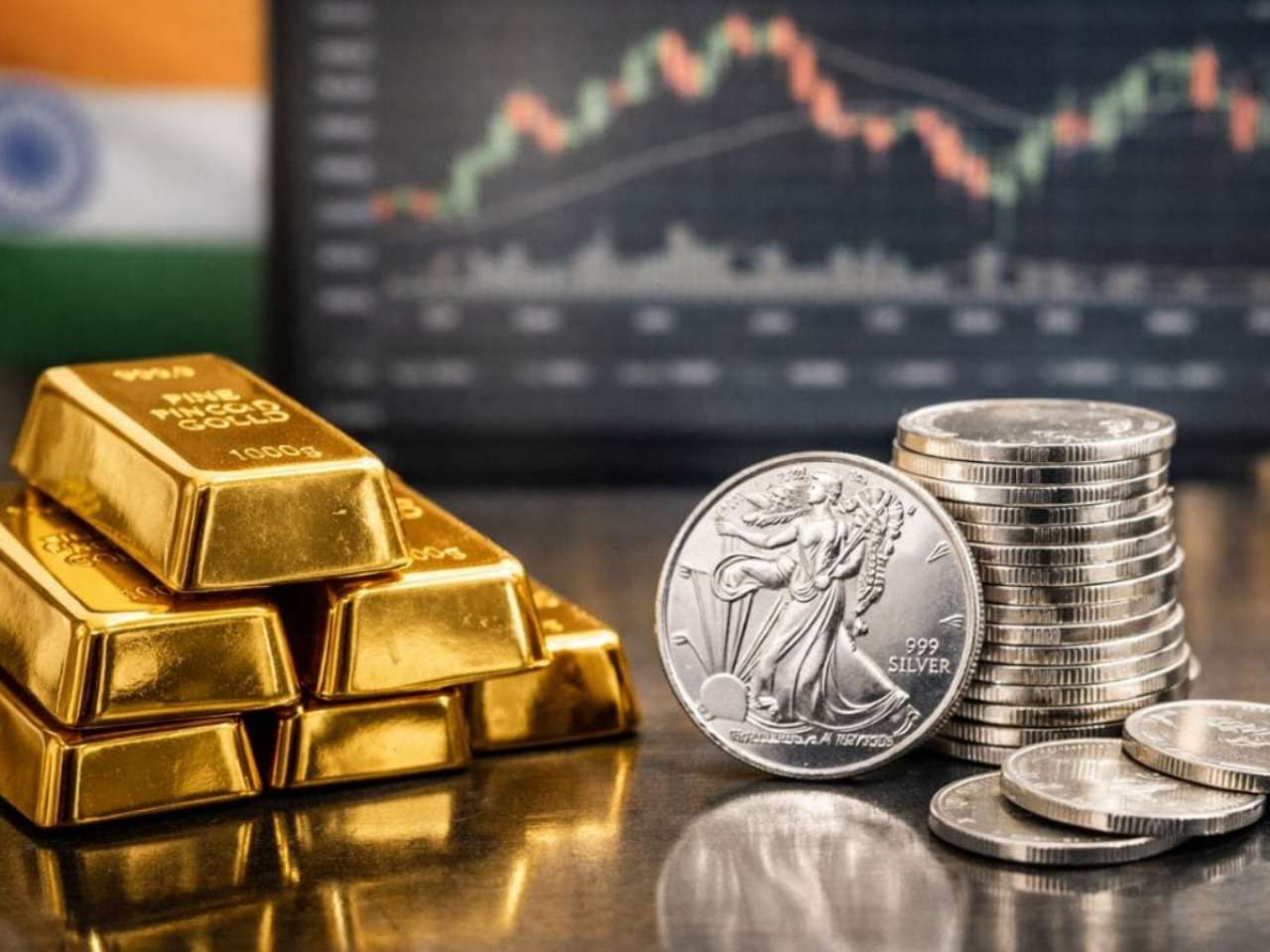
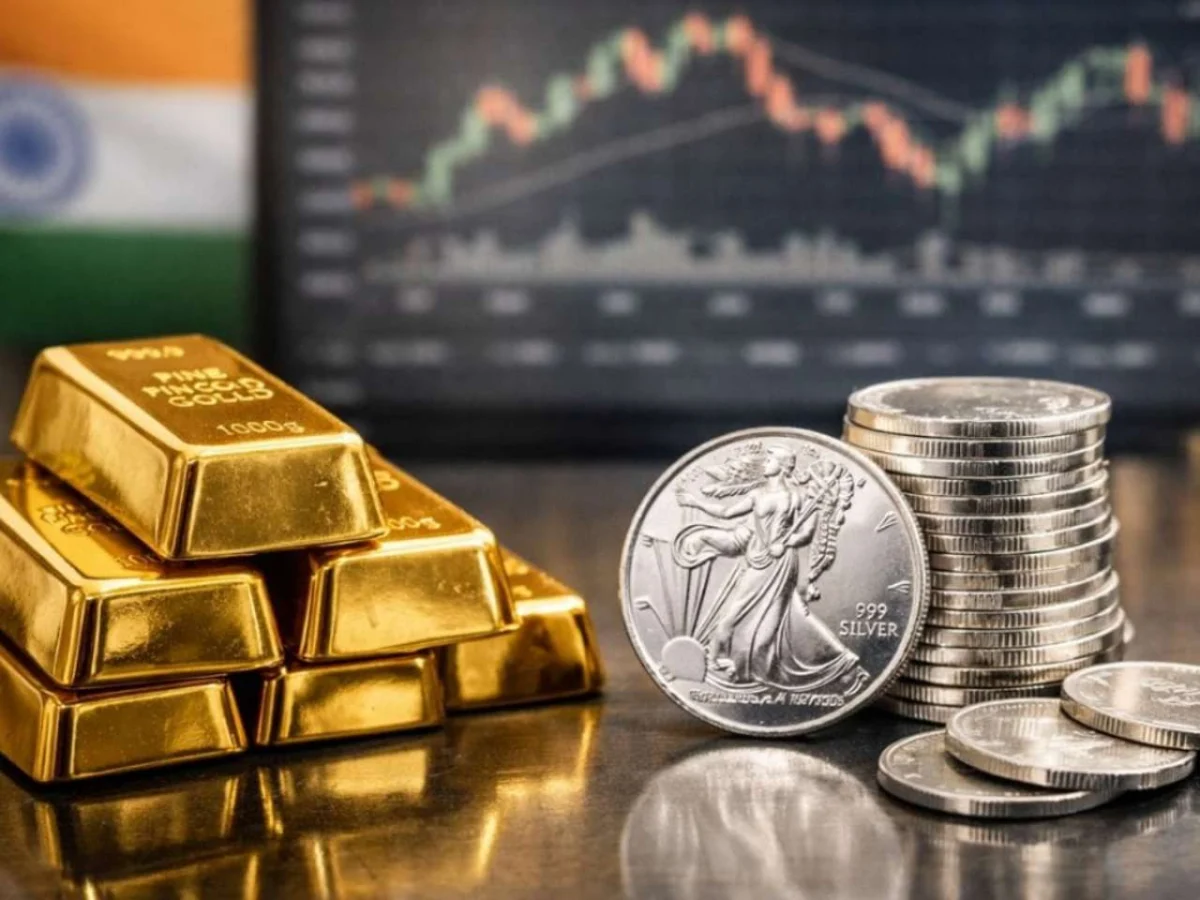
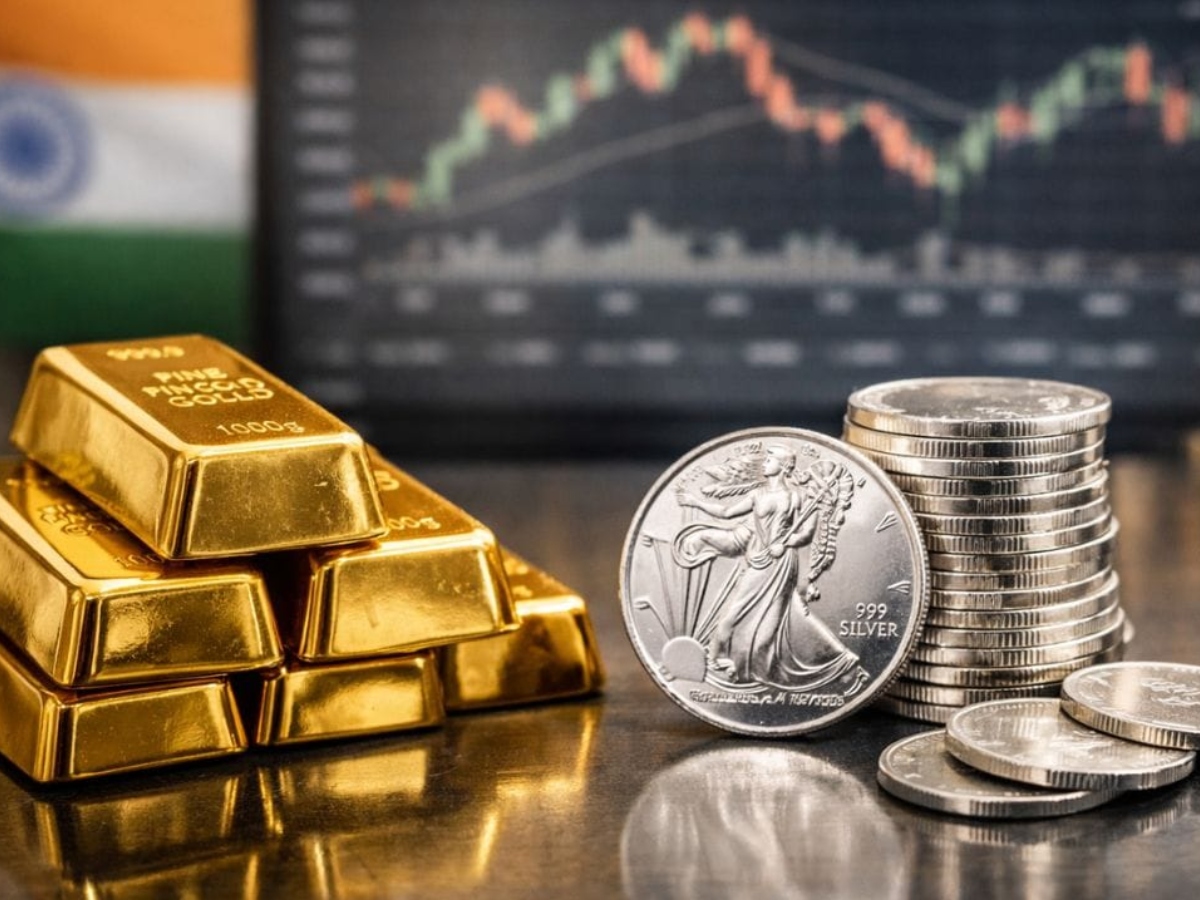
For 24-karat gold (999 pure), the benchmark price across major Indian cities hovers around ₹15,487 to ₹15,502 per gram. Meanwhile, 22-karat gold, the preferred purity for jewellery, is priced between ₹14,196 and ₹14,211 per gram. These figures underscore the metal’s enduring appeal amidst economic uncertainties.
Silver, often referred to as the "poor man’s gold," is also experiencing a strong showing. The price for 999 pure silver stands at approximately ₹2,549 per 10 grams in most major cities, reaching ₹2,599 per 10 grams in Chennai. For Silver 925 (sterling silver), the rate is roughly ₹2,54,000 per kilogram.
These rates, meticulously compiled from sources like Good Returns, highlight the regional variations inherent in the Indian market, driven by local taxes, transportation costs, and specific demand-supply dynamics. The current valuation of these precious metals is not merely a number but a reflection of a deeper economic narrative unfolding both domestically and internationally.
)
A Look Back: Chronology of Price Movements Leading to August 2026
Understanding today’s prices requires a journey through the recent past, tracing the events and trends that have shaped the precious metals market. The period leading up to August 2026 has been characterized by a volatile yet upward-trending market for gold and silver, marked by a series of global and domestic developments.
Global Economic Currents (2025-2026)
The latter half of 2025 saw a gradual escalation in global inflationary concerns. Following a period of aggressive monetary tightening by central banks like the U.S. Federal Reserve and the European Central Bank in 2023-2024 to curb post-pandemic inflation, 2025 brought renewed fears of a resurgence. Supply chain disruptions, exacerbated by geopolitical tensions in Eastern Europe and the Middle East, continued to put upward pressure on energy and commodity prices. This environment naturally enhanced gold’s appeal as an inflation hedge.
Furthermore, several major economies, including the Eurozone and parts of Asia, experienced slower-than-anticipated economic growth, coupled with persistent inflation – a classic stagflationary scenario. This macroeconomic backdrop propelled investors globally towards safe-haven assets, with gold being a primary beneficiary. The U.S. Dollar, while showing periods of strength, also faced challenges from rising national debt concerns and shifting global trade dynamics, indirectly supporting gold prices which are inversely correlated with the dollar’s value.

Central banks worldwide continued their trend of diversifying reserves, with several emerging economies increasing their gold holdings, further bolstering demand on an institutional level. This steady institutional buying provided a strong floor for gold prices, preventing any significant downturns even during periods of profit-taking.
Indian Domestic Landscape (2025-2026)
Domestically, India’s economic narrative played a crucial role. Despite global headwinds, India maintained a relatively robust growth trajectory, fueling consumer confidence. However, the nation was not immune to global inflationary pressures, with domestic inflation rates remaining elevated, particularly for food and fuel. This made gold an attractive option for Indian households seeking to preserve their wealth against eroding purchasing power.
The Indian Rupee (INR) experienced periods of mild depreciation against the US Dollar throughout late 2025 and early 2026. A weaker rupee effectively makes imported gold more expensive in local currency terms, contributing directly to higher domestic gold prices. The government’s fiscal policies, while aiming for stability, also contended with balancing growth initiatives and managing the national debt, which indirectly influenced market sentiment.
)
Crucially, the anticipation of the festive season, beginning with Ganesh Chaturthi and extending through Diwali and the wedding season in late 2026, started building demand from mid-2026. Indian cultural affinity for gold as an auspicious gift and a store of value meant that even at higher price points, demand remained resilient, particularly in rural areas where gold often serves as a primary form of savings and financial security. Silver also saw sustained demand, driven by its traditional use in religious ceremonies, ornaments, and a growing industrial base.
This chronological overview reveals that the current prices are not isolated events but the culmination of prolonged global economic uncertainty, persistent inflation, strategic central bank actions, and India’s unique cultural and economic drivers.
Supporting Data: Dissecting the Influential Factors
The pricing of gold and silver in India is a complex equation, with various factors exerting their influence simultaneously. A deeper dive into these elements provides clarity on the current market dynamics.
)
Gold Prices: A Multi-faceted Equation
The slight increase in gold prices today, specifically for 24K gold at ₹15,487-₹15,502 per gram and 22K gold at ₹14,196-₹14,211 per gram, is a testament to the metal’s robust fundamentals.
1. Global Economic Landscape and Inflationary Pressures:
Gold has historically served as a hedge against inflation. In an environment where global central banks are cautiously navigating sticky inflation, investors worldwide flock to gold to protect their capital. The fear of currency devaluation further strengthens this appeal. When real interest rates (nominal interest rates minus inflation) are low or negative, the opportunity cost of holding non-yielding gold decreases, making it more attractive. The ongoing geopolitical uncertainties in various parts of the world also fuel safe-haven buying, pushing prices upwards.
2. International Gold Price (COMEX, LBMA):
The price of gold in India is directly linked to its international benchmarks, primarily the COMEX (New York) futures market and the London Bullion Market Association (LBMA) spot market. Any significant movement in these global exchanges translates almost immediately into domestic prices, adjusted for currency. Factors like global supply and demand, speculative trading, and macroeconomic data releases from major economies heavily influence these international prices.
)
3. Exchange Rate of the US Dollar (INR-USD):
As gold is globally priced in US Dollars, the exchange rate between the Indian Rupee and the US Dollar plays a pivotal role. A depreciating Rupee makes gold more expensive for Indian buyers, even if the international dollar price remains constant. Conversely, a strengthening Rupee could cushion the impact of rising international gold prices. The Reserve Bank of India’s (RBI) monetary policy and India’s balance of payments position are key determinants of the INR-USD exchange rate.
4. Domestic Jewellery and Investment Demand:
India is one of the largest consumers of gold globally, with demand driven by cultural significance. The upcoming festive season (Diwali, Akshaya Tritiya, wedding season) historically sees a surge in demand for gold jewellery. Beyond adornment, gold is also a popular investment asset, especially in rural areas where it’s considered a liquid and reliable store of wealth. This sustained domestic demand, even at higher price points, acts as a significant upward driver for prices. Government initiatives to formalize gold trade and promote digital gold have also subtly influenced investment patterns.
5. Government Policies and Regulations:
Import duties on gold, Goods and Services Tax (GST), and hallmarking regulations also impact the final price for consumers. Any changes in these policies can lead to immediate price adjustments. For instance, an increase in import duty directly raises the cost of gold.
)
City-wise Gold Rates (as per Good Returns):
- Delhi:
- 24K Gold: ₹15,502 per gram
- 22K Gold: ₹14,211 per gram
- Mumbai:
- 24K Gold: ₹15,487 per gram
- 22K Gold: ₹14,196 per gram
- Kolkata:
- 24K Gold: ₹15,487 per gram
- 22K Gold: ₹14,196 per gram
- Chennai:
- 24K Gold: ₹15,492 per gram
- 22K Gold: ₹14,201 per gram
Silver Prices: The Industrial and Investment Nexus
Silver, priced today at ₹2,549 per 10 grams (999 pure) in most cities and ₹2,599 in Chennai, showcases its unique market dynamics. While sharing some characteristics with gold, its significant industrial utility sets it apart.
1. Industrial Demand:
Unlike gold, a substantial portion of silver’s demand comes from industrial applications. It is a critical component in electronics, solar panels (photovoltaics), medical equipment, electric vehicles, and various high-tech manufacturing processes. Global economic growth, particularly in sectors reliant on these technologies, directly impacts silver demand and, consequently, its price. A booming green energy sector, for instance, significantly boosts silver consumption.
)
2. Investment Demand ("Poor Man’s Gold"):
Silver also functions as an investment vehicle, often preferred by smaller investors due to its lower price point compared to gold. It’s seen as a more volatile asset than gold but offers similar safe-haven characteristics during times of economic uncertainty. Investment in silver coins, bars, and exchange-traded funds (ETFs) contributes significantly to its demand.
3. Supply Dynamics:
Silver is often mined as a by-product of other metals like copper, lead, and zinc. This means its supply is less responsive to its own price movements compared to primary metals. Disruptions in base metal mining can, therefore, indirectly affect silver supply and price.
4. Global Market Trends and Speculation:
Similar to gold, global commodity markets, speculative trading, and macroeconomic indicators influence international silver prices, which then ripple through to the Indian market, adjusted for currency rates and local factors.
)
City-wise Silver Rates (as per Good Returns):
- Delhi:
- Silver 999: ₹2,549 per 10 grams
- Mumbai:
- Silver 999: ₹2,549 per 10 grams
- Kolkata:
- Silver 999: ₹2,549 per 10 grams
- Chennai:
- Silver 999: ₹2,599 per 10 grams
The data clearly illustrates that while global factors provide a broad framework, local demand, currency strength, and specific city-level dynamics create variations within the Indian market.
Official Responses and Expert Outlook
The current surge in precious metal prices has garnered attention from market analysts, government bodies, and industry stakeholders, each offering perspectives on the present situation and future trajectory.
)
Market Analysts and Economists
"The current gold prices, hovering above ₹15,000 per gram for 24K, are a clear indicator of sustained global inflationary pressures and geopolitical risks," states Dr. Ananya Sharma, Chief Economist at Zenith Capital. "While central banks have been attempting to normalize monetary policy, the underlying economic anxieties continue to drive investors towards safe-haven assets. We anticipate gold to remain well-supported, potentially even seeing further upside if inflation proves stickier than expected or if new geopolitical flashpoints emerge."
Regarding silver, Mr. Rohan Mehta, a commodity analyst at Bullion Insights, notes, "Silver’s dual role as both a precious metal and an industrial commodity makes its trajectory more complex. The strong industrial demand, particularly from the booming solar and electronics sectors, is providing a robust floor. However, its higher volatility means investors should approach it with a clear understanding of its market dynamics. We project continued strength for silver, especially as global economies continue their push towards green technologies, but also anticipate sharper corrections than gold during market downturns."
Experts largely agree that the current environment is favorable for precious metals, but caution that any significant shift in central bank policies – such as an unexpected aggressive rate hike or a rapid cooling of inflation – could introduce headwinds.
)
Jewellery Associations and Retailers
The All India Gem and Jewellery Domestic Council (GJC) spokesperson, Mr. Rajesh Kumar, remarked, "While high gold prices naturally impact consumer purchasing power, the intrinsic cultural value of gold in India ensures resilient demand, especially as we approach the festive and wedding seasons. Retailers are adapting by offering lighter jewellery designs, schemes like gold savings plans, and promoting hallmarked jewellery to assure consumers of purity and value." He added, "There’s also a noticeable uptick in demand for silver ornaments, particularly in regions where it’s traditionally preferred, as a more affordable alternative."
Local jewellers in major cities report a mix of cautious buying and strategic investments. "Customers are more discerning now," says Ms. Priya Singh, proprietor of a prominent jewellery store in Delhi. "They are keenly watching prices and often buying smaller quantities or opting for custom designs that fit their budget. Investment in gold coins and bars remains strong, indicating a continued belief in gold as a long-term asset."
Government and Regulatory Stance
The Reserve Bank of India (RBI) continues to monitor precious metal prices closely, particularly their impact on the nation’s import bill and current account deficit (CAD). While there haven’t been immediate official statements regarding new policies on August 16, 2026, the government’s long-term strategy includes measures to curb illegal gold imports and promote financial instruments like Sovereign Gold Bonds (SGBs) as alternatives to physical gold. This aims to channel investment away from physical imports and reduce pressure on the rupee.
)
Sources within the Ministry of Finance indicate that the government is exploring ways to formalize the gold market further, ensuring transparency and accountability. The consistent high prices underscore the need for policies that balance consumer interests, economic stability, and the prevention of illicit trade.
Implications: Navigating the Future of Precious Metals
The current market trends for gold and silver carry significant implications for various stakeholders, shaping investment strategies, consumer behavior, and broader economic stability.
For Consumers: Shifting Preferences and Financial Planning
The elevated prices of gold directly impact Indian households, particularly those planning weddings or significant festive purchases. Consumers are likely to:
)
- Opt for Lighter Jewellery: A growing trend towards minimalist and lighter-weight jewellery designs allows consumers to stay within budget while still acquiring gold.
- Increase Silver Adoption: Silver, being more affordable, is likely to see increased demand for gifting, religious ceremonies, and everyday adornment, especially in regions with a strong cultural affinity for silver.
- Leverage Gold Savings Schemes: Many consumers will continue to utilize monthly gold savings plans offered by jewellers, allowing them to accumulate gold over time and hedge against future price increases.
- Consider Digital Gold: Investment in digital gold platforms, Gold ETFs, and Sovereign Gold Bonds (SGBs) will gain further traction as convenient and secure alternatives to physical gold, offering price exposure without the concerns of storage or purity.
For Investors: Diversification and Safe-Haven Appeal
For investors, gold and silver continue to serve as crucial components of a diversified portfolio, especially in the prevailing economic climate:
- Inflation Hedge: Both metals, particularly gold, reinforce their role as a hedge against inflation and currency devaluation, preserving purchasing power during uncertain times.
- Safe-Haven Status: Geopolitical instability and global economic slowdowns enhance their appeal as safe-haven assets, providing stability when equity markets are volatile.
- Diversification Benefits: Including precious metals can reduce overall portfolio risk due to their low correlation with traditional assets like stocks and bonds.
- Long-Term vs. Short-Term: While short-term fluctuations can offer trading opportunities, many investors view gold and silver as long-term wealth preservation tools. However, the higher volatility of silver might appeal to those with a greater risk appetite.
For the Indian Economy: Trade Balance and Financialization
The continuous demand for precious metals has several macroeconomic implications for India:
- Import Bill Pressure: India’s significant reliance on gold imports to meet domestic demand contributes substantially to the nation’s import bill, potentially widening the Current Account Deficit (CAD) if not managed effectively.
- Impact on Rupee: A higher import bill for gold can exert downward pressure on the Indian Rupee, making imports more expensive across the board.
- Financialization of Gold: Government initiatives promoting SGBs and digital gold aim to reduce the demand for physical gold imports and channel domestic savings into formal financial instruments. This helps in mobilizing dormant household gold into the economy.
- Economic Stability: The consistent value of gold provides a layer of informal financial security for millions of Indian households, especially in rural areas, influencing consumption and savings patterns.
Global Outlook: Central Bank Policies and Geopolitical Dynamics
Looking ahead, the trajectory of gold and silver prices will largely depend on:
)
- Central Bank Monetary Policies: Any significant shift in the interest rate policies of major global central banks (e.g., further rate hikes or cuts) will profoundly impact precious metal prices.
- Global Inflation Trends: Whether inflation proves transitory or persistent will dictate the long-term appeal of gold as an inflation hedge.
- Geopolitical Stability: Escalations or de-escalations of conflicts and trade tensions will continue to influence safe-haven demand.
- Technological Advancements: For silver, continued growth in renewable energy, electronics, and medical technology will sustain industrial demand, providing a crucial floor for its price.
In conclusion, as India navigates the economic landscape of 2026, the robust performance of gold and silver underscores their enduring significance. These metals are not just commodities but integral components of India’s cultural fabric and financial ecosystem. Understanding their intricate dynamics is crucial for consumers making purchase decisions, investors crafting portfolios, and policymakers steering the nation’s economic future. The current prices are a testament to a world grappling with uncertainty, where the shine of precious metals offers a glimmer of stability.
