

BUSINESS
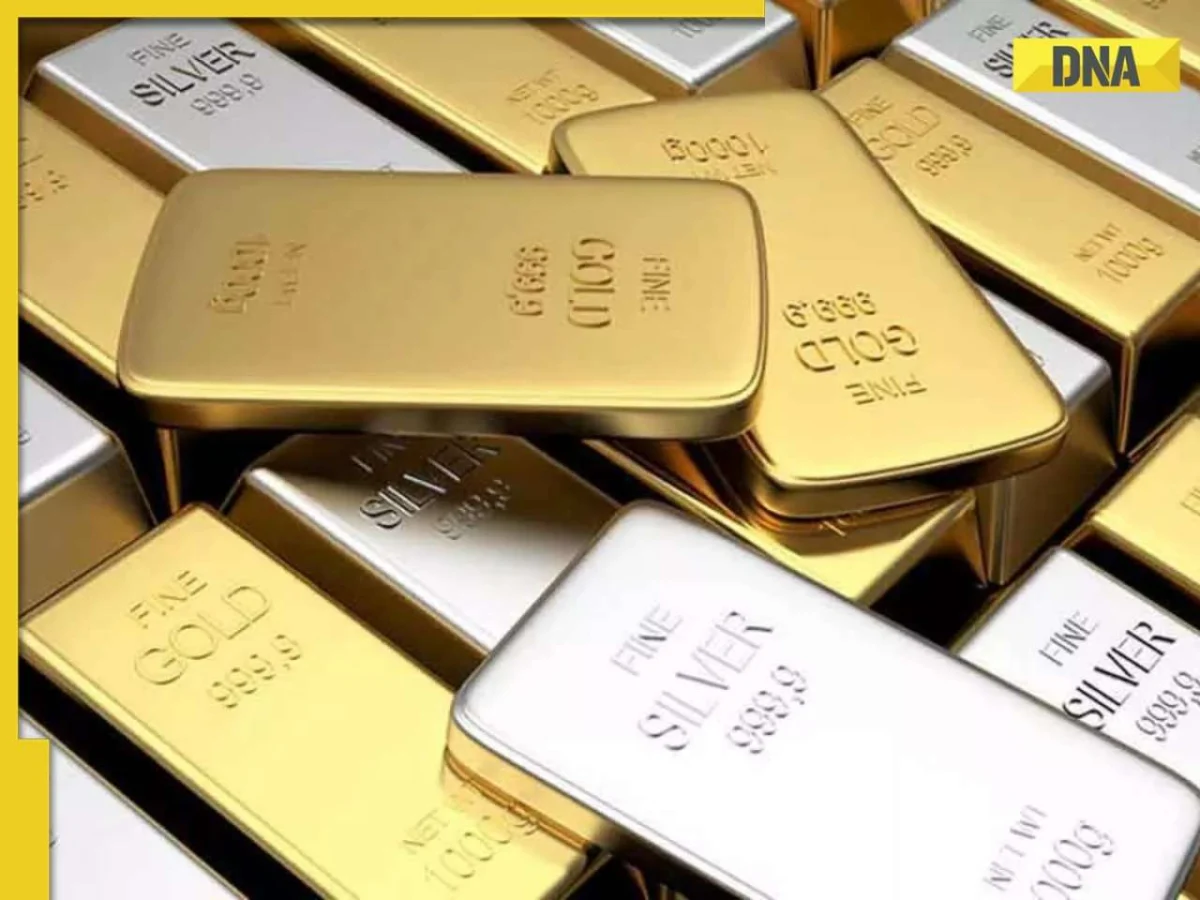
NEW DELHI, India – May 9, 2026 – India’s venerable precious metals market continues to navigate a complex interplay of global economic forces, domestic demand, and currency dynamics. As of May 9, 2026, the prices of gold and silver reflect a nuanced landscape, influenced by international market trends, persistent inflationary pressures, and the enduring cultural significance of these metals within the subcontinent. This comprehensive analysis delves into the current valuations, the factors shaping them, historical context, expert insights, and the broader implications for investors and consumers.
Current Market Snapshot: Prices on May 9, 2026
The Indian bullion market on May 9, 2026, shows a slight uptick in gold prices, primarily driven by global demand and ongoing inflationary concerns. Silver, while retaining its investment appeal, also mirrors international movements, with industrial demand playing a critical role in its valuation.
Gold Prices:
The cost of 24K gold (999 purity) across India is recorded at Rs 15,037 per 1 gram, while 22K gold (91.67% pure, commonly used for jewellery) is priced at Rs 13,784 per 1 gram. These figures represent a marginal increase, reflecting a cautious but steady bullish sentiment in the market.
)
City-Wise Gold Rates (per 1 gram):
- Delhi:
- 24K Gold: Rs 15,123
- 22K Gold: Rs 13,850
- Mumbai:
- 24K Gold: Rs 15,093
- 22K Gold: Rs 13,835
- Kolkata:
- 24K Gold: Rs 15,093
- 22K Gold: Rs 13,835
- Chennai:
- 24K Gold: Rs 15,273
- 22K Gold: Rs 14,000
Notably, Chennai continues to command slightly higher prices for both 24K and 22K gold, a trend often attributed to regional demand patterns and logistical factors.

Silver Prices:
Silver is trading robustly, with the price of 999 pure silver (per kilogram) at approximately Rs 2,65,000. Silver 925 (sterling silver), a popular choice for jewellery and artifacts, is valued at Rs 2,55,000 per kilogram.
City-Wise Silver Rates (per 10 grams of 999 purity):
)
- Delhi: Rs 2,650
- Mumbai: Rs 2,650
- Kolkata: Rs 2,650
- Chennai: Rs 2,650
Unlike gold, silver prices per 10 grams of 999 purity show uniformity across the major metropolitan cities on this particular day.
Chronology of Influence: A Look Back at Recent Trends
The current pricing of gold and silver is not an isolated event but rather the culmination of several macroeconomic shifts and market dynamics over the preceding months and even years. The period leading up to May 2026 has been marked by a blend of global uncertainties and specific demand-supply characteristics.
)
The Post-Pandemic Bull Run and Beyond: The initial surge in gold prices post-2020, driven by unprecedented monetary easing and safe-haven demand during the pandemic, set a new baseline for precious metals. While interest rate hikes by major central banks in 2023 and 2024 initially tempered the rally, the underlying drivers for gold’s appeal—inflationary concerns and geopolitical risks—have persisted.
Inflationary Headwinds: Throughout 2025 and into 2026, global inflation, particularly in energy and commodity prices, has continued to be a significant concern. This sustained inflationary environment has bolstered gold’s traditional role as a hedge against the erosion of purchasing power, prompting investors to allocate a portion of their portfolios to the yellow metal.
)
Geopolitical Landscape: The mid-2020s have been characterized by continued geopolitical tensions in various regions, leading to sporadic spikes in safe-haven demand for gold. These events, though often transient in their immediate impact, contribute to an underlying volatility and a higher floor for gold prices.
Central Bank Accumulation: A notable trend over the past few years has been the sustained buying of gold by central banks worldwide, including the Reserve Bank of India (RBI). Diversifying reserves away from traditional fiat currencies and seeking stability in an unpredictable global economy, central banks have become significant players, absorbing a substantial portion of the global gold supply and providing a steady demand floor.
)
Silver’s Industrial Renaissance: For silver, the narrative has been slightly different. While it benefits from its safe-haven status alongside gold, its substantial industrial applications have increasingly dictated its trajectory. The global push towards green energy, particularly solar power, and the ever-expanding electronics sector have created robust industrial demand, pushing prices higher. Supply chain disruptions and mining output fluctuations have also played a role in its price volatility.
Supporting Data: Deeper Dive into Influencing Factors
The intricate web of factors influencing India’s gold and silver prices can be broadly categorized into global and domestic elements, each with its unique impact.
)
Global Economic Undercurrents:
- International Spot Prices: India’s bullion market is inextricably linked to international spot prices, primarily determined by trading on exchanges like COMEX and the London Bullion Market Association (LBMA). Any significant movement in these global benchmarks, whether due to economic data from major economies (US, China, Europe), central bank policy announcements, or geopolitical events, immediately transmits to the Indian market.
- US Dollar Strength and Interest Rates: The US dollar’s position as the world’s reserve currency and the actions of the US Federal Reserve (Fed) are paramount. A stronger dollar typically makes dollar-denominated gold more expensive for holders of other currencies, potentially dampening demand. Conversely, lower interest rates or expectations of rate cuts tend to make non-yielding assets like gold more attractive. The Fed’s stance on inflation and economic growth heavily influences global liquidity and investment flows into precious metals.
- Inflationary Expectations: Gold is widely considered a reliable hedge against inflation. When inflation is high or expected to rise, investors often flock to gold to preserve wealth. The current global environment, characterized by persistent inflationary pressures, has consistently supported gold prices.
- Global Supply and Demand: Mining output, recycling volumes, and global consumer/industrial demand (especially from major consumers like China and India) collectively determine the supply-demand balance. Disruptions in mining operations, technological advancements in recycling, or shifts in consumer preferences can all impact international prices.
Domestic Drivers in India:
)
- USD-INR Exchange Rate: Since gold is largely imported into India and priced in US dollars internationally, the exchange rate between the Indian Rupee (INR) and the US Dollar (USD) is a crucial determinant. A weaker Rupee makes imports more expensive, thereby increasing the landed cost of gold and silver in India. Fluctuations in the USD-INR pair can lead to significant daily price changes for consumers.
- Local Demand Dynamics: India is one of the largest consumers of gold globally, driven by deep-rooted cultural, traditional, and religious significance.
- Festive and Wedding Seasons: Periods like Diwali, Akshaya Tritiya, Dhanteras, and the extensive wedding season witness a massive surge in demand for gold and silver jewellery, coins, and artifacts. This seasonal demand often creates upward pressure on prices.
- Investment Demand: Beyond adornment, gold and silver are seen as essential investment vehicles, particularly in rural areas where access to formal financial instruments might be limited. They serve as a store of value, a hedge against economic uncertainty, and a source of liquidity during emergencies.
- Rural vs. Urban Demand: Rural demand, often linked to agricultural prosperity, significantly influences overall consumption patterns. A good monsoon and healthy crop yields can boost rural incomes, translating into increased gold purchases.
- Government Policies and Import Duties: The Indian government’s policies, especially regarding import duties on gold and silver, directly impact domestic prices. Any increase in these duties immediately raises the cost for consumers. Furthermore, regulations concerning hallmarking, GST, and the movement of precious metals also shape market dynamics.
- Industrial Demand for Silver: While gold’s industrial use is minimal, silver plays a vital role in various industries. In India, beyond traditional uses, silver’s demand is growing in segments like solar panels, electrical contacts, photography, and medical applications. The expansion of these sectors directly impacts silver prices.
Official Responses and Expert Commentary
Market participants, analysts, and government bodies constantly monitor these trends, offering insights and responding with policy adjustments.
Expert Views on Gold:
"The resilience of gold prices in 2026 is a clear indicator of persistent global economic anxieties," states Dr. Ananya Sharma, a leading economist specializing in commodity markets. "Despite central banks having largely completed their tightening cycles, the specter of inflation, coupled with ongoing geopolitical instability, positions gold as an indispensable safe-haven asset. We also cannot overlook the continued strategic accumulation by central banks, which provides a robust floor to prices."
)
Mr. Rajesh Mehta, President of the Indian Bullion and Jewellers Association (IBJA), adds, "Domestic demand remains a powerful engine. The upcoming festive season, combined with gold’s intrinsic value as a generational asset, ensures steady consumer interest. However, price sensitivity is growing, and consumers are increasingly opting for lighter jewellery or digital gold options during periods of high prices."
Expert Views on Silver:
"Silver’s dual identity as both a precious metal and an industrial commodity makes its price trajectory particularly dynamic," observes Ms. Priya Singh, a senior analyst at a Mumbai-based commodities brokerage. "The global energy transition, especially the accelerating adoption of solar photovoltaic technology, is a massive demand driver for silver. Any disruption in mining supply or significant shifts in industrial policy could trigger substantial price movements."
)
Government and Regulatory Stance:
The Reserve Bank of India (RBI) continues to monitor inflation closely, with its monetary policy decisions indirectly affecting precious metal prices. While the RBI’s primary mandate is price stability, its stance on interest rates and liquidity management impacts the broader economic environment, which in turn influences investment decisions in gold and silver.
"The government’s long-term goal is to rationalize gold imports while meeting domestic demand," stated a senior official from the Ministry of Finance, speaking on background. "Measures like promoting gold monetization schemes aim to bring existing household gold into the formal economy, reducing reliance on fresh imports and potentially stabilizing prices in the long run." Import duties are periodically reviewed to balance revenue generation with supporting the domestic jewellery industry.
Implications: Future Outlook and Investment Considerations
The current market dynamics for gold and silver carry significant implications for various stakeholders, from individual investors and consumers to the broader Indian economy.
)
For Investors:
- Safe-Haven Appeal Persists: Given the ongoing global uncertainties, gold is likely to retain its safe-haven appeal. Investors seeking portfolio diversification and a hedge against inflation and currency depreciation may continue to favor gold.
- Silver’s Growth Potential: Silver’s strong industrial demand, particularly from green technologies, positions it with significant growth potential, though it may experience higher volatility than gold.
- Long-Term vs. Short-Term: While short-term fluctuations are common, the long-term outlook for precious metals, especially gold, remains positive, supported by structural demand drivers and macroeconomic uncertainties. Investors are advised to consider a long-term perspective.
- Diversification: Financial advisors continue to recommend a diversified portfolio, with a prudent allocation to precious metals depending on individual risk appetite and financial goals. Options like physical gold/silver, Gold ETFs, Sovereign Gold Bonds (SGBs), and digital gold platforms offer various avenues for investment.
For Consumers:
)
- Price Sensitivity: High and fluctuating prices mean consumers are becoming more price-sensitive. This could lead to a preference for lighter jewellery, making charges, or exploring alternatives during peak demand periods.
- Cultural Significance Endures: Despite price increases, the cultural and traditional importance of gold and silver in India is unlikely to diminish, ensuring a baseline level of demand, especially during festivals and weddings.
- Hallmarking and Purity: With rising prices, the emphasis on purity and hallmarking becomes even more critical for consumers to ensure they receive fair value for their purchases.
For the Indian Economy:
- Import Bill Impact: High gold and silver prices, coupled with strong domestic demand, can significantly inflate India’s import bill, potentially widening the trade deficit and putting pressure on the Rupee. This is a perennial concern for economic policymakers.
- Jewellery Industry: The domestic jewellery industry, a major employer, faces both opportunities and challenges. While strong demand exists, high raw material costs can squeeze margins for manufacturers and retailers. Innovation in design and marketing becomes crucial.
- Financialization of Gold: The government’s efforts to financialize gold through schemes like SGBs and Gold Monetization are crucial for reducing physical demand, recycling existing gold, and channeling savings into productive assets. The success of these initiatives will have long-term implications for the market.
Looking Ahead:
The trajectory of gold and silver prices in India will continue to be a barometer of global economic health and domestic sentiment. While global inflation, central bank policies, and geopolitical stability will set the broad direction, the unique cultural and investment demand within India, coupled with the Rupee’s performance, will dictate the local market’s specific movements. Stakeholders are advised to remain vigilant, adapting to the evolving landscape of the precious metals market in the years to come.
)
Find your daily dose of All Latest News including Sports News, Entertainment News, Lifestyle News, explainers & more. Stay updated, Stay informed- Follow DNA on WhatsApp.
