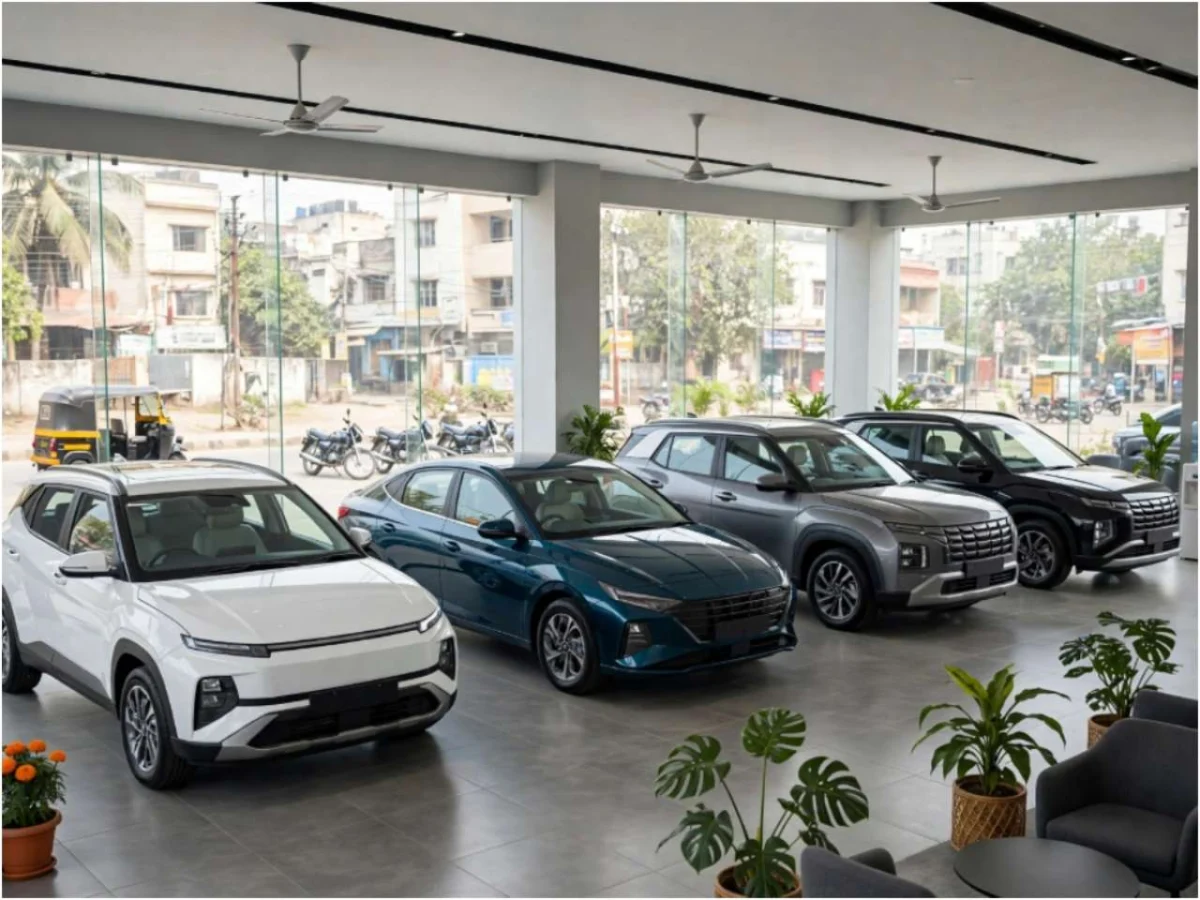
NEW DELHI, INDIA – In a move that will undoubtedly impact prospective car buyers, Hyundai Motor India Ltd. (HMIL), the nation’s second-largest automaker, has announced a significant price revision across its entire passenger vehicle lineup. Effective September 1, 2026, consumers planning to purchase a new Hyundai car will face a one percent increase in prices, a decision attributed to a confluence of rising input costs, higher operating expenses, and persistent global economic uncertainties. This marks the third such price adjustment by the South Korean auto giant within the current calendar year, signalling a challenging environment for both manufacturers and consumers in the dynamic automotive sector.
The impending price hike will encompass a wide array of popular models, ranging from entry-level hatchbacks like the Grand i10 Nios and i20, to compact SUVs such as the Exter and Venue, mid-size sedans like the Verna, and the highly sought-after Creta and Alcazar SUVs. Even Hyundai’s electric vehicle offerings, including the Creta Electric and the premium Ioniq 5, are not exempt from this latest revision. While the company has indicated an average increase of one percent, the precise quantum of the hike will vary depending on the specific model and variant, with detailed new price lists expected to be released closer to the implementation date. This recurring pattern of price increases underscores the mounting pressures faced by automakers in maintaining profitability amidst a volatile global economic landscape.
A Pattern of Price Adjustments: Hyundai’s 2026 Revisions
The announcement of a September price hike is not an isolated event but rather the latest in a series of adjustments made by Hyundai Motor India throughout 2026. This chronological pattern highlights a concerted effort by the automaker to adapt to evolving market conditions and cost structures.
January’s Initial Increase
The year 2026 began with Hyundai implementing its first price revision in January. This initial adjustment saw prices increase by an average of up to 0.6 percent, translating to an increment of approximately Rs 12,800 on certain models. At the time, the company cited similar reasons for the hike, primarily focusing on escalating raw material costs and increased operational expenditures. This early adjustment set the tone for the year, indicating that the automotive industry was already grappling with inflationary pressures and supply chain challenges carried over from previous periods. For many consumers, this was an early signal that the era of stable or decreasing car prices might be behind them.
)
June’s Follow-up Adjustment
Just a few months later, in June, Hyundai introduced its second price revision of the year. While the specific percentage or monetary value of this hike was not as widely detailed as the January or September announcements, it nonetheless contributed to the cumulative increase in vehicle ownership costs. This successive adjustment within a relatively short span of time further emphasized the sustained pressure on the automaker’s cost base. It also began to solidify the perception among industry analysts that price adjustments were becoming a more frequent occurrence in response to a continuously shifting economic environment, rather than annual or bi-annual events.
September’s Latest Adjustment: A Cumulative Impact
The upcoming one percent hike from September 1, 2026, therefore, represents the third such increase within eight months. Cumulatively, these adjustments signify a substantial rise in the cost of Hyundai vehicles over a relatively short period. For potential buyers who have been deferring their purchase decisions, this consistent upward trend presents a clear challenge. The repeated revisions underscore the persistent nature of the underlying economic factors influencing manufacturing costs and signal a strategic necessity for the company to maintain its financial health and investment capacity in new technologies and models. This pattern also suggests that automakers are increasingly proactive in passing on cost burdens to consumers rather than absorbing them, a shift reflective of tighter margins and increased regulatory compliance costs.

Industry-Wide Trend: A Broader Context
It is crucial to view Hyundai’s price hikes within the broader context of the Indian and global automotive industries. Many other manufacturers, both domestic and international, have also announced similar price revisions throughout the year, citing comparable reasons. This indicates that the challenges faced by Hyundai are not unique but are symptomatic of wider industry-wide issues. Factors such as global inflation, supply chain bottlenecks, rising energy prices, and increasing regulatory demands (e.g., stricter emission norms like BS6 Phase 2, enhanced safety standards, and real driving emission (RDE) compliance) affect all players. Therefore, while Hyundai’s individual announcements draw attention, they are part of a larger narrative of an industry grappling with unprecedented cost pressures and striving to maintain sustainable business models in a complex global economy.
Delving Deeper into the Reasons Behind the Hike
Hyundai’s justification for the price increase points to a combination of internal and external factors that have collectively driven up the cost of manufacturing and operating an automotive business. Understanding these underlying causes provides critical insight into the current state of the industry.
)
Rising Input and Commodity Costs
One of the primary drivers cited by Hyundai is the persistent increase in input and commodity costs. The automotive industry is heavily reliant on a diverse range of raw materials, and fluctuations in their prices directly impact production costs.
- Metals: Steel, aluminum, copper, and various precious metals (used in catalytic converters) are fundamental components of a car. Global prices for these commodities have seen significant volatility due to supply chain disruptions, increased demand from other sectors, and geopolitical events. For instance, energy-intensive production processes for steel and aluminum mean that rising global energy prices feed directly into their cost.
- Plastics and Polymers: Modern vehicles incorporate a substantial amount of plastic components, from interior trims to bumpers. The cost of crude oil, a key feedstock for plastics, has been subject to considerable fluctuations, directly impacting manufacturing expenses.
- Semiconductors: While the acute semiconductor shortage of previous years may have eased, the cost of these critical electronic components remains elevated, and their integration into increasingly sophisticated vehicle systems continues to add to the bill of materials.
- Logistics and Freight: The cost of transporting raw materials to factories and finished vehicles to dealerships has also surged. Higher fuel prices, increased port charges, and general inflationary pressures on logistics services contribute significantly to the overall cost base.
Higher Operating Expenses
Beyond raw materials, the day-to-day operational costs of running a large-scale manufacturing and sales network have also escalated.
)
- Labor Costs: Wage inflation, particularly for skilled labor in manufacturing and engineering roles, has been a consistent trend. Companies must offer competitive compensation to attract and retain talent, which adds to the overheads.
- Energy Costs: Manufacturing plants consume vast amounts of energy. Rising electricity tariffs and fuel prices for internal operations directly impact the cost of producing each vehicle.
- Research and Development (R&D): The automotive industry is in a perpetual state of innovation, particularly with the shift towards electric vehicles, autonomous driving technologies, and advanced safety features. Significant R&D investments are required to meet evolving consumer expectations and regulatory mandates, and these costs are ultimately factored into vehicle prices.
- Regulatory Compliance: Meeting increasingly stringent emission norms (like BS6 Phase 2 and RDE in India) and enhanced safety standards requires substantial investments in new technologies, design changes, and testing. These compliance costs are non-negotiable and add to the overall expense structure.
Geopolitical and Economic Uncertainty
The global geopolitical and economic landscape plays a critical role in shaping the automotive industry’s cost structure.
- Global Conflicts: Ongoing geopolitical conflicts, such as the war in Ukraine or tensions in the Red Sea, can disrupt established supply chains, increase shipping costs, and create uncertainty around commodity availability. These events have ripple effects across global markets.
- Currency Fluctuations: For international automakers like Hyundai, which often import components or repatriate profits, currency exchange rate volatility can significantly impact profitability and cost calculations. A weakening local currency can make imported components more expensive.
- Inflationary Pressures: Persistent inflation in major economies globally means that costs across the board, from raw materials to services, are on an upward trajectory. This general inflationary environment makes it difficult for companies to absorb costs without adjusting prices.
- Interest Rate Hikes: Central banks globally have raised interest rates to combat inflation. Higher interest rates increase the cost of borrowing for businesses, impacting capital expenditure, working capital, and overall financial costs. This indirectly contributes to the pressure to raise product prices.
Model-Specific Price Adjustments and Consumer Impact
The one percent hike, while seemingly modest, translates into tangible increases for consumers. The provided estimated new prices for base models illustrate this impact:
)
| Model | Previous Price (Ex-showroom, Base) | Estimated New Price (Ex-showroom, Base) | Monetary Increase | Percentage Increase (approx) |
|---|---|---|---|---|
| Grand i10 Nios | Rs 5.59 lakh | Rs 5.65 lakh | Rs 6,000 | 1.07% |
| i20 | Rs 5.99 lakh | Rs 6.05 lakh | Rs 6,000 | 1.00% |
| Aura | Rs 6.00 lakh | Rs 6.06 lakh | Rs 6,000 | 1.00% |
| Exter | Rs 5.81 lakh | Rs 5.86 lakh | Rs 5,000 | 0.86% |
| Venue | Rs 7.99 lakh | Rs 8.07 lakh | Rs 8,000 | 1.00% |
| Venue N Line | Rs 10.66 lakh | Rs 10.77 lakh | Rs 11,000 | 1.03% |
| Verna | Rs 10.99 lakh | Rs 11.10 lakh | Rs 11,000 | 1.00% |
| Creta | Rs 10.91 lakh | Rs 11.02 lakh | Rs 11,000 | 1.01% |
| Creta N Line | Rs 19.03 lakh | Rs 19.22 lakh | Rs 19,000 | 1.00% |
| Alcazar | Rs 14.51 lakh | Rs 14.65 lakh | Rs 14,000 | 0.96% |
| Creta Electric | Rs 18.03 lakh | Rs 18.21 lakh | Rs 18,000 | 1.00% |
| Ioniq 5 | Rs 55.71 lakh | Rs 56.27 lakh | Rs 56,000 | 1.00% |
As the table shows, the monetary increase ranges from Rs 5,000 for the Exter to Rs 56,000 for the Ioniq 5. While a few thousand rupees might seem negligible for higher-end models, for budget-conscious buyers considering entry-level segments, even a Rs 5,000-6,000 increase can influence their purchasing decision, especially when combined with rising fuel costs, insurance premiums, and financing interest rates. Furthermore, these are base model prices; higher variants with more features will see proportionally larger monetary increases. The lack of specific variant-wise prices until closer to the date adds a layer of uncertainty for consumers.
Hyundai’s Stance and Market Reactions
In the face of these persistent cost pressures, Hyundai’s decision to raise prices is presented as a necessary measure to maintain its operational viability, product quality, and investment in future technologies.
)
Hyundai’s Official Justification
While direct quotes are often scarce in such announcements, Hyundai’s official communication invariably frames these price revisions as a strategic imperative. The company emphasizes that the hikes are a direct response to the "unavoidable" increases in input costs, manufacturing expenses, and the need to mitigate the impact of external economic headwinds. The underlying message is that these adjustments are crucial for sustaining business profitability, ensuring the delivery of high-quality products, and continuing to invest in research and development to bring innovative and technologically advanced vehicles to the market. For a brand that prides itself on premium features and customer satisfaction, absorbing all cost increases indefinitely would compromise these core tenets.
Industry Analysts’ Perspectives
Industry analysts generally concur with the automakers’ justifications. Many experts view these price adjustments as a reflection of global economic realities. They point out that the automotive supply chain is highly interconnected and susceptible to disruptions from commodity markets, geopolitical tensions, and energy price volatility. Analysts often highlight that maintaining profit margins is essential for automakers to fund future growth, particularly the massive investments required for the transition to electric vehicles and advanced driver-assistance systems. However, some analysts also raise concerns about the frequency and cumulative impact of these hikes on consumer affordability, especially in price-sensitive markets like India. They question the elasticity of demand and whether continuous price increases might eventually lead to a slowdown in sales or a shift towards the used car market.
)
Dealer Network Preparedness
Hyundai’s extensive dealer network across India will be at the forefront of communicating these price changes to prospective customers. Dealerships are typically informed in advance and equipped with updated price lists and justification points to address customer queries. Often, there’s a surge in bookings just before a price hike as customers try to beat the deadline, followed by a potential temporary slowdown in sales immediately after the new prices come into effect. Dealers will likely emphasize the benefits of buying before September 1, while also highlighting the value proposition of Hyundai vehicles despite the marginal increase. Training sales staff to articulate the reasons behind the hike and manage customer expectations becomes crucial during such periods.
Consumer Sentiment
The recurring price hikes are likely to evoke mixed reactions among consumers. For those on the verge of purchasing a Hyundai, the announcement will create a sense of urgency, potentially leading to a rush of bookings in the last days of August to avail of the current prices. However, for those with longer purchase horizons or tighter budgets, these increases, especially when viewed cumulatively over the year, could lead to reconsideration. Some might explore alternative brands that haven’t raised prices as frequently, or they might opt for lower variants to stay within their budget. The used car market could also see increased demand as buyers seek more affordable options. Ultimately, consumer sentiment will depend on individual financial situations and the perceived value proposition of Hyundai cars relative to their competitors.
)
Broader Ramifications for the Automotive Market
The persistent upward trend in vehicle prices, exemplified by Hyundai’s multiple hikes, carries significant implications for the broader automotive market in India and beyond.
Impact on Sales and Market Share
Price sensitivity is a critical factor in the Indian automotive market, particularly in the entry-level and compact segments. While a one percent increase might not drastically deter buyers of premium models, it can be a deciding factor for those choosing between two closely priced vehicles or stretching their budget to buy their first car.
)
- Short-term Rush: Historically, price hike announcements trigger a temporary surge in sales as customers accelerate their purchase plans. August is likely to see an uptick in Hyundai sales.
- Post-hike Dip: This surge is often followed by a period of slower sales immediately after the new prices take effect in September, as the market adjusts.
- Long-term Impact: If other manufacturers do not follow suit, or if the economic environment for consumers remains challenging, Hyundai could face pressure on its sales volumes and market share in the medium to long term. Competitors offering stable or more competitive pricing could gain an advantage.
- Segment-Specific Effects: Entry-level models like the Grand i10 Nios and Exter, which compete in highly price-sensitive segments, might feel the impact more acutely than premium SUVs like the Creta or Alcazar, where buyers typically have higher disposable incomes.
Competitive Landscape
The automotive market is intensely competitive. Hyundai’s price hikes will inevitably influence the strategies of its rivals.
- Follow the Leader: Many competitors might use Hyundai’s move as a justification to implement their own price increases, especially if they are facing similar cost pressures. This could lead to a cascading effect across the industry, normalizing higher prices.
- Strategic Absorption: Conversely, some competitors, particularly those vying for market share or with more robust cost structures, might choose to absorb some of the rising costs to offer more attractive pricing. This could put pressure on Hyundai to re-evaluate its future pricing strategies or risk losing customers.
- Pricing Innovation: The continuous pressure might also push automakers to innovate in their pricing models, perhaps offering more subscription services, flexible ownership options, or value-added packages to sweeten the deal despite higher base prices.
Future Outlook for Car Buyers
For the average car buyer, the outlook suggests a continued upward trajectory for vehicle acquisition costs.
)
- New Normal: Frequent price adjustments might become the "new normal" rather than exceptional events, forcing consumers to factor in potential increases when planning their purchases.
- Financing Challenges: Higher car prices, coupled with rising interest rates on auto loans, will increase the overall cost of vehicle ownership. This could strain consumer budgets and potentially lead to longer loan tenures or larger down payments.
- Growing Appeal of Used Cars: The increasing cost of new vehicles inevitably boosts the attractiveness of the used car market. Well-maintained pre-owned vehicles offer a more affordable entry point into car ownership, and this segment is likely to see sustained growth.
- Impact on Electrification: While the government is pushing for EV adoption, continuous price hikes for models like the Creta Electric and Ioniq 5 could make them less accessible to a wider demographic, potentially slowing down the pace of electrification if subsidies and incentives don’t adequately offset the rising costs.
Manufacturing Strategies and Efficiency
Automakers are not passive recipients of cost pressures; they actively seek ways to mitigate them.
- Localization: Increased localization of components and raw materials can help reduce reliance on volatile international supply chains and currency fluctuations. Hyundai has a strong localization strategy in India, but there’s always room for more.
- Value Engineering: Companies continually engage in value engineering, optimizing designs and material usage to reduce costs without compromising quality or safety.
- Supply Chain Resilience: Investing in more robust and diversified supply chains can help buffer against future disruptions and ensure a steady flow of components at more predictable prices.
- Focus on Premiumization: With rising costs across the board, some manufacturers might pivot towards more premium segments where profit margins are higher, or focus on models that offer better economies of scale.
Government Policy and Economic Environment
The broader economic environment and government policies also play a crucial role.
)
- Taxation: Government taxes, such as GST and various cesses, form a significant portion of a vehicle’s final price. Any changes in these policies can have a direct impact.
- Infrastructure Development: Investments in infrastructure and logistics can help reduce transportation costs for manufacturers.
- Economic Growth: Overall economic growth and consumer purchasing power are vital for sustaining demand in the automotive sector. A buoyant economy helps consumers absorb price increases more readily.
Navigating the Evolving Automotive Landscape
Hyundai’s announcement of its third price hike for 2026 is a clear indicator of the persistent and multifaceted challenges confronting the global automotive industry. From soaring input and commodity costs to escalating operating expenses and the unpredictable nature of geopolitical and economic events, automakers are navigating a complex environment where maintaining profitability requires agile and often difficult decisions.
For consumers, these recurring price adjustments translate into higher acquisition costs for new vehicles, demanding more careful financial planning and potentially influencing brand choices or the consideration of alternatives like the burgeoning used car market. While the immediate impact will be felt by those planning a Hyundai purchase, the broader ramifications extend to the entire competitive landscape, influencing pricing strategies, sales volumes, and the pace of technological adoption, particularly in the nascent electric vehicle segment.
)
As the automotive sector continues its transformative journey towards sustainable mobility and advanced technologies, the balancing act between managing costs, investing in innovation, and ensuring affordability for consumers will remain a critical challenge for manufacturers like Hyundai. The evolving landscape necessitates constant adaptation, strategic foresight, and a keen understanding of both global economic currents and local market dynamics to sustain growth and meet the aspirations of millions of car buyers.