

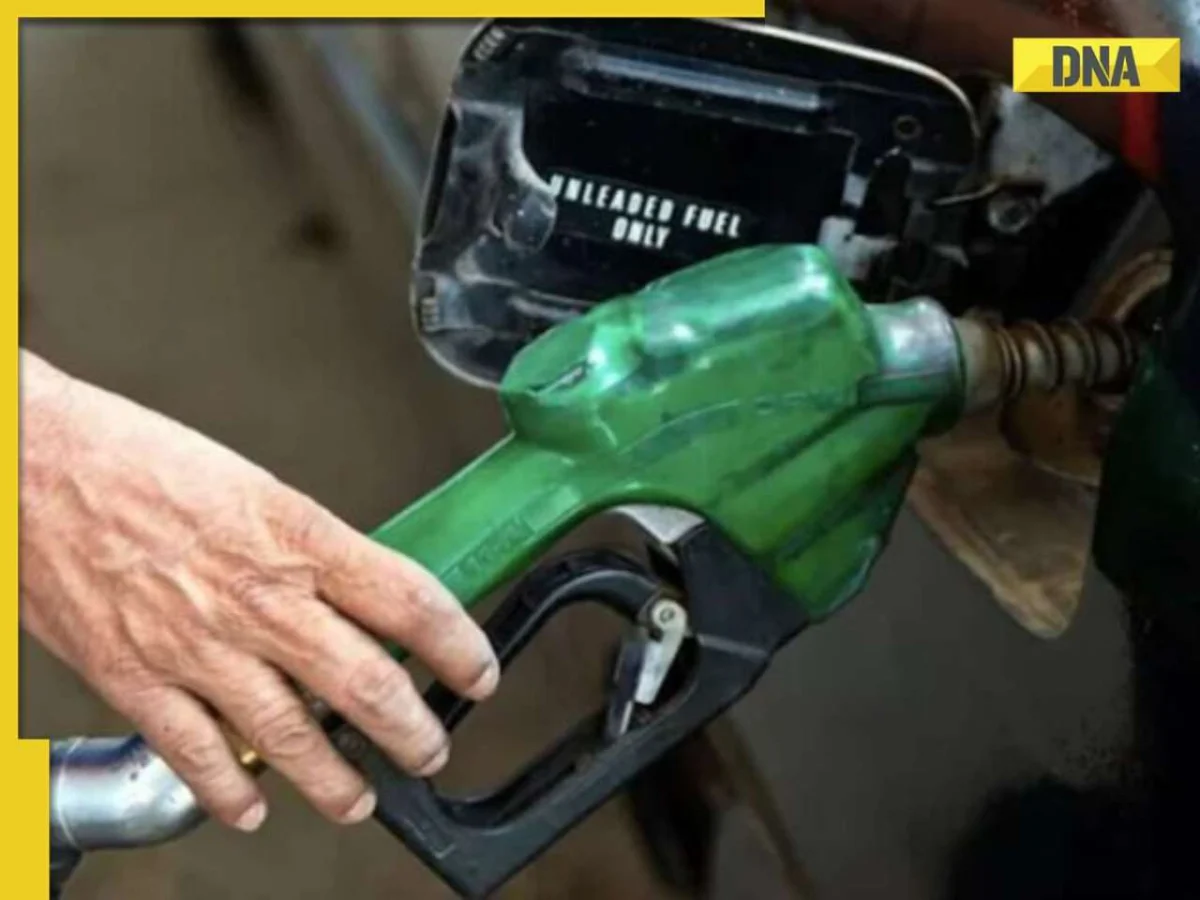
NEW DELHI, India – Indian consumers are facing a fresh wave of economic strain as petrol and diesel prices have been hiked for the third time in just over two weeks, pushing fuel costs to unprecedented levels. The latest increase, effective today, comes amidst a backdrop of escalating geopolitical tensions in West Asia, particularly involving Iran and the United States, which have sent global crude oil rates spiraling upwards. The repeated price revisions are fueling widespread inflation worries and significantly impacting household budgets across the nation.
The Ministry of Petroleum and Natural Gas had, only a day prior, sought to allay public fears by assuring adequate petrol and diesel supplies nationwide. However, this assurance has been quickly overshadowed by the new price hike, underscoring the deep sensitivity of India’s economy to international crude oil market dynamics and currency fluctuations.
Main Facts: A Triple Whammy for Consumers
The latest revision sees petrol becoming costlier by a significant Rs 0.87 per litre, while diesel prices have surged by Rs 0.91 per litre. This marks a substantial cumulative increase in a very short span, placing considerable burden on commuters and the logistics sector alike.
Following this most recent adjustment, the price of petrol in the national capital, Delhi, has reached Rs 99.51 per litre, edging closer to the psychological Rs 100 mark. Diesel, a critical fuel for commercial transport and agriculture, is now priced at Rs 92.49 per litre in Delhi. Similar, proportionate increases have been observed across other major Indian cities, reflecting the nationwide impact of these revisions.
)
The ripple effect of these hikes is immediate and profound. From daily commutes to the transportation of essential goods, every aspect of economic activity reliant on fuel is set to become more expensive. This exacerbates an already challenging economic environment, where inflation has been a persistent concern for policymakers and households. The direct link between crude oil prices and the cost of living in India is once again starkly evident, highlighting the nation’s vulnerability to external shocks.
Chronology of Escalation: A Series of Unsettling Hikes
The current price hike is not an isolated event but rather the latest in a rapid succession of increases that have defined the past few weeks. This period has seen an aggressive adjustment in fuel prices, signaling a critical juncture for India’s energy economy.

May 15: The First Jolt
The initial significant price revision occurred on May 15, when fuel prices were raised by a substantial Rs 3 per litre. This marked a sharp departure from relative stability, catching many consumers off guard and immediately sparking concerns about future trends. This hike was largely attributed to the initial impact of heightened tensions in West Asia, particularly the emergence of reports concerning US-Israeli military actions and their potential ramifications for global oil supply lines.
May 19: Another Step Up
Just four days later, on May 19, consumers faced another blow as petrol and diesel prices were increased by approximately 90 paise per litre. This second hike confirmed fears that the initial rise was not an anomaly but part of a developing trend driven by persistent volatility in the international crude oil market. By this point, the cumulative increase began to feel considerable, drawing attention from various sectors of the economy.
)
Today’s Revision: The Third Strike
The present hike, coming barely a week after the second, adds Rs 0.87 to petrol and Rs 0.91 to diesel prices. This brings the total increase in fuel costs to nearly Rs 5 per litre in just over a week. Such a rapid escalation in prices within such a compressed timeframe is unusual and indicative of severe underlying pressures in the global energy market. The speed and magnitude of these increases underscore the immediate and direct impact of international events on the domestic economy.
The cumulative effect of these three revisions has pushed fuel prices to levels that many consider unsustainable for long-term economic stability. The dynamic pricing mechanism, which allows for daily adjustments based on international crude oil prices and currency exchange rates, has, in this instance, translated global turmoil directly to the consumer’s wallet with alarming speed. This chronology of events paints a clear picture of an economy grappling with external pressures, struggling to absorb the shocks emanating from distant geopolitical flashpoints.
)
Supporting Data and Analysis: Unpacking the Causes
The rapid and significant increase in fuel prices in India is a complex phenomenon, rooted in a confluence of international geopolitical events, global economic dynamics, and India’s inherent energy vulnerabilities. Understanding these factors is crucial to grasping the full scope of the current crisis.
The Geopolitical Quagmire: US-Iran Tensions and West Asia Instability
Central to the current crisis are the escalating tensions in West Asia, specifically involving the United States and Iran. The original article makes direct reference to a "US war on Iran" and "US-Israeli strikes," alongside Iran’s response of "blocking the Strait of Hormuz." While the exact nature and scale of these conflicts may vary in global reporting, their perceived impact on the vital oil shipping lanes in the Persian Gulf is undeniable and catastrophic for market stability.
)
The Strait of Hormuz is a narrow chokepoint between the Persian Gulf and the Gulf of Oman, through which roughly one-fifth of the world’s total petroleum liquids consumption, and about one-third of all seaborne-traded oil, passes daily. Any threat of disruption or actual blockage of this strait sends immediate shockwaves through the global crude oil market, leading to speculative buying and sharp price increases. The stated "US-Israeli strikes" and Iran’s retaliatory measure of blocking this strategic waterway create an environment of extreme uncertainty, prompting traders to price in a significant risk premium for crude oil. This geopolitical instability directly translates into higher acquisition costs for crude oil globally.
Global Crude Oil Rates: Supply Disruptions and Speculation
Beyond the immediate conflict, the broader global crude oil market has been under pressure. Factors contributing to this include:
)
- Supply Concerns: The threat of disrupted supply from a major oil-producing region like West Asia inherently pushes prices up. Even the possibility of reduced output or constrained shipping routes is enough to trigger market panic.
- Demand Recovery: While not explicitly mentioned, a rebound in global economic activity post-pandemic periods can also contribute to increased demand for crude, further tightening markets.
- Inventory Levels: Global crude oil inventories, if low, can exacerbate price volatility during periods of uncertainty, as there is less buffer against supply shocks.
- OPEC+ Policies: Decisions by the Organization of the Petroleum Exporting Countries and its allies (OPEC+) regarding production cuts or increases also play a crucial role in balancing the market. Any perceived tightness or undersupply can be amplified by geopolitical events.
India’s Acute Vulnerability: The Import Dependency Factor
India is the world’s third-largest consumer of oil and heavily reliant on imports to meet its energy needs. The article correctly states that India relies on imports for over 88% of its crude oil requirements. This staggering dependency means that India is acutely vulnerable to fluctuations in international crude oil prices and geopolitical events in oil-producing regions. Unlike countries with significant domestic oil reserves, India has little insulation against external shocks. Every dollar increase in the price of a barrel of crude oil has a magnified impact on the national economy and, subsequently, on the consumer.
The Weakening Rupee: A Double Whammy
Adding another layer of complexity and cost is the depreciation of the Indian Rupee against the US Dollar. The article notes that the Rupee has weakened by about 6% against the US Dollar since the year began, currently standing at Rs 95.6 per dollar. This currency volatility has a direct and detrimental impact on fuel import costs. Even if the international price of crude oil remains stable in US Dollar terms, a weaker Rupee means that Indian importers have to pay more Rupees to purchase the same quantity of Dollars to buy crude. This effectively makes crude oil imports more expensive in local currency terms, directly contributing to higher pump prices for petrol and diesel. The combined effect of rising international crude prices and a depreciating Rupee creates a severe "double whammy" for India’s oil import bill.
)
Oil Marketing Companies (OMCs) Under Pressure
The three state-owned oil marketing firms—Indian Oil Corporation (IOC), Bharat Petroleum Corporation Limited (BPCL), and Hindustan Petroleum Corporation Limited (HPCL)—are at the forefront of this crisis. These OMCs are responsible for procuring crude oil, refining it, and distributing petroleum products across the country. The article highlights that these OMCs were reportedly losing close to Rs 1,000 crore daily on sales of petrol, diesel, and LPG due to high global crude prices.
This "under-recovery" situation arises when the retail selling price of fuel does not adequately cover the cost of crude oil acquisition, refining, and distribution, along with taxes. When global prices surge, OMCs absorb a portion of these increases to prevent sudden, sharp hikes for consumers, often incurring significant losses. However, these losses are unsustainable in the long run and necessitate price revisions to maintain financial viability. The current hikes are, in part, an attempt by these authorities to recover some of these substantial losses incurred from increased crude import costs. The dynamic pricing mechanism, while designed for market alignment, also allows OMCs to pass on these increased costs to consumers, albeit with a lag and often in increments.
)
Official Responses and Stakeholder Reactions: Balancing Act
The rapid surge in fuel prices has naturally elicited responses from government authorities and various stakeholders, each navigating a complex landscape of public sentiment, economic realities, and geopolitical pressures.
Ministry of Petroleum and Natural Gas: Assurance vs. Reality
A crucial aspect of the current situation is the official communication from the Ministry of Petroleum and Natural Gas. Just a day before the latest price hike, the Ministry issued a public assurance, stating: "India has adequate availability of petrol and diesel supplies across the country continue to remain stable. Citizens are advised to avoid panic buying and purchase fuel only as per actual requirement. Temporary pressure at some retail outlets is being addressed through continuous supply monitoring and coordinated distribution efforts by Oil Marketing Companies."
)
This statement aimed to calm public anxieties regarding potential supply shortages, a common concern during periods of geopolitical instability. However, the subsequent price hike immediately after this assurance created a dissonance. While the Ministry’s statement addressed supply availability, it implicitly acknowledged that the price of that supply was subject to external forces. The timing of the assurance, followed swiftly by a price increase, might be interpreted by some as a tactical move to prevent widespread panic buying that could exacerbate supply chain issues, even if the underlying reason for the price hike (cost of crude) remained. It highlights the government’s challenging task of managing both perception and reality during an energy crisis.
Oil Marketing Companies (OMCs): The Commercial Imperative
The state-owned OMCs – Indian Oil Corporation, Bharat Petroleum Corporation Limited, and Hindustan Petroleum Corporation Limited – are in a precarious position. Their reported daily losses of approximately Rs 1,000 crore underscore the immense financial pressure they face when international crude prices are high and domestic retail prices are not fully compensatory. These companies operate under a commercial mandate but also carry a public service obligation.
)
The decision to raise prices is not arbitrary but a necessary measure to restore financial health and ensure their capacity to continue importing and distributing fuel. Sustained under-recoveries can cripple their balance sheets, impacting their ability to invest in infrastructure, expand services, and maintain operational efficiency. The OMCs’ actions are therefore a direct reflection of the economic necessity to align domestic fuel prices with global market realities, even if it comes at the cost of public dissatisfaction.
The Government’s Dilemma: Revenue vs. Relief
Beyond the OMCs, the broader government faces a significant policy dilemma. Fuel taxation (excise duty and Value Added Tax or VAT) is a substantial source of revenue for both the central and state governments. This revenue is critical for funding public services, infrastructure projects, and various welfare schemes. When international crude prices rise, the government faces pressure to cut these taxes to provide relief to consumers. However, such cuts directly impact fiscal health, potentially leading to reduced public spending or increased borrowing.
)
The article mentions that "authorities are also trying to recover some of the losses from increased crude import costs." This could refer to OMCs, but it also hints at the broader government strategy of managing the financial impact of higher import bills. The government’s challenge is to balance the immediate need to cushion consumers from price shocks with the long-term imperative of maintaining fiscal stability and funding development initiatives. This balancing act often involves difficult choices that may not satisfy all stakeholders.
Consumer and Industry Reactions: Growing Discontent
Unsurprisingly, the back-to-back hikes in petrol and diesel prices have fueled widespread concerns among the general public and various industry sectors. Households are grappling with rising budgets, as increased fuel costs translate directly into higher expenses for transportation, food (due to increased logistics costs), and other daily necessities. This erosion of purchasing power leads to discontent and calls for government intervention.
)
Beyond individual consumers, industries reliant on transportation, such as manufacturing, agriculture, and logistics, are experiencing significant increases in operational costs. This can lead to reduced profitability, slower economic activity, and, ultimately, higher prices for end-consumers, further exacerbating inflationary pressures. The recent increases in CNG and PNG prices in multiple cities, as mentioned in the article, deepen these concerns, indicating a broader inflationary trend across the energy sector.
Implications and Outlook: Navigating an Uncertain Future
The current surge in fuel prices in India, driven by a volatile mix of global geopolitical conflicts and domestic economic factors, carries profound implications for the nation’s economy, policy landscape, and social fabric. The outlook remains uncertain, demanding strategic foresight and adaptive policy responses.
)
Economic Impact: Inflationary Spiral and Growth Headwinds
The most immediate and pervasive implication is the intensification of inflationary pressures. Fuel is a foundational input cost for almost every sector of the economy. Higher diesel prices directly translate to increased freight charges, pushing up the cost of transporting goods—from agricultural produce to manufactured products. This "cost-push" inflation cascades through the economy, making everyday essentials more expensive and eroding the purchasing power of households. The Reserve Bank of India (RBI) will likely face heightened pressure to manage inflation, potentially influencing monetary policy decisions, including interest rate adjustments, which could further impact economic growth.
Moreover, rising fuel costs act as a drag on economic growth. Businesses face higher operational expenses, potentially squeezing profit margins and discouraging investment. Consumers, with more disposable income allocated to fuel, may reduce spending on other goods and services, dampening overall demand. This could create a challenging environment for India’s post-pandemic recovery efforts, potentially slowing down the trajectory of economic expansion. The burden on household budgets is substantial, particularly for lower and middle-income groups, who spend a larger proportion of their income on essential goods and transport.
)
Policy Challenges: The Tightrope Walk
The government is confronted with a formidable policy challenge. It must navigate a tightrope, balancing several critical objectives:
- Consumer Welfare: Providing relief to citizens from the burden of high fuel prices.
- OMC Profitability: Ensuring the financial health and operational viability of state-owned oil marketing companies.
- Fiscal Health: Maintaining government revenues from fuel taxes to fund essential public services and development projects.
- Energy Security: Developing long-term strategies to insulate India from global oil price volatility.
Potential policy responses could include temporary reductions in excise duties or state-level VAT, which would provide immediate relief but come at a cost to government revenues. Discussions around direct subsidies, while politically appealing, have historically led to significant fiscal burdens. The government may also need to consider utilizing its strategic petroleum reserves, if feasible, to stabilize supplies and temper market speculation, though this is typically reserved for more severe supply disruptions.
)
Geopolitical Outlook: A Persistent Threat
The immediate outlook for global crude oil prices remains intrinsically linked to the geopolitical situation in West Asia. As long as tensions involving Iran, the US, and their allies persist, and as long as there is a perceived threat to vital shipping lanes like the Strait of Hormuz, global crude oil prices are likely to remain elevated and volatile. Any de-escalation of conflict, diplomatic breakthroughs, or increased oil production from other regions could provide some respite. However, the inherent instability of the region suggests that geopolitical risks will continue to be a significant factor influencing energy markets for the foreseeable future. Expert forecasts are often cautious, predicting continued volatility rather than a swift return to lower prices.
Long-term Solutions: Towards Energy Resilience
In the long run, India’s vulnerability to global oil price shocks underscores the urgent need for a robust and diversified energy security strategy. This involves:
)
- Diversification of Import Sources: Exploring and securing crude oil supplies from a wider array of countries to reduce reliance on any single region.
- Strategic Petroleum Reserves (SPR): Expanding SPR capacity to provide a greater buffer against supply disruptions and price volatility.
- Renewable Energy Transition: Accelerating the transition to renewable energy sources (solar, wind, hydro) to reduce overall dependence on fossil fuels. This not only enhances energy security but also aligns with climate change goals.
- Energy Efficiency: Promoting greater energy efficiency across all sectors of the economy to reduce overall demand for petroleum products.
- Alternative Fuels: Investing in and promoting alternative fuels for transportation, such as electric vehicles, biofuels, and hydrogen, to reduce reliance on petrol and diesel.
The current crisis serves as a stark reminder of India’s energy challenges and the imperative to build a more resilient and sustainable energy future. While immediate measures are needed to cushion the impact on consumers, the long-term solution lies in a comprehensive strategy that addresses both the supply and demand sides of the energy equation, moving towards greater self-reliance and reduced vulnerability to external shocks.
Find your daily dose of All Latest News including Sports News, Entertainment News, Lifestyle News, explainers & more. Stay updated, Stay informed- Follow DNA on WhatsApp.
