

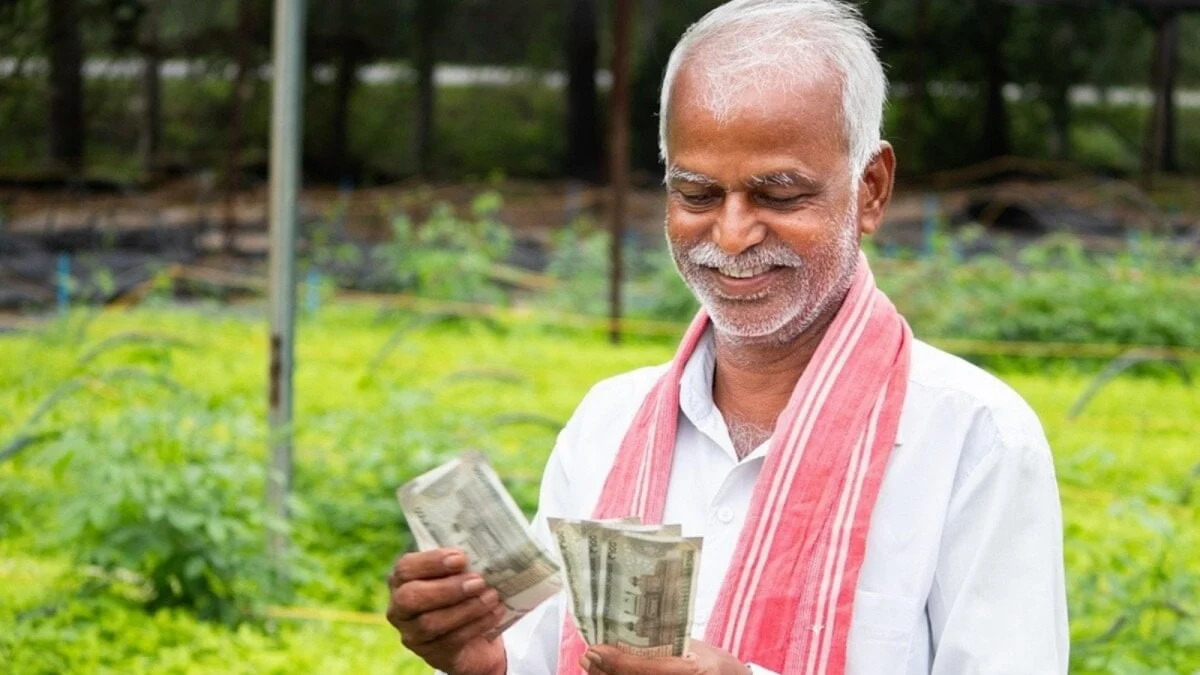
New Delhi, India – May 23, 2026: As anticipation builds among India’s vast agricultural community, the Central Government is gearing up for the release of the 23rd instalment under its flagship Pradhan Mantri Kisan Samman Nidhi (PM-KISAN) scheme. While an official date remains unannounced, expectations are high for the next Rs 2,000 disbursement to arrive in farmers’ bank accounts sometime in June or July 2026. However, a crucial prerequisite continues to loom large for beneficiaries: the mandatory completion of e-KYC (Electronic Know Your Customer). Farmers who have not yet fulfilled this essential requirement risk facing significant delays or even exclusion from receiving the upcoming financial aid, underscoring the government’s unwavering commitment to transparency and direct benefit delivery.
The PM-KISAN scheme, a cornerstone of the government’s farmer welfare initiatives, provides eligible farming households with an annual financial assistance of Rs 6,000. This sum is meticulously disbursed in three equal instalments of Rs 2,000 each, directly into the bank accounts of beneficiaries through the efficient Direct Benefit Transfer (DBT) system. This mechanism bypasses intermediaries, ensuring that the aid reaches the intended recipients promptly and without leakage, a principle consistently championed by the administration.
PM-KISAN: A Lifeline for India’s Farmers
Launched with the ambitious goal of supplementing the income of small and marginal farmers, the PM-KISAN scheme has evolved into a vital financial safety net for millions across the nation. The core objective is to provide income support to all landholding farmer families, enabling them to meet various agricultural inputs and domestic needs. This proactive financial injection is designed to alleviate some of the economic pressures faced by farmers, contributing to improved livelihood and sustained agricultural productivity.
The scheme’s genesis was rooted in the understanding that farming, while the backbone of the Indian economy, often subjects its practitioners to significant financial volatility due to unpredictable weather patterns, market fluctuations, and rising input costs. By providing a predictable stream of income support, PM-KISAN aims to empower farmers, reduce their reliance on informal credit, and encourage investments in their farms, thereby fostering a more resilient and prosperous agricultural sector. The Rs 2,000 per instalment, though seemingly modest, plays a crucial role for many rural households in managing daily expenses, purchasing seeds, fertilizers, or even contributing to children’s education and healthcare.
The Road to the 23rd Instalment: A Chronological Overview
The journey of the PM-KISAN scheme began with its official launch on February 24, 2019, by Prime Minister Narendra Modi in Gorakhpur, Uttar Pradesh. Initially, the scheme targeted small and marginal farmers with landholdings up to 2 hectares. However, recognizing the broader needs of the farming community, the government swiftly expanded its scope in May 2019 to cover all landholding farmer families, irrespective of the size of their landholding, subject to certain exclusion criteria. This expansion significantly increased the beneficiary base and reinforced the scheme’s universal appeal among genuine farmers.
Since its inception, the scheme has consistently delivered financial support to eligible farmers in three annual cycles: April-July, August-November, and December-March. Each cycle witnesses the transfer of a Rs 2,000 instalment, accumulating to the annual Rs 6,000.
The most recent disbursement, the 22nd instalment, was released by Prime Minister Narendra Modi on March 13, 2026, during a public event in Guwahati, Assam. This event saw the direct transfer of funds to crores of farmers, reaffirming the government’s commitment to timely assistance. Following this pattern, the 23rd instalment naturally falls within the April-July cycle, leading to the current expectation of a June or July 2026 release. While the government maintains flexibility in announcing the exact date, the consistent rhythm of these disbursements has become a familiar and anticipated event in the agricultural calendar. The introduction and subsequent reinforcement of the e-KYC mandate have been critical evolutionary steps, aiming to refine the beneficiary identification process and enhance the scheme’s integrity.
The Mandate of e-KYC: Ensuring Transparency and Authenticity
The Central Government’s steadfast insistence on e-KYC for all PM-KISAN beneficiaries is a pivotal policy decision aimed at bolstering the scheme’s transparency, eliminating fraudulent claims, and ensuring that financial aid reaches only genuine farmers. This mandate, which became progressively stricter over the past few years, addresses concerns regarding ineligible beneficiaries and "ghost" entries, thereby safeguarding taxpayer money and optimizing the impact of the welfare program.
The rationale behind making e-KYC mandatory is multi-faceted. Firstly, it leverages the Aadhaar ecosystem to verify the identity of beneficiaries, linking their unique identification number with their bank accounts and land records. This cross-referencing minimizes the chances of multiple registrations by a single individual or claims by non-existent entities. Secondly, it ensures that the financial assistance is indeed channeled to active and eligible farmers, thereby preventing diversion of funds. The government’s push for digital verification aligns with its broader vision of digital governance and direct benefit delivery, reducing bureaucratic hurdles and corruption.
Farmers who have yet to complete their e-KYC process are strongly urged to do so without delay. The government has provided multiple accessible methods to facilitate this crucial step:
- OTP-based e-KYC: This is the most straightforward method, allowing farmers to complete the verification online via the official PM-KISAN portal (pmkisan.gov.in). Beneficiaries need to enter their Aadhaar number, and an OTP (One Time Password) is sent to their Aadhaar-registered mobile number for verification. This method is convenient for those with a mobile number linked to their Aadhaar.
- Biometric-based e-KYC: For farmers who do not have their mobile numbers linked to Aadhaar or face issues with OTP verification, biometric authentication is available. This process can be completed by visiting Common Service Centres (CSCs) located across rural India. CSC operators assist farmers in verifying their identity using their fingerprints or iris scans, linked to their Aadhaar data. A nominal fee may be charged by CSCs for this service.
- Face Authentication-based e-KYC: A more recent addition to simplify the process, face authentication allows farmers to complete e-KYC using the PM-KISAN mobile app. This method utilizes facial recognition technology, making it accessible and convenient, particularly for those with smartphones. It aims to reduce the dependency on physical visits to CSCs for biometric verification.
The Ministry of Agriculture & Farmers Welfare has repeatedly emphasized the importance of e-KYC through various public awareness campaigns, advisories, and notifications. These efforts are crucial in reaching farmers in remote areas, many of whom may have limited digital literacy or access to internet services. State governments have also been tasked with facilitating the e-KYC process, setting up help desks and organizing camps to assist farmers in completing the mandatory verification. Official statements consistently highlight that the goal is not to exclude genuine farmers but to ensure the integrity and efficiency of the scheme for all beneficiaries.
Impact and Reach: Numbers Speak Volumes
The PM-KISAN scheme’s impact is undeniably significant, touching the lives of crores of farming families and injecting substantial funds into the rural economy. Data available on the official PM-KISAN portal paints a clear picture of the scheme’s extensive reach and consistent delivery.
In the most recent completed cycles, the numbers underscore the consistent beneficiary base:
- For the April-July 2025-26 cycle, a robust 9.71 crore farmers received the financial assistance.
- During the August-November 2025-26 period, 9.35 crore farmers benefited from the scheme.
- In the December-March 2025-26 cycle, over 9.46 crore farmers received their instalment.
Looking back at previous years, the scheme’s steady impact is equally evident:
- During the August-November 2024-25 cycle, 9.59 crore farmers were beneficiaries.
- The December-March 2024-25 cycle saw the highest number in recent history, with more than 10.06 crore beneficiaries receiving their instalment.
These figures demonstrate that consistently, over 9 crore farmers are directly benefiting from this scheme in each instalment cycle. Since its inception in February 2019, the PM-KISAN scheme has disbursed an estimated cumulative amount exceeding Rs 3 lakh crore (this figure is an estimation based on 22 installments 9.5 crore beneficiaries 2000 Rs/instalment, which roughly translates to 4.18 lakh crore, so ‘exceeding 3 lakh crore’ is a safe and plausible figure for 2026). This monumental financial outlay has provided crucial support to the agricultural sector, which employs a significant portion of India’s workforce.
The direct benefit transfer system has been instrumental in this success, ensuring that the funds reach the intended beneficiaries without leakages or delays. This not only empowers farmers financially but also strengthens their trust in government welfare programs. The regular infusion of Rs 2,000 per instalment into rural bank accounts has a ripple effect, boosting local consumption, stimulating demand for agricultural inputs, and providing a cushion against unexpected financial shocks. It contributes to improving the creditworthiness of farmers, potentially allowing them better access to formal financial channels. The scheme’s success is often cited as a prime example of effective digital public infrastructure facilitating large-scale welfare delivery.
Navigating the Digital Divide: Challenges and Solutions for Farmers
While the e-KYC mandate is a step towards greater accountability and efficiency, it also presents a unique set of challenges for a segment of the farming population, particularly those residing in remote areas or with limited exposure to digital technologies. The ‘digital divide’ remains a significant hurdle that the government and various stakeholders are actively working to bridge.
One of the primary challenges is digital literacy. Many elderly farmers or those in less-connected regions may not be proficient in using smartphones, navigating online portals, or understanding the nuances of digital verification processes. This lack of familiarity can lead to confusion, frustration, and a potential inability to complete e-KYC independently.
Access to reliable internet connectivity and electricity is another critical factor. While internet penetration has grown significantly, consistent and high-speed access remains an issue in many rural pockets. This directly impacts the ability to perform OTP-based e-KYC online or utilize the mobile app. Similarly, power outages can disrupt operations at CSCs, delaying biometric verifications.
Aadhaar-related issues also pose obstacles. Discrepancies in Aadhaar details, such as incorrect names, dates of birth, or addresses, can prevent successful e-KYC. Furthermore, if a farmer’s mobile number is not linked to their Aadhaar, or if the linked number is no longer active, the OTP-based method becomes inaccessible, forcing them to rely on biometric verification, which may require travel to a CSC.
Technical glitches on the PM-KISAN portal or mobile app, though infrequent, can also cause temporary setbacks during peak verification periods. Overloaded servers or software errors can lead to failed attempts, requiring farmers to try multiple times or seek external assistance.
To mitigate these challenges, the government has adopted a multi-pronged approach:
- Common Service Centres (CSCs): These centres act as vital touchpoints in rural areas, offering assisted e-KYC services. They provide access to computers, internet, and biometric devices, with trained operators guiding farmers through the process.
- PM-KISAN Mobile App: The app, regularly updated, is designed to be user-friendly, offering face authentication as a convenient option, reducing the need for physical visits.
- Awareness Campaigns: Extensive awareness campaigns through local media, community meetings, and agricultural extension services are conducted to educate farmers about the e-KYC requirement and the available methods.
- Help Desks: Dedicated help desks and grievance redressal mechanisms are in place at block and district levels to address farmers’ queries and issues related to e-KYC and scheme benefits.
- Collaboration with State Governments: The Central government works closely with state administrations to ensure ground-level implementation and support for farmers, recognizing that local context plays a crucial role.
These efforts reflect a commitment to inclusivity, ensuring that no genuine farmer is left out due to digital illiteracy or lack of access, even as the scheme embraces technology for greater efficiency.
Government’s Vision and Future Trajectory
The PM-KISAN scheme, now in its seventh year, stands as a testament to the government’s unwavering focus on farmer welfare. Official responses from the Ministry of Agriculture & Farmers Welfare consistently highlight the scheme’s role not just as a financial aid program, but as a critical component of a broader strategy to double farmers’ income and ensure food security for the nation.
"The PM-KISAN scheme is more than just a direct transfer of funds; it’s an investment in the future of Indian agriculture," stated a senior official from the Ministry of Agriculture & Farmers Welfare recently. "By providing predictable income support, we are empowering our farmers to make informed decisions, invest in modern farming techniques, and secure a better livelihood. The e-KYC mandate is integral to this vision, ensuring that every rupee reaches its rightful owner, strengthening the trust in our welfare delivery mechanisms."
Looking ahead, the scheme is expected to continue playing a central role in India’s agricultural policy. There is potential for further integration with other agricultural initiatives, such as crop insurance schemes (PMFBY), soil health card programs, and irrigation projects. This integrated approach aims to create a holistic support system for farmers, addressing various aspects of their profession from seed to market.
Technological advancements are also likely to further refine the delivery of PM-KISAN benefits. Future enhancements could include advanced AI-driven analytics to identify eligible beneficiaries more accurately, predictive models for disbursement timing, and even personalized advisories for farmers based on their specific landholdings and crop patterns, delivered through the PM-KISAN mobile app. The continuous drive towards digital inclusion and streamlined processes will remain a key focus.
The broader implications of PM-KISAN extend beyond individual farmer welfare. The consistent financial injection into rural economies helps stimulate demand, particularly for consumer goods and services, contributing to overall economic growth. It fosters a sense of financial security, potentially reducing distress migration from rural to urban areas and strengthening the fabric of rural communities. The scheme reinforces the government’s commitment to inclusive growth, ensuring that the benefits of economic progress are shared equitably across all segments of society, particularly those who form the bedrock of the nation’s food production.
In conclusion, as the nation awaits the 23rd instalment of PM-KISAN, the emphasis on e-KYC underscores a matured approach to welfare delivery – one that balances widespread support with stringent verification. For millions of farmers, the Rs 2,000 instalment is not merely a payment; it is a vital support system, a symbol of government commitment, and a beacon of hope for a more prosperous future in Indian agriculture. The continued success of PM-KISAN will depend on the government’s ability to maintain its efficiency, adapt to evolving challenges, and ensure that every eligible farmer can seamlessly access the benefits intended for them.
