

New Delhi | June 13, 2026, 02:00 PM IST | 3 min read
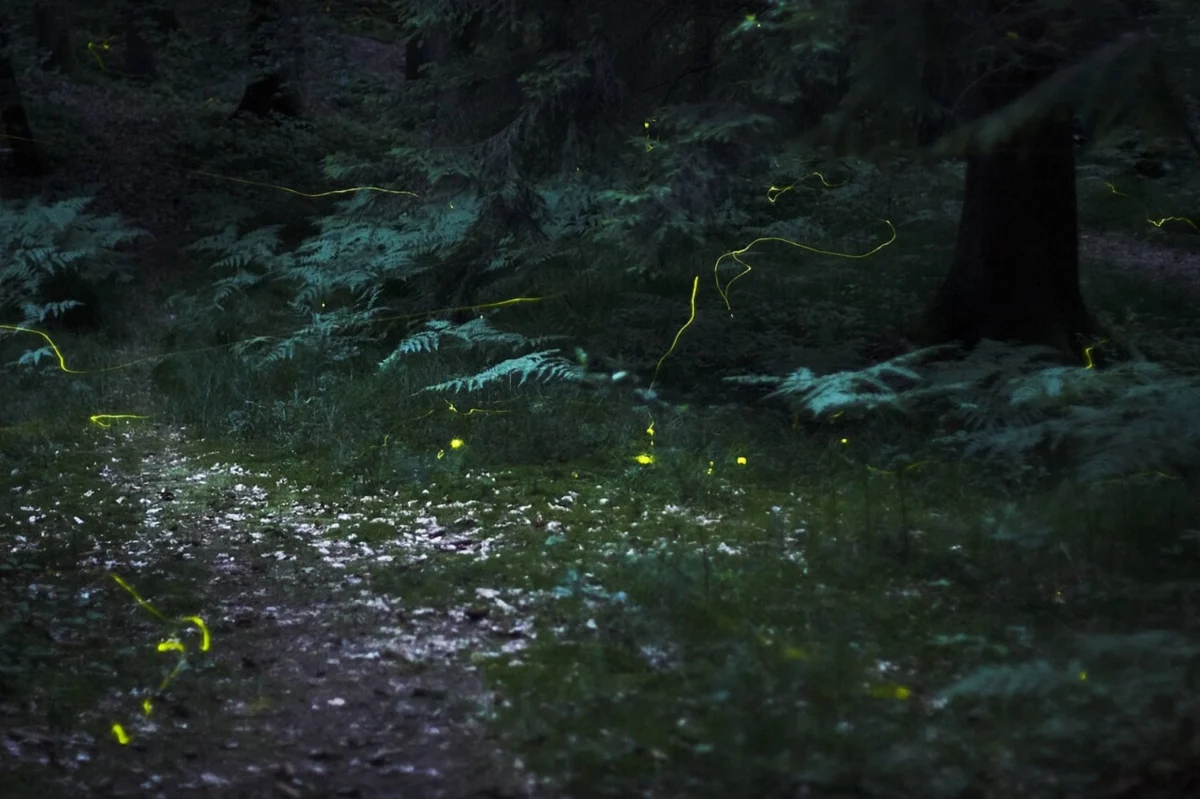
As the monsoon showers embrace India, painting the landscapes in vibrant hues of green, a more ethereal transformation begins to unfold under the cloak of darkness. Across the nation’s verdant forests, a magical spectacle ignites the night: thousands upon thousands of fireflies emerge, their synchronized bioluminescence transforming dense undergrowth and sprawling canopies into living, glittering constellations. This natural light show, a fleeting wonder of the rainy season, beckons nature enthusiasts, photographers, and wildlife aficionados to venture into the wilderness and witness one of the planet’s most enchanting phenomena.
For those seeking an immersive experience with nature’s artistry, the firefly season presents an unparalleled opportunity. The humid embrace of the monsoon, coupled with the lush vegetation that flourishes during this period, creates ideal breeding grounds for these fascinating bioluminescent insects. Their mating rituals, expressed through a dazzling display of pulsating lights, turn ordinary forest paths into pathways of pure enchantment. This article delves into the captivating world of India’s firefly season, exploring the prime locations where this magical phenomenon can be witnessed, the science behind their glow, and the growing importance of responsible tourism to protect this delicate natural marvel.
The Symphony of Light: Prime Destinations for Firefly Encounters
India, with its diverse topography and rich biodiversity, offers several pockets where the firefly season reaches its zenith. These locations, often nestled within the Western Ghats and other biodiverse regions, become temporary havens for these twinkling creatures, drawing visitors from far and wide.
Purushwadi, Maharashtra: The Crown Jewel of Firefly Tourism
Nestled in the Sahyadri mountain range, Purushwadi, a small tribal village in Maharashtra, has rightfully earned its reputation as India’s most celebrated firefly destination. The village’s proximity to the Western Ghats, combined with its pristine natural environment, makes it a crucial breeding ground for fireflies. The spectacle here begins just before the monsoon peaks, with the forests surrounding Purushwadi coming alive with an almost unbelievable density of glowing insects.
Local communities in Purushwadi have embraced this natural wonder, organizing unique firefly festivals. These festivals offer visitors a chance to participate in guided night walks, led by experienced locals who understand the forest’s rhythm and the fireflies’ behavior. Camping under the starlit sky, punctuated by the gentle pulse of firefly light, is an experience that etches itself into the memory. The communal involvement in organizing these events not only provides a sustainable income for the villagers but also fosters a deep sense of custodianship over their natural heritage. The sheer abundance of fireflies in Purushwadi during this period is often described as overwhelming, a celestial dance enacted on Earth.
Rajmachi Forests, Maharashtra: A Verdant Canvas for Bioluminescence
Situated strategically between the popular hill stations of Lonavala and Karjat, the Rajmachi region is another Maharashtra gem renowned for its spectacular firefly displays. The pre-monsoon and monsoon months transform this area into a bioluminescent wonderland. The landscape, characterized by dense forests, ancient forts like Shrivardhan and Manoranjan, and rolling hills, provides the perfect ecological niche for these light-emitting insects.
A night trek through the Rajmachi forests during the firefly season is an experience that transcends the ordinary. As dusk settles, the vegetation begins to shimmer with countless points of light. The darkness is not an absence of light, but rather a canvas upon which the fireflies paint their luminous story. The trails winding through the dense foliage become illuminated, guiding trekkers through a surreal, almost otherworldly environment. The ancient forts, silhouetted against the night sky, add a historical grandeur to the natural spectacle, creating a truly unforgettable ambiance. The interplay of the monsoon mist, the dark forests, and the intermittent flashes of firefly light creates a captivating and deeply immersive experience.
Bhimashankar Wildlife Sanctuary, Maharashtra: A Haven of Biodiversity and Light
As a significant part of the Western Ghats biodiversity hotspot, Bhimashankar Wildlife Sanctuary is a sanctuary in every sense of the word, offering not only a refuge for diverse flora and fauna but also a breathtaking display of firefly gatherings. The sanctuary’s rich forest cover, coupled with the high humidity and minimal light pollution characteristic of such protected areas, creates an idyllic environment for fireflies.
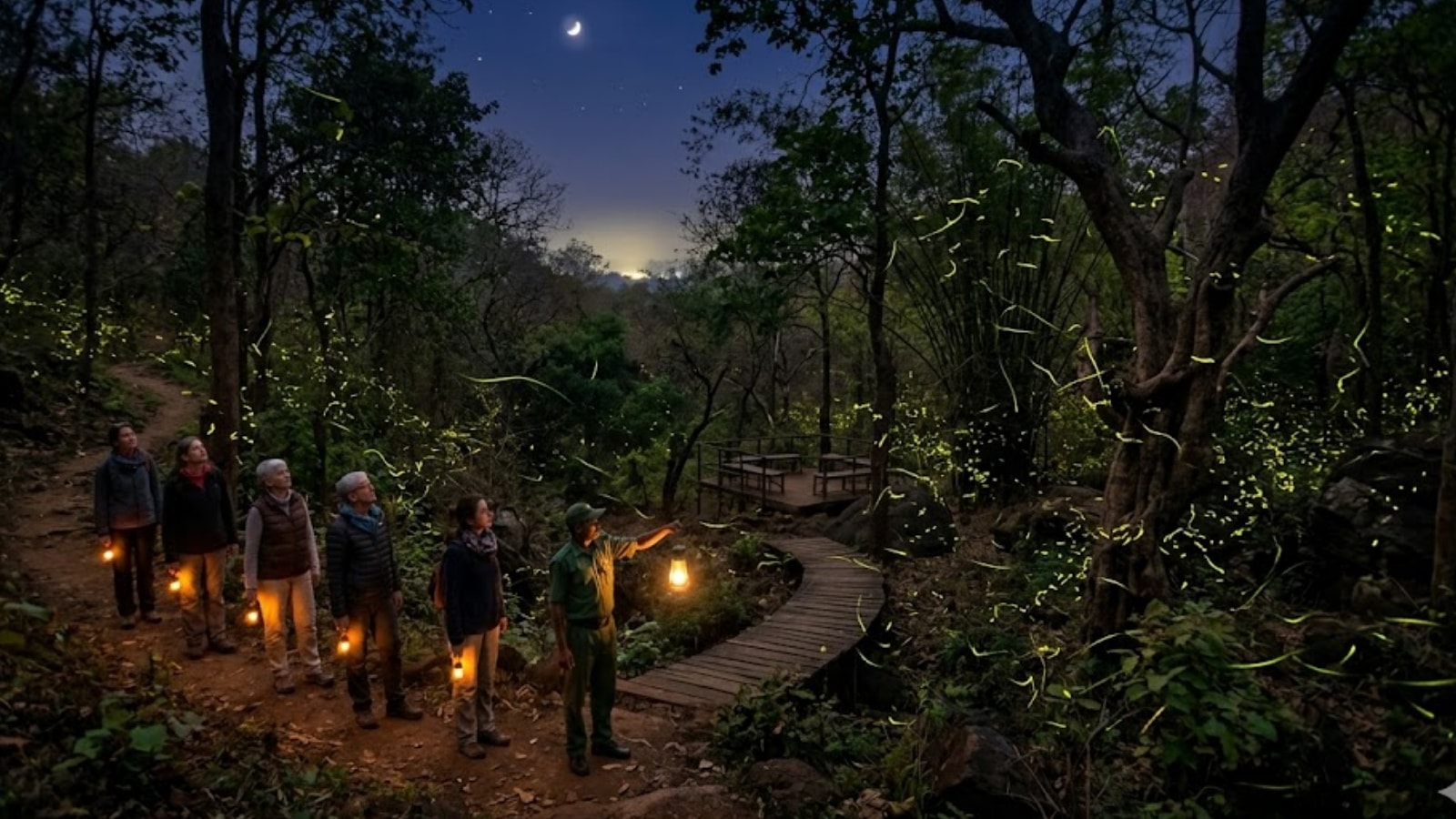
During the monsoon months, the sanctuary transforms into a natural amphitheater for bioluminescence. Visitors venturing along the forest paths are often greeted by trails of glowing insects, their synchronized flashes creating mesmerizing patterns in the darkness. The dense foliage provides ample shelter and sustenance for the fireflies, and the absence of artificial light allows their natural glow to be fully appreciated. The experience of walking through Bhimashankar at night during this season is one of profound connection with nature, where the sounds of the forest are accompanied by a visual symphony of light. The sanctuary’s commitment to conservation ensures that these delicate ecosystems remain undisturbed, allowing the firefly population to thrive.
Anamalai Tiger Reserve, Tamil Nadu: Mist-Kissed Forests Aglow
Extending beyond its primary role as a sanctuary for the majestic tiger, the Anamalai Tiger Reserve in Tamil Nadu also offers a captivating spectacle of fireflies during the rainy season. Located in the picturesque Western Ghats, certain parts of the reserve, particularly the moist forested areas, come alive with the ethereal glow of these bioluminescent insects.
The Anamalai Tiger Reserve provides a unique backdrop for firefly viewing. The combination of mist-laden forests, the gentle caress of monsoon showers, and the twinkling lights of thousands of fireflies creates a magical atmosphere that amplifies the reserve’s inherent natural beauty. The experience is one of profound tranquility and wonder, where the vibrant ecosystem of the reserve is illuminated by nature’s own fairy lights. The reserve’s commitment to preserving its natural habitats ensures that these delicate ecosystems, crucial for species like fireflies, are protected. The mist, often present in the Western Ghats during the monsoon, adds an ethereal quality to the firefly displays, making the experience even more surreal and memorable.
The Science Behind the Spark: Understanding Bioluminescence
The captivating glow of fireflies is a testament to the intricate chemistry of nature, powered by a process known as bioluminescence. This natural phenomenon occurs when a living organism produces and emits light through a chemical reaction. In fireflies, this reaction primarily involves a molecule called luciferin, an enzyme called luciferase, adenosine triphosphate (ATP), and oxygen.
When luciferin interacts with oxygen in the presence of luciferase and ATP, it undergoes an oxidation process that releases energy in the form of light. This light is often described as "cold light" because very little heat is generated during the reaction, making it highly efficient. The specific pattern and duration of the flashes are unique to different species of fireflies, serving as a sophisticated communication system, particularly for mating purposes.
During the monsoon season, several environmental factors converge to create ideal conditions for firefly reproduction and activity. The high humidity ensures that the fireflies do not dehydrate, while the moderate temperatures are conducive to their metabolic processes. Furthermore, the abundant rainfall fuels the growth of lush vegetation, providing both shelter and food sources for the larvae and adult fireflies. This confluence of factors leads to a significant surge in firefly populations, resulting in the spectacular displays witnessed during this period. The synchronized flashing observed in some species is believed to be a way for males and females to locate each other in the dense foliage, with males often flashing specific patterns to attract females, who then respond with their own unique signals.
Responsible Tourism: Preserving the Magic for Future Generations
While the allure of witnessing fireflies in their natural habitat is undeniable, it is imperative for visitors to adopt responsible tourism practices. Fireflies, despite their mesmerizing glow, are delicate creatures highly sensitive to disturbances. Their survival and the continuation of this natural spectacle depend on minimizing human impact.
Key principles for responsible firefly tourism include:
- Respecting the Habitat: Visitors should stick to designated trails and avoid venturing off-path into sensitive ecological zones. Trampling vegetation can damage firefly habitats and disrupt their breeding cycles.
- Minimizing Light Pollution: Artificial lights from torches, cameras, and mobile phones can interfere with the fireflies’ natural communication and mating rituals. It is advisable to use red-filtered torches if absolutely necessary and keep them directed downwards. Modern cameras with good low-light performance can often capture images without the need for strong external lighting.
- Avoiding Capture or Disturbance: Fireflies should never be captured or handled. Their natural environment is where they thrive. Disturbing them, even for a closer look, can be detrimental.
- Silent Observation: Loud noises can startle and disorient the fireflies. Quiet observation allows for a more immersive and respectful experience, and it also helps in observing the subtle nuances of their behavior.
- Supporting Local Communities: Engaging with local guides and participating in community-organized tours not only provides valuable insights into the local ecosystem but also ensures that tourism benefits the people who are actively involved in conservation efforts.
- Waste Management: Carrying out all waste, including food wrappers and plastic, is crucial to maintaining the pristine nature of these forest areas.
By adhering to these guidelines, nature lovers can ensure that their visit contributes to the preservation of this extraordinary natural wonder, allowing future generations to experience the magic of India’s bioluminescent forests. The enchantment of the firefly season is a privilege, and it is our collective responsibility to protect it. The synchronized blinking of these tiny insects is a reminder of the delicate balance of nature and the profound beauty that can be found when we tread lightly upon the Earth.
