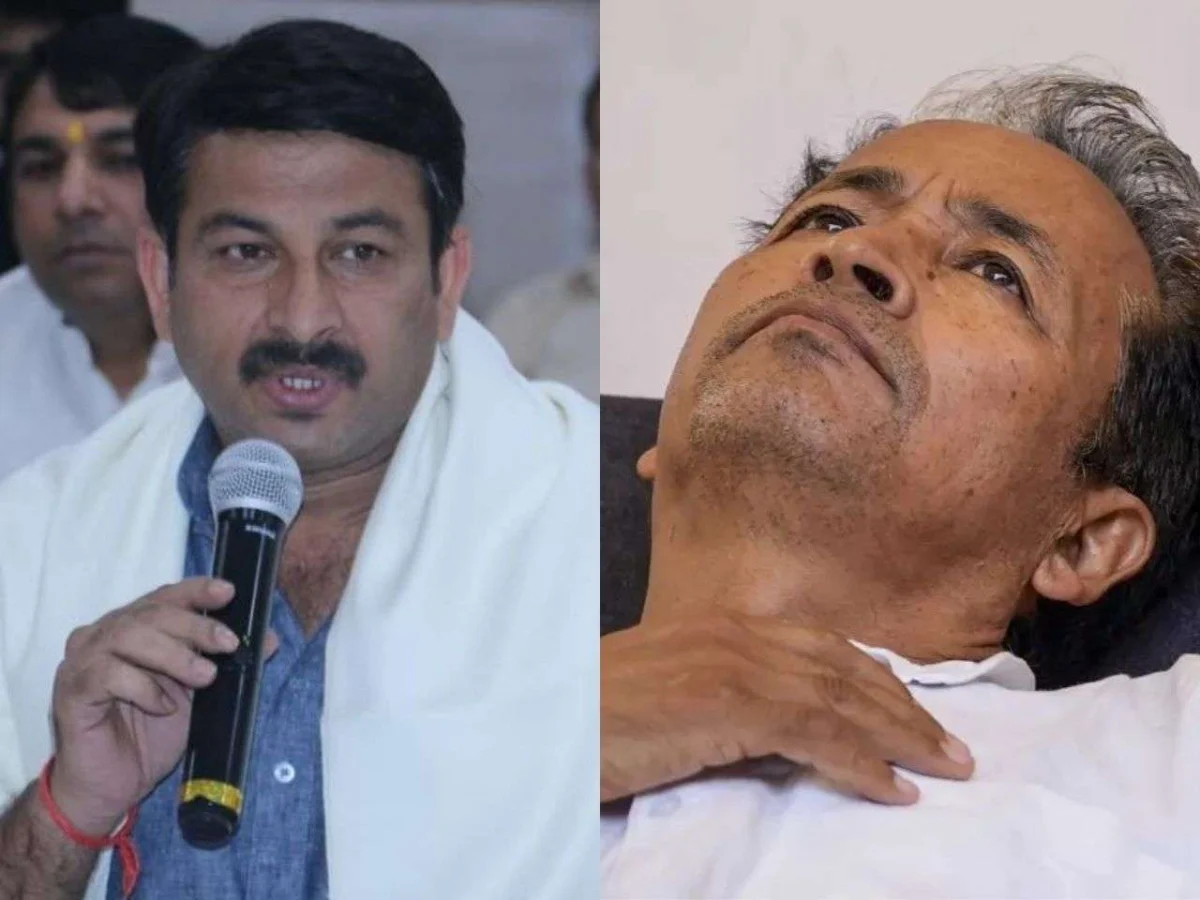
New Delhi, July 16, 2026 – A palpable sense of concern has gripped the nation as renowned climate activist and education reform advocate Sonam Wangchuk continues his indefinite hunger strike, demanding the resignation of Union Education Minister Dharmendra Pradhan. Wangchuk’s protest, now entering its critical phase, has garnered widespread support from citizens and celebrities alike, who implore the government to address his demands and prioritize his health. However, a recent intervention by actor-turned-politician Manoj Tiwari has ignited a firestorm of criticism, with Tiwari’s dismissive comments about Wangchuk’s protest and his alleged motivations drawing sharp condemnation from netizens and various sections of society.
Tiwari, a prominent figure in Bhojpuri cinema and a Member of Parliament from the Bharatiya Janata Party (BJP), has accused Wangchuk of being a proxy for the Aam Aadmi Party (AAP) and of deliberately attempting to "slow down India’s growth." These remarks, captured in a viral video, have been widely interpreted as a belittling of a serious democratic protest and have triggered a visceral backlash online.
The Core of the Controversy: Tiwari’s Accusations
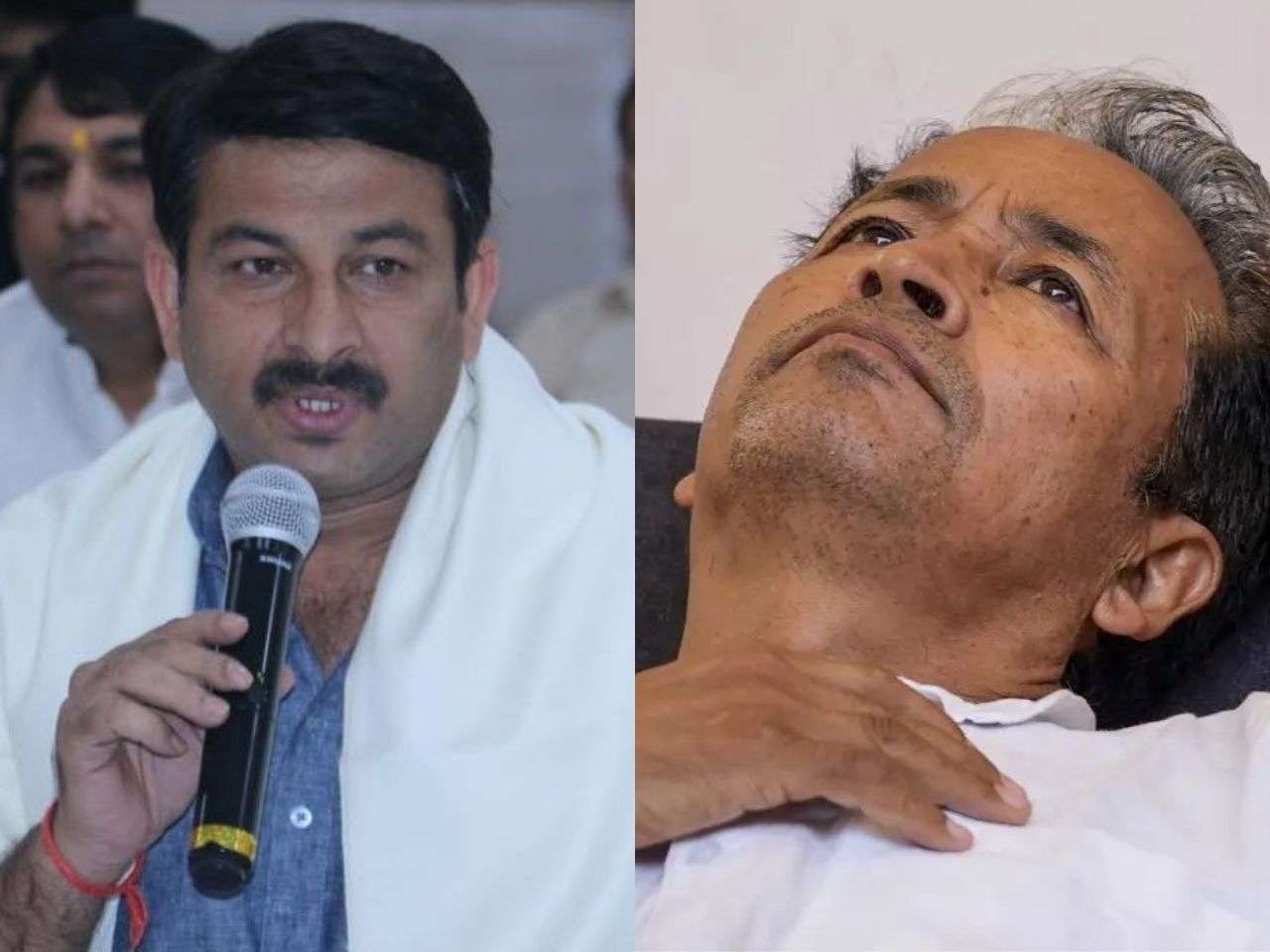
In a video clip that has since gone viral across social media platforms, Manoj Tiwari is heard addressing a media query regarding Sonam Wangchuk’s hunger strike. His statement, delivered with a seemingly flippant tone, has become the focal point of the controversy.
"Sonam Wangchuk, or whoever else… this is essentially an extension of the Aam Aadmi Party," Tiwari stated in Hindi, as reported by various media outlets. "After the public defeated them in every way, they try to slow down the country’s progress by uniting – sometimes as the ‘Cockroach (Janta) Party,’ other times through figures like Sonam."
)
The reference to "Cockroach (Janta) Party" appears to be a derogatory term coined by some political factions to describe opposition parties or dissenting voices. Tiwari’s direct linkage of Wangchuk’s protest to this perceived political maneuvering, and his assertion that the activist aims to impede national progress, has been met with widespread disbelief and anger.
A Timeline of Events: From Peaceful Protest to Political Firestorm
Sonam Wangchuk, a celebrated innovator and educationist from Ladakh, embarked on his indefinite hunger strike on June 20, 2026. His primary demand is the resignation of Union Education Minister Dharmendra Pradhan, citing concerns over the quality of education and the alleged disregard for educational reforms in the region. Wangchuk’s protest is a non-violent assertion of democratic rights, aimed at drawing the government’s attention to critical issues impacting the future of education in India.
)
Early Stages and Growing Support: In the initial days of the strike, Wangchuk’s health was the primary concern. Social media was abuzz with updates on his condition, with many celebrities and citizens expressing solidarity and urging the government to engage in dialogue. Figures from the film industry, including Fatima Sana Shaikh and Shweta Tiwari, voiced their support, highlighting the importance of Wangchuk’s cause.
The Intervention of Manoj Tiwari: As Wangchuk’s hunger strike gained national traction, Manoj Tiwari’s remarks marked a significant shift in the discourse, introducing a partisan and dismissive narrative. The video of his statement, shared widely by "The United Media Insta page" and other social media accounts, quickly went viral, igniting widespread outrage.

Netizen Backlash: The immediate reaction from the online community was overwhelmingly negative. Social media platforms became a battleground where users vehemently criticized Tiwari’s statements. The comments section of the viral video and related posts were flooded with sharp retorts, often employing strong and accusatory language.
- "Aree ye vimal khane wala isko kya samjhega," one user commented, implying Tiwari’s lack of understanding due to his background.
- "Tu chup reh" (You shut up) emerged as a prevalent and direct demand from netizens.
- Another user questioned Tiwari’s integrity, asking, "Thoda sharam he ki nehi…ya wo bhi bhej diya" (Do you have any shame left… or was that also sold off?).
- The label "Anpad gawar" (uneducated and uncouth) was frequently used to describe Tiwari.
- Strong accusations of being "deshdrohi" (traitor) and "Anti-national" were leveled against the actor-politician.
- A user succinctly articulated the sentiment: "We don’t hear what uneducated people say, so shut up."
This outpouring of anger demonstrates a deep disconnect between Tiwari’s perspective and the public’s perception of Wangchuk’s protest as a legitimate and important democratic expression.
)
Supporting Data and Context: The Significance of Wangchuk’s Protest
Sonam Wangchuk is not merely an activist; he is a globally recognized innovator, an engineer, and an educator who founded the Students’ Educational and Cultural Movement of Ladakh (SECMOL). His work has significantly contributed to improving educational access and quality in the mountainous region of Ladakh. Wangchuk’s advocacy is deeply rooted in his understanding of the unique challenges faced by the region, including its fragile ecosystem and the need for sustainable development and culturally relevant education.
His current hunger strike is a culmination of what he describes as a persistent lack of response from the government to his concerns regarding the National Education Policy and its implementation in Ladakh. He has repeatedly called for transparency and accountability in educational policies and has expressed fears that certain provisions could undermine the region’s unique identity and environmental sustainability.
)
The demand for the Education Minister’s resignation, while a strong one, stems from Wangchuk’s belief that it is the only way to force a serious dialogue and meaningful action from the government. His commitment to a hunger strike underscores the gravity with which he views the situation, a method of protest often reserved for situations where all other avenues of communication have been exhausted.
Official Responses and Stances: A Divided Narrative
As of the latest reports, there has been no official statement from the Union Education Ministry or the Prime Minister’s Office directly addressing Manoj Tiwari’s comments. However, the silence from these high offices in response to Tiwari’s remarks can be interpreted in various ways. It could be seen as tacit approval, a deliberate non-engagement with a controversial statement by a party member, or simply a strategic decision to avoid further escalating the situation.
)
The BJP, as a party, has largely remained silent on the specifics of Wangchuk’s demands and the ongoing hunger strike. Their focus, as articulated by figures like Tiwari, appears to be on framing such protests as politically motivated disruptions rather than legitimate expressions of dissent. This approach aligns with a broader political strategy of marginalizing opposition voices and portraying them as anti-national or detrimental to development.
On the other hand, opposition parties, including the Aam Aadmi Party (AAP), have vociferously supported Sonam Wangchuk and condemned the government’s perceived indifference. They have often used Wangchuk’s protest as an example of the government’s authoritarian tendencies and its unwillingness to listen to the concerns of citizens. Manoj Tiwari’s comments, in this context, are seen by the opposition as a clear attempt by the ruling party to discredit a respected activist and suppress dissent.
)
The lack of a direct official response from the Union government on Wangchuk’s demands, coupled with statements like Tiwari’s, fuels the perception among supporters of the protest that the government is not engaging in good faith.
Implications and Broader Societal Impact
Manoj Tiwari’s controversial remarks carry significant implications for the political discourse surrounding dissent and activism in India.
)
Erosion of Democratic Space: When prominent political figures dismiss legitimate protests and activists as politically motivated or anti-national, it can have a chilling effect on democratic expression. Such rhetoric discourages citizens from raising their voices and can create an environment where dissent is viewed with suspicion and hostility.
Polarization of Public Opinion: Tiwari’s statements have further polarized public opinion. Those who support the government’s agenda are likely to echo his sentiments, while those who are concerned about Wangchuk’s protest and the issues he raises will view Tiwari’s remarks as deeply offensive and indicative of the ruling party’s insensitivity.
)
The Role of Celebrities in Politics: The incident also highlights the complex role of celebrities who enter politics. Their public personas and past associations can significantly influence their political messaging and the reception of their statements. Tiwari’s background as a Bhojpuri artist, often associated with hyper-masculine and sometimes controversial lyrics, has been invoked by critics to question his suitability for engaging in serious political discourse.
The Power of Social Media: The rapid virality of Tiwari’s video and the ensuing online backlash underscore the immense power of social media in shaping public opinion and holding public figures accountable. The swift and often unfiltered reactions from netizens demonstrate a growing awareness and willingness to challenge what they perceive as unjust or insensitive statements from those in power.
)
Legacy of Activism: Sonam Wangchuk’s hunger strike, regardless of its immediate outcome, is likely to be remembered as a significant moment in the history of activism in India. The response to his protest, including the controversial remarks made by figures like Manoj Tiwari, will form a crucial part of its narrative and impact on the broader struggle for democratic rights and accountability.
In conclusion, Manoj Tiwari’s dismissive remarks about Sonam Wangchuk’s hunger strike have ignited a national debate about the nature of dissent, the responsibilities of political figures, and the government’s engagement with its citizens. The outrage generated by his comments reflects a deep-seated concern for democratic values and a growing impatience with what many perceive as a deliberate attempt to silence critical voices and undermine the importance of peaceful protest. The coming days will reveal how this controversy unfolds and its long-term implications for political discourse in India.