

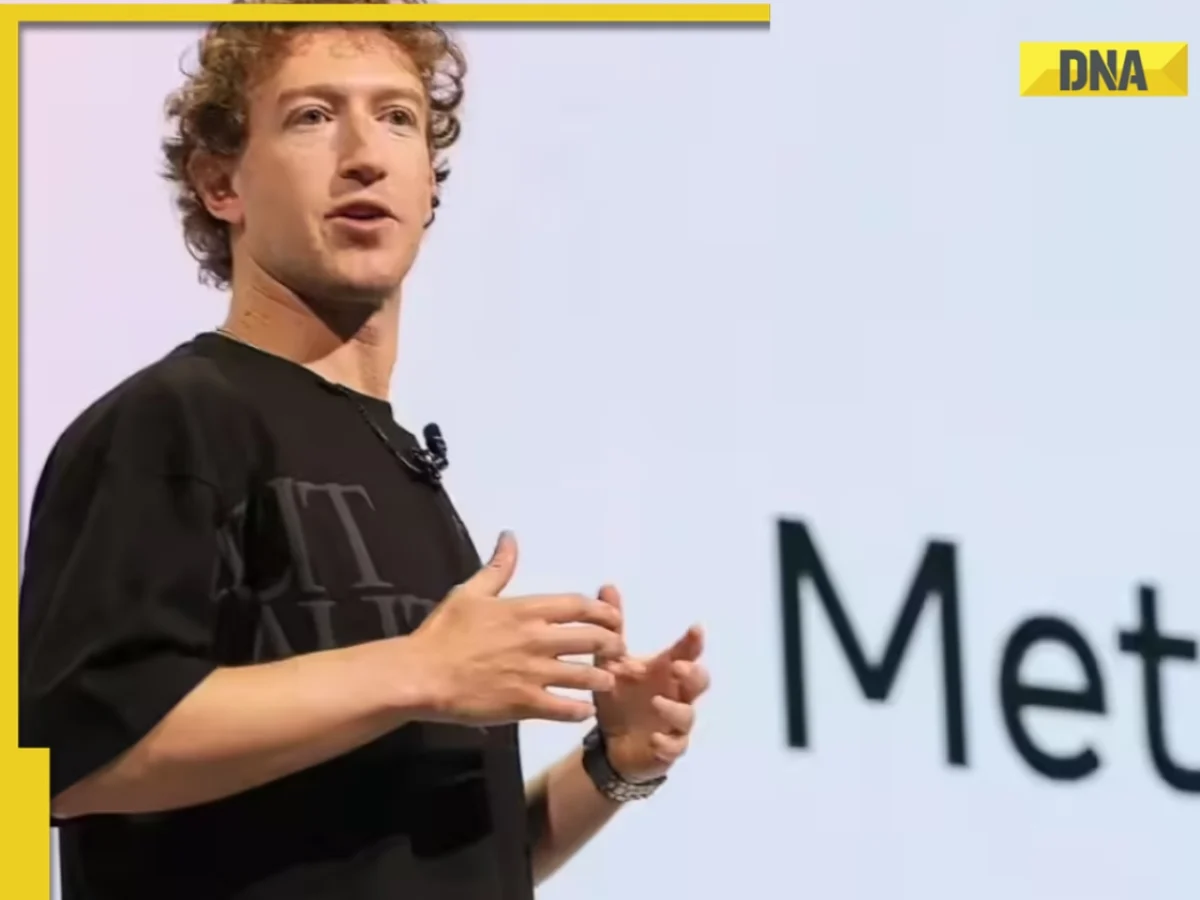
MENLO PARK, CALIFORNIA – Meta Platforms, Inc., the technology titan behind Facebook, Instagram, and WhatsApp, is reportedly on the cusp of implementing another significant workforce reduction. Sources close to the company indicate that plans are underway to cut up to 20% of its global workforce, potentially impacting around 16,000 employees. This sweeping move, if materialized, would represent Meta’s most substantial restructuring since its extensive "year of efficiency" initiatives in 2022-2023, underscoring a strategic pivot driven by a relentless push into artificial intelligence and a renewed focus on operational streamlining.
The decision to scale back human capital comes at a paradoxical time when Meta is making colossal investments in artificial intelligence infrastructure and talent. The company aims to offset the escalating costs associated with developing cutting-edge AI technologies and to enhance overall efficiency through the integration of AI-assisted operations across its diverse portfolio. While the magnitude and specific timeline for these potential layoffs remain fluid, Reuters, citing anonymous sources familiar with the discussions, suggests that top executives have already signaled these plans to senior leaders, instructing them to begin the arduous task of identifying areas for personnel reduction.
The Core Announcement: A New Era of "Efficiency"
Meta’s reported plan for a significant workforce reduction, potentially affecting one-fifth of its global employee base, marks a pivotal moment for the tech giant. As of December 31, the company’s headcount stood at nearly 79,000 dedicated professionals. A 20% cut would translate into approximately 16,000 individuals being laid off, making it the most extensive single round of layoffs in Meta’s history, surpassing even the combined impact of the 2022-2023 "year of efficiency."
This proposed reduction is not merely a cost-cutting exercise but is framed as a strategic imperative. The primary drivers are twofold: first, to manage the burgeoning expenses associated with building out the formidable infrastructure required for Meta’s ambitious artificial intelligence projects; and second, to foster greater efficiency within the organization by leveraging AI itself to automate tasks and optimize workflows. This strategy suggests a long-term vision where AI becomes not just a product offering but also a fundamental tool for internal operations, potentially rendering certain human roles redundant or significantly altered.
)
The current stage of these plans is characterized by a degree of uncertainty. Reuters’ reporting indicates that while the intent to reduce the workforce is clear among senior leadership, no definitive date has been set for the cuts, nor has the precise magnitude been finalized. This period of anticipation undoubtedly creates considerable anxiety among employees, highlighting the delicate balance companies must strike between strategic transformation and maintaining employee morale. The internal directives to senior leaders to begin planning for reductions, however, signal a strong commitment to this path, suggesting that the question is more of ‘when’ and ‘how much’ rather than ‘if.’
A Historical Perspective: Meta’s Efficiency Journey
Meta’s current consideration of massive layoffs is not an isolated event but rather the latest chapter in a broader narrative of strategic restructuring and efficiency drives that began in earnest in late 2022. To fully grasp the significance of this potential move, it’s crucial to examine the historical context of Meta’s workforce management and strategic pivots.

The "Year of Efficiency" (2022-2023): A Precedent
The period between late 2022 and mid-2023 saw Meta embark on what CEO Mark Zuckerberg famously dubbed the "year of efficiency." This initiative was a direct response to a confluence of factors: a post-pandemic economic slowdown, a slump in digital advertising revenue, intense competition from platforms like TikTok, and substantial, yet largely unprofitable, investments in the metaverse division (Reality Labs). Crucially, it also addressed a period of rapid, perhaps overzealous, hiring during the pandemic boom, which had led to what many critics, and eventually Zuckerberg himself, acknowledged as an inflated workforce.
The "year of efficiency" unfolded in multiple, painful stages:
)
- November 2022: Meta announced its first major layoff, impacting approximately 11,000 employees, roughly 13% of its workforce at the time. Zuckerberg took responsibility, acknowledging that he had overestimated the growth of e-commerce and the associated revenue post-pandemic.
- March and April 2023: Further rounds of layoffs followed, impacting thousands more across various departments, including technology, business, and recruiting. These subsequent cuts brought the total number of affected employees to over 21,000 within a span of six months.
The rationale behind these previous cuts was multifaceted. Zuckerberg articulated a vision for a "flatter" organization, aiming to remove layers of management, increase individual productivity, and streamline decision-making processes. The goal was to build a leaner, more agile company better equipped to navigate economic uncertainties and focus its resources on core strategic priorities. While undeniably difficult for those affected, these moves were generally met with approval from investors, who saw them as a necessary step to restore financial health and improve stock performance. The company’s stock, which had plummeted in 2022, began a significant recovery following these announcements.
Pre-Layoff Headcount and Growth Trajectories
Prior to the 2022 layoffs, Meta had experienced a period of explosive growth in its employee count. Between 2019 and mid-2022, the company’s workforce nearly doubled, fueled by a robust advertising market and an aggressive expansion into new technologies, including the metaverse. This rapid hiring spree led to a peak headcount of over 87,000 employees by September 2022.
)
The "year of efficiency" brought this growth to an abrupt halt, with the workforce shrinking considerably. By December 31, Meta’s employee count had stabilized at nearly 79,000. This current baseline is critical when considering the impact of the proposed 20% reduction. If enacted, a cut of 16,000 employees would bring Meta’s workforce down to approximately 63,000. This would represent a reduction of over 24,000 people from its peak in late 2022, effectively rolling back years of rapid expansion and solidifying a much leaner organizational structure. This drastic reduction underscores a fundamental shift in Meta’s operational philosophy, moving from growth at all costs to efficiency and strategic focus.
The Strategic Imperative: Fueling the AI Revolution
The decision to contemplate such extensive layoffs, especially given Meta’s already lean state post-2023, is deeply intertwined with its aggressive pursuit of artificial intelligence. This is not merely a cost-cutting measure in isolation but a strategic reallocation of resources, funneling capital and talent towards what Mark Zuckerberg views as the company’s indispensable future.
)
Mark Zuckerberg’s Vision: The Generative AI Bet
Mark Zuckerberg has made no secret of his conviction that generative AI represents the next major technological wave, one that will fundamentally reshape not only Meta’s products but also the broader digital landscape. He has publicly committed Meta to being a leader in this field, pushing the company to invest unprecedented sums into AI research, development, and deployment.
This aggressive push manifests in several key areas:
)
- Massive Infrastructure Investment: Building and maintaining state-of-the-art AI models requires colossal computing power. Meta is investing billions in data centers, acquiring tens of thousands of powerful Graphics Processing Units (GPUs) – the specialized hardware crucial for training large language models – and developing advanced cooling systems and energy solutions to support these operations. These are capital-intensive undertakings with long lead times and high recurring costs.
- Talent Acquisition: The global competition for top AI researchers and engineers is fierce. Meta has been at the forefront of this talent war, offering "huge pay packages, some worth hundreds of millions of dollars over four years," to lure the brightest minds to its new "superintelligence team." This team is tasked with developing groundbreaking AI capabilities that can power future products across Meta’s ecosystem. The acquisition of specialized AI startups like Manus and Moltbook further bolsters its intellectual property and talent pool.
- Product Integration: Zuckerberg envisions AI as being embedded into every facet of Meta’s offerings, from enhancing user experience on Facebook and Instagram through personalized content and sophisticated recommendation algorithms, to powering advanced chatbots in WhatsApp, and ultimately, building the foundational AI for the metaverse. Generative AI tools are expected to revolutionize content creation, advertising, and even internal development processes.
The paradox here is striking: Meta is investing vast sums in AI, a technology often touted for its ability to increase productivity and reduce the need for human labor, while simultaneously cutting its human workforce. This highlights the substantial upfront financial burden of becoming an AI leader, necessitating efficiency gains elsewhere in the organization to fund these strategic bets.
The Cost-Benefit Equation of AI
The current layoffs can be seen as a complex cost-benefit equation where the immediate human cost is weighed against the long-term strategic benefits of AI. While AI promises future efficiency, its development phase is incredibly expensive. Training large language models, for example, can cost hundreds of millions of dollars for a single model, not including the ongoing operational expenses.
)
Meta’s strategy suggests that the anticipated improvements in "AI-assisted operations" are expected to yield significant returns, justifying the current expenditure and workforce adjustments. These improvements could manifest in various ways:
- Automated Content Moderation: AI can more effectively detect and remove harmful content, reducing the reliance on large human teams.
- Enhanced Advertising Tools: AI can optimize ad targeting, campaign management, and performance analysis, requiring fewer human ad ops specialists.
- Software Development Acceleration: Generative AI tools can assist engineers in writing code, debugging, and testing, potentially increasing development velocity with fewer personnel.
- Customer Support Automation: AI-powered chatbots and virtual assistants can handle a large volume of routine customer inquiries, reducing the need for extensive human support teams.
- Operational Efficiency: AI can optimize data center energy consumption, network management, and other backend operations, leading to cost savings.
These efficiency gains, coupled with a leaner organizational structure, are intended to improve Meta’s profit margins, reassure investors about the company’s financial discipline, and free up capital to double down on AI and, to a lesser extent, the metaverse. The underlying financial pressures, including fluctuating advertising market dynamics and the continued losses from the Reality Labs division (which houses metaverse development), further amplify the need for stringent cost management.
)
Market Context: A Wider Tech Trend
Meta’s planned layoffs are not an isolated incident but rather indicative of a broader trend sweeping across the technology sector. The advent of sophisticated AI, coupled with persistent economic uncertainties and pressure from investors for greater profitability, has prompted numerous tech giants to re-evaluate their workforces and operational models.
- Oracle’s AI-Driven Restructuring: US tech giant Oracle, for instance, is reportedly planning to cut between 20,000 to 30,000 jobs. This massive reduction is explicitly linked to its strategy to expand AI data center capacity, suggesting a similar move to reallocate resources towards AI infrastructure while streamlining other areas.
- Amazon’s AI Restructure: Amazon recently announced layoffs affecting 16,000 employees, citing an "AI restructure plan." This indicates that even companies traditionally known for vast workforces are actively assessing how AI can replace or augment human roles, particularly in areas like cloud services, retail operations, and logistics.
- Broader Industry Sentiment: The sentiment among many tech leaders is that a significant portion of "white-collar roles that rely on computers could be automated within the next 12 to 18 months." This reflects a growing belief that AI is not just a tool for specific tasks but a transformative force that will fundamentally alter the nature of work across various industries. Economic headwinds, including persistent inflation, rising interest rates, and geopolitical instability, further exacerbate the pressure on tech companies to become more efficient and demonstrate clear paths to profitability. The days of unchecked hiring and lavish spending, particularly in non-core areas, appear to be over for many in Silicon Valley.
Official Silence and Executive Signals
In the highly scrutinized world of major tech companies, official announcements regarding significant workforce reductions are often carefully orchestrated and strategically timed. In Meta’s case, however, the information regarding the latest proposed layoffs has emerged through anonymous sources, characteristic of sensitive internal deliberations that have yet to reach a public-facing stage.
)
As reported by Reuters, there has been no official statement from Meta confirming the precise figures or timelines for these potential cuts. This lack of public confirmation is typical when plans are still being finalized internally. The sources, who spoke anonymously due to not being authorized to disclose the cuts, indicated that while the discussions are advanced, the exact magnitude and implementation date are still subject to change.
Despite the official silence, there have been clear "signals" from Meta’s top executives, particularly Mark Zuckerberg, that point towards an ongoing commitment to a leaner, more efficient organization. Throughout and beyond the "year of efficiency," Zuckerberg has consistently emphasized productivity, a focus on core strategic priorities, and a willingness to make difficult decisions to achieve these goals.
)
His past statements regarding the need for "a flatter organization" and "increasing the efficiency of every team" serve as a consistent ideological backdrop to the current layoff considerations. These comments suggest a cultural shift within Meta, where high performance and efficient resource allocation are paramount. The reported directive to senior leaders to "begin planning how to pare back" further substantiates that these internal discussions are well past the exploratory phase and are moving towards actionable steps.
While Meta has not yet issued a formal press release or made a public statement, the internal communications and ongoing strategic discussions among senior leadership indicate a strong internal consensus on the necessity of these workforce adjustments. Analysts and investors are keenly watching for any official announcement, which would likely be accompanied by a detailed explanation of the strategic rationale and expected financial impacts.
)
Implications and Future Outlook
The prospect of Meta embarking on yet another large-scale layoff round carries profound implications, not only for its employees and internal culture but also for its strategic direction, its standing in the competitive tech landscape, and the broader debate surrounding artificial intelligence and the future of work.
Impact on Employees and Culture
For the thousands of employees potentially affected, the period leading up to and following such an announcement is fraught with uncertainty and anxiety. Layoffs, regardless of their strategic necessity, inevitably take a significant toll on morale, trust, and psychological well-being across the entire organization. Even those who remain often experience survivor’s guilt, increased workload, and a pervasive sense of insecurity.
)
Meta’s ability to retain top talent, particularly in critical AI-related fields, could be challenged if the company’s culture is perceived as unstable or overly aggressive in its pursuit of efficiency. While the company is actively recruiting AI specialists with lucrative packages, the broader workforce, especially in non-AI-centric roles, might feel undervalued or dispensable. This could lead to a "talent drain" if highly skilled individuals seek more stable environments elsewhere, particularly if the cuts are not managed with empathy and clear communication.
The nature of work itself is also shifting. As Meta leans into AI-assisted operations, employees will likely be expected to adapt to new tools and processes. This necessitates a proactive approach to reskilling and upskilling, ensuring that the existing workforce can transition into roles that complement, rather than compete with, AI technologies.
)
Meta’s Strategic Re-alignment
These potential layoffs underscore a definitive strategic re-alignment at Meta, cementing artificial intelligence as the company’s undisputed core priority. While the metaverse (Reality Labs) remains a long-term vision, the immediate resource allocation and efficiency drives are clearly geared towards accelerating AI development and integration.
- Doubling Down on AI: The significant investments in AI infrastructure and talent, coupled with the workforce reductions elsewhere, signal a clear commitment to becoming a global leader in AI. This move is critical for Meta to maintain its competitive edge against rivals like Google, Microsoft, and OpenAI, all of whom are vying for dominance in the rapidly evolving AI space. Success in AI could revolutionize Meta’s advertising business, enhance user engagement across its platforms, and unlock new product categories.
- Reality Labs’ Evolving Role: The implications for Reality Labs are nuanced. While Zuckerberg has reiterated his long-term belief in the metaverse, the immediate emphasis on AI suggests that resources may be reallocated from other areas, potentially including aspects of metaverse development, to fund the AI push. It’s possible that AI will become the foundational technology for the metaverse, rather than the metaverse being a separate, equally weighted priority. This could mean a shift in focus within Reality Labs towards AI-driven virtual worlds and augmented reality experiences.
- Investor Perception: Investors typically react positively to news of workforce reductions and efficiency drives, particularly from tech companies that have previously engaged in rapid expansion. The market often interprets such moves as prudent financial management and a commitment to profitability. If Meta can demonstrate improved margins and a clearer path to sustainable growth through its AI investments, these layoffs could bolster investor confidence and further stabilize its stock price.
The Broader AI and Job Market Debate
Meta’s decision also feeds into a much larger, global debate about the impact of artificial intelligence on the future of work.
)
- Morgan Stanley’s Perspective: As reported by IANS, Morgan Stanley has offered a somewhat optimistic view, suggesting that the long-term impact of AI on jobs may be less severe than many expect. Their report posits that while some roles will undoubtedly be automated, most workers are unlikely to be permanently displaced. Instead, AI is expected to "change the nature of work rather than eliminate it," leading to a shift into new types of jobs, many of which may not even exist today. This perspective emphasizes job transformation and augmentation rather than outright eradication.
- Concerns and Challenges: However, this optimistic outlook is not universally shared. Critics and labor advocates express concerns about the potential for widespread job displacement, particularly for white-collar roles that involve data processing, administrative tasks, and even creative work. The rapid pace of AI development means that the transition period could be disruptive, requiring massive investments in education, vocational training, and social safety nets to support displaced workers. Policy challenges abound, including how to manage unemployment, ensure equitable access to new job opportunities, and address potential widening income inequalities.
The Road Ahead for Meta
Navigating this transformative period will present significant challenges for Meta. The company must strike a delicate balance between aggressive innovation, stringent cost management, and fostering a productive and engaged workforce.
- Execution Risk: The successful execution of such a large-scale restructuring, while simultaneously embarking on a massive technological shift, is complex. Poor communication, inconsistent leadership, or a failure to demonstrate tangible benefits from the AI investments could undermine confidence.
- Sustaining Innovation: While efficiency is key, Meta must avoid stifling the creativity and innovation that are essential for long-term growth. A lean organization must still be one that empowers its employees to experiment and develop groundbreaking products.
- The "Year of Efficiency" as a Permanent State: The repeated emphasis on efficiency suggests that this is not a temporary phase but a fundamental shift in Meta’s operating philosophy. The company is likely to maintain a leaner structure and a focus on productivity as a permanent state, adapting to future technological changes and market demands with agility.
In conclusion, Meta’s potential layoffs mark a defining moment in its evolution, symbolizing a bold commitment to an AI-first future. This strategic pivot, while promising significant long-term gains in efficiency and innovation, comes with immediate challenges related to human capital management and the broader societal implications of technological disruption. As Meta continues to re-architect itself, its journey will serve as a bellwether for the tech industry’s navigation of the AI revolution, balancing ambition with responsibility.
