

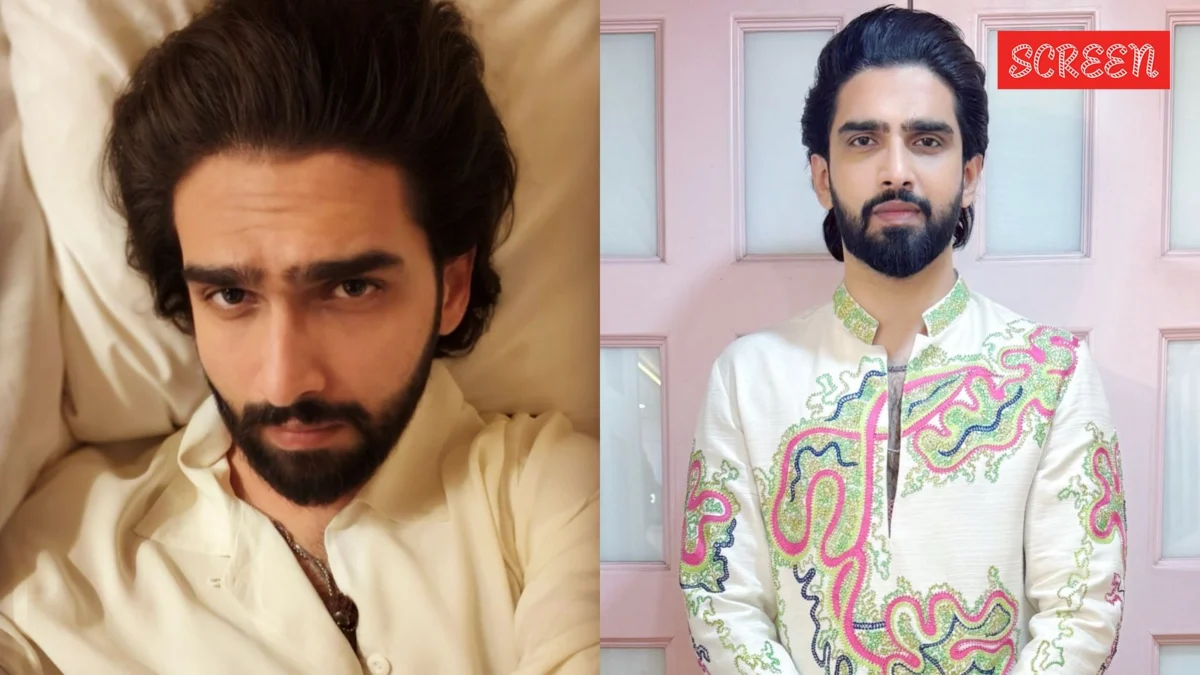
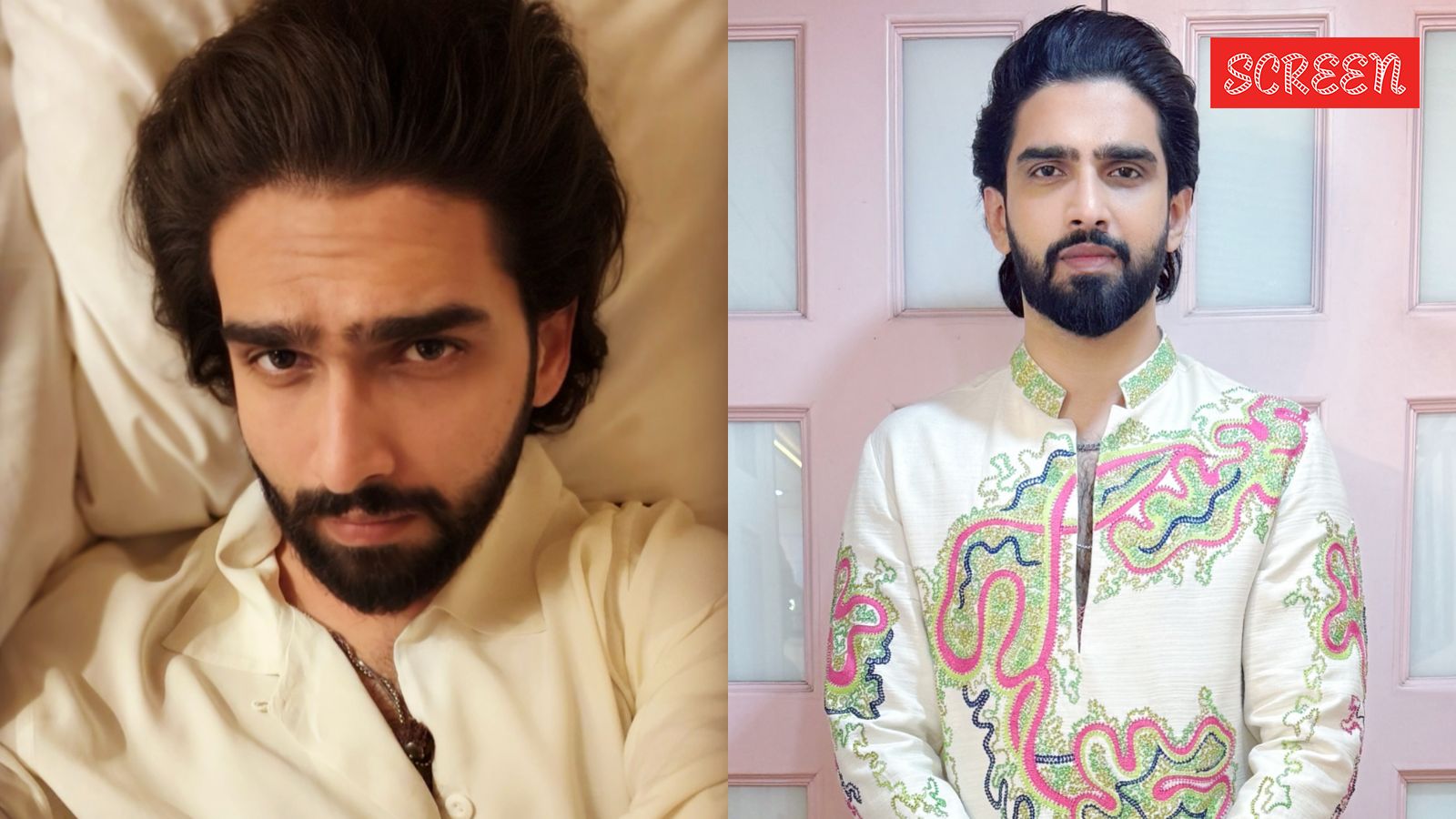
Mumbai, May 20, 2026 – Renowned music composer Amaal Mallik has once again ignited a fervent discussion surrounding the often-opaque workings of the Bollywood music industry. In a candid and impassioned Instagram story, the artist revealed that he has been systematically sidelined from an estimated 60 film projects between 2019 and 2026, attributing these setbacks to entrenched "politics" and "egoistic humans" within powerful positions. Mallik also made a deeply concerning allegation that his outspokenness has led to "pointless threats to my family and me."
This latest outburst from the composer, who gained further prominence following his participation in Bigg Boss 19, marks a significant escalation of his previous critiques of the industry’s practices. His public statements paint a stark picture of an industry where artistic integrity and genuine talent are allegedly being overshadowed by a syndicate of vested interests, leaving aspiring artists facing immense pressure and exclusion.
A Systemic Sidelining: Mallik’s Grievances
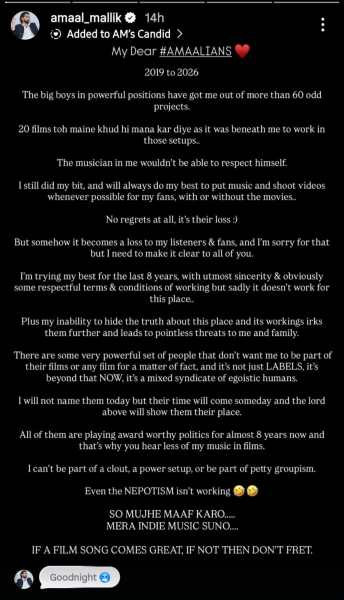
Amaal Mallik, known for his chart-topping compositions for films like "Roy," "Bajirao Mastani," and "MS Dhoni: The Untold Story," expressed his frustration with the alleged deliberate exclusion from mainstream Bollywood projects. In his social media post, addressed to his fanbase, he stated, "My Dear #AMAALIANS, 2019 to 2026, the big boys in powerful positions have got me out of more than 60 odd projects."
He elaborated on the extent of this exclusion, claiming that he himself had to decline approximately 20 film projects. Mallik emphasized that these rejections were not due to a lack of opportunity but because the proposed projects were "beneath him to work in those setups," implying a compromise of his artistic standards and the quality of music expected. "The musician in me wouldn’t be able to respect himself," he asserted, highlighting his commitment to his craft over compromising for what he perceives as substandard or ethically questionable environments.
Despite these challenges, Mallik reaffirmed his dedication to his listeners, stating, "I still did my bit and will always do my best to put music and shoot videos whenever possible for my fans, with or without the movies. No regrets at all, it’s their loss." This sentiment underscores a resilience and a focus on independent musical expression, even in the face of perceived industry ostracization.
The Syndicate of Ego and Evasion
Mallik’s narrative extends beyond simple professional disagreements. He pointedly referred to a "mixed syndicate of egoistic humans" as the driving force behind his exclusion, suggesting a coordinated effort that transcends individual disputes. "There are some very powerful sets of people that don’t want me to be part of their films or any film, for a matter of fact, and it’s not just LABELS, it’s beyond that, NOW," he declared.
This assertion implies that the issues are not confined to music labels, which have been a previous focus of his criticism, but have expanded to encompass a broader network of influential figures within the film fraternity. He suggested that his inability to remain silent about the industry’s realities further fuels their animosity. "Plus, my inability to hide the truth about this place and its workings irks them further and leads to pointless threats to my family and me," Mallik revealed, a statement that carries significant gravity and raises serious concerns about the safety and well-being of artists who speak out.
Mallik refrained from naming the individuals involved at this juncture, stating, "I will not name them today, but their time will come someday, and the lord above will show them their place." He alluded to a prolonged period of alleged political maneuvering, stating, "All of them are playing award-worthy politics for almost 8 years now, and that’s why you hear less of my music in films." This prolonged struggle suggests a deeply ingrained system of patronage and exclusion that is hindering genuine artistic contribution.
His refusal to conform to what he terms "clout, a power setup, or petty groupism" highlights a core conflict between his artistic principles and the perceived transactional nature of the industry. He even noted the ineffectiveness of nepotism, suggesting that the barriers he faces are rooted in something more complex than familial connections alone.
A Pattern of Vocal Criticism: Past Exposes and Concerns
Amaal Mallik’s recent statements are not an isolated incident but rather a continuation of his persistent critique of the Bollywood music ecosystem. In February of the same year, he garnered significant attention for calling out music labels for what he described as severe pay disparity and the exploitation of artists’ rights.
During an interview with Pinkvilla, Mallik cited the hit song "Sooraj Dooba Hai" from the film "Roy" as an example. He claimed that while the song was a massive commercial success for the label, earning an estimated Rs 60-70 crore, he received "nothing except for the publishing rights, which are negligible, not even close to Rs 1 crore." This stark imbalance highlights a fundamental issue where the creators of music often receive a disproportionately small share of the profits generated by their work.
Mallik articulated his motivation for seeking greater financial compensation, stating, "I want to make that kind of money to help people. I do it in my own way, I don’t want to talk about it, but I want money to help people. That can only come if I have rights or equal rights or some kind of rights jo film music mein nahi milta hai." His desire to use his earnings for philanthropic endeavors underscores his ethical stance and his belief that fair compensation is crucial for artists to contribute positively beyond their creative output.
He also drew a comparison with the remuneration and rights secured by composers in the South Indian film industry, noting, "There are these massive fees of like Rs 10-15 crore that South composers are getting, compared to Hindi music composers who are getting Rs 2-3 crore and giving up all the rights." This comparison points to a potential disparity in industry standards and artist empowerment between different regional film industries in India.
In 2025, Mallik’s critique of Bollywood’s perceived decline in authenticity and its "darker" undertones was highlighted in a conversation with Mirchi Plus. He lamented the loss of Bollywood’s "larger-than-life shine," suggesting that the public had become disillusioned with the industry’s realities. He controversially linked the industry’s environment to the tragic demise of actor Sushant Singh Rajput, stating, "The industry itself did something to his mind and soul. Maybe people also demoralised him. This industry is that kind of place." This statement reflected a broader sentiment of public distrust and concern regarding the mental health and well-being of artists within the industry.
The Rise of Independent Music: An Alternative Path
Amidst the alleged professional challenges within Bollywood, Amaal Mallik has been actively pursuing and releasing independent music. This strategic shift towards the independent music scene offers him a platform to retain creative control, ensure fairer compensation, and directly connect with his audience without the perceived intermediaries and politics of the film industry.
His recent independent song, "Yahin Guzaar Doon," a collaboration with fellow Bigg Boss 19 contestant Farrhana Bhatt, was released on Valentine’s Day 2026, showcasing his continued output and engagement with his fanbase outside the confines of film projects. This independent trajectory signifies a broader trend among artists seeking alternative avenues for creative expression and professional sustainability.
Implications and The Road Ahead
Amaal Mallik’s outspokenness, while courageous, raises significant questions about the health and transparency of the Bollywood music industry. His allegations of systemic exclusion, industry politics, and even threats to his family paint a concerning picture that demands introspection and potentially, reform.
The implications of his statements are multifaceted:
- Artist Empowerment: The revelations highlight the ongoing struggle for fair compensation, intellectual property rights, and equitable treatment for musicians in Bollywood. The disparity between the earnings of labels and composers, as exemplified by the "Sooraj Dooba Hai" case, points to a need for greater transparency and fairer profit-sharing models.
- Industry Accountability: Mallik’s call for "accountability" and the implied promise of future revelations suggest a potential for further exposure of alleged malpractice. This could pressure industry stakeholders to address the issues raised and implement more ethical practices.
- The Power of Independent Music: The composer’s embrace of independent music underscores its growing importance as an alternative space for artists. As Bollywood’s traditional structures face scrutiny, independent platforms offer a viable route for creative freedom and direct audience engagement.
- Mental Health and Well-being: Mallik’s comments, echoing past sentiments about the industry’s impact on mental health, reinforce the need for a more supportive and ethical environment for artists. The alleged threats to his family are particularly alarming and point to a potentially toxic undercurrent within certain power circles.
- Public Perception: The continued criticism from prominent figures like Mallik can shape public perception of Bollywood, potentially eroding trust and impacting the industry’s overall appeal.
As the music industry grapples with these allegations, the focus will likely remain on whether Amaal Mallik will further elaborate on his claims and whether any official responses or investigations will emerge. His willingness to speak out, despite the alleged personal and professional ramifications, serves as a powerful testament to his commitment to artistic integrity and his desire for a more equitable music landscape in India. The industry, in turn, faces a critical juncture where addressing these deep-seated concerns may be imperative for its long-term credibility and sustainability.
