

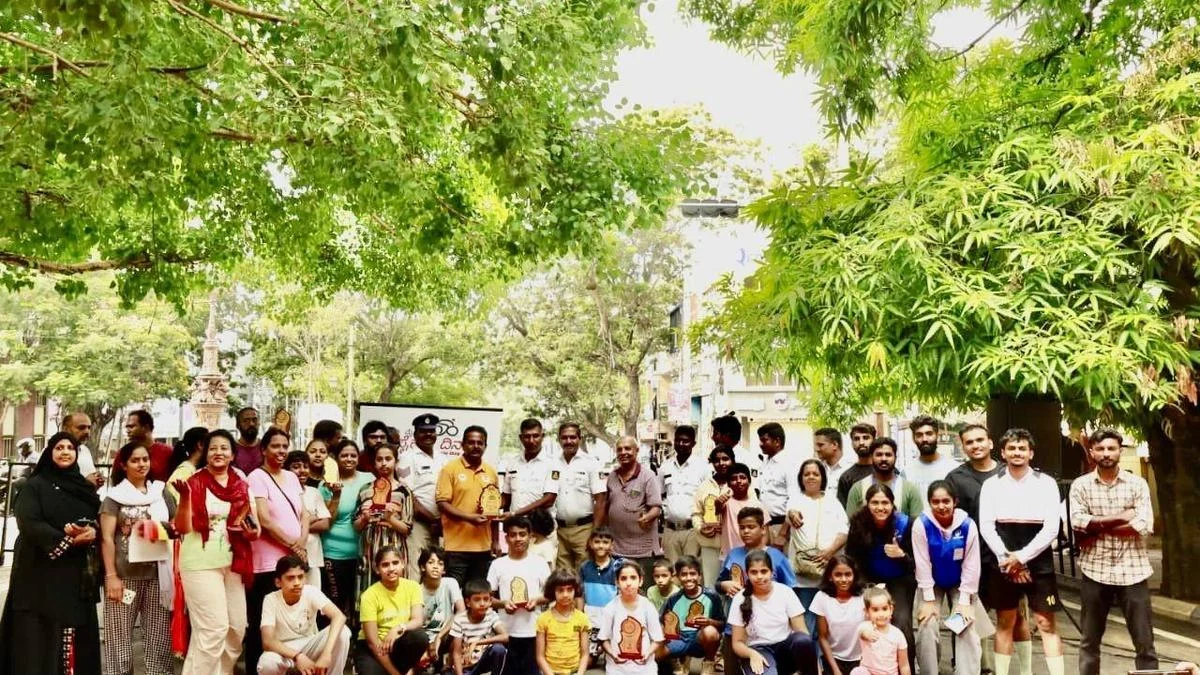
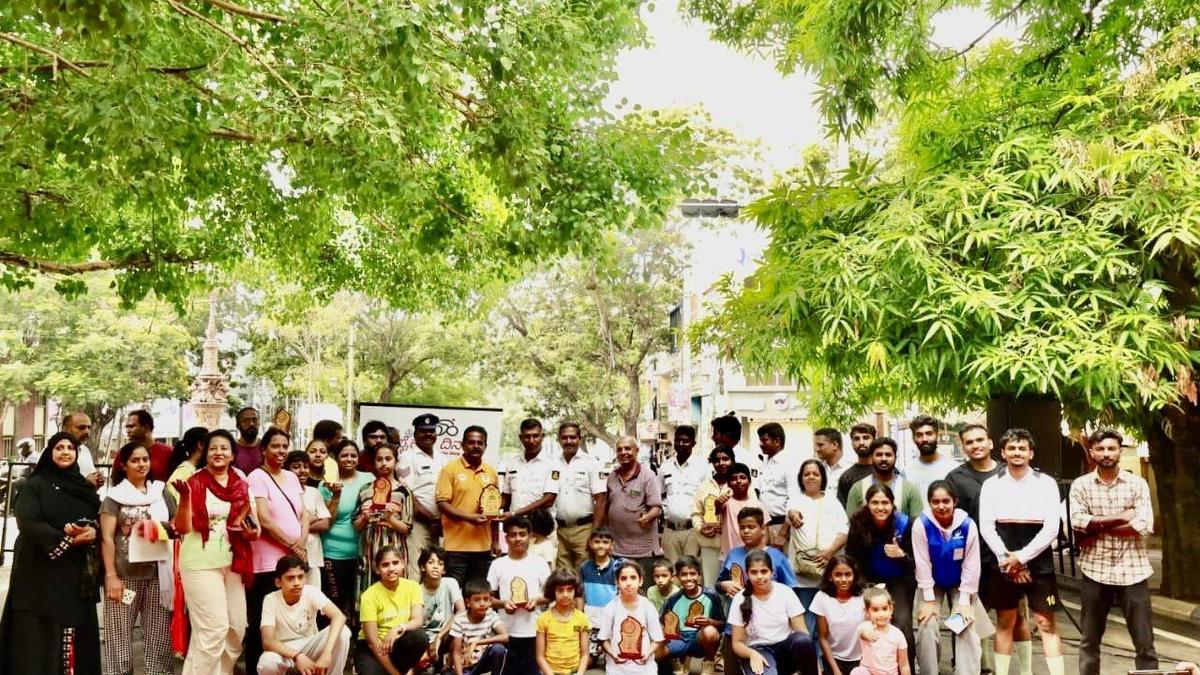
Mysuru, India – May 11, 2026 – In a vibrant display of commitment to environmental stewardship and public well-being, Mysuru celebrated its fourth annual "Mysuru Cycle Day" on Monday. The event, a cornerstone initiative of the Mysuru City Corporation (MCC), transformed the Saraswathipuram area into a bustling hub of sustainable activity, drawing hundreds of enthusiastic participants and underscoring the city’s dedication to fostering a cleaner, healthier, and more people-centric urban landscape.
The Heart of the Movement: A Community United for Change
The fourth iteration of Mysuru Cycle Day proved to be a resounding success, building on the momentum of previous years and solidifying its position as a pivotal platform for promoting eco-friendly transportation and a healthy lifestyle. The event, meticulously orchestrated by the Mysuru City Corporation in strategic collaboration with GIZ and ESAF under the umbrella of the Sustainable Urban Mobility-Air Quality initiative, served as a powerful testament to the city’s growing awareness and proactive approach to critical environmental and public health challenges.
At its core, Mysuru Cycle Day is more than just a cycling event; it is a tangible manifestation of the city’s vision for a future where urban mobility is synonymous with sustainability, where public health is prioritized, and where the detrimental effects of pollution are actively combatted. The initiative directly addresses the urgent need for cleaner air in urban environments, recognizing the profound impact of vehicular emissions on respiratory health and the broader ecological balance.
The day’s proceedings were designed to engage citizens from all walks of life, fostering a sense of collective responsibility and shared purpose. The central attraction, a captivating five-kilometer cycle rally, saw an impressive turnout of cycling enthusiasts, students from various educational institutions, and local residents, all pedaling in unison towards a common goal. This visual spectacle served as a powerful symbol of unity and a commitment to embracing alternative modes of transport that benefit both individuals and the environment.
Beyond the exhilarating cycle rally, the event thoughtfully incorporated a range of "Open Street" activities and traditional games. These elements were crucial in transforming designated city roads into vibrant, people-friendly community spaces. The objective was to subtly yet effectively challenge the prevailing notion that urban roads are exclusively for vehicular traffic, instead highlighting their potential as dynamic areas for recreation, social interaction, and community building. By reclaiming these spaces, Mysuru Cycle Day championed the idea that cities can be designed to prioritize human experience and well-being over mere automotive convenience.
The seamless execution of the event was a testament to the robust collaborative spirit within Mysuru. The Mysuru city police and traffic police played an indispensable role in ensuring the safety and smooth flow of the rally and other activities. The active participation of NCC cadets added a disciplined and youthful energy to the proceedings, while the involvement of numerous educational institutions and various government departments underscored the integrated approach being taken by the city to achieve its sustainability objectives.
Organizers expressed immense satisfaction with the growing impact of Mysuru Cycle Day, noting its steady emergence as a crucial catalyst for promoting clean mobility and embedding a culture of healthy living among its citizens. The MCC extended its heartfelt gratitude to the dedicated volunteers whose tireless efforts were instrumental in bringing the event to fruition, as well as to the partner organizations whose expertise and resources were invaluable. Crucially, the overwhelming support and enthusiastic participation from the public were acknowledged as the driving force behind the event’s continued success, reinforcing the belief that collective action is the most potent tool for positive change.
A Chronology of Progress: Building Momentum for Sustainable Mobility
The evolution of Mysuru Cycle Day from its inception to its fourth edition paints a compelling picture of a city consistently and progressively embracing sustainable urban development. While specific dates for the inaugural events are not provided in the initial report, the trajectory clearly indicates a growing commitment and increasing scale of participation.
- Inception and Early Years (Pre-2023): The initial establishment of Mysuru Cycle Day marked a nascent yet crucial step by the Mysuru City Corporation to introduce the concept of cycle-centric urban planning and promote cycling as a viable mode of transport. These early years likely focused on raising awareness and building foundational support among the public and local authorities.
- Second and Third Editions (2023-2025): These editions would have witnessed a gradual increase in participation, with organizers refining event formats, expanding outreach, and strengthening collaborations. The partnership with organizations like GIZ and ESAF, focused on Sustainable Urban Mobility and Air Quality, likely solidified during this period, bringing expertise and resources to elevate the event’s impact. The inclusion of "Open Street" concepts and diverse community activities would have also been a progressive development.
- Fourth Edition (May 11, 2026): The current report highlights the success of the fourth edition, characterized by enthusiastic participation in a five-kilometer cycle rally, extensive "Open Street" activities, and traditional games. This edition signifies a maturation of the event, demonstrating its established role as a significant platform for promoting clean mobility and healthy lifestyles. The strong presence of various stakeholders, including police, NCC, educational institutions, and government departments, underscores the deep-rooted integration of this initiative within the city’s fabric.
The steady progression of Mysuru Cycle Day signifies a growing recognition within the city of the interconnectedness between urban planning, environmental health, and the well-being of its citizens. Each year, the event appears to have built upon the successes of the previous one, fostering a stronger sense of community ownership and a more profound commitment to sustainable practices.
Supporting Data and the Scientific Imperative
While the provided text focuses on the qualitative aspects of Mysuru Cycle Day, the underlying rationale for such initiatives is strongly supported by a growing body of scientific data concerning urban mobility, air quality, and public health. The event’s emphasis on cleaner air and public health directly aligns with critical global and national concerns.
- Air Pollution Statistics: Studies consistently reveal that vehicular emissions are a primary contributor to air pollution in urban centers worldwide. Particulate matter (PM2.5 and PM10), nitrogen oxides (NOx), and volatile organic compounds (VOCs) emitted by vehicles have been linked to a wide range of adverse health effects, including respiratory illnesses (asthma, bronchitis), cardiovascular diseases, and even cognitive impairment. Mysuru, like many rapidly developing Indian cities, faces the challenge of managing its air quality as its vehicle population grows. Initiatives like Cycle Day directly aim to mitigate these emissions by encouraging a shift away from single-occupancy vehicle use.
- Health Benefits of Cycling: The health benefits of regular physical activity, such as cycling, are well-documented. They include improved cardiovascular fitness, weight management, reduced risk of chronic diseases like diabetes and certain cancers, and enhanced mental well-being. By promoting cycling, Mysuru Cycle Day contributes to a healthier populace, potentially reducing healthcare burdens in the long run. The World Health Organization (WHO) advocates for active transport as a key strategy for combating the global epidemic of non-communicable diseases.
- Urban Planning and Livability: The "Open Street" concept, integral to Mysuru Cycle Day, reflects a broader urban planning trend that prioritizes people over cars. This approach can lead to more livable, walkable, and vibrant urban environments. By creating car-free zones, cities can foster stronger community ties, encourage local economic activity, and improve the aesthetic appeal of public spaces. Research in urban planning consistently shows that investing in pedestrian and cycling infrastructure yields significant returns in terms of social capital and economic vitality.
- Climate Change Mitigation: Reducing reliance on fossil fuel-powered vehicles is a critical component of climate change mitigation strategies. Every kilometer cycled instead of driven represents a reduction in greenhouse gas emissions. Mysuru Cycle Day, by encouraging a shift towards cycling, contributes to the city’s efforts to reduce its carbon footprint and align with national and international climate goals.
The scientific evidence provides a robust foundation for the objectives of Mysuru Cycle Day. The event is not merely a recreational activity but a strategic intervention aimed at addressing complex environmental and public health challenges with scientifically proven solutions.
Official Responses and Endorsements
The successful organization and enthusiastic reception of the fourth Mysuru Cycle Day underscore a strong commitment and positive endorsement from various official bodies and stakeholders within the city. The Mysuru City Corporation (MCC) stands at the forefront, spearheading the initiative and clearly articulating its vision.
Mysuru City Corporation (MCC): As the primary organizer, the MCC’s consistent support and proactive role in hosting the event for four consecutive years signify its deep-seated belief in the importance of sustainable urban mobility and public health. The corporation’s statement of gratitude towards volunteers, partner organizations, and the public highlights a collaborative governance model where citizen engagement is valued and actively sought. The MCC’s positioning of Mysuru Cycle Day as an "important platform to promote clean mobility and a healthy lifestyle" demonstrates a strategic understanding of its long-term impact on the city’s development.
GIZ and ESAF: The collaboration with GIZ (Deutsche Gesellschaft für Internationale Zusammenarbeit) and ESAF indicates an integration of international expertise and support for sustainable urban development and air quality initiatives. These organizations often bring technical know-how, research capabilities, and funding to such projects, lending significant credibility and capacity to the event. Their involvement suggests a recognition of Mysuru’s commitment to adopting best practices in urban planning and environmental management.
Mysuru City Police and Traffic Police: The active support and participation of law enforcement agencies are crucial for the safety and success of public events. Their involvement in managing traffic and ensuring the security of participants demonstrates a coordinated effort between different arms of the city administration to facilitate and protect initiatives that benefit the community. This highlights a governmental apparatus that is willing to adapt and support non-traditional approaches to urban challenges.
Educational Institutions and NCC Cadets: The engagement of schools, colleges, and NCC cadets brings a vital intergenerational dynamic to the event. It signifies a forward-looking approach by educational bodies to instill values of environmental responsibility and healthy living in the younger generation. The enthusiastic participation of students and cadets also provides a visible representation of future leadership and commitment to sustainable practices.
Various Government Departments: The mention of support from "various government departments" suggests a holistic and integrated approach to promoting sustainable urban living. This broad-based support indicates that the vision for a cleaner and healthier Mysuru is being embraced across different sectors of the government, moving beyond the purview of a single municipal body.
The consistent official backing and collaborative spirit evident in the organization of Mysuru Cycle Day portray a city administration that is responsive to emerging urban challenges and actively engaged in fostering a culture of sustainability and well-being.
Implications for the Future of Mysuru
The sustained success and growing influence of Mysuru Cycle Day carry profound implications for the city’s future trajectory. This annual event serves as a powerful catalyst, shaping urban policy, influencing public behavior, and ultimately contributing to a more sustainable and livable Mysuru.
- Shaping Urban Policy: The consistent success of Mysuru Cycle Day provides a strong mandate for the Mysuru City Corporation and other government bodies to further invest in cycling infrastructure. This could translate into the development of dedicated bicycle lanes, secure bicycle parking facilities, and integration of cycling with public transport networks. The "Open Street" concept’s positive reception also suggests a potential for more frequent and expanded pedestrianization initiatives, transforming public spaces into community assets.
- Behavioral Change and Lifestyle Adoption: By repeatedly highlighting the benefits of cycling and providing accessible opportunities for participation, the event plays a crucial role in nudging citizens towards adopting healthier and more sustainable lifestyles. The increasing enthusiasm year after year indicates a growing consciousness about the environmental and health impacts of their daily choices. This can lead to a long-term reduction in vehicle dependency and a corresponding decrease in air pollution and sedentary lifestyles.
- Enhanced Public Health Outcomes: A sustained shift towards active transport like cycling has the potential to significantly improve the overall public health of Mysuru’s residents. Reduced rates of respiratory and cardiovascular diseases, coupled with improved mental well-being, can lead to a more productive and happier populace. This, in turn, can alleviate pressure on the healthcare system and contribute to a higher quality of life.
- Economic Benefits: While not explicitly detailed, increased cycling and pedestrian activity can stimulate local economies. People who walk or cycle are more likely to patronize local businesses. Furthermore, a city known for its green initiatives and livability can attract tourism and investment, further boosting its economic prospects.
- Environmental Stewardship and Climate Resilience: By actively promoting a reduction in vehicular emissions, Mysuru Cycle Day contributes directly to the city’s environmental goals. This includes improving local air quality, reducing greenhouse gas emissions, and building greater resilience to the impacts of climate change. The event serves as a tangible demonstration of Mysuru’s commitment to environmental responsibility on a larger scale.
- A Model for Other Cities: The success of Mysuru Cycle Day provides a valuable case study for other Indian cities grappling with similar urban mobility and environmental challenges. The integrated approach, the strong community engagement, and the collaborative spirit demonstrated in Mysuru can serve as a blueprint for developing effective and impactful sustainable urban initiatives elsewhere.
In conclusion, the fourth edition of Mysuru Cycle Day represents more than just a successful event; it signifies a city embracing a future where sustainability is not an afterthought but a core principle. The momentum generated by this initiative holds the promise of a cleaner, healthier, and more vibrant Mysuru for generations to come, solidifying its reputation as a forward-thinking and people-centric urban center.
