

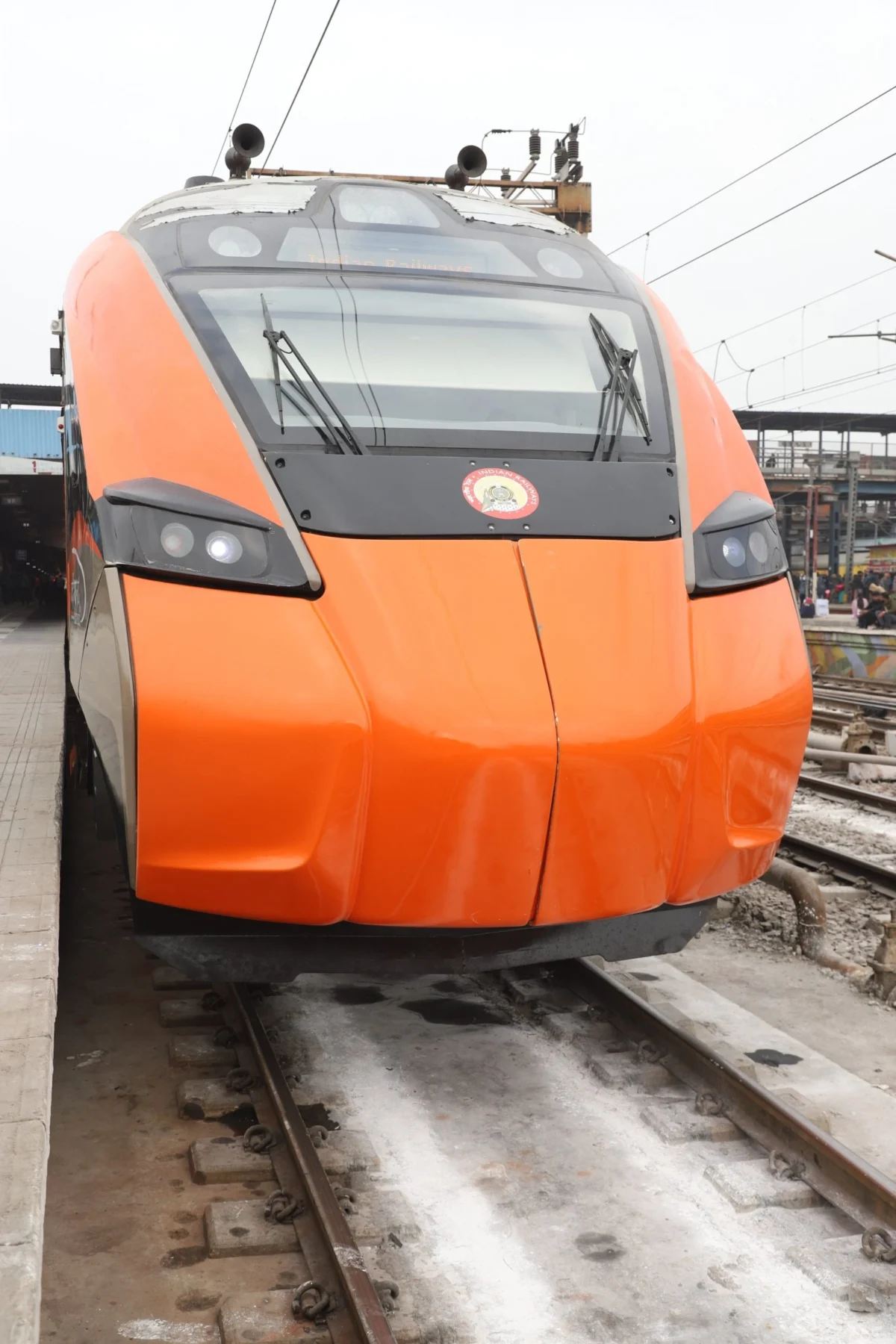
The landscape of Karnataka’s rail connectivity is on the cusp of a significant transformation. As of June 2026, the South Western Railway (SWR) has initiated a series of critical trial runs that could finally bridge the geographical and technical gap between the state’s capital, Bengaluru, and its primary coastal gateway, Mangaluru, using the indigenously developed Vande Bharat Express.
This development marks a pivotal moment in Indian Railways’ mission to deploy semi-high-speed rakes across challenging terrains. The corridor in question—stretching from the bustling Yeshwantpur station in Bengaluru to the coastal terminus of Mangaluru Central—is not merely a distance of track but a gauntlet of engineering hurdles, primarily defined by the formidable Western Ghats.
Main Facts: The Technical Blueprint of the Trial
The core of this trial lies in overcoming the "Ghat Section" bottleneck. While Vande Bharat trains have successfully integrated into various routes across India, the Bengaluru-Mangaluru line presents a unique set of challenges that require specialized hardware and software modifications.
The Specialized 8-Coach Rake
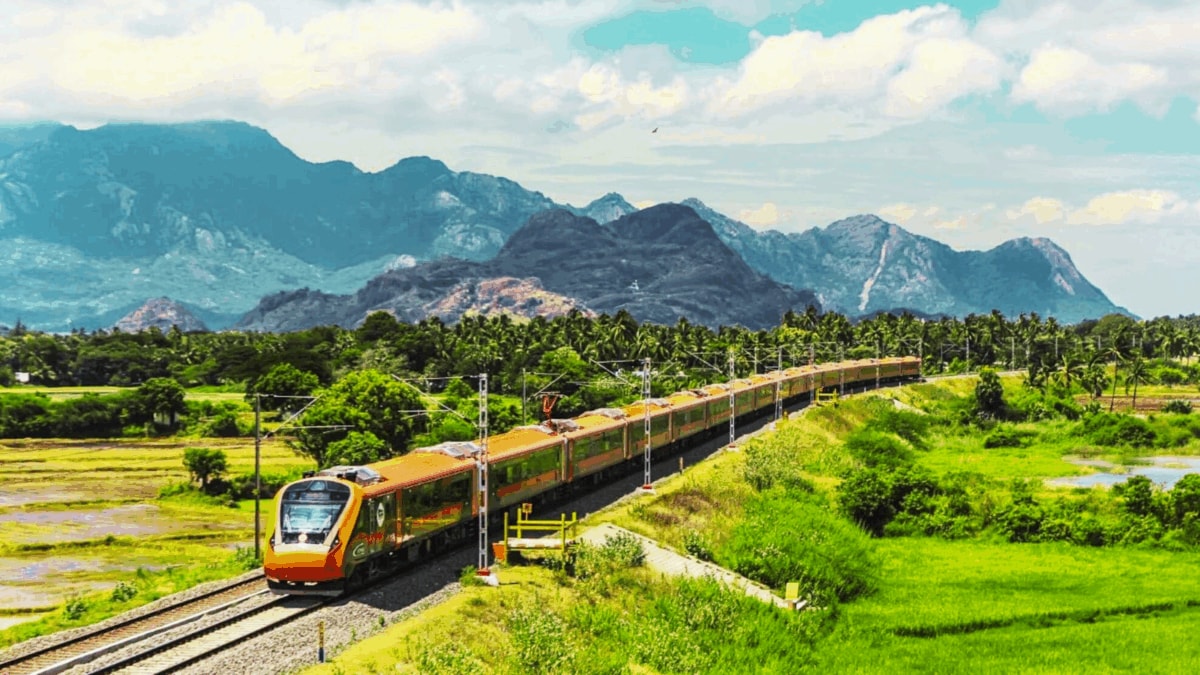
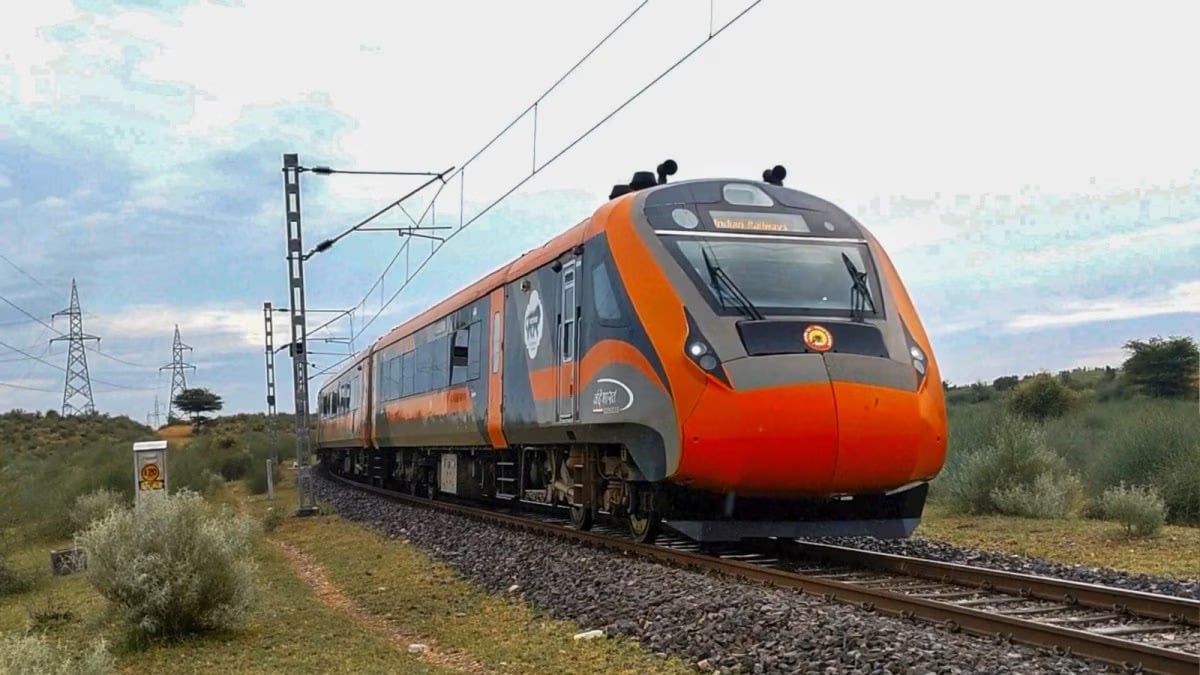
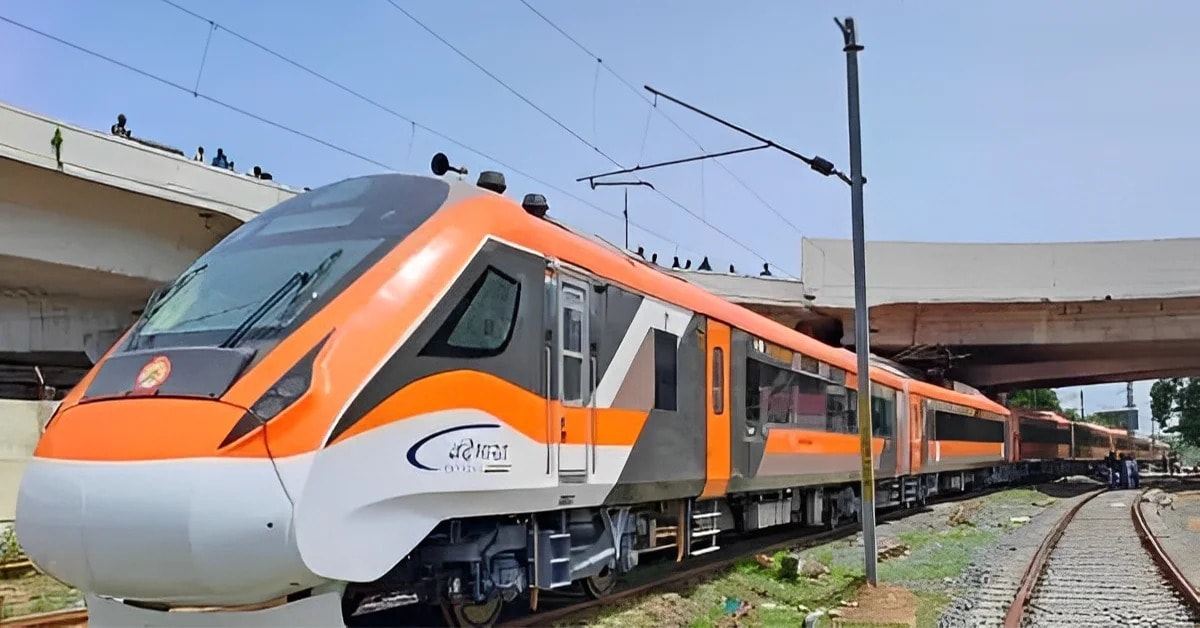
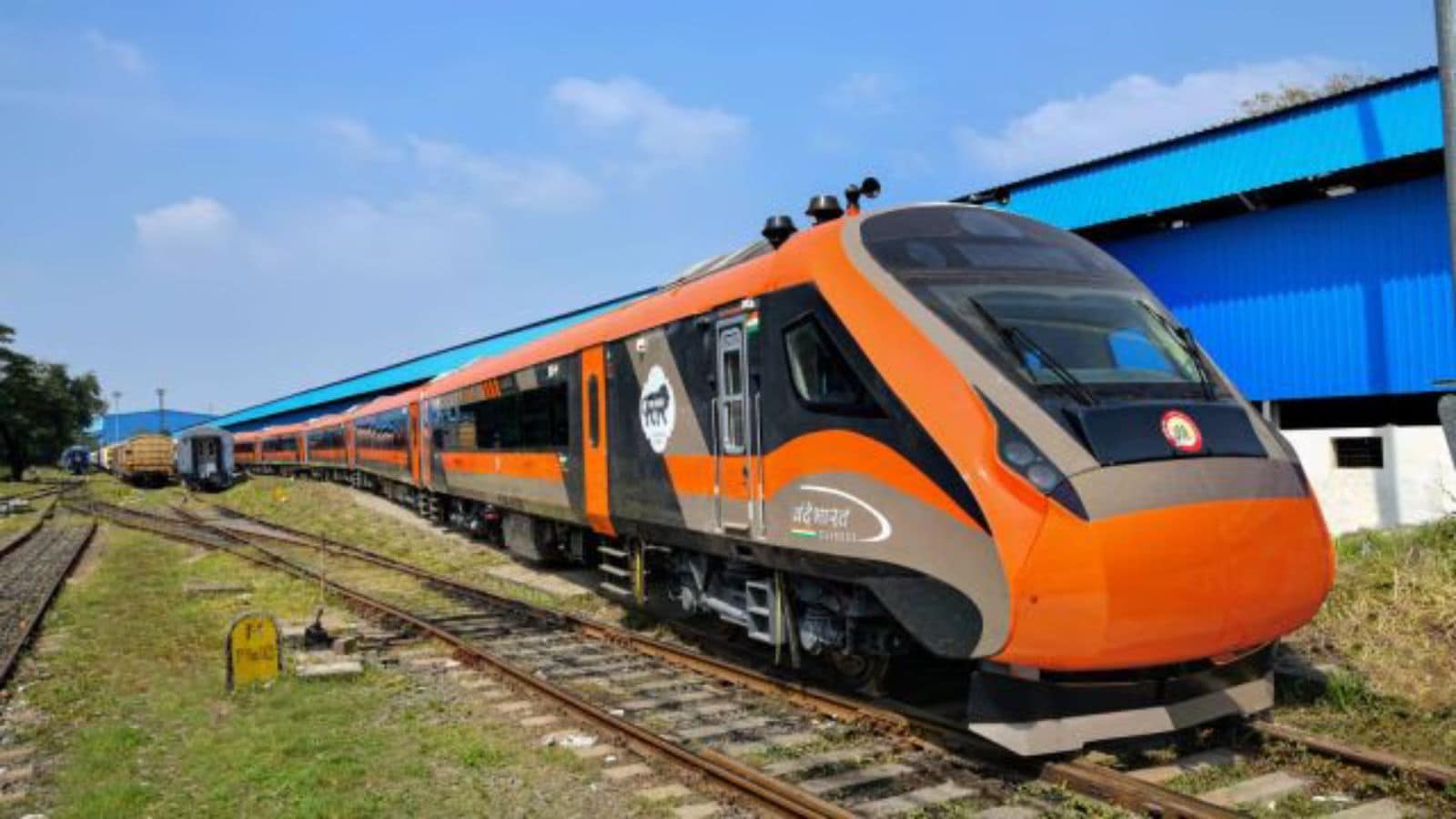
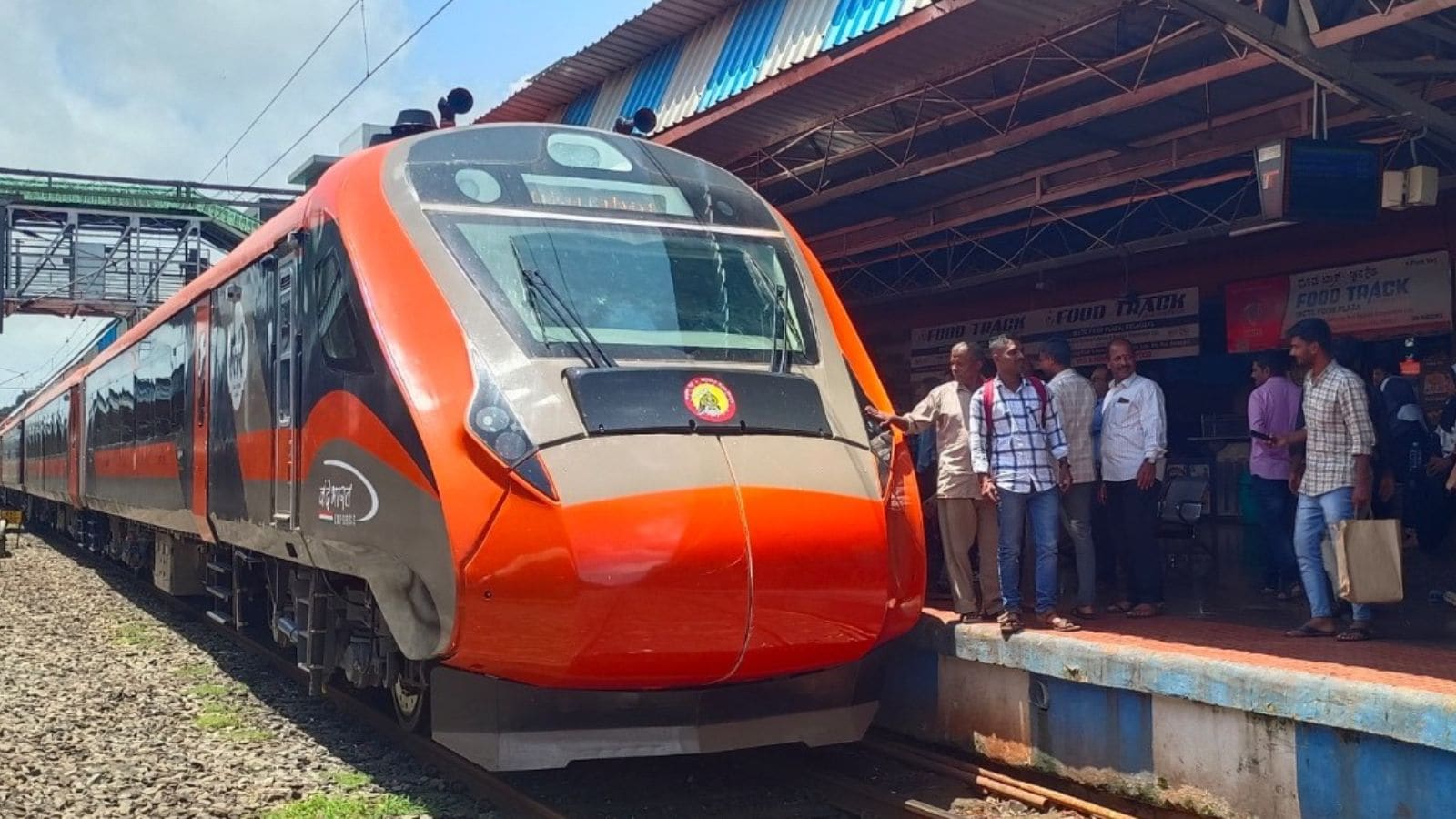
Unlike the standard 16-coach configurations seen on high-demand routes like Delhi-Varanasi, the trial between Yeshwantpur and Mangaluru utilizes a specially modified eight-coach Vande Bharat trainset. This compact configuration is strategically chosen to provide a better power-to-weight ratio, essential for navigating steep gradients.
The AEB System: A Non-Negotiable Safety Feature
The most significant technical addition to this specific rake is the Auto Emergency Brake (AEB) system. The Western Ghats, specifically the Sakleshpur-Subrahmanya Road section, feature a "1 in 50" gradient—meaning for every 50 meters of horizontal travel, the elevation changes by one meter. In such steep environments, the risk of a "runaway train" during descent is a primary safety concern. The AEB system is designed to:
- Automatically monitor the train’s velocity against pre-set safety limits.
- Trigger an immediate, fail-safe braking sequence if the train exceeds the permitted speed or if the pilot fails to respond to warnings.
- Ensure the train remains within the mandatory 30 kmph speed limit imposed on the ghat sections.
Trial Logistics and Timing
The trial journey is mapped out as an 8.5-hour one-way transit. This duration accounts for the mandatory slow-crawling through the 55-km ghat section and includes strategic halts at Hassan, Sakleshpur, and Subrahmanya Road. These stops are not just for passenger simulation but serve as "technical check-posts" to monitor brake temperatures, motor performance, and wheel-wear patterns.
Chronology: The Road to the Trials
The journey toward a Vande Bharat service for Mangaluru has been a multi-year saga of engineering assessments and public demand.
- Initial Proposal (2023-2024): Following the success of the Bengaluru-Mysuru and Bengaluru-Dharwad Vande Bharat services, public demand surged for a coastal connection. However, initial feasibility reports highlighted the inability of standard Vande Bharat rakes to meet the safety protocols of the Sakleshpur-Subrahmanya Road section.
- The Technical Modification Phase (Late 2025): The Integrated Coach Factory (ICF) in Chennai, in collaboration with South Western Railway engineers, began retrofitting an 8-coach rake with the AEB system specifically for the Sahyadri range (Western Ghats) operations.
- Division Coordination (May 2026): Coordination meetings were held between the Bengaluru and Mysuru divisions. Since the route falls under multiple administrative jurisdictions, synchronized scheduling was required to ensure the trial run did not disrupt existing freight and passenger traffic.
- Commencement of Trials (June 2026): Official trial runs began, focusing on the "Green Route" (the scenic but treacherous ghat stretch). These trials are designed to test the train’s regenerative braking efficiency—a feature where the train’s motors act as generators during descent, feeding power back into the overhead lines while slowing the train down.
Supporting Data: The Challenge of the Sakleshpur-Subrahmanya Section
To understand why this trial is significant, one must look at the data governing the Sakleshpur-Subrahmanya Road stretch, often referred to as one of the most difficult railway corridors in Southern India.
| Feature | Specification / Data |
|---|---|
| Total Distance of Ghat Section | 55 Kilometers |
| Gradient | 1 in 50 (Steep) |
| Number of Tunnels | 50+ |
| Number of Bridges | 100+ (approx.) |
| Speed Limit (Safety Mandate) | 30 kmph |
| Projected Vande Bharat Speed (Plain sections) | 110 – 130 kmph |
| Projected Travel Time Reduction | 1.5 to 2 hours compared to current express trains |
The data reveals a "tale of two speeds." While the Vande Bharat can sprint at 130 kmph between Bengaluru and Sakleshpur, it must transition into a cautious, technology-governed crawl through the Ghats. The challenge for SWR is to ensure that even with the 30 kmph restriction in the hills, the overall travel time remains competitive enough to lure passengers away from the 7-9 hour bus journeys on National Highway 75.
Official Responses: A Unified Regulatory Front
Railway officials have expressed a mix of cautious optimism and technical rigor regarding the ongoing trials.
A senior official from the South Western Railway, speaking on the condition of anonymity, stated: "The deployment of the AEB-equipped Vande Bharat is a milestone. Our primary objective is not speed within the Ghats, but the absolute reliability of the braking systems. We are monitoring the ‘thermal stress’ on the brake discs during the long descent from Sakleshpur to Subrahmanya Road. Only after we have data from multiple runs will we approach the Commissioner of Railway Safety (CRS) for final clearance."
The Bengaluru and Mysuru divisions have issued joint statements emphasizing that the trials are comprehensive. They are not merely testing the train but also the infrastructure—checking overhead equipment (OHE) stability and the clearance of the train’s aerodynamic profile through the narrow, colonial-era tunnels that dot the Western Ghats.
Implications: Tourism, Economy, and the Future of Rail
The successful induction of Vande Bharat on this route carries implications that extend far beyond simple commuting.
1. The "Green Route" Tourism Boost
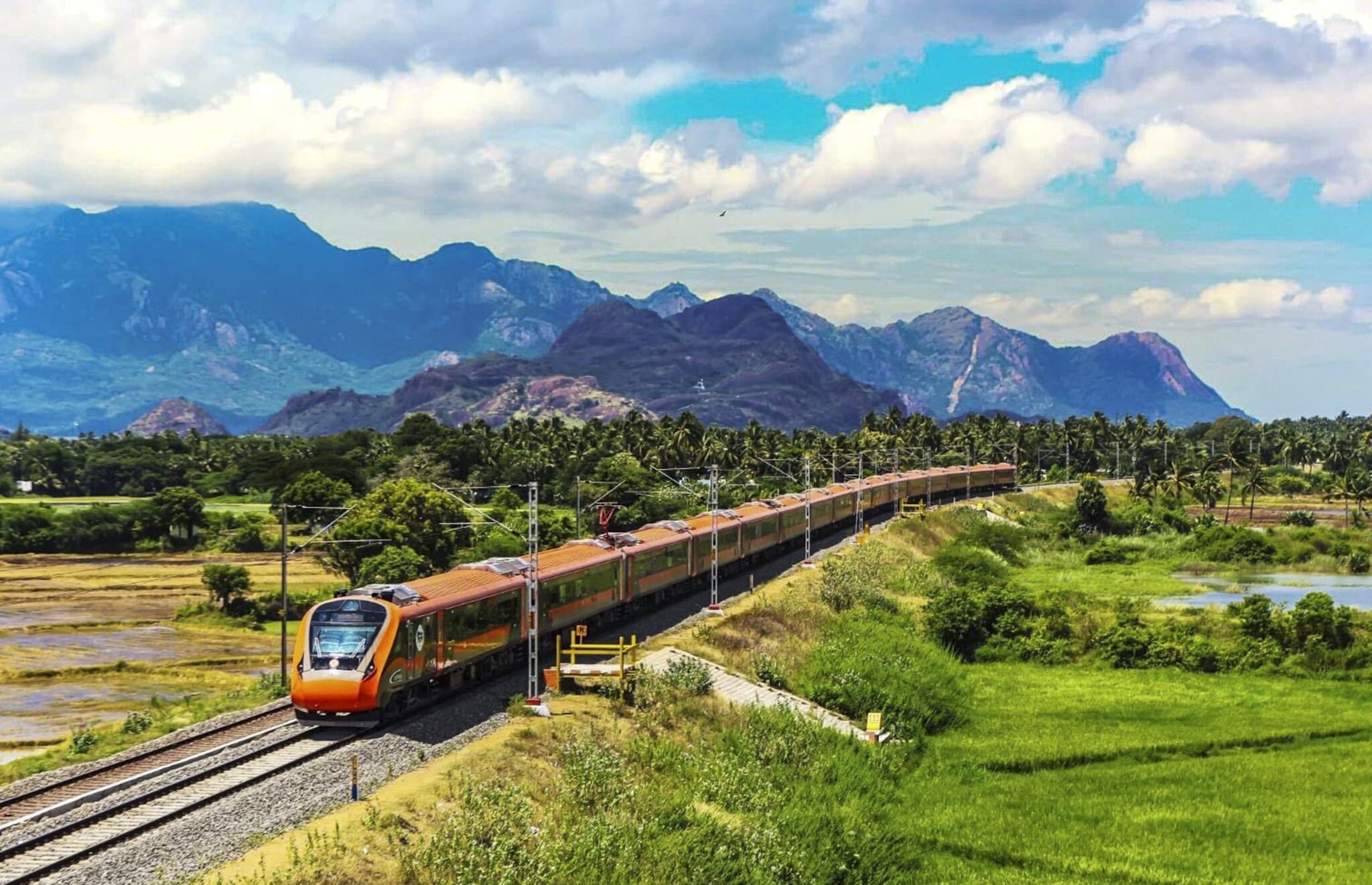
The railway line through the Western Ghats is famous for its "Green Route" trekking and sightseeing. By introducing a Vande Bharat with its signature large glass windows and comfortable seating, Indian Railways is effectively creating a "Vista-Dome" style premium experience. This is expected to significantly boost eco-tourism in the region, particularly during the monsoon when the Ghats are a verdant spectacle of waterfalls and mist.
2. Economic Synergy
Mangaluru is a critical port city and an educational hub. A faster, more reliable rail link to Bengaluru facilitates easier movement for professionals, students, and businessmen. Currently, the NH-75 highway is frequently hit by landslides during the rainy season, leading to total blockages. A robust Vande Bharat service provides a more weather-resilient alternative for high-priority travel.
3. A Template for Mountainous Terrain
If the AEB-equipped 8-coach Vande Bharat succeeds here, it serves as a technical template for other mountainous regions in India. This could pave the way for semi-high-speed services in the Northeast, the Himachal ranges, and the Nilgiris, where steep gradients have traditionally limited rail operations to slow, conventional locomotives.
4. Operational Efficiency
The trial also evaluates "turnaround schedules." Unlike conventional trains that require a locomotive to be detached and re-attached at the other end (a time-consuming process), the Vande Bharat’s self-propelled, "driver-cab-at-both-ends" design allows for a much faster reversal at Mangaluru Central. This efficiency could allow for a single rake to perform a round trip within 20 hours, maximizing asset utilization.
Conclusion
As the data from the Yeshwantpur-Mangaluru trials begins to pour into the SWR headquarters, the vision of a "coastal bullet" for Karnataka moves from the drawing board to reality. The trial is a testament to the fact that in modern rail engineering, speed is a byproduct of safety. By mastering the 55 kilometers of the Sakleshpur-Subrahmanya Road section with the Auto Emergency Brake system, Indian Railways isn’t just launching a new train; it is conquering one of the most difficult geographical barriers in the subcontinent.
Should the final assessment report be favorable, the Bengaluru-Mangaluru Vande Bharat will likely become the crown jewel of the South Western Railway, offering a seamless blend of high-tech safety, premium comfort, and the unparalleled natural beauty of the Western Ghats.
