

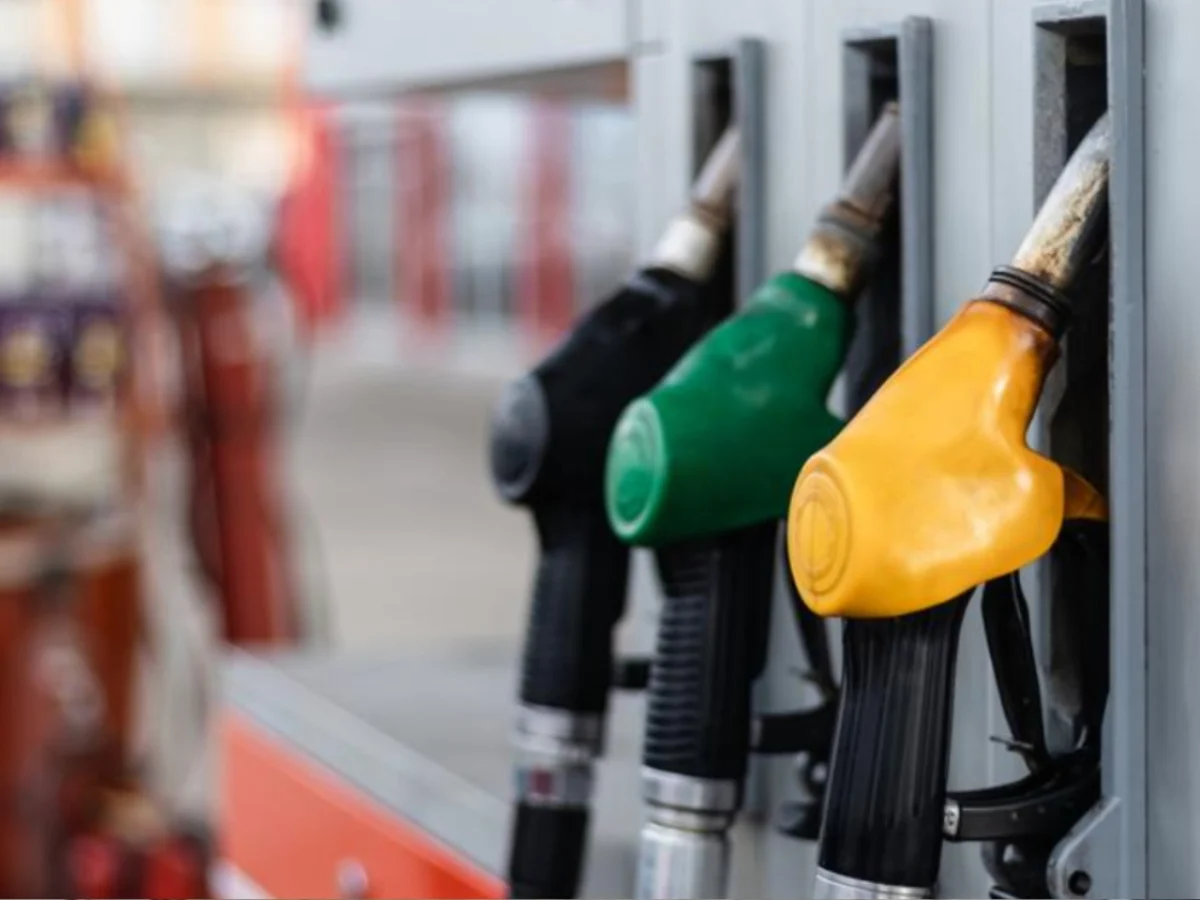
New Delhi, India – July 1, 2026 – In a significant move set to reshape the competitive landscape of India’s petroleum retail sector and provide immediate respite to millions of commuters and businesses, Nayara Energy, a prominent private sector oil marketing company (OMC), today announced a substantial reduction in its fuel prices. Effective immediately, petrol prices across its extensive network of retail outlets nationwide have been slashed by an impressive Rs 5 per litre, while diesel will now be cheaper by Rs 3 per litre.
This pivotal decision, confirmed by local pump owners and company sources, marks the elimination of a long-standing premium Nayara Energy had maintained over government-owned OMCs. Previously, Nayara’s petrol was priced Rs 5 higher and diesel Rs 3 higher than its public sector counterparts. The revised pricing structure is a direct response to the cooling global crude oil prices and signals a renewed intent by private players to aggressively compete for market share. Coming on the heels of recent reductions in commercial LPG cylinder prices by public OMCs, this development underscores a broader trend of easing energy costs that could have far-reaching positive implications for the Indian economy.
A New Chapter in Fuel Price Dynamics
The announcement from Nayara Energy, India’s second-largest private fuel retailer, reverberated quickly across the industry and among consumers. For years, private OMCs like Nayara have operated with a pricing strategy that often saw their retail rates for petrol and diesel slightly higher than those offered by state-run behemoths such as Indian Oil Corporation (IOCL), Bharat Petroleum Corporation Limited (BPCL), and Hindustan Petroleum Corporation Limited (HPCL). This premium was often attributed to various factors including logistics, smaller market share, and a focus on specific customer segments. However, the current cut signals a strategic shift, potentially leveraging improved operational efficiencies and the favourable global crude environment.
Paras Mani Yadav, the owner of a Nayara petrol pump in Lucknow, was among the first to confirm the nationwide revision, highlighting the immediate impact on local consumers. "While the rates of our government OMCs were already lower, because we are in the private sector, our rates were Rs 5 higher on petrol and Rs 3 higher on diesel," Yadav explained to ANI. "However, since the company has revised the rates again, petrol has now become Rs 5 cheaper, and diesel has become Rs 3 cheaper. This price cut has already come into effect starting today, July 1, 2026."
)
This strategic realignment is expected to intensify competition, potentially prompting other private players and even government OMCs to review their own pricing strategies to retain or gain customer loyalty.
Chronology of Pricing Decisions and Market Movements
The current reduction by Nayara Energy does not occur in a vacuum but is part of a dynamic interplay of global crude oil prices, domestic taxation policies, and competitive market strategies that have characterized India’s fuel sector for years.

A History of Dynamic Pricing
India adopted a daily dynamic pricing mechanism for petrol and diesel in June 2017. This system, which links domestic fuel prices directly to international crude oil rates and the rupee-dollar exchange rate, was introduced to ensure that fluctuations in global markets are immediately passed on to consumers, thereby avoiding the build-up of under-recoveries for OMCs. While this system has brought transparency, it has also led to frequent, albeit small, changes in fuel prices, often causing public discourse during periods of sustained price hikes.
Prior to 2017, prices were revised fortnightly. Before that, they were largely state-controlled, leading to significant subsidies and losses for OMCs when global prices surged. The transition to dynamic pricing aimed to depoliticize fuel pricing to some extent, allowing market forces a greater role. However, government interventions, particularly through excise duty adjustments, have remained a crucial lever for managing retail prices and government revenues.
)
Global Crude’s Volatile Dance
The primary catalyst for Nayara’s decision, as cited by Paras Mani Yadav, is the "cooling down" of crude oil prices in the global market. The international crude oil market has been exceptionally volatile over the past few years. Following a severe downturn during the initial phases of the COVID-19 pandemic, prices rebounded sharply in 2021 and 2022, exacerbated by geopolitical tensions, particularly the conflict in Ukraine, and production cuts by OPEC+ nations. Brent crude, the international benchmark, had soared past $120 per barrel in early 2022, placing immense pressure on import-dependent nations like India.
However, recent months have seen a more moderate trend. Concerns over global economic slowdown, potential reductions in demand from major economies, and a slight increase in non-OPEC+ supply have contributed to a more stable, albeit still unpredictable, pricing environment. Analysts note that while prices have receded from their peaks, they remain sensitive to geopolitical events, inventory levels, and the monetary policies of major central banks. The current ‘cooling’ trend has provided OMCs with greater headroom to adjust retail prices downwards, a flexibility that was severely constrained during periods of high crude volatility.
)
Concurrent LPG Price Adjustments
Adding to the narrative of easing energy costs, the latest fuel price cut by Nayara comes on the same day as significant reductions in the prices of commercial LPG cylinders by government OMCs. Earlier today, the retail price of a 19-kg commercial LPG cylinder in Delhi was slashed by Rs 183.50, bringing its cost down to Rs 2,930 per cylinder. Simultaneously, the price of the 5-kg Free Trade LPG (FTL) cylinder was also lowered by Rs 13, making it available for Rs 808.50 in Delhi.
These concurrent reductions across different fuel categories suggest a coordinated, or at least synchronised, response to the improved global energy market conditions. While LPG prices are typically reviewed monthly, and petrol/diesel daily, the timing indicates a broad-based effort to pass on the benefits of lower input costs to consumers and businesses.
)
Supporting Data and Market Dynamics
Understanding the full scope of Nayara’s decision requires a deeper dive into the underlying economic data and the intricate dynamics of India’s vast energy market.
The Indian Fuel Market Landscape
India is the world’s third-largest consumer of oil, importing over 85% of its crude oil requirements. This makes the domestic economy highly susceptible to global crude price fluctuations. The retail fuel market is dominated by three public sector OMCs – Indian Oil, Bharat Petroleum, and Hindustan Petroleum – which collectively control over 90% of the market share. Private players like Nayara Energy (formerly Essar Oil), Reliance Industries, and Shell India operate a smaller, but growing, network of retail outlets, often distinguished by premium services or strategic locations.
)
Nayara Energy, with its extensive network of over 6,500 retail outlets across India, holds a significant position among the private players. Its strategic move to cut prices is not merely about adjusting to global rates but is also a calculated attempt to challenge the dominance of the public sector OMCs and expand its customer base.
Crude Oil Benchmarks and Their Influence
Global crude oil prices are typically benchmarked against West Texas Intermediate (WTI) and Brent crude. Brent crude, a major international benchmark, is particularly relevant for India due to its reliance on imports from the Middle East and Africa. The recent softening of these benchmarks from their multi-year highs has provided the necessary margin for OMCs to reduce retail prices without incurring losses. For instance, if Brent crude hovered consistently between $70-80 per barrel, it would offer OMCs more flexibility than when it was above $100.
)
Factors influencing this ‘cooling’ include:
- Global Economic Slowdown Concerns: Fears of recessions in major economies like the US and Europe could dampen global oil demand.
- China’s Economic Performance: While China’s reopening initially spurred demand hopes, its uneven recovery has tempered expectations.
- OPEC+ Policy: Decisions by the Organization of the Petroleum Exporting Countries and its allies (OPEC+) regarding production cuts or increases significantly impact supply. Recent decisions have aimed at market stability, but future actions remain a key variable.
- US Shale Production: The resilience of US shale oil production can add to global supply, counteracting OPEC+ cuts to some extent.
- Strategic Petroleum Reserves (SPR) Releases: Past releases by major consuming nations, though temporary, influenced short-term prices.
Taxation and Retail Price Composition
It’s crucial to understand that the retail price of petrol and diesel in India is not solely determined by crude oil costs. It is a complex calculation that includes:
)
- Base Price: Cost of crude oil plus freight charges.
- Refinery Processing Cost: Expenses incurred by refineries to convert crude into petrol/diesel.
- Dealer Commission: Margins for petrol pump owners.
- Central Excise Duty: A significant tax levied by the central government.
- State Value Added Tax (VAT): A state-specific tax, which varies widely across states and union territories.
These taxes constitute a substantial portion, often exceeding 40-50%, of the final retail price. While OMCs adjust the base price, central and state governments have the discretion to modify excise duty and VAT, respectively, which can either amplify or cushion the impact of global crude price changes. Nayara’s current price cut, being a corporate decision, primarily impacts the base price and potentially their internal margins, bringing them closer to the publicly declared base rates of government OMCs.
Official Responses and Industry Perspectives
The move by Nayara Energy has elicited a range of reactions from stakeholders, underscoring its potential to shift market dynamics.
)
Nayara Energy’s Strategic Intent
While an official corporate statement from Nayara Energy was awaited at the time of reporting, the comments from pump owner Paras Mani Yadav implicitly convey the company’s strategic intent. By eliminating the premium, Nayara is clearly aiming for a more aggressive market posture. Industry analysts suggest this move could be part of a broader strategy to:
- Increase Market Share: More competitive pricing will attract price-sensitive consumers who previously opted for public sector pumps.
- Enhance Brand Perception: Positioning Nayara as a consumer-friendly option, committed to passing on benefits.
- Optimize Inventory Management: Higher sales volumes can lead to more efficient inventory turnover.
- Prepare for Future Growth: A strong, competitive price point can lay the groundwork for expanding its retail network or introducing new value-added services.
An unnamed source within Nayara Energy, speaking off the record, indicated the decision was a "carefully considered move reflecting our commitment to our customers and our belief in dynamic market competition. As global crude prices have allowed, we are ensuring these benefits reach the consumer directly, fostering trust and loyalty."
)
Consumer Sentiment: Immediate Relief
The most immediate and tangible impact is on the ordinary consumer. The price cut has brought palpable relief at the pumps, as evidenced by reactions from motorists. "Thank you very much for the 5-rupee price drop at Nayara petrol pumps. This has brought us a lot of relief and convenience. Thank you to the Nayara company for this," a local consumer expressed to ANI while refuelling. Another motorist echoed this sentiment, stating, "At Nayara petrol pumps, diesel has become 3 rupees cheaper, and petrol has become 5 rupees cheaper. This has brought us a lot of relief." These sentiments highlight the significant burden fuel costs place on household budgets and the welcome relief provided by even marginal reductions.
Government and Regulatory Stance
While there hasn’t been a direct statement from the Ministry of Petroleum and Natural Gas specifically on Nayara’s move, the government generally welcomes any measure that eases inflationary pressures and benefits consumers. The concurrent LPG price cuts by public OMCs suggest a broader government objective to stabilize energy costs. Historically, the government has used a combination of excise duty adjustments and encouraging OMCs to absorb some fluctuations to manage retail prices, especially during election cycles or periods of high inflation. The current environment allows market forces to drive prices down, which aligns with the government’s stated goal of market-driven pricing.
)
Industry Analysts’ Perspectives
Energy market analysts view Nayara’s move as a crucial development. "This is a bold strategic play by Nayara Energy," commented Dr. Alok Singh, a Mumbai-based energy economist. "For years, private OMCs have struggled to effectively compete on price with the behemoths of the public sector. By eliminating their premium, Nayara is signaling a serious intent to gain market share. This could put pressure on other private players like Reliance-BP and even the public OMCs to ensure their pricing remains highly competitive."
Dr. Singh further elaborated that while the immediate impact is on Nayara’s sales, the broader effect could be a slight easing of inflationary pressures across the economy, especially in logistics and transportation. "Every rupee saved at the pump translates into a ripple effect, reducing operational costs for businesses and increasing disposable income for consumers," he added.
)
Implications for the Economy and Consumers
The price reduction by Nayara Energy, coupled with the LPG cuts, carries significant implications for various sectors of the Indian economy and the daily lives of its citizens.
Boost to Consumer Spending and Household Budgets
For the average Indian household, fuel expenses constitute a substantial portion of their monthly budget, particularly for those relying on personal vehicles for commuting or small businesses using two-wheelers for deliveries. A saving of Rs 5 on petrol and Rs 3 on diesel, though seemingly modest per litre, accumulates rapidly over daily or weekly refills. This direct saving translates into increased disposable income, which can either be saved or directed towards other consumption goods and services, potentially stimulating demand in other sectors.
)
Moreover, for families using LPG for cooking, the reduction in commercial cylinder prices, while not directly affecting subsidized domestic cylinders, does signal a broader trend that could eventually benefit them or at least stabilize their energy costs.
Relief for Transport and Logistics Sector
The transport and logistics sector is one of the most significant beneficiaries of lower diesel prices. Diesel is the primary fuel for commercial vehicles, including trucks, buses, and freight carriers. Reduced diesel costs directly lower operational expenses for transport companies, potentially leading to:
)
- Lower Freight Charges: Transport companies might pass on some of these savings to their clients, leading to reduced freight costs for goods across the supply chain.
- Improved Profitability: For transporters, this means better margins, allowing for reinvestment or greater financial stability.
- Reduced Inflationary Pressure: Lower transportation costs can help in controlling food prices and other essential commodities, as logistics costs are embedded in almost every product.
This cascading effect can contribute positively to the overall economic landscape, making goods and services cheaper to move and, consequently, cheaper for the end consumer.
Impact on Businesses and Manufacturing
Sectors heavily reliant on transportation, such as manufacturing, agriculture, e-commerce, and retail, will also experience positive spillover effects. Factories that transport raw materials and finished goods, farmers who rely on diesel for irrigation pumps and tractors, and e-commerce companies delivering products across the country will all see a reduction in their input costs. This can enhance their competitiveness, potentially leading to higher production, greater investment, and job creation. Small and medium-sized enterprises (SMEs), often operating on tight margins, will particularly welcome these savings.
)
Increased Competition in the Fuel Retail Market
Nayara’s aggressive pricing strategy is likely to intensify competition in the Indian fuel retail market. Other private players, such as Reliance-BP and Shell, may feel compelled to review their own pricing to avoid losing market share. More significantly, this move could prompt public sector OMCs to ensure their pricing remains robustly competitive. While public OMCs often prioritize stability and government directives, persistent competitive pressure from private players can lead to overall better deals and services for consumers. This healthy competition is ultimately beneficial for market efficiency and consumer choice.
Broader Economic Stability
In the context of India’s ongoing economic growth trajectory, easing inflationary pressures from key commodities like fuel is highly advantageous. The Reserve Bank of India (RBI) has consistently emphasized the need to keep inflation within its target range. Lower fuel prices directly contribute to this goal by reducing input costs for businesses and moderating consumer price inflation. This stability can provide the central bank with greater flexibility in its monetary policy decisions, potentially supporting economic growth.
)
The Road Ahead: Sustaining the Momentum
While the current price cuts are a welcome development, the sustainability of these lower rates remains dependent on global crude oil prices. Geopolitical stability, OPEC+ production policies, and global demand trends will continue to be critical determinants. For Nayara Energy, this strategic pivot will be closely watched to see if it translates into significant market share gains and strengthens its position against the public sector giants.
For the Indian consumer and the economy, however, today’s announcement brings a much-needed breath of fresh air. It underscores the dynamic nature of the energy market and the direct benefits that can accrue when global conditions align with proactive corporate strategies. As India continues its journey towards becoming a global economic powerhouse, stable and competitive energy prices will remain a foundational pillar for sustainable growth and enhanced public welfare.
