

Panaji, Goa – A recent Sunday afternoon at the Museum of Goa (MOG), a private institution curated by the acclaimed Goan artist Subodh Kerkar, offered a profound exploration into the region’s often-overlooked ecological wealth. The event, centered around "Wilderness Within," the second chapter of environmentalist Claude Alvares’ seminal work Fish, Curry and Rice, served as a powerful reminder that the concept of a wildlife sanctuary extends far beyond protected forests and reserves. It illuminated the rich tapestry of life thriving in every corner of Goa, from its bustling backyards to its vibrant local markets.
Goa: A Living Sanctuary, Unveiled
The atmosphere at MOG was one of intellectual engagement and sensory delight. Following a welcome that included passing a striking 30-foot statue of the demon king Narkasur and a visit to the museum’s acclaimed café, environmentalist Claude Alvares addressed the assembled guests. His core message resonated with profound simplicity: "all of Goa is a wildlife sanctuary." This declaration extended the definition of wilderness to encompass not only iconic fauna like tigers and elephants but also the intricate biodiversity of plant life, the myriad species of birds and insects, the vital realm of micro-organisms, and the critical ecosystems of wetlands, estuaries, lateritic plateaus, marine environments, and agricultural landscapes.

Alvares’ perspective underscores a crucial shift in understanding ecological value. It’s not solely about the grand spectacles of nature but the intricate, interconnected web of life that sustains a region. This holistic view was further exemplified by the personal narrative of the article’s author, who shared her own experience of cultivating a thriving garden in Goa. What began as a "dusty brown patch" a year prior has been transformed through the thoughtful implementation of swales (water channels), generous mulching, and homemade compost. This approach has yielded a consistent bounty of edible plants, including the ubiquitous mango and kokum that are summer staples, and a continuous supply of herbs, greens, and roots during the monsoon.
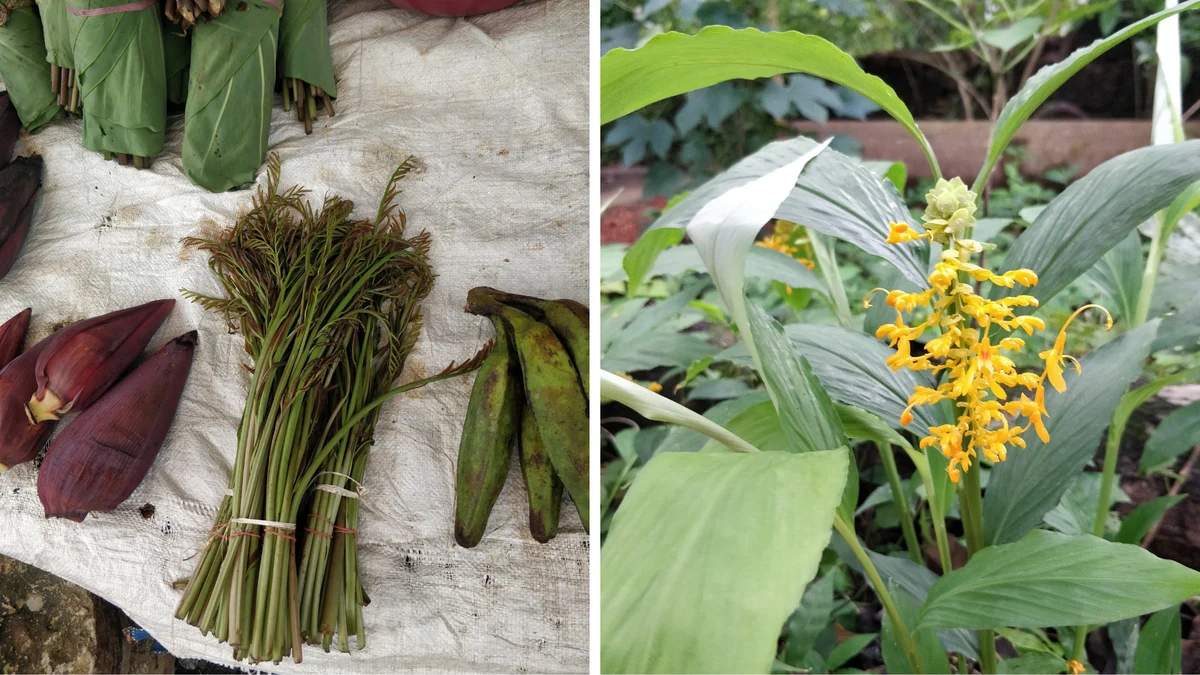
The author’s garden serves as a microcosm of Goa’s inherent biodiversity. She intentionally cultivates plants propagated from cuttings found during walks or gifted by friends, eschewing conventional vegetables for species that naturally flourish in the local environment. This "wild" approach has resulted in a surprising larder, providing pandan for rice, borage for tea, colocasia leaves for steaming, ginger flowers for cocktails, and turmeric leaves for preparing fish. The garden is a testament to the abundance that can be unlocked by observing and working with nature, a continuous discovery of new edible plants, some of which she admits she didn’t consciously "plant."

Culinary Explorations: Reimagining "Weeds" into Gourmet Delights
The event culminated in a tasting table, curated by Chef Sai Sabnis, the founder of Posa, a food lab known for its subscription-based "supersalads." Sabnis presented a series of innovative tapas, each dish a testament to the culinary potential of wild and organic Goan ingredients. The ingredients were sourced either from her own garden, Edricia, an organic farm in Siolim, or from the vibrant Mapusa market, often referred to as the "holy grail" of Goan produce.
One of the standout creations featured akur, or Golden Leather Fern. This large fern, typically found in mangroves, is only edible during the monsoon when its young fronds emerge. Mapusa market becomes a hub for this seasonal delicacy during this period. Traditionally, akur is often prepared with heavy masalas. However, Chef Sabnis showcased its delicate, asparagus-like subtleness by stir-frying it and serving it with a cheese-like cream made from white lablab beans, known locally as faote. This preparation highlighted the fern’s natural texture and nuanced flavor, transforming what might be considered a humble ingredient into a sophisticated dish.

Another memorable offering was a pesto made from taikile (Cassia tora), served atop a slice of beetroot with a mayonnaise infused with ground dry fish. Dry fish is a crucial source of sustenance for Goans during the monsoon when fishing expeditions are curtailed. Taikile, which sprouts prolifically in any available space, is a monsoon staple in Goan households and is recognized in Ayurvedic traditions for its medicinal properties, being rich in protein, carbohydrates, fiber, and antioxidants. Sabnis’s innovative use of taikile pesto demonstrated its versatility and nutritional value, presenting it in a modern culinary context.
Perhaps the most surprising revelation for the author was the Pepper Elder. This plant, while not traditionally utilized by Goans and not commercially available, flourishes in gardens and parks across the region. Tanya Fernandes, the owner of Edricia Farm, identified it as a common "weed" on her property. Intrigued by its prevalence, she conducted research and discovered its edibility. The Pepper Elder, characterized by its sourness and a mustard-like aroma, was presented raw by Chef Sabnis, allowing its distinct flavor profile to take center stage. This simple preparation allowed diners to experience the plant in its purest form, a bold culinary statement that emphasized its unique qualities.

The "Weed" Revolution: Empowering Homegrown Nutrition
The author’s personal journey of transforming her garden into a source of sustenance is a powerful narrative of reclaiming traditional knowledge and embracing local ecology. Her practice of cultivating wild-growing plants, rather than relying solely on commercially grown vegetables, has resulted in a highly nutritious and virtually free food source. This experience serves as an inspiration for others to explore the edible potential of their own surroundings.
However, the article also emphasizes a critical caveat: the importance of informed foraging. The author stresses the necessity of research and local knowledge before consuming any wild plants. This includes understanding how to process them to mitigate any potential toxic compounds. Her advice to "ask the lady who sells the greens how she cooks and eats them" encapsulates this crucial aspect of responsible wild food consumption. The "first rule of wild foods," she reiterates, is understanding their proper preparation.

The exploration of wild edibles extends beyond mere sustenance; it represents a profound connection to the land and a sustainable way of living. By recognizing the value in plants that often go unnoticed or are dismissed as "weeds," individuals can tap into a readily available source of nutrition and contribute to a more resilient food system. The author’s own garden, a vibrant testament to this philosophy, provides a diverse array of ingredients that nourish her body and deepen her understanding of Goa’s ecological richness.
Implications and a Call to Action: Embracing Nature’s Proximity
The "Wilderness Within" event and the subsequent culinary exploration at MOG serve as a powerful indictment of the often-narrow perception of what constitutes a "wildlife sanctuary." Claude Alvares’ assertion that all of Goa is a sanctuary challenges us to broaden our ecological consciousness. It urges us to recognize the intrinsic value of every living organism and ecosystem, from the microscopic to the macroscopic, and from the protected reserves to the urban gardens.

The implications of this expanded understanding are far-reaching. It suggests a paradigm shift in how we approach conservation, emphasizing local stewardship and the integration of ecological awareness into daily life. It encourages a move away from a detached, observational approach to nature towards an active, participatory one, where human activities are harmonized with natural processes.
The author’s personal journey, from a barren plot to a thriving edible garden, exemplifies this participatory approach. It demonstrates that by engaging with the natural environment, by understanding its rhythms and resources, we can unlock its potential for our benefit while also fostering its health. This is not just about food security; it’s about reconnecting with the fundamental principles of life and sustainability.

The "Wilderness Within" initiative, as highlighted by the article, is more than just an academic discussion or a culinary showcase. It is a movement, a call to action. It encourages individuals to look beyond the conventional and discover the "humble weeds growing below your feet." It is an invitation to see the extraordinary in the ordinary, to recognize the abundance that surrounds us, and to integrate ecological thinking into our lives as "Second Nature."
The series, written through the lens of someone who "works the land," aims to make this profound connection tangible and accessible. It advocates for a future where understanding and appreciating the ecology of our immediate surroundings is not an academic pursuit but an innate way of being. The wildness, it reminds us, is not a distant concept; it is present, potent, and profoundly accessible, waiting to be discovered and cherished in our own backyards and beyond.
