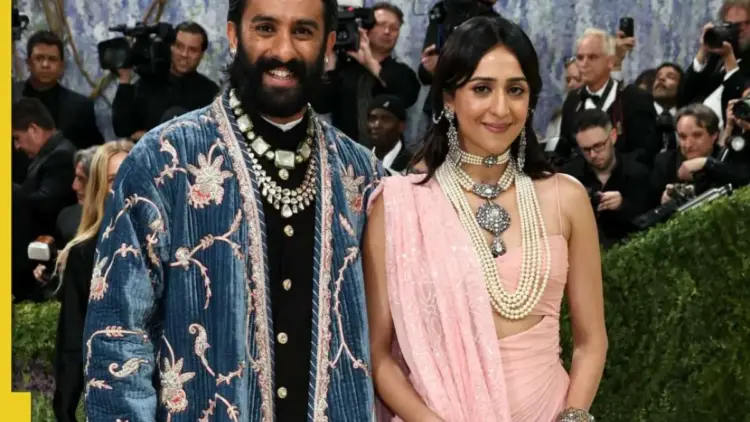
New York, NY – May 6, 2026 – The hallowed halls of the Metropolitan Museum of Art once again played host to the world’s most influential figures in fashion, art, and entertainment at the highly anticipated Met Gala 2026. This year, amidst a constellation of global celebrities, a distinguished presence emerged, representing not just personal style, but centuries of royal heritage and exquisite Indian craftsmanship. Maharaja Sawai Padmanabh Singh of Jaipur, affectionately known as ‘Pacho,’ made a breathtaking debut on the Met Gala red carpet, captivating audiences with a bespoke ensemble that masterfully intertwined tradition with contemporary haute couture.
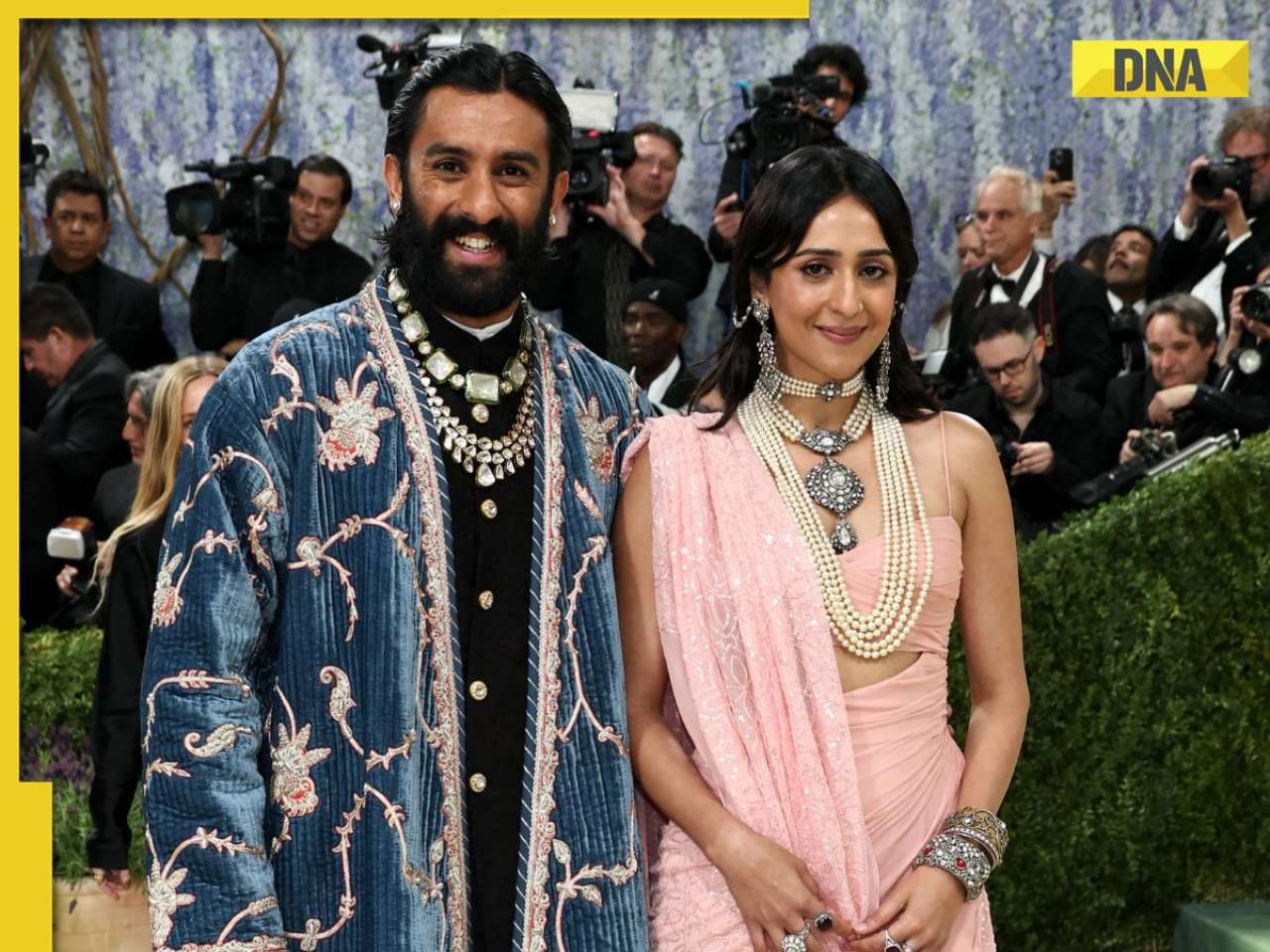
Designed by the acclaimed Nepali-American designer Prabal Gurung, the Maharaja’s attire was a poignant tribute to his royal lineage and the rich artistic tapestry of his ancestral home. The centerpiece, a meticulously crafted ‘Phulghar coat,’ stood as a testament to the enduring artistry of Indian craftsmanship, a narrative of heritage woven into every thread and embellishment. This striking appearance marked a significant moment, bringing the grandeur of Jaipur’s royal legacy onto the global fashion stage, a harmonious fusion of past and present that resonated with the gala’s theme.

The Maharaja’s Royal Lineage: A Legacy of the Pink City
Maharaja Sawai Padmanabh Singh is more than just a scion of a former royal family; he is the ceremonial head of Jaipur’s esteemed royal household, a direct descendant of the historic Kachwaha dynasty that shaped the destiny of the famed Pink City. His ascension to the titular role of Maharaja in 2011, at the tender age of 12, following the passing of his grandfather, marked the continuation of a storied legacy. Known to his inner circle as ‘Pacho,’ he embodies a modern interpretation of royal responsibility, actively engaging with Jaipur’s cultural identity and championing its enduring heritage.

The Kachwaha dynasty boasts a lineage stretching back over a millennium, their reign in Jaipur characterized by architectural marvels, patronage of arts and sciences, and a deep connection to the land. Sawai Padmanabh Singh, as the current custodian of this legacy, shoulders the responsibility of preserving and promoting this rich heritage in the 21st century. His presence at the Met Gala, therefore, transcended a mere fashion statement; it was a deliberate act of cultural diplomacy, showcasing the timeless elegance and artistic prowess of India to an international audience.

A Sporting Prince with a Social Conscience
Beyond his royal duties and sartorial elegance, Maharaja Sawai Padmanabh Singh is a dynamic figure with a multifaceted life. He is a renowned professional polo player, a sport deeply embedded in Indian royal tradition. His prowess on the polo field has seen him represent India on international platforms, further contributing to the sport’s resurgence and promotion in modern India. This athletic pursuit underscores his commitment to upholding ancestral traditions while embracing contemporary challenges and opportunities.

Furthermore, ‘Pacho’ is a vocal advocate for social causes, demonstrating a keen inclination towards philanthropy and community development. He has actively supported initiatives aimed at enhancing education and empowering women, particularly through scholarships and digital learning programs designed to benefit underprivileged girls. This commitment to social upliftment reflects a progressive outlook, ensuring that his royal status is leveraged for the betterment of society. His public persona, therefore, is one of a well-rounded individual, adept at balancing tradition with a forward-thinking approach to social responsibility.

Maharaja Sawai Padmanabh Singh has steadily cultivated a reputation as a global style icon, consistently celebrated for his ability to seamlessly blend traditional Indian aesthetics with contemporary fashion sensibilities. His appearances at international events have often been a masterclass in sartorial diplomacy, where he effortlessly bridges cultural divides through his unique and sophisticated style. This established flair for fashion made his Met Gala debut highly anticipated, with many expecting a presentation that would be both personally expressive and culturally significant.

The Phulghar Coat: A Symphony of Indian Craftsmanship
The star of the evening, the ‘Phulghar coat,’ was a masterpiece of collaborative artistry between the Maharaja and Prabal Gurung. The design process reportedly spanned an impressive 600 hours, a testament to the dedication and skill involved in its creation. This exquisite garment was a thoughtful and intricate fusion of tradition and modern tailoring, a visual narrative of Jaipur’s rich artisanal heritage.

Crafted from luxurious midnight blue velvet and the finest cotton, the coat was adorned with an array of traditional Indian embroidery techniques. The intricate aari and zardozi embroidery, coupled with the delicate resham and dabka work, showcased the unparalleled skill of Indian artisans. These embellishments were not merely decorative; they were a deliberate articulation of centuries-old craft traditions, passed down through generations.

A particularly distinctive element of the coat was the mirror sun motif, a design deeply inspired by the Sri Niwas within Jaipur’s City Palace. This symbolic representation served as a powerful nod to the Maharaja’s Suryavanshi (Sun Dynasty) ancestral lineage, imbuing the garment with a profound personal and historical significance. The sun, a universal symbol of power, life, and divinity, resonated with the regal aura of the wearer and the historical prominence of his family.

Complementing the opulent coat were meticulously tailored black trousers, which themselves incorporated subtle yet significant design elements inspired by Jaipur. The ensemble was further elevated by the inclusion of traditional Jadau and Polki jewelry, carefully curated to echo the vibrant artistry found in Johri Bazaar, Jaipur’s famed gem and jewelry hub. This thoughtful layering of elements created a cohesive and impactful look that was both personally resonant and culturally evocative.

The Maharaja’s sister, who also graced the event, paid a touching tribute to their grandmother, Maharani Gayatri Devi, by wearing a stunning chiffon saree from her personal collection. This treasured garment was expertly reworked into a contemporary gown by Prabal Gurung, adding another layer of familial and historical significance to their joint appearance. This intergenerational connection, expressed through fashion, further underscored the theme of heritage being celebrated and carried forward.

Met Gala 2026: A Global Platform for Cultural Narrative
The Met Gala, with its annual focus on fashion as a medium for storytelling, provided the perfect platform for Maharaja Sawai Padmanabh Singh to present the rich artistic heritage of Jaipur and India to a global audience. His appearance generated significant international acclaim, with fashion critics and enthusiasts alike lauding the profound cultural narrative embedded within his ensemble. The meticulous attention to detail, the masterful execution of traditional crafts, and the deep personal significance of the design elements combined to create a truly memorable and impactful statement.

The ‘Phulghar coat’ was more than just an outfit; it was a wearable piece of history, a dialogue between the past and the present, and a vibrant testament to the enduring power of Indian artistry. By choosing to showcase these elements on one of the world’s most prominent fashion stages, Maharaja Sawai Padmanabh Singh not only celebrated his own heritage but also contributed to a broader appreciation of India’s diverse cultural and artistic landscape.

Implications and the Future of Heritage in Fashion
Maharaja Sawai Padmanabh Singh’s Met Gala appearance carries significant implications for the way heritage is perceived and integrated into contemporary fashion. It demonstrates that tradition is not static but can be a dynamic and evolving source of inspiration for modern design. His choice to collaborate with Prabal Gurung, a designer known for his ability to fuse cultural narratives with avant-garde aesthetics, highlights the potential for cross-cultural dialogue and innovation in the fashion industry.

This event serves as a powerful reminder of the value of preserving and promoting traditional crafts. In an era of mass production, the intricate artistry and human touch evident in the Maharaja’s attire stand out, emphasizing the importance of supporting artisans and safeguarding these invaluable skills. Furthermore, it underscores the role that cultural figures and institutions can play in championing their heritage on a global scale, fostering understanding and appreciation across borders.

The Met Gala 2026’s embrace of such a culturally rich and traditionally inspired ensemble suggests a growing appreciation within the fashion world for authentic narratives and artisanal excellence. As designers and celebrities continue to explore global inspirations, the legacy of Jaipur, embodied by Maharaja Sawai Padmanabh Singh and his exquisite ‘Phulghar coat,’ will undoubtedly continue to influence and inspire fashion for years to come, cementing its place in the annals of haute couture history.